Overall impressions of Wilmington Nursing & Rehabilitation Center are mixed, with clear strengths in rehabilitation and warm interpersonal care alongside operational weaknesses that affect long‑stay and higher‑acuity residents. A consistent positive theme across feedback is the quality of therapy services: physical and occupational therapy staff receive frequent praise for improving mobility, facilitating successful discharges, and producing measurable functional gains. Families and short‑term residents frequently describe therapists and aides as effective, attentive, and instrumental in recovery.
Nursing and aide staff are often described as compassionate and personally invested in residents’ well‑being; many accounts highlight acts of kindness, consistent daily care, and proactive housekeeping and dietary support. Housekeeping and environmental services receive multiple favorable mentions for cleanliness and infection‑control practices in many areas. Activity programming and social engagement are also cited as strengths that contribute to a positive atmosphere for some residents.
Counterbalancing these positives are recurring operational concerns. Staffing inconsistency — particularly during evenings and nights — is a prominent pattern, with reports of delayed responses to call lights and hurried interactions when staff are present. Medication administration and timely clinical monitoring are uneven; reviewers cite delayed medication delivery and gaps in fall‑prevention and transfer‑safety practices. These issues have led some families to lose trust in the facility’s ability to manage higher‑risk residents.
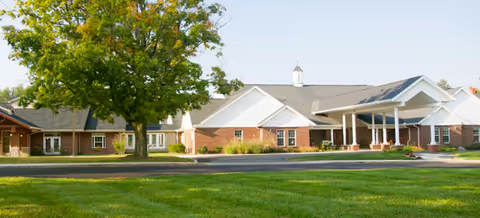
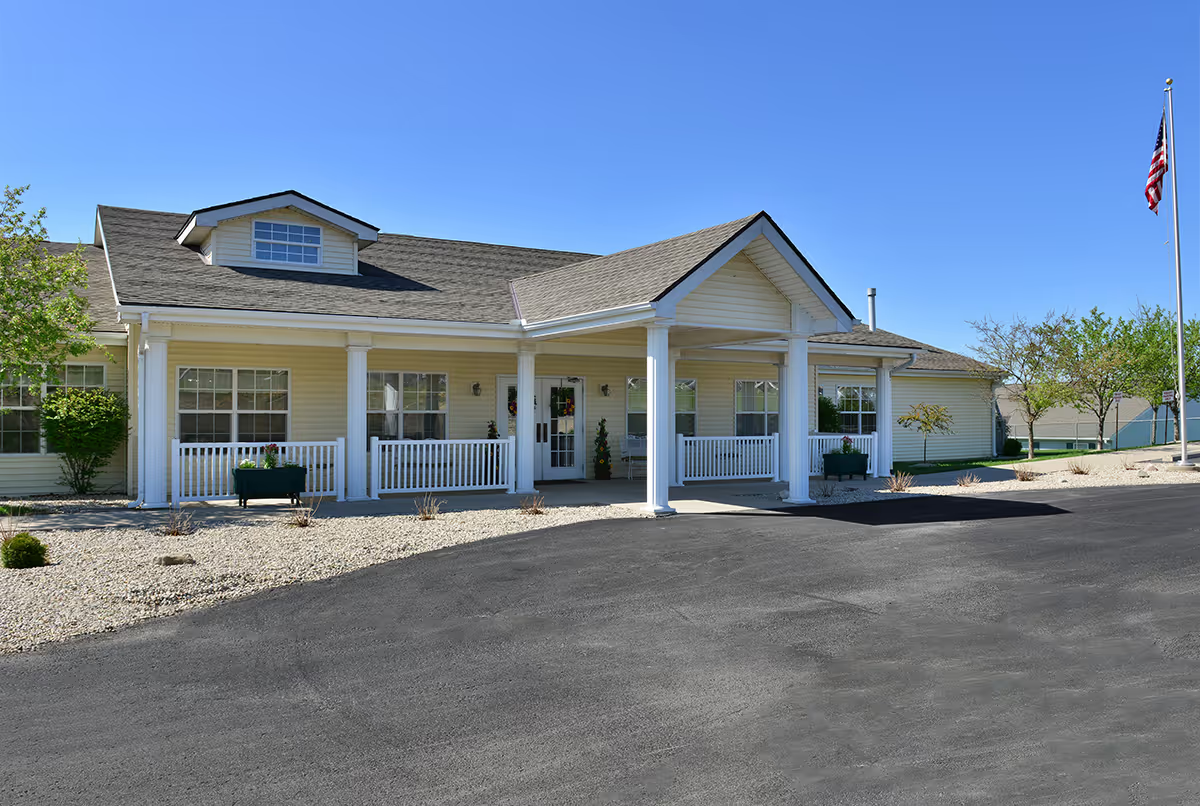
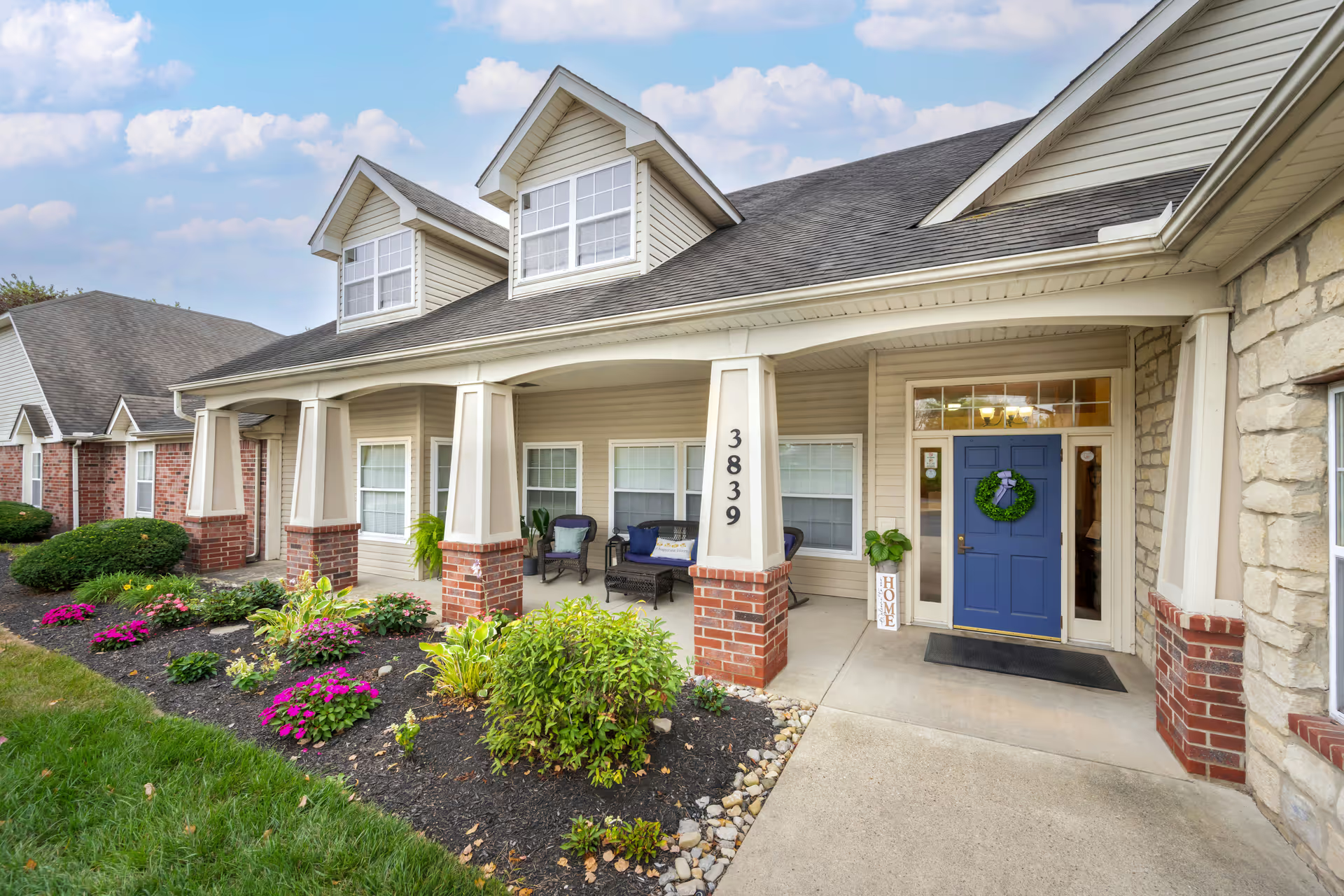
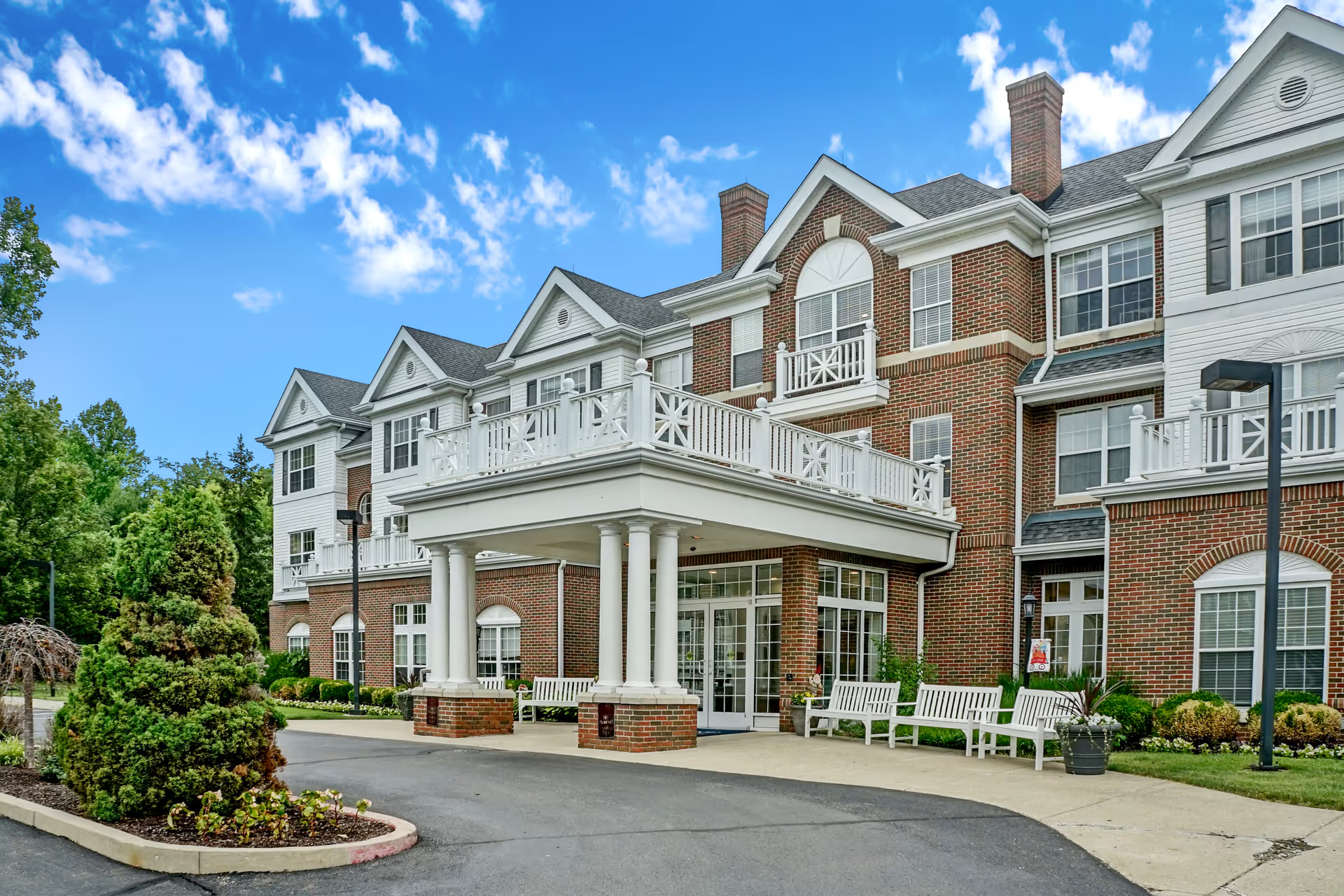
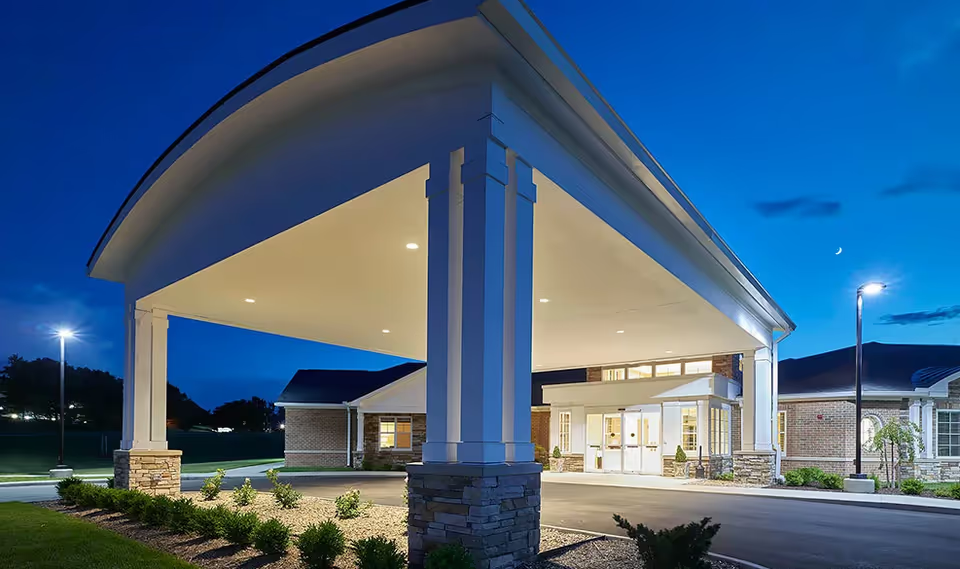
Dining and facilities present a mixed picture. Several families and residents praise the food and note adequate portions, while others report small portions, inconsistent cooking, or limited healthy options. The physical plant is described as uneven: some rooms and recently updated units are appreciated, but semi‑private rooms are frequently called “cramped” and the building overall is characterized as under‑maintained in places, with concerns about equipment availability and routine repairs.
Communication and leadership stability are additional areas of variability. Positive interactions with administration and accommodating staff are noted, yet other accounts describe insensitive communication, lost personal property, and instances that prompted external involvement by protective services or regulators. Where leadership and staffing are stable, families report better outcomes and satisfaction; where they are not, families report significant care lapses.
In summary, Wilmington demonstrates clear strengths as a rehabilitation provider with caring frontline staff and effective therapy services. Prospective residents and families should weigh those strengths against documented operational weaknesses — particularly staffing reliability, medication-management practices, and facility upkeep — and consider asking targeted questions about night staffing levels, call‑system reliability, fall‑prevention protocols, medication administration policies, and recent regulatory or management changes during tours or admissions discussions.