Overall impression: Reviews reflect a mix of strong clinical and interpersonal strengths alongside persistent operational weaknesses. Many families praised the clinical care team—particularly nursing, hospice coordination, and the rehabilitative therapy program—while other feedback highlights variability in day-to-day operations such as staffing, cleanliness, and maintenance.
Care quality: Clinical care elements received consistent positive comments. Families described timely pain-management in coordination with hospice, routine pressure-area prevention practices, and an effective physical-therapy/rehabilitation program. At the same time, there are repeated notes about uneven on-floor care: delays in responding to needs, inconsistent rounding, and occasional failures in callback or follow-up communication that affect perceptions of reliability.
Staff and management: Staff are frequently characterized as caring, welcoming, and skilled; several notes highlight nurses and aides who go beyond basic duties and an administrator who is visibly engaged with residents and families. However, reviewers also described variability in individual caregiver conduct and performance. Understaffing is cited as a contributing factor to inconsistent responsiveness and occasional lapses in routine care. Some families also described friction or difficulty with referral and intake processes.
Dining and activities: Dining received generally favorable mentions, with comments about above-average food and productive mealtimes. Social programming and peer connections are strengths for many residents: reviewers noted a family-like atmosphere, social engagement, and successful transitions that supported residents’ well-being.
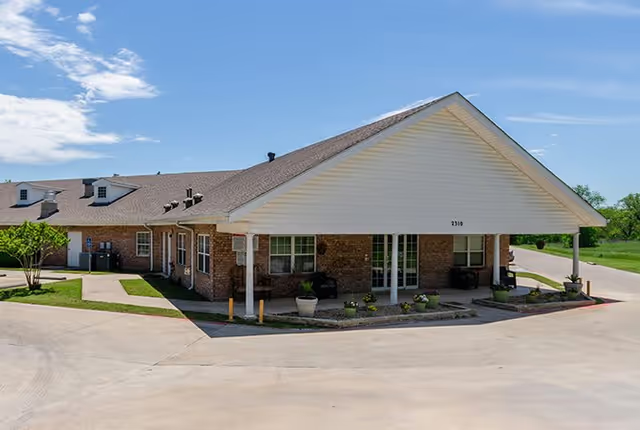
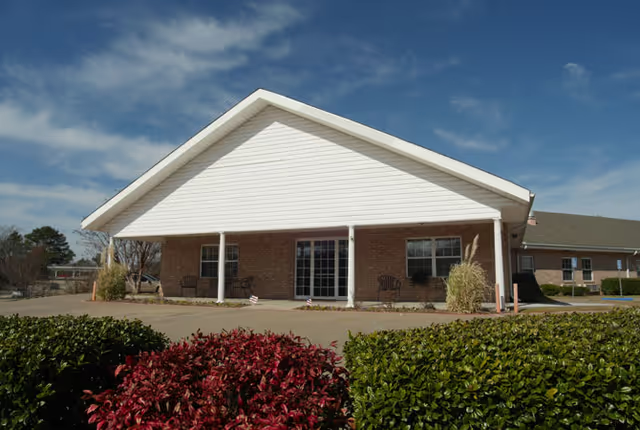
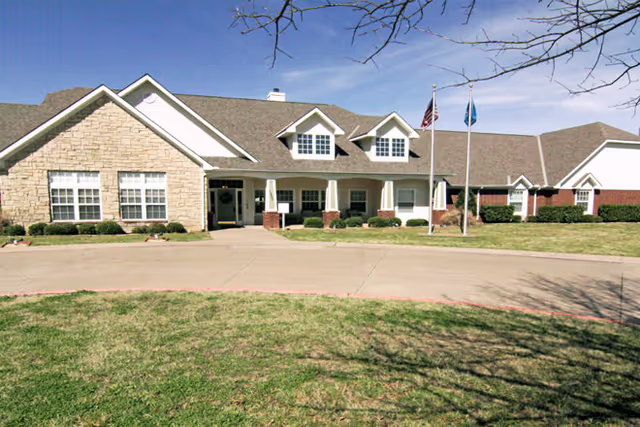
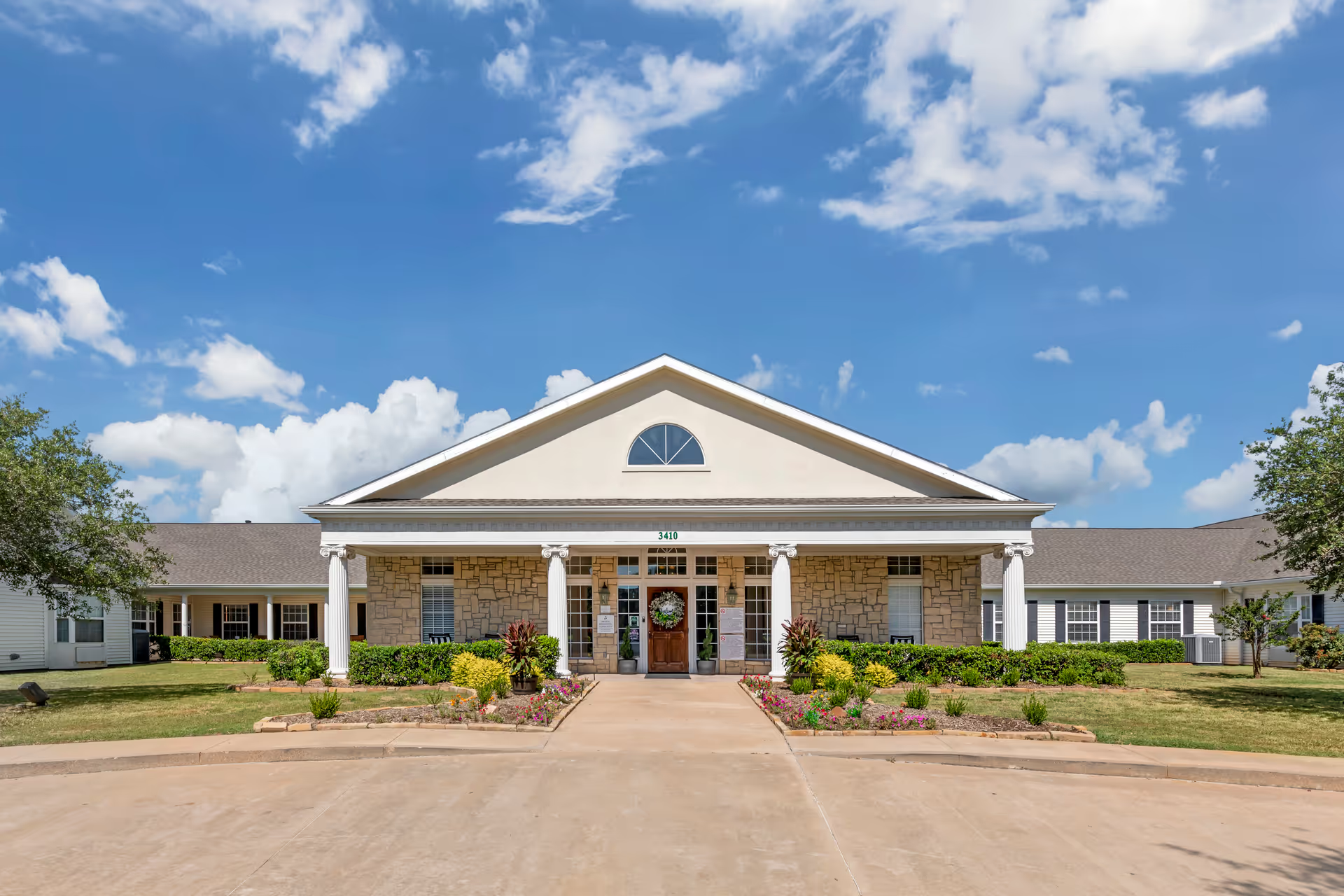
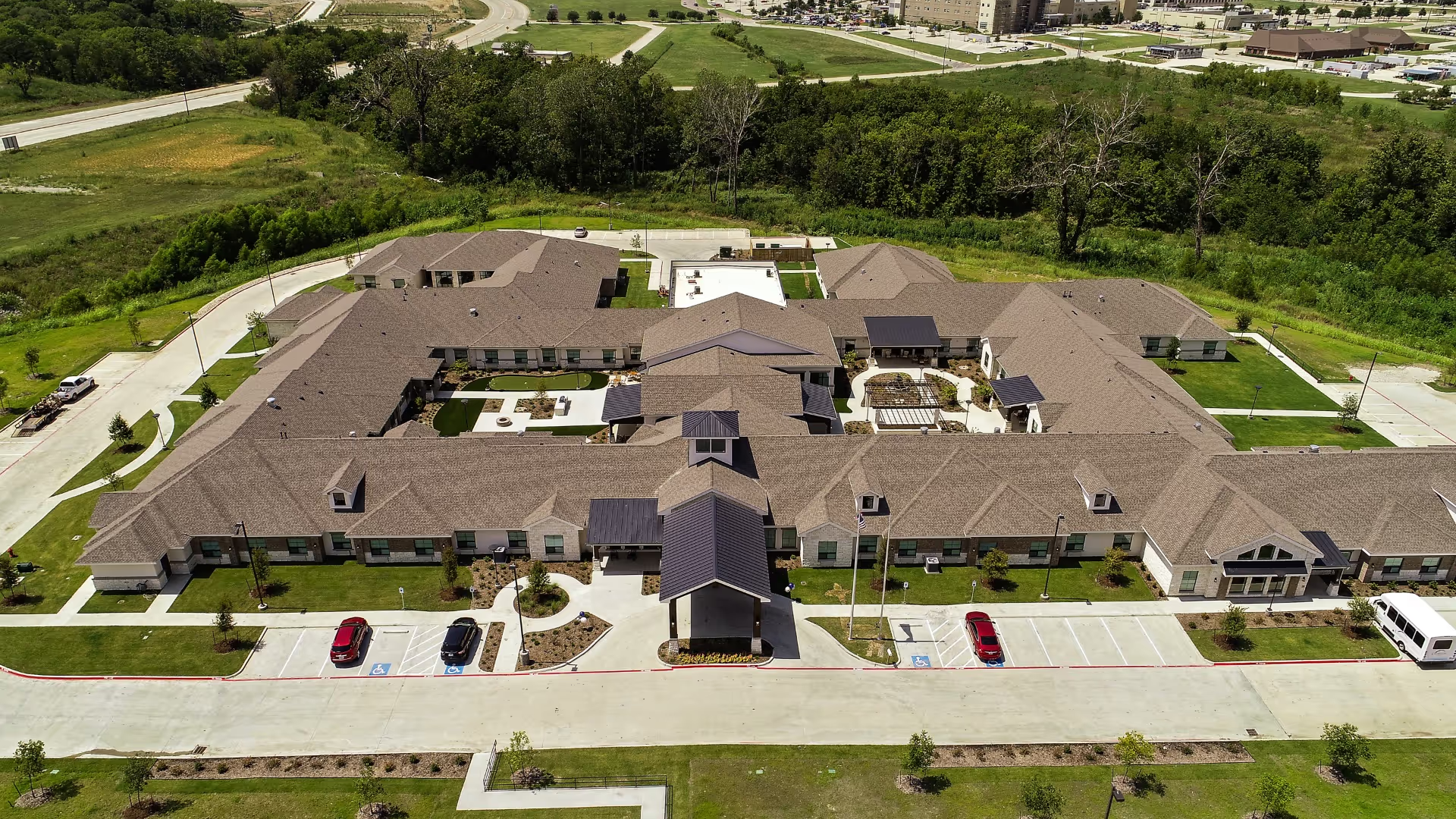
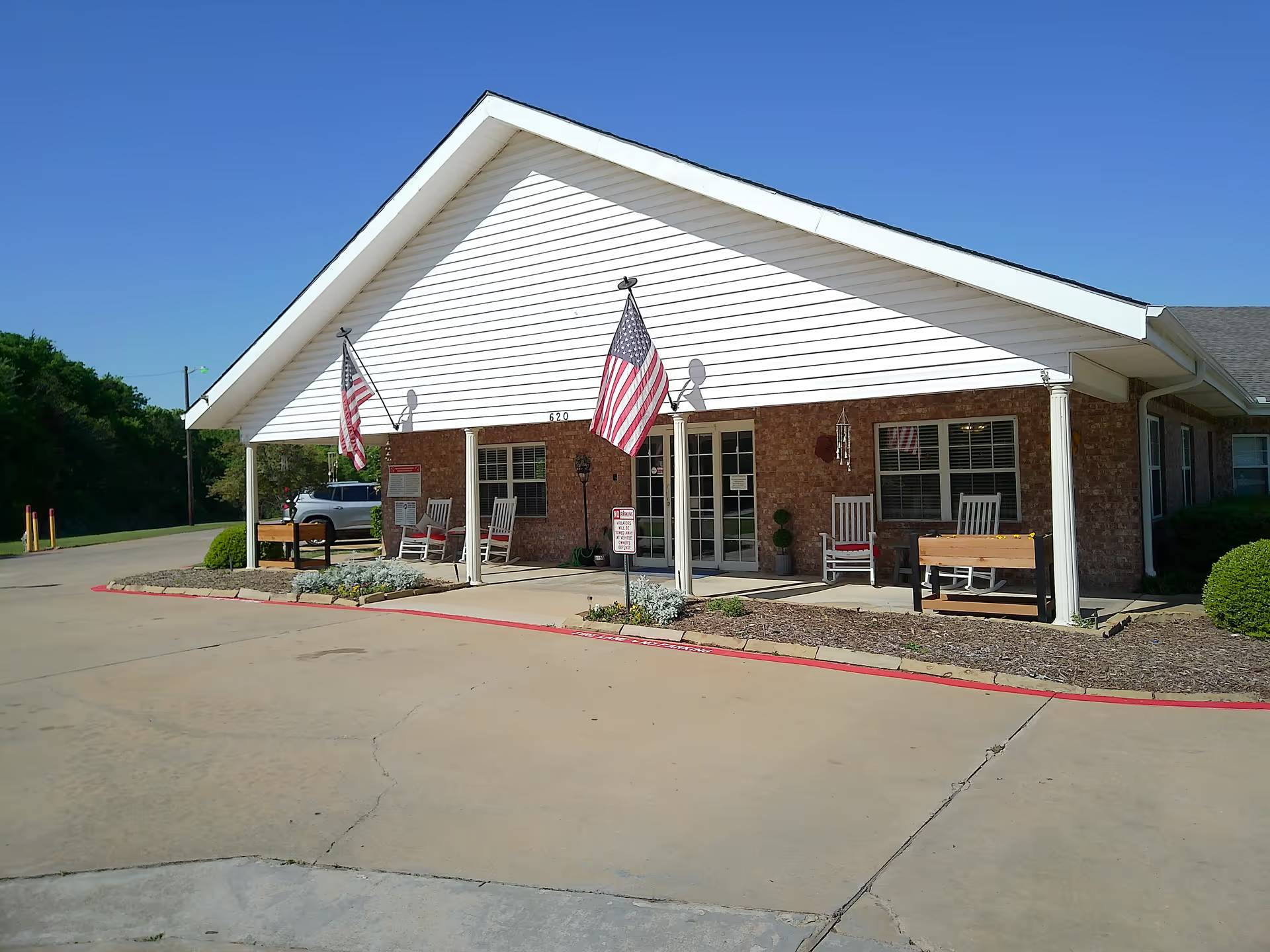
Facilities and cleanliness: Physical-condition concerns are prominent. Reviewers described an aging exterior and interior, visible wear, and uneven housekeeping standards. Specific operational sanitation issues include odor concerns in rooms and common areas and instances of equipment or room cleanliness that did not meet expectations. Room layout is another practical constraint: some rooms are small and share bathrooms, which may limit privacy and storage for personal items.
Notable patterns and guidance: The dominant pattern is variability—strong clinical and therapy services coexist with recurring operational issues (staffing consistency, maintenance, sanitation, and property management). Prospective residents and families should plan an in-person visit that includes observing a mealtime, speaking with the therapy team, asking about staffing ratios and shift coverage, reviewing laundry/property policies, and discussing cleaning and infection‑control protocols. Confirming administrator engagement and clarifying the referral/intake workflow can help set expectations and identify whether the facility’s strengths align with the resident’s priorities.