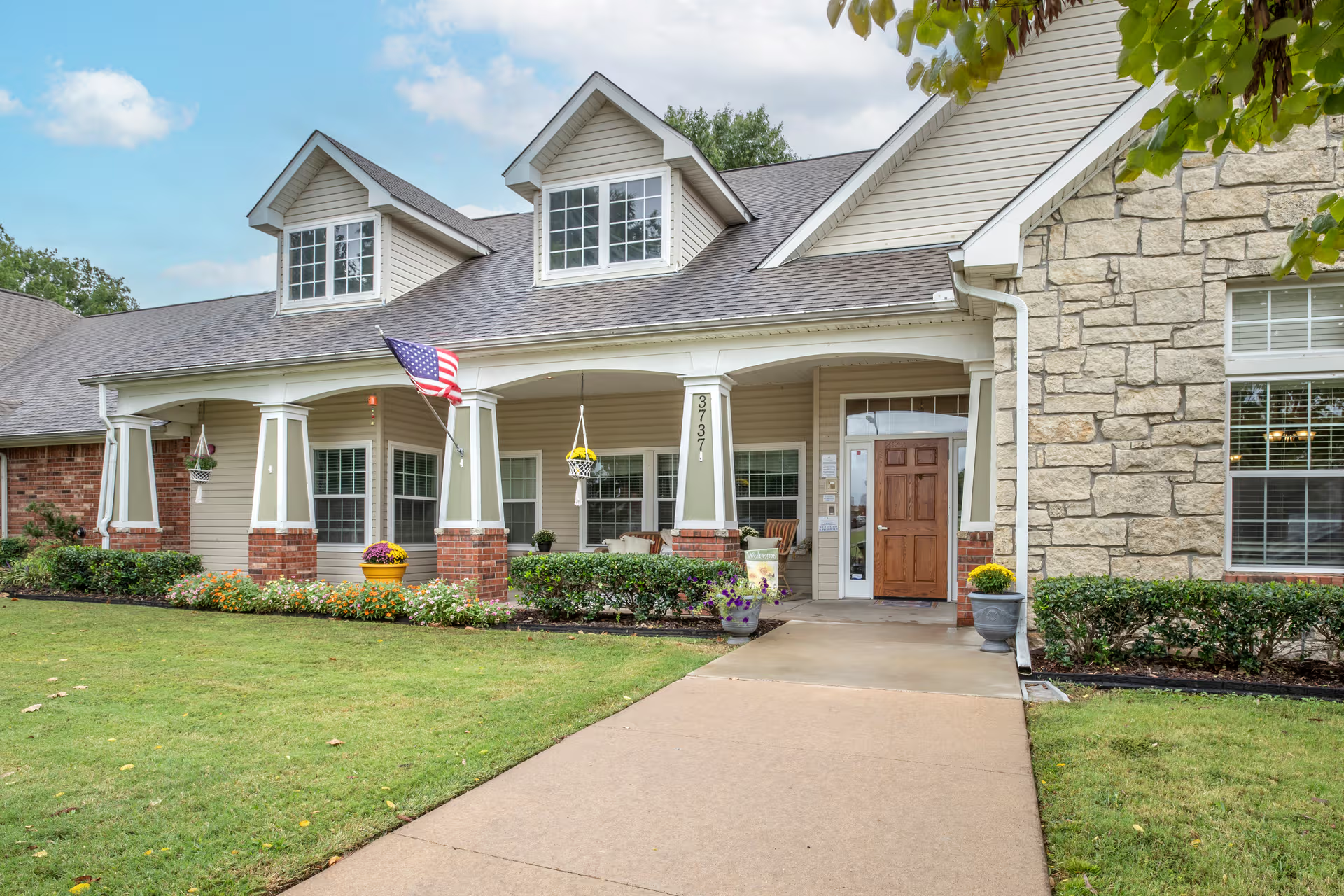
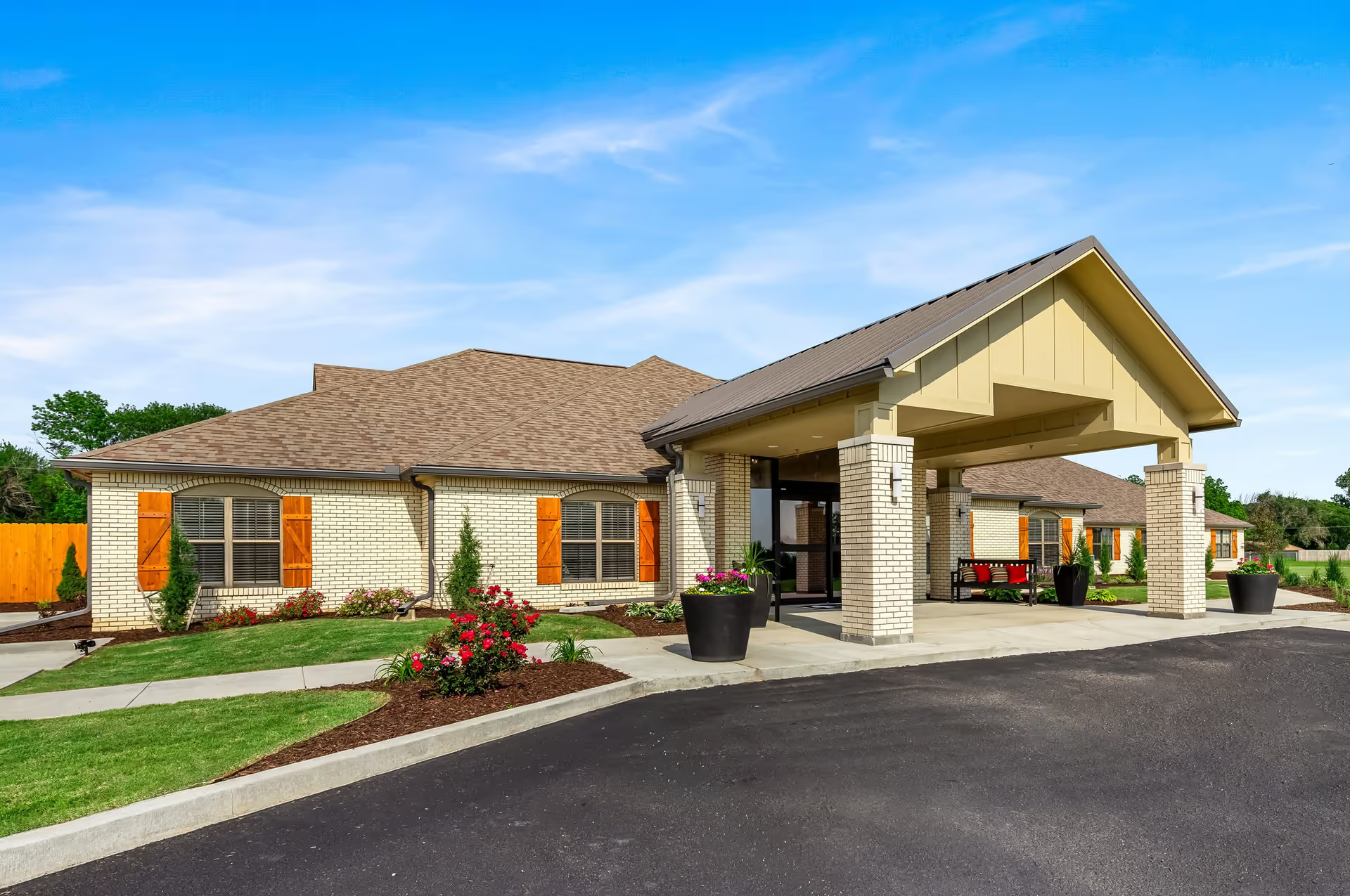
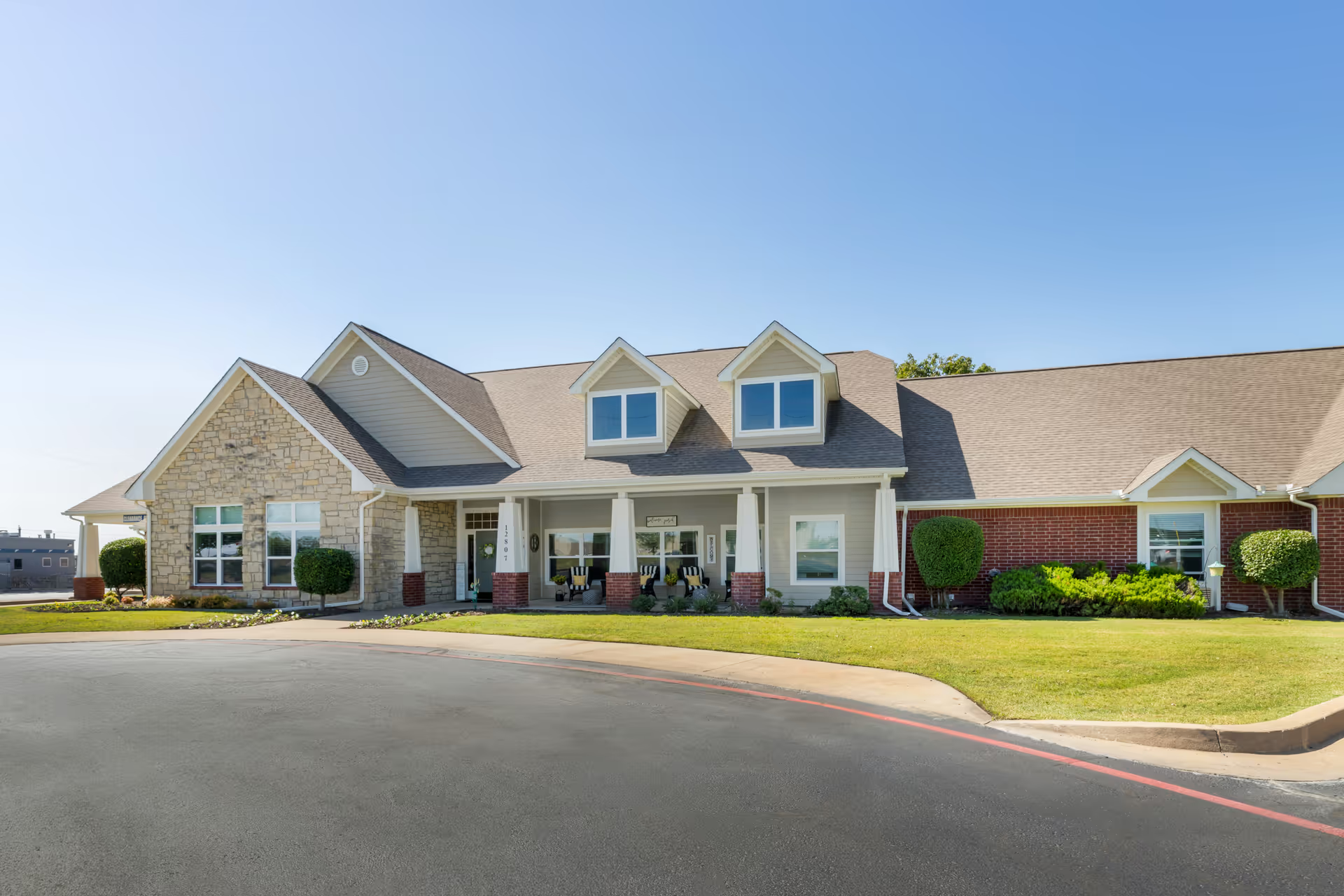
Overall impressions are mixed: many reviewers praise the facility’s warm, resident-focused culture, attractive architecture, and a robust set of amenities, while others raise operational concerns that affect day-to-day experience. The facility consistently receives positive comments about staff interactions—employees are frequently described as caring, personable, and familiar with residents’ individual preferences. Reviewers specifically noted compassionate assistance during medical events and pandemic periods, attentive move-in support, and staff who contribute to a neighborhood-type, home-like atmosphere.
Dining is often highlighted as a strength: several accounts describe restaurant-style dining with tablecloths, cloth napkins, and meals that many residents enjoy. At the same time, there is a pattern of inconsistency in meal delivery and variety—examples include slow or cold service, limited menu rotation, and occasional missed snack service. Prospective families should ask about current kitchen leadership, menu rotation, and contingency plans for service continuity.
Activities and social life are a clear asset for many residents. The activity program offers frequent themed events, parties, exercise and balance classes, and outings; reviewers mention inclusive programming and an engaged activity director. However, some residents find the activities insufficiently diverse or age-appropriate, and pandemic-related restrictions have intermittently reduced offerings and transportation frequency. Confirming the active calendar and transportation schedule during a tour would be prudent.
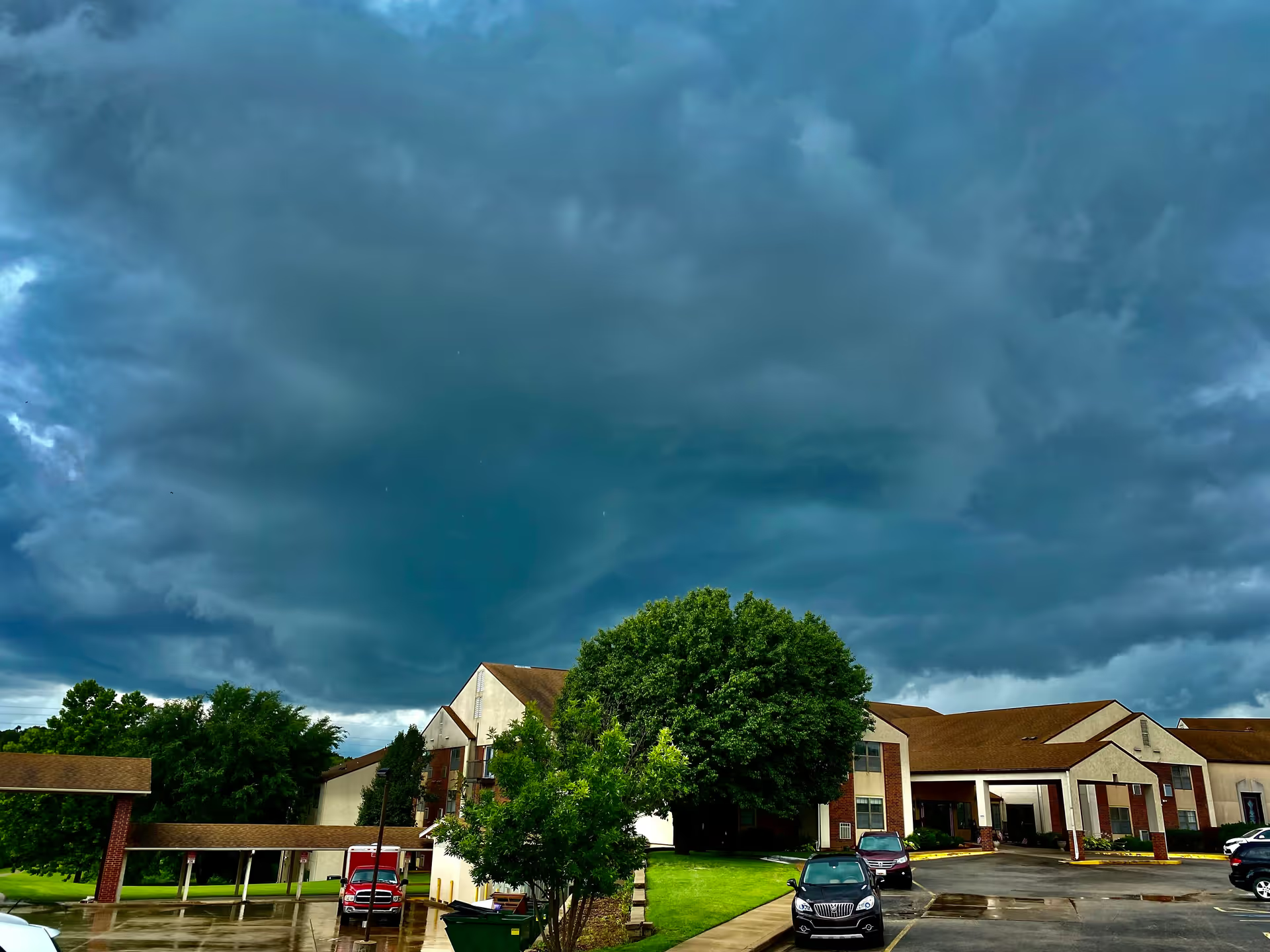
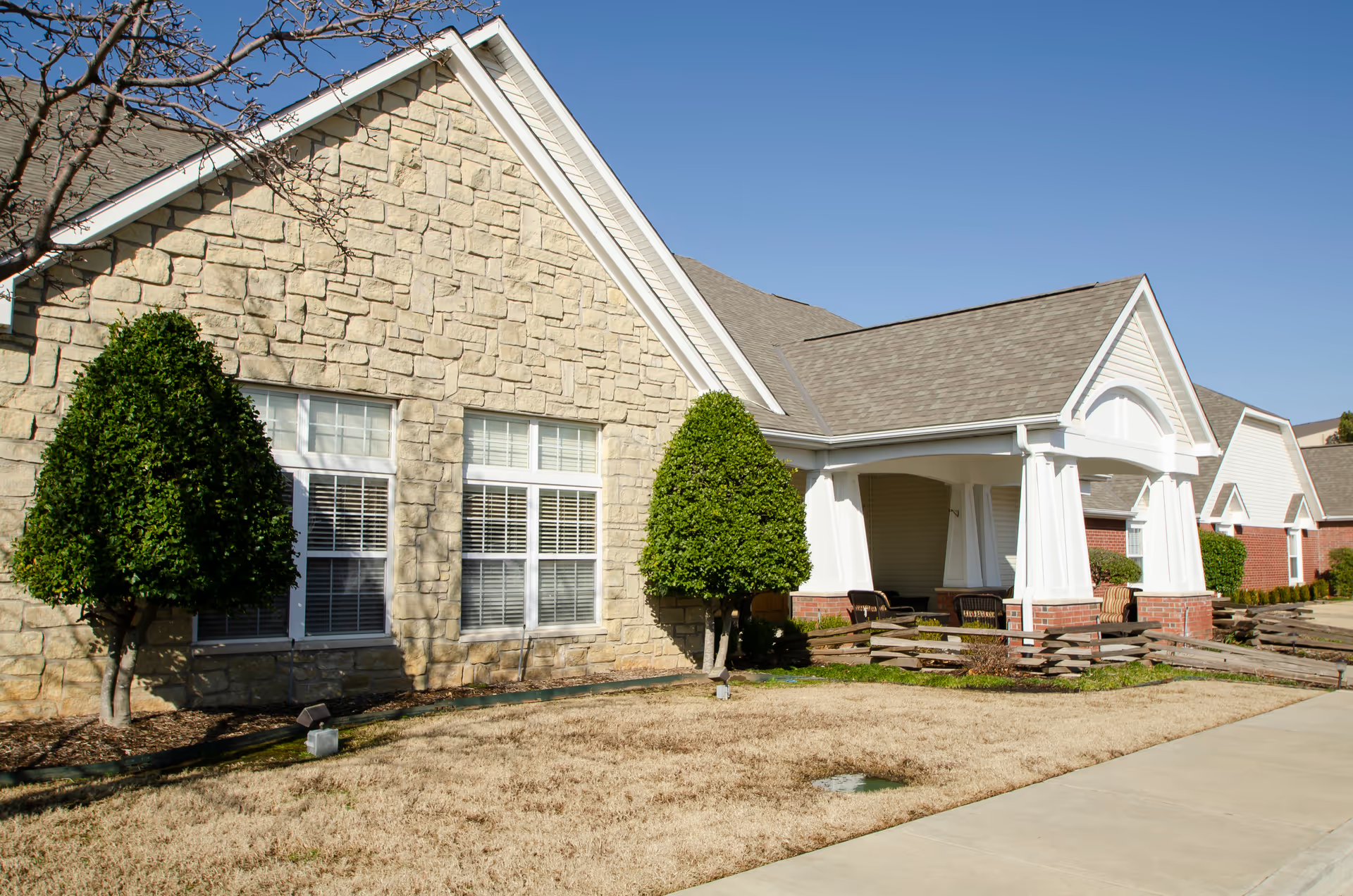
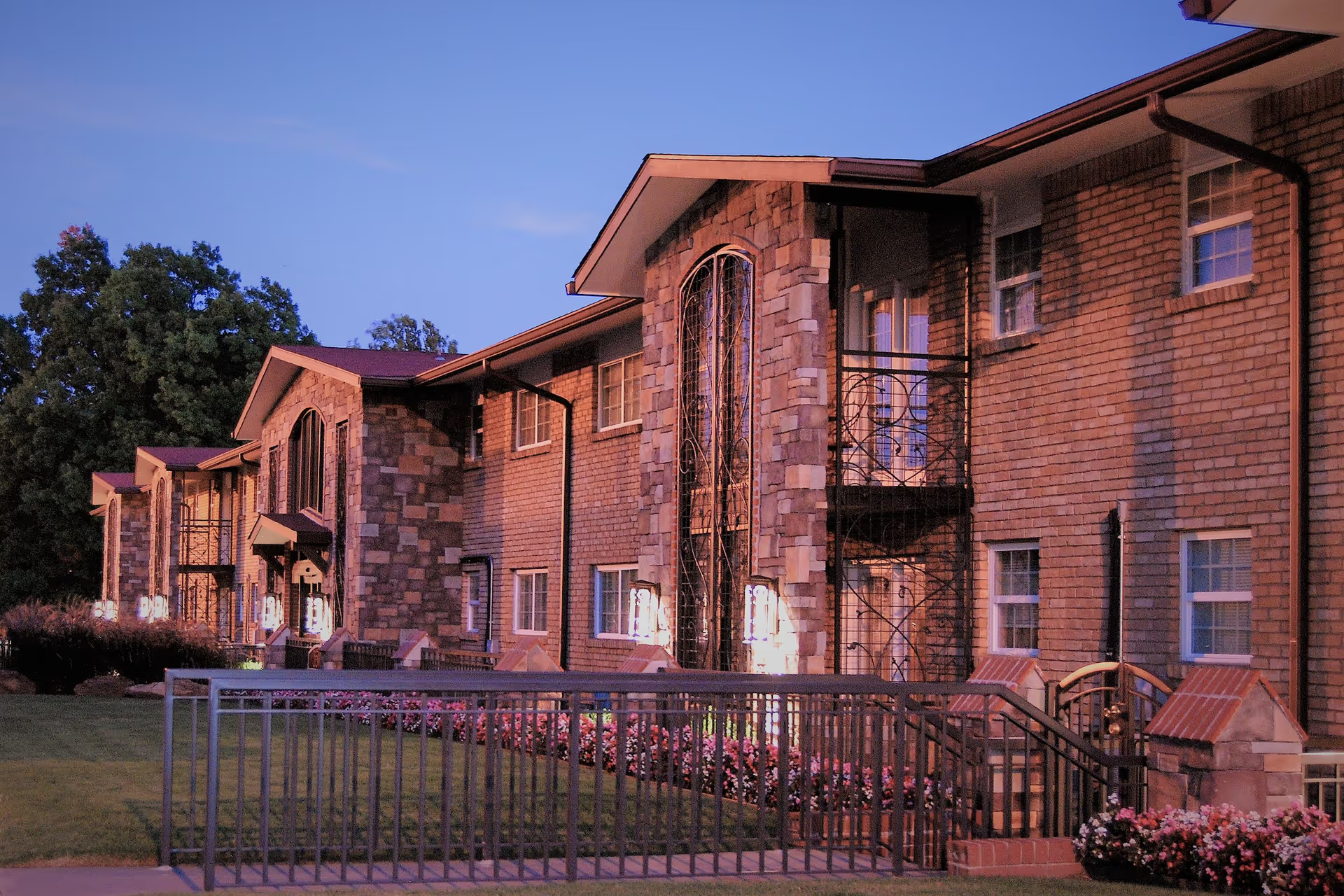
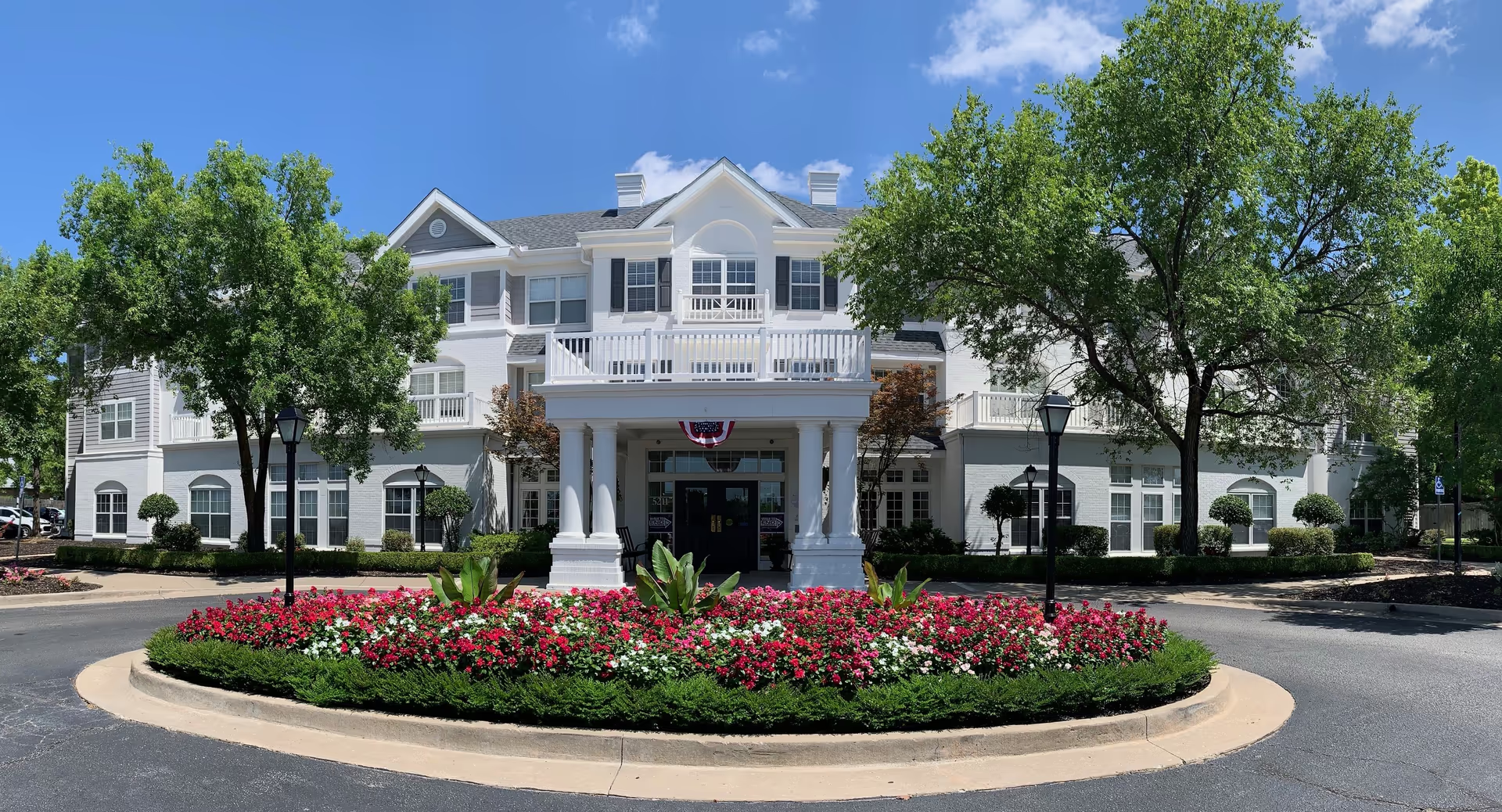
Facility condition is described in two directions: multiple reviewers praise recent renovations, bright common spaces, clean units, and thoughtful décor, while others report cleanliness inconsistencies in certain shared spaces, window and exterior maintenance needs, and occasional pest-control concerns. Infrastructure reliability items such as elevator downtime, temperature issues in stairwells, and delayed repairs were noted; these indicate variability in facility maintenance responsiveness.
Management and operations are the most mixed area. Reviewers describe inconsistent leadership, frequent managerial turnover, and staffing shortages that appear to affect housekeeping, maintenance, and overall service consistency. Communication gaps are a recurring theme—examples include unclear billing practices, late fees, and inadequate family communication following clinical incidents. There are also mentions of inconsistent enforcement of safety policies and some privacy-practice concerns. These are operational traits that can influence the resident experience even when day-to-day caregiving staff are strong.
What stands out is a contrast: strong front-line caregiving and many attractive programmatic and physical features versus intermittent operational and management weaknesses. For prospective residents and families, recommended due diligence includes in-person tours to assess current staffing levels, inspection of housekeeping schedules and recent maintenance work orders, a discussion of billing and late-fee policies, confirmation of pest-control protocols, and a review of the current activity calendar and transportation availability. This will help determine whether the facility’s strengths align with individual needs and expectations, and whether operational gaps have been addressed.