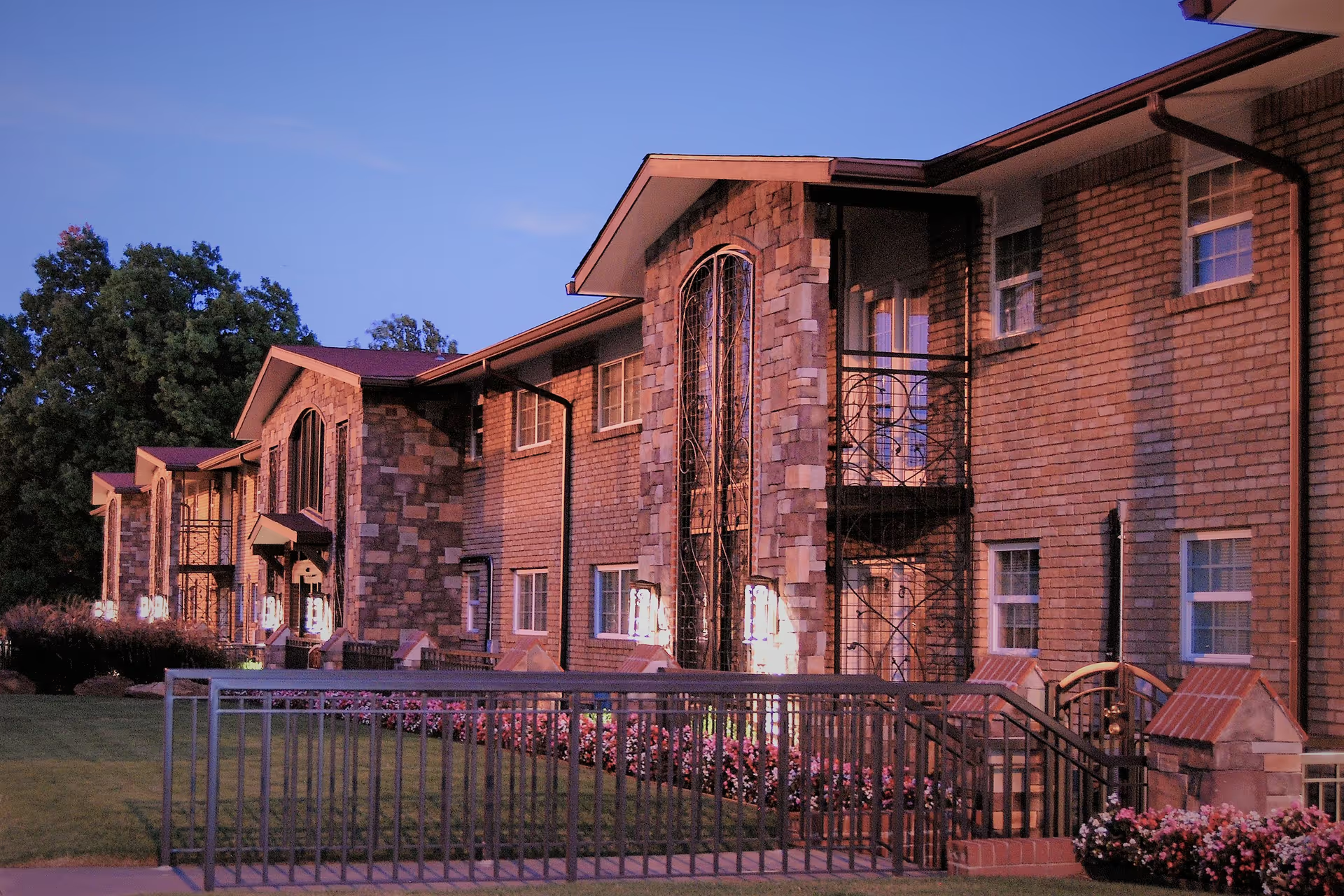
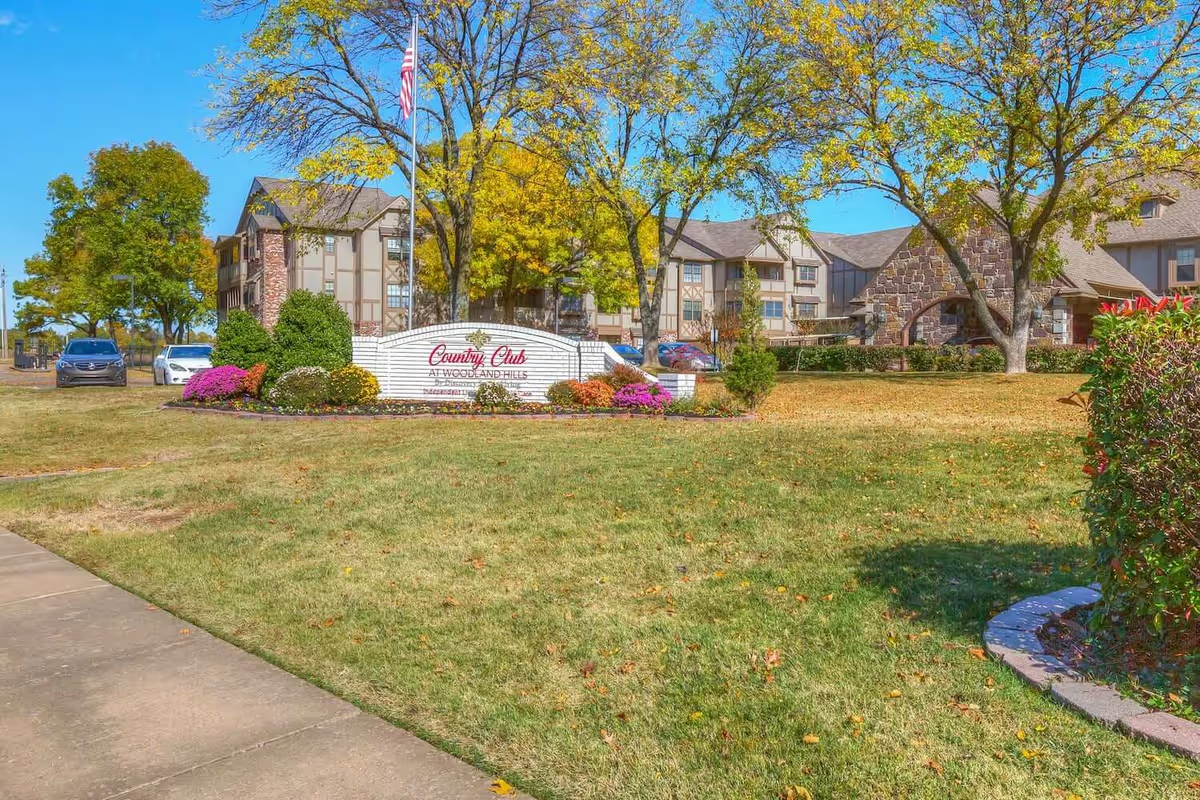
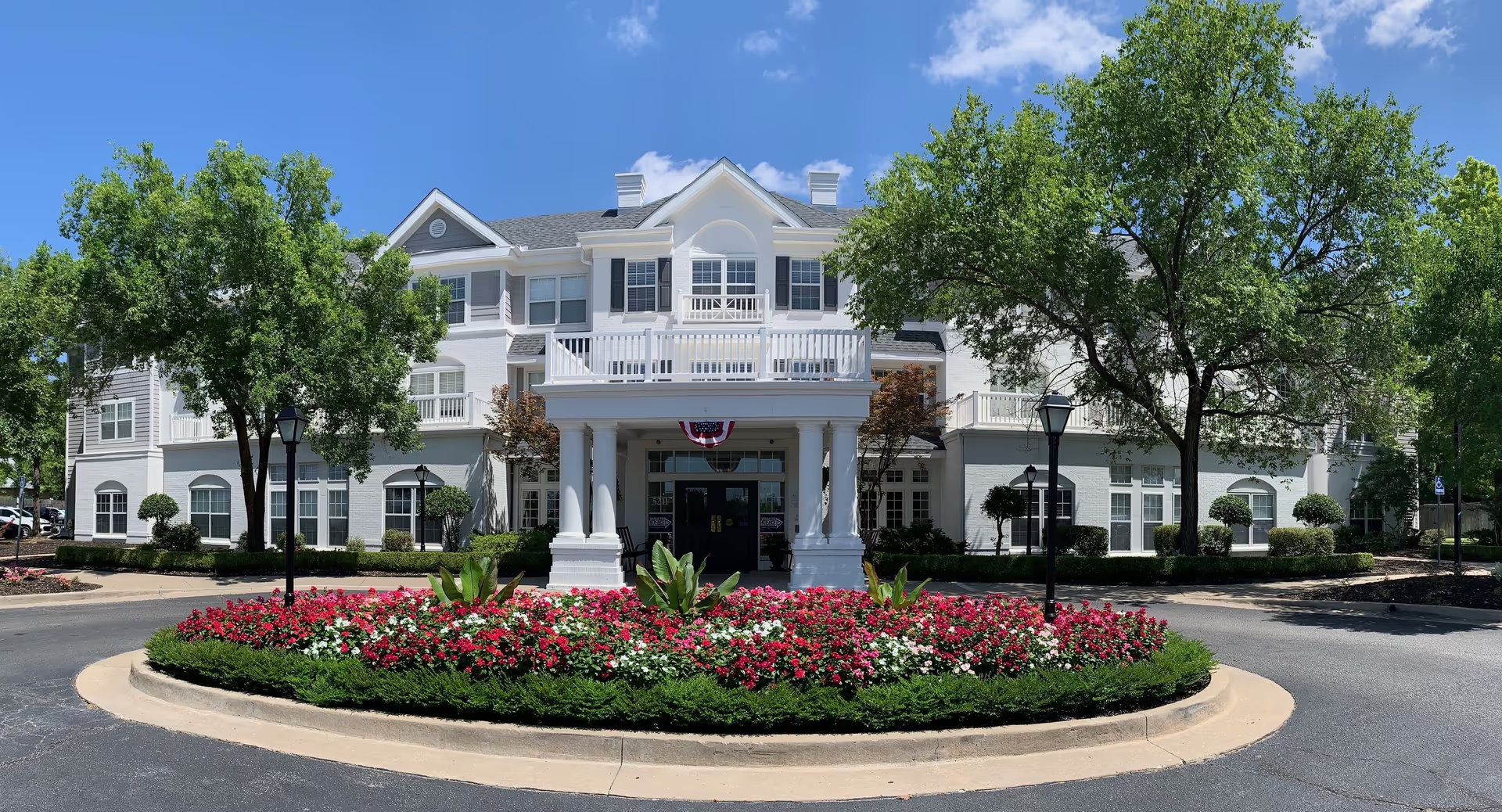
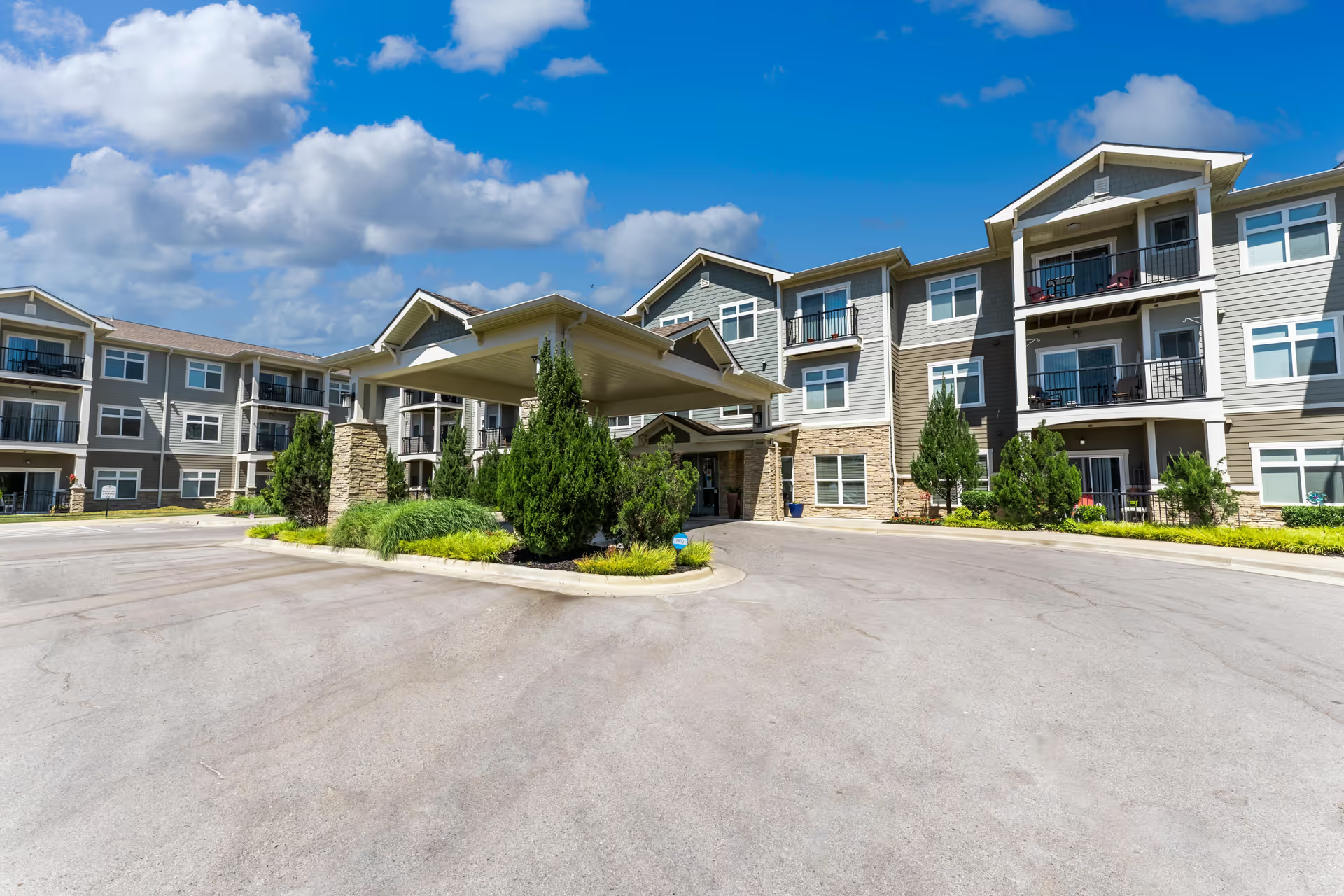
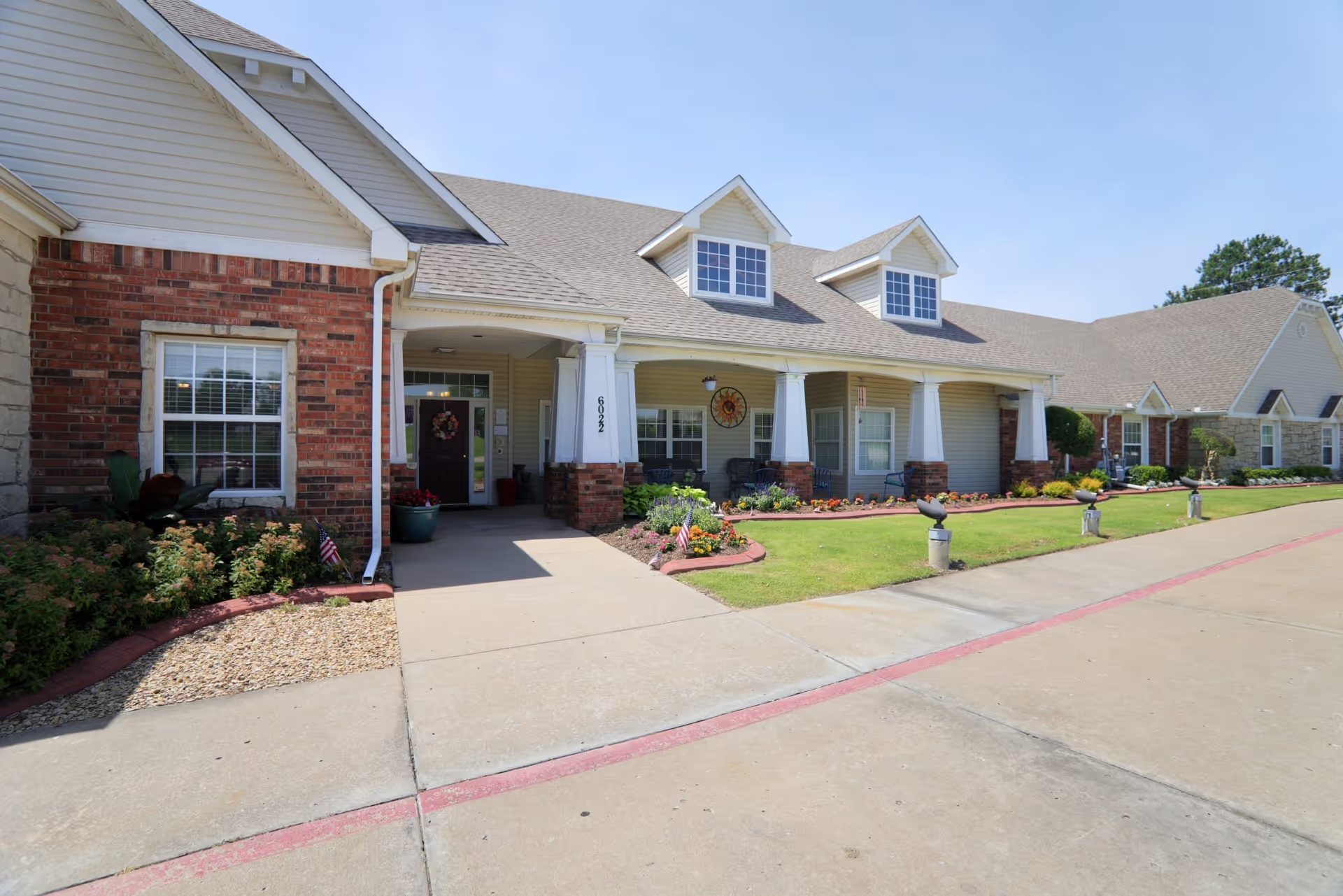
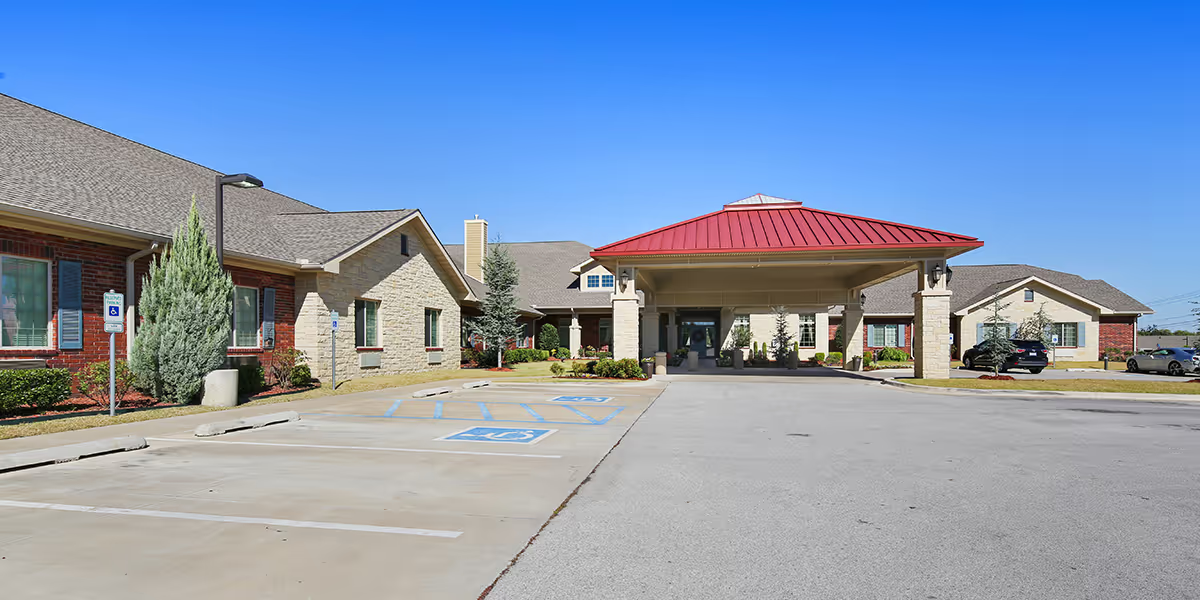
Brookdale Owasso is routinely described as a small, well-kept assisted living community with a home-like feel. Families and residents commonly praise the facility’s cleanliness, single-story accessible layout, enclosed outdoor spaces, and the overall upkeep of both interior and grounds. The community’s size appears to foster personalized relationships: staff are frequently characterized as compassionate, attentive, and familiar with residents by name, and families note strong hospice coordination and responsive points of contact for clinical questions.
Activities and social life are recurring strengths. Reviewers describe a broad program of activities — from exercise classes, bingo, and crafts to outings (zoos, restaurants, botanical gardens) and evening entertainment — along with social dining and communal spaces that support engagement. On-site therapy and nursing support are available, and several accounts mention positive rehabilitation and nursing interactions. Dining receives generally positive remarks for appetizing menus and meal presentation, though specific critiques about bland preparation and occasional nutritional gaps are also present.
At the same time, patterns across reviews indicate operational weaknesses to consider. Staffing levels and continuity have been a concern at times; understaffing and variability in responsiveness and medication handling were cited as affecting care continuity. Some families reported sanitation-related concerns around food handling and occasional inconsistencies in meal quality. Privacy and monitoring practices — including the presence of in-room cameras or frequent checks — have raised questions for some families about the balance between supervision and resident privacy. The facility also enforces secured entry for memory-care areas and restricts unescorted outdoor access, which families should factor into independence expectations.
Management, admissions, and billing practices are other areas of mixed feedback. Several reviewers described communication gaps around admissions, return-from-hospital policies, and fee transparency — including extra monthly surcharges and increases — which contributed to frustration. A few reviewers referenced restrictive admission or re-admission policies tied to infection-control periods. Occupancy can be high and availability limited, reflecting the facility’s small size; apartment units are generally described as clean and private but on the compact side (approximately 400–450 sq ft), which may be an important consideration for prospective residents who need more living or storage space. There are also remarks about a lack of a clearly separated memory-care unit, meaning residents with cognitive impairment may be integrated with the general population.
Overall, Brookdale Owasso presents as a clean, well-organized, community-oriented option with many strengths in staff engagement, activities, and facility maintenance. Prospective residents and families should weigh those strengths against reported operational issues — particularly staffing consistency, clinical responsiveness, privacy preferences, fee transparency, and unit size — and seek direct clarification from the facility about current staffing levels, medication protocols, monitoring practices, and detailed fee schedules before making a placement decision.