Care quality: Reviews present a mixed picture of clinical and personal care. Many comments highlight staff who are caring, patient with residents living with dementia, and attentive to day-to-day needs. At the same time, there are specific concerns about timeliness and consistency of personal-care tasks, including incontinence-care lapses and hygiene-related issues. These concerns appear practice-level rather than solely isolated events and may affect the perceived reliability of routine care for some residents.
Staff and management: Staff are frequently described as kind and compassionate, and frontline caregivers receive praise for their interpersonal approach. However, several reviews raise concerns about workplace culture, supervisory conflict, and antagonistic interactions among staff and managers. High turnover, low pay, and gaps in training are cited as contributory factors that can undermine morale and continuity of care. There is also mention of uneven overnight leadership and variable responsiveness during night shifts, which may influence families’ impressions of consistency across 24-hour care.
Dining and activities: Reviews did not provide substantive, consistent information about dining quality or organized activities. Prospective families should request current menus, sample meal observations, and a schedule of activities to assess whether dining and engagement opportunities meet their expectations.
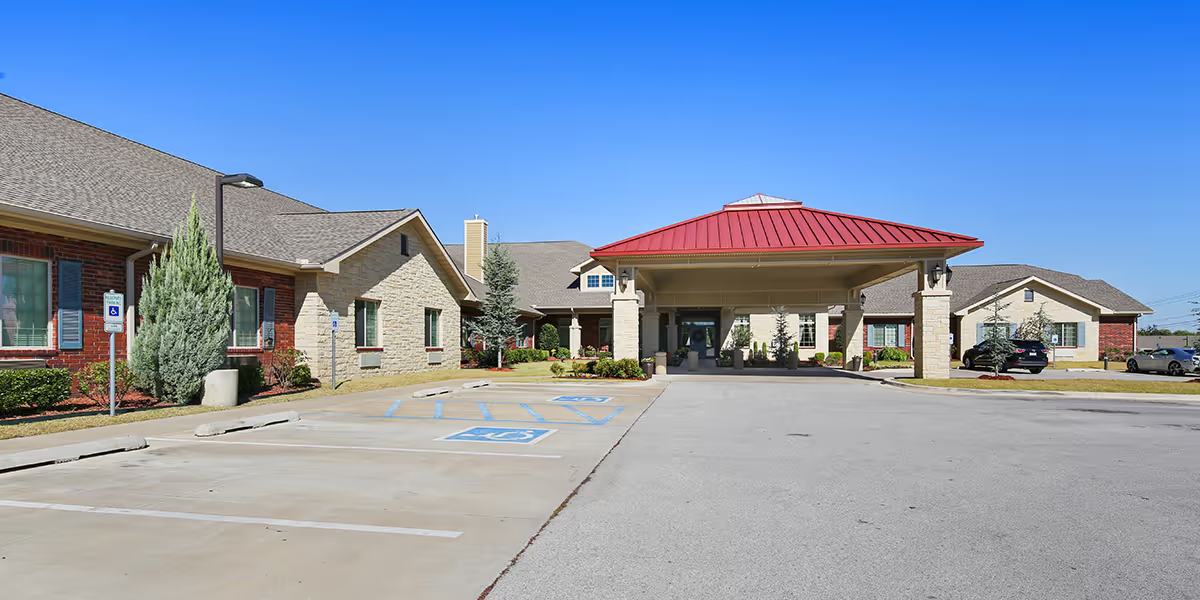
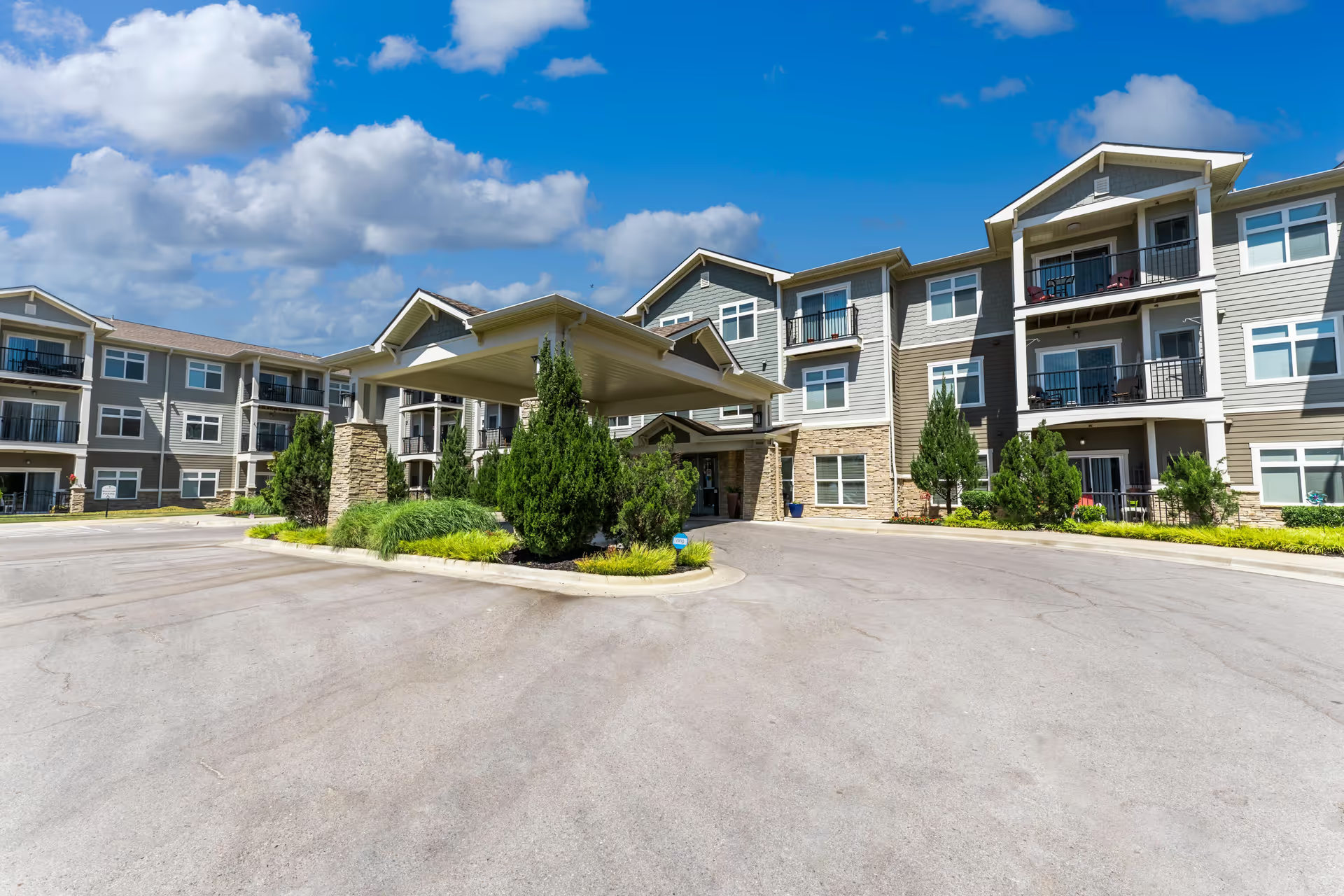
Facilities: The physical environment is described positively overall: reviewers note that the facility is clean, well-maintained, and undergoing renovations. This suggests an investment in the building and common spaces. That said, the sanitation-related concerns tied to personal-care processes indicate a distinction between general facility cleanliness and the execution of hands-on hygiene tasks.
Notable patterns and recommendations: The dominant pattern is a contrast between compassionate direct-care staff and systemic staffing/management challenges. Positive caregiver behaviors and a clean, improving facility coexist with operational weaknesses—chiefly workplace culture, staff turnover, training shortfalls, and inconsistent personal-care protocols. These factors are likely to influence care consistency. Prospective residents and families would benefit from asking management about staff turnover rates, training programs for personal-care and incontinence management, overnight staffing models, staff compensation/retention measures, and specific protocols used to ensure timely personal care. Observing staff–resident interactions in person and requesting recent inspection or quality reports can help clarify whether the facility’s strengths are sustained and whether operational concerns have been addressed.