Overall impression: Feedback on River Valley Skilled Nursing and Therapy is mixed, with a substantial number of commenters praising the professionalism and empathy of direct-care staff and therapy clinicians, while other accounts highlight operational and communication weaknesses. The summaries show clear strengths in individualized caregiving and rehabilitation outcomes alongside recurring concerns about consistency of day-to-day operations and family communication.
Care quality and clinical services: Many families and patients praised the therapy department and several nursing leaders for clinical knowledge, empathy, and positive rehabilitation results following surgery or acute events. These strengths appear to be driven by committed therapists and certain nursing staff who provide hands-on, attentive care. However, multiple reviews raise facility-level concerns such as delays in attending to basic care needs, medication-administration gaps, and gaps in escalation/response when clinical problems arise. Those operational weaknesses suggest variability in clinical reliability that prospective families should evaluate directly.
Staff and culture: Reviewers frequently named and applauded individual staff members and leaders—nursing supervisors, assistant directors of nursing, case managers, and specific caregivers—citing compassion, teamwork, and effective communication by those individuals. At the same time, comments also describe inconsistent staff behavior, including abrupt or unhelpful communication tone, uneven responsiveness to family inquiries, and variable enforcement of rules. This indicates a staff culture with notable strong performers but uneven experience depending on personnel and shift coverage.
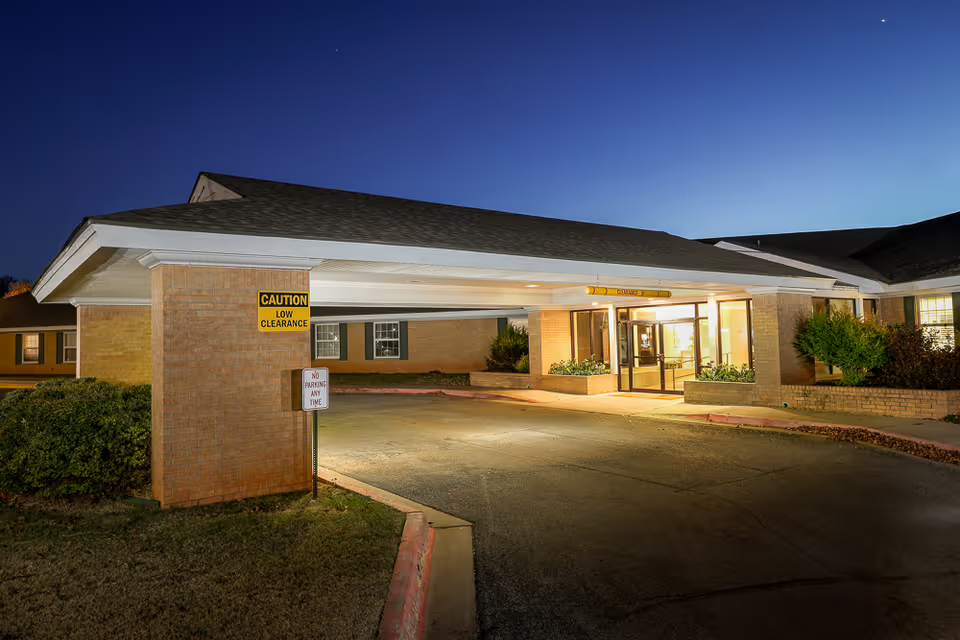
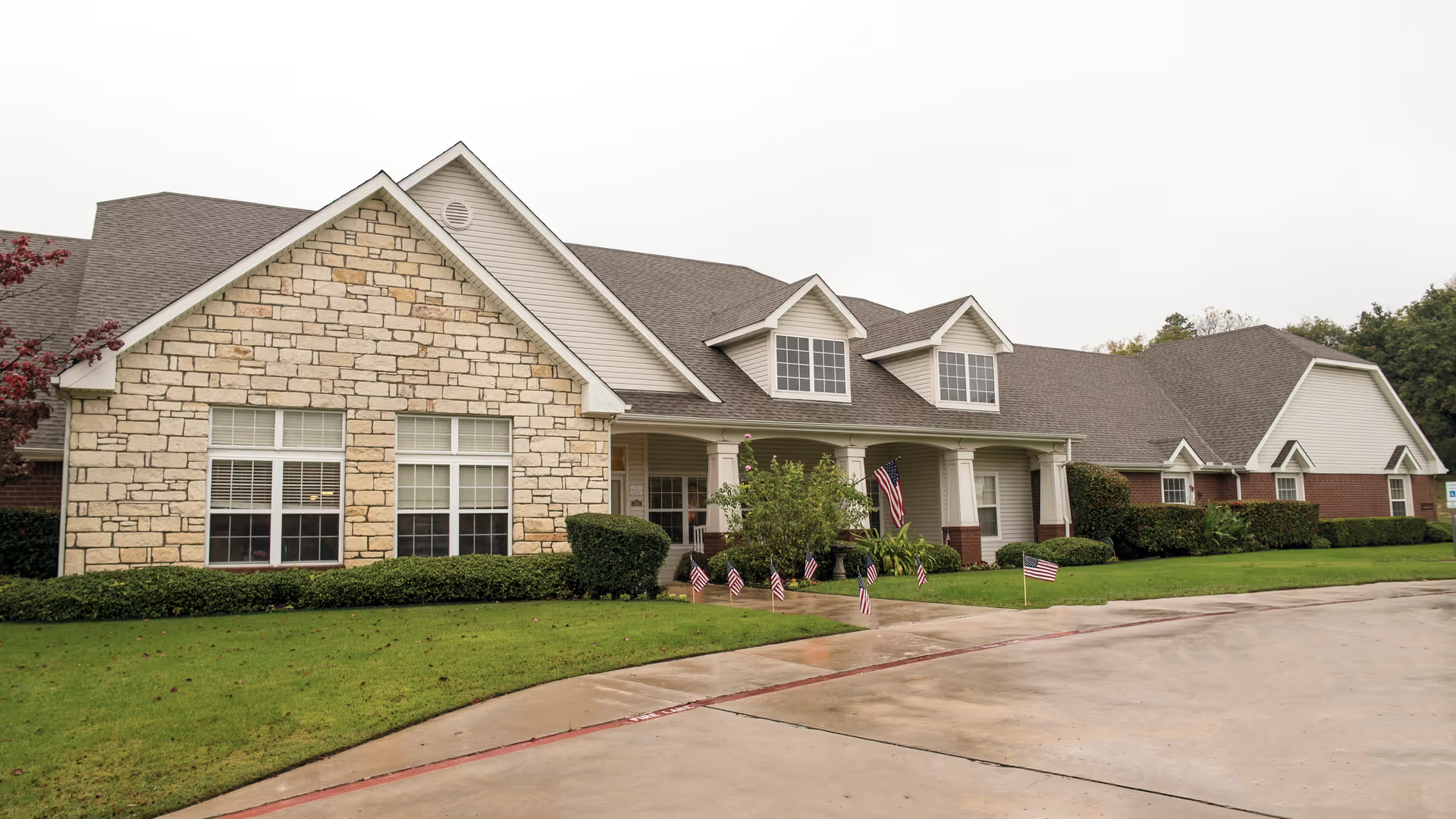
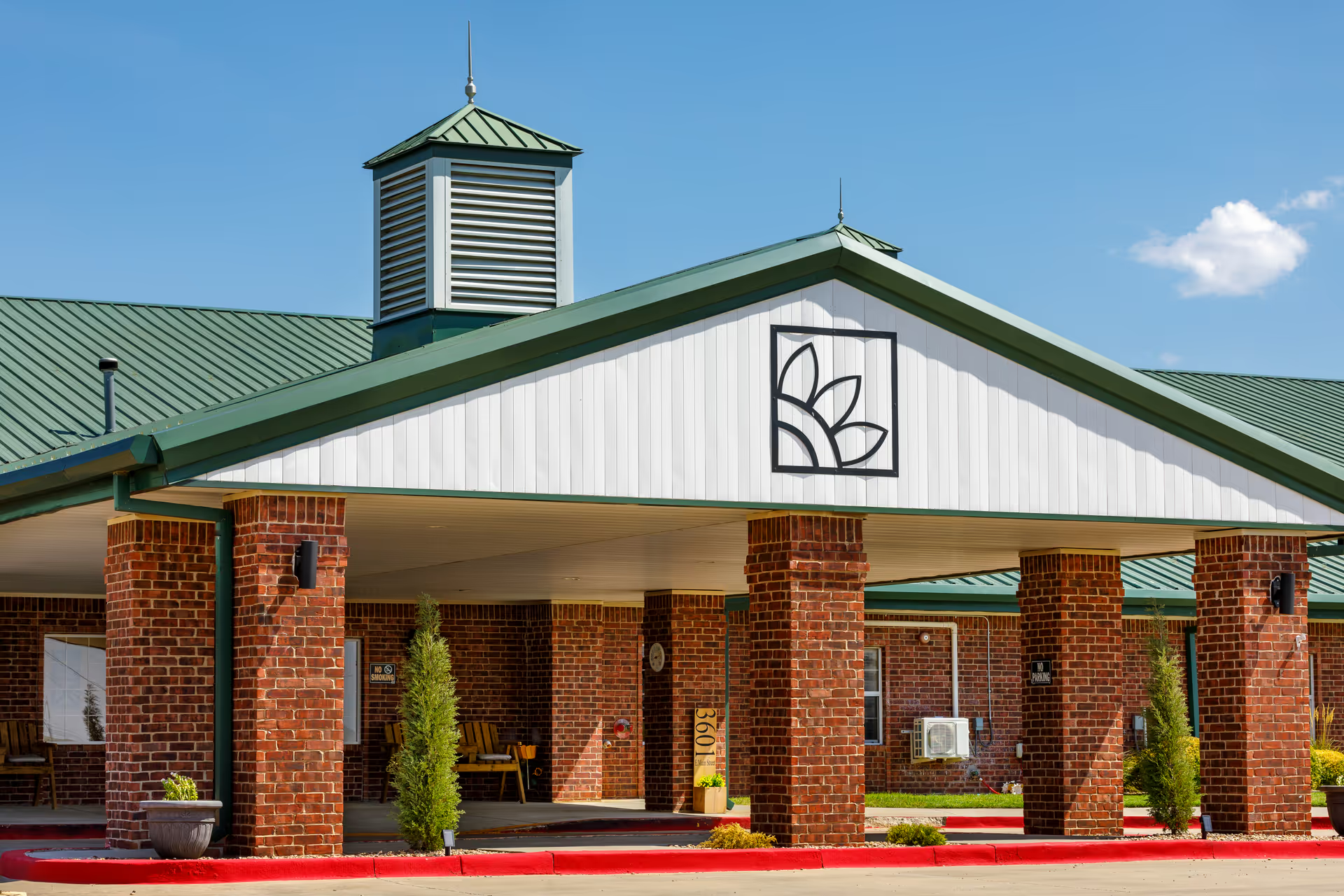
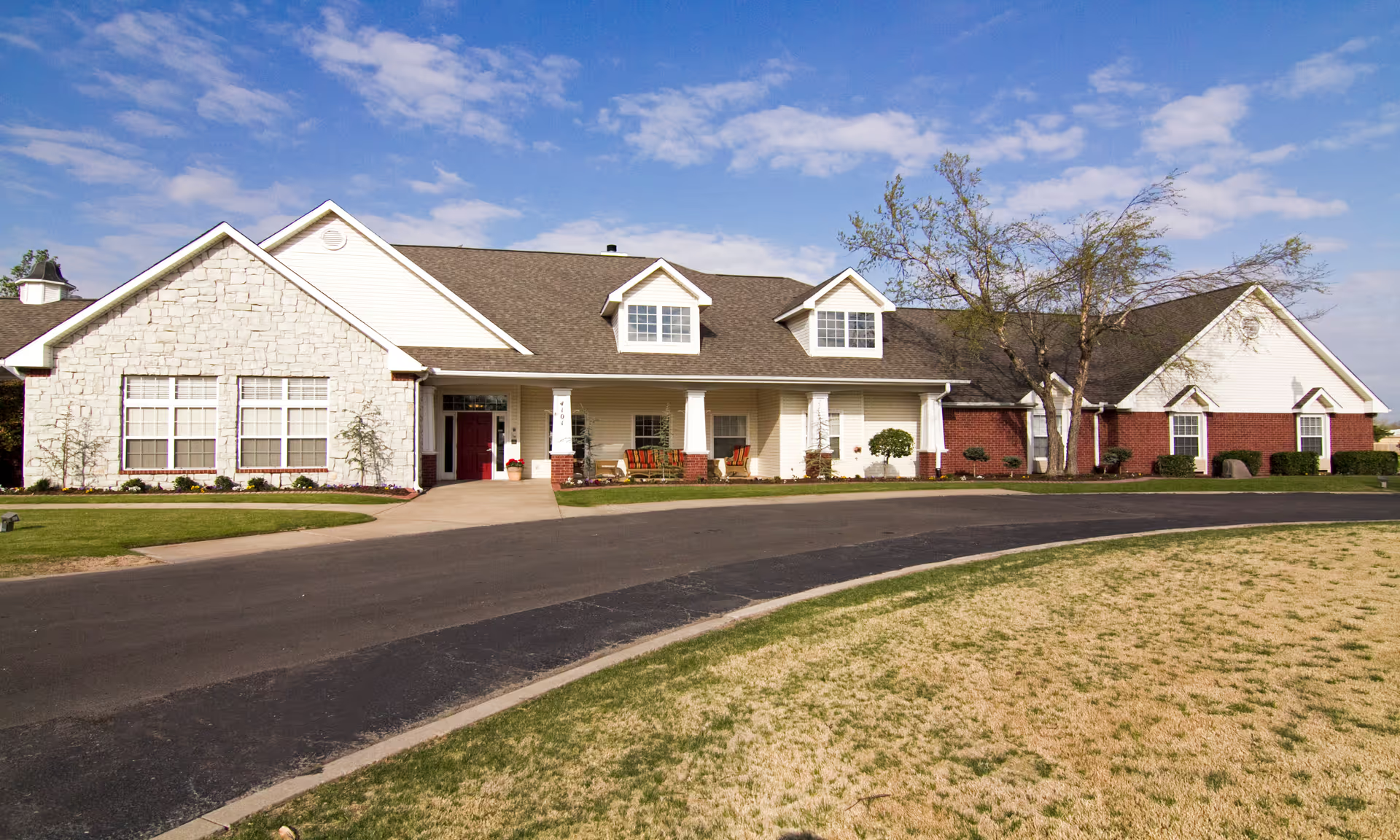
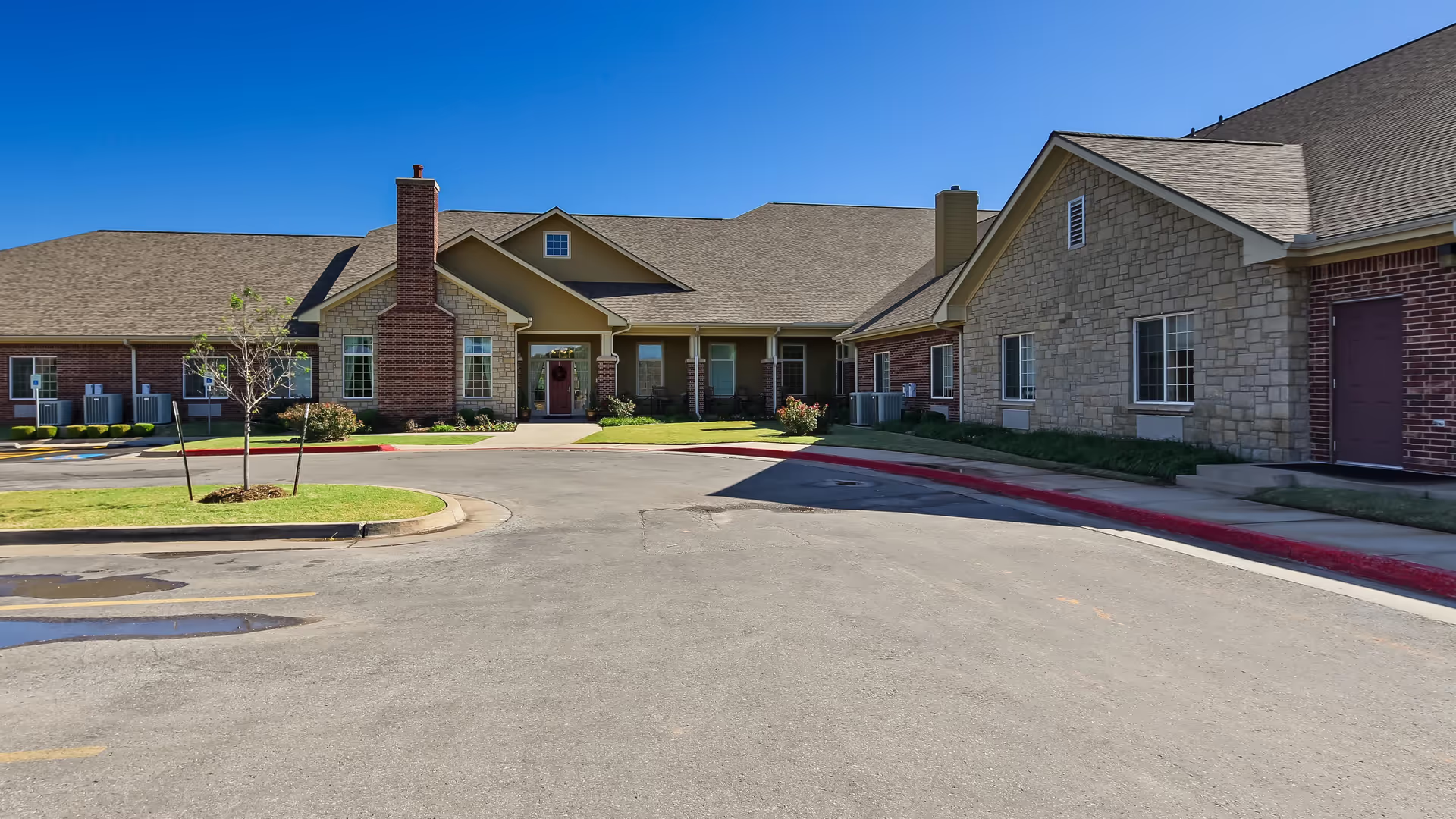
Dining, activities, and facilities: The dietary team received positive remarks for responsiveness and accommodation, yet concerns were raised about meal continuity and limited availability of fresh fruits and vegetables. The building is described by many as clean and welcoming, contributing to a comfortable atmosphere for residents. Nonetheless, some reviews point to sanitation and odor concerns in specific areas and to problems with resident laundry and personal-property management, which warrant direct inspection and discussion during a visit.
Management and operations: Some feedback is positive about recent administrative leadership changes and direct nursing leadership, with families noting improved clarity and communication under certain managers. Concurrently, there are recurring operational issues: inconsistent staffing levels, billing and financial-process inconsistencies, unfulfilled promises, and gaps in family notification after clinical incidents. These patterns suggest variability in administrative follow-through and systems for quality control.
Notable patterns and guidance for families: The overall pattern is polarized — strong, compassionate care provided by specific clinicians and teams, but inconsistent performance across shifts and operational areas. Prospective residents and families should consider meeting with the current administrator and nursing leadership, asking about staffing ratios and turnover, reviewing medication-administration and incident-notification protocols, observing dining and housekeeping routines, and clarifying billing and property-handling procedures. Asking to speak with or meet the therapy team and identified staff members praised in reviews can also help set expectations about the likely day-to-day experience.