The reviews present a polarized picture of Glenwood Skilled Nursing & Therapy: several families describe the facility as clean, comfortable, and staffed by compassionate caregivers, while other accounts point to persistent operational failings that affect resident safety and comfort. Positive comments frequently reference well-kept common areas and rooms, effective physical-therapy equipment and rehab space, a range of activities (including games and visiting church groups), and the ability to personalize private rooms to feel more like home. Hospice support and examples of individual staff members providing attentive care were also noted.
Care quality appears inconsistent. Many reviewers praised individual nurses, CNAs, and therapists who provided competent, supportive care and helped residents progress in rehabilitation. In contrast, a sizable portion of the feedback cites delays in essential care tasks — slow or unanswered call lights, inconsistent bathing and linen changes, and gaps in incontinence-related care — that suggest staffing and workflow shortfalls. There are repeated references to delayed or missed medication administration and timing issues; reviewers framed these as a pattern of medication-management weakness. There is also one allegation of a serious medication error involving an anticoagulant after a brain bleed, which reviewers cited as a significant safety concern.
Staffing and staff conduct are central themes. Reviewers describe chronic understaffing, frequent staffing changes, and variable staff performance: some employees are described as caring and familiar with residents, while others are portrayed as inattentive or unprofessional. Several accounts raise concerns about workplace culture, staff morale, and leadership response when issues are raised, and multiple reviewers reported poor communication from administration and front-desk personnel.
Dining and nutrition operations were frequently criticized for inconsistent meal quality and service processes. Specific operational issues included cold meals, missing utensils or cups, limited assistance with feeding, and problems accommodating special diets. These descriptions point to unreliable meal-service continuity and dining-assistance gaps rather than isolated occurrences.
Activities and therapy receive mixed feedback. The facility offers structured activities, a therapy/exercise room, and social programs that some residents and families found engaging and helpful for recovery. However, other reviewers described therapy as ineffective or inconsistent in intensity and follow-through, suggesting variability in program delivery.
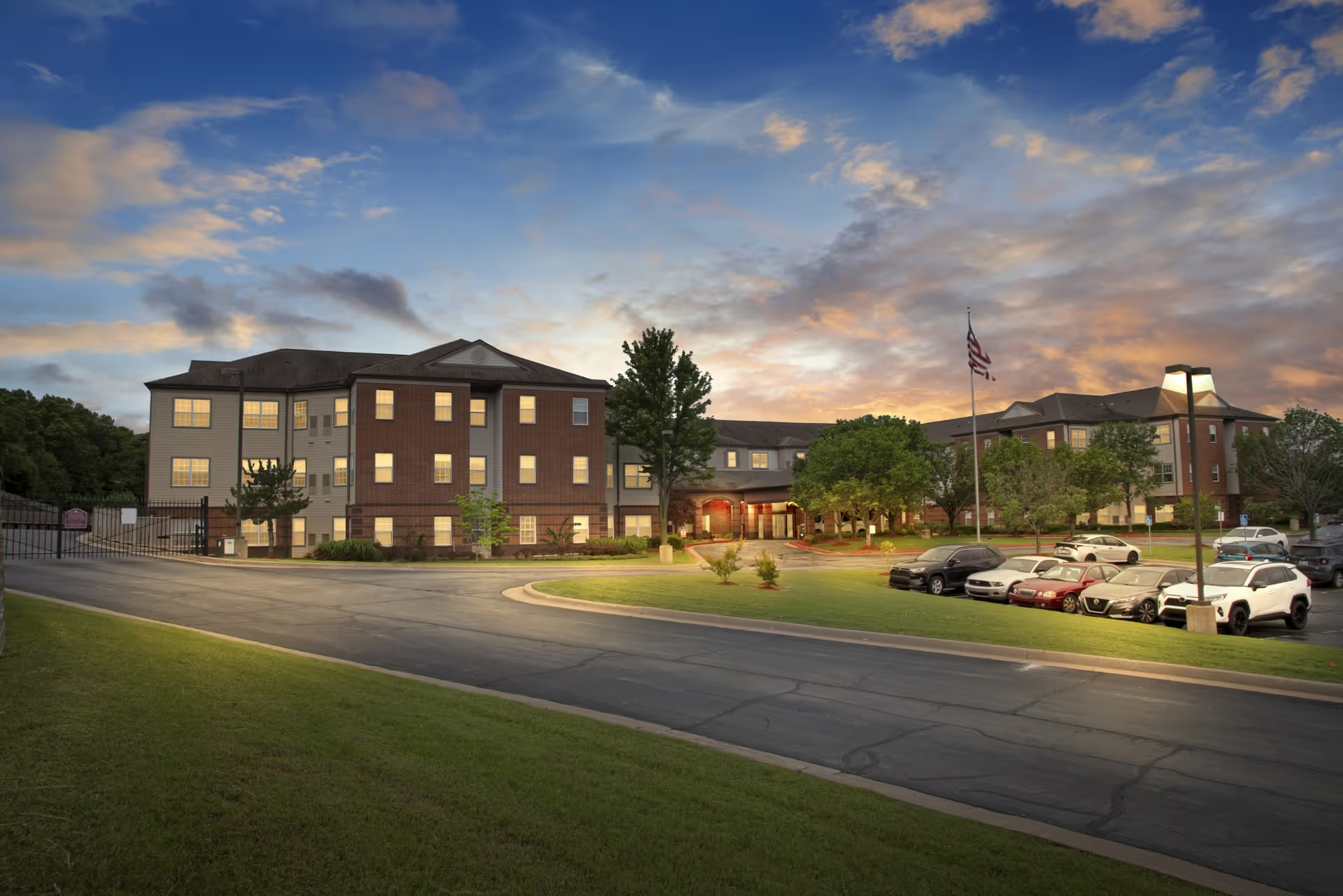
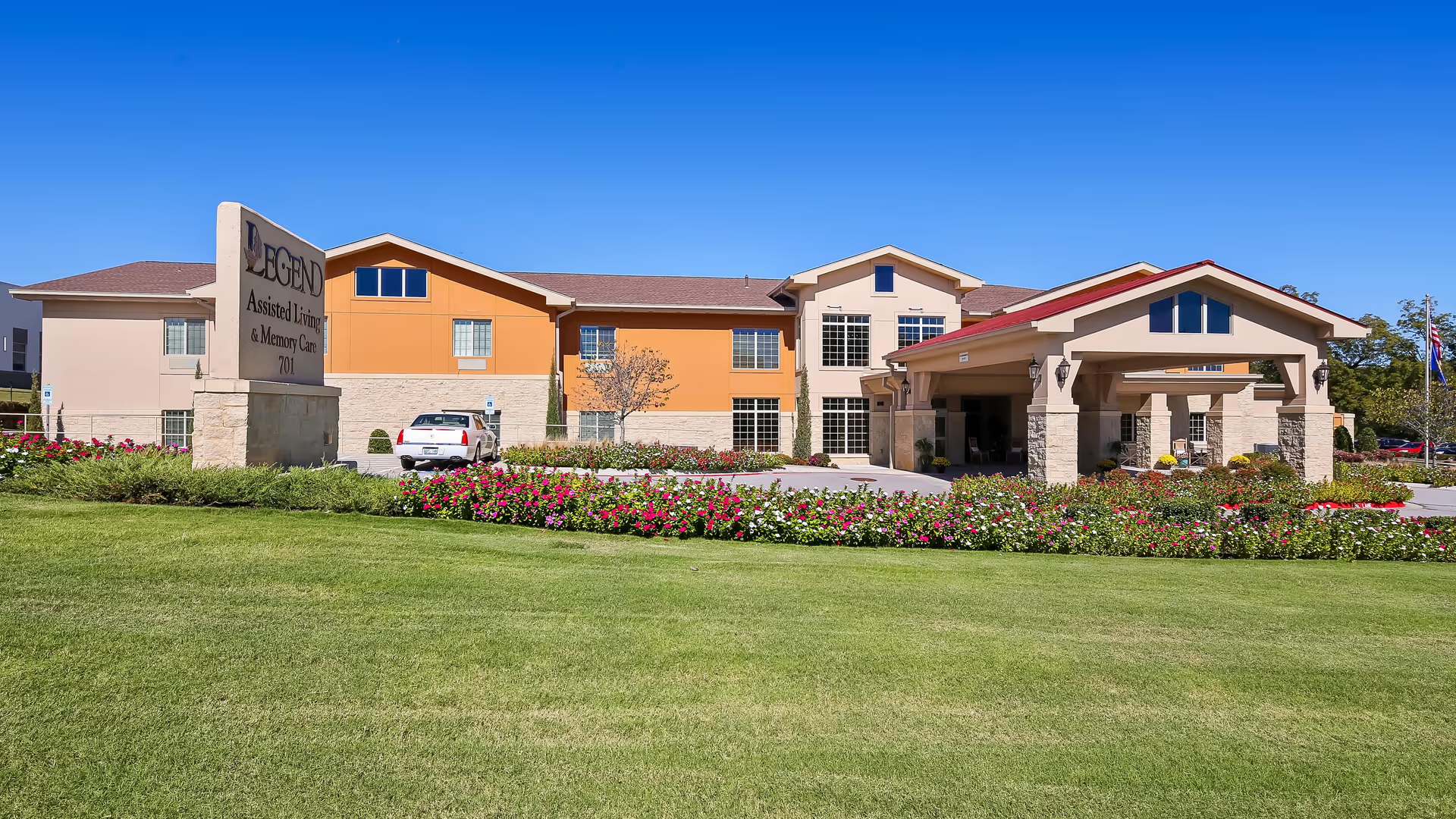
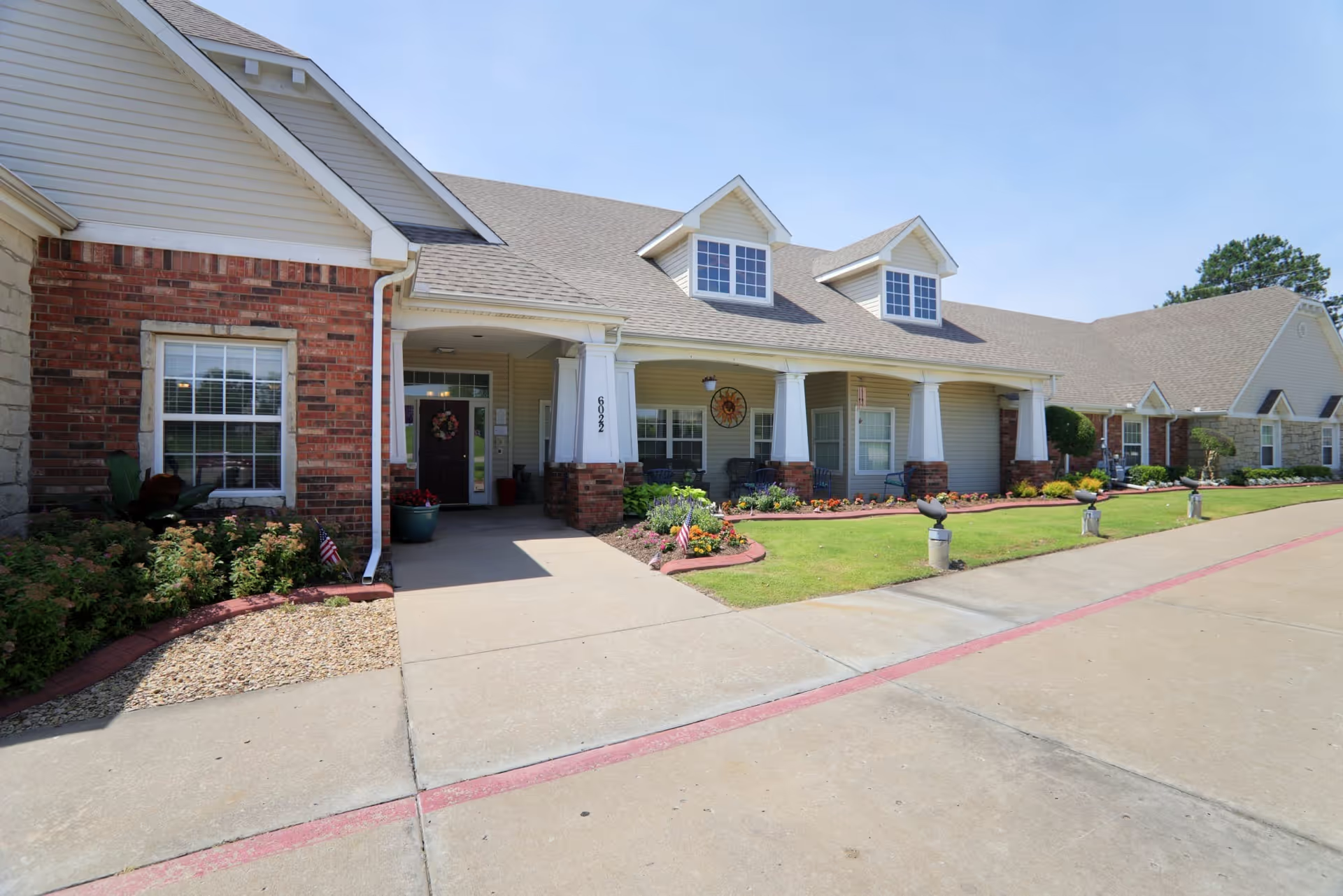
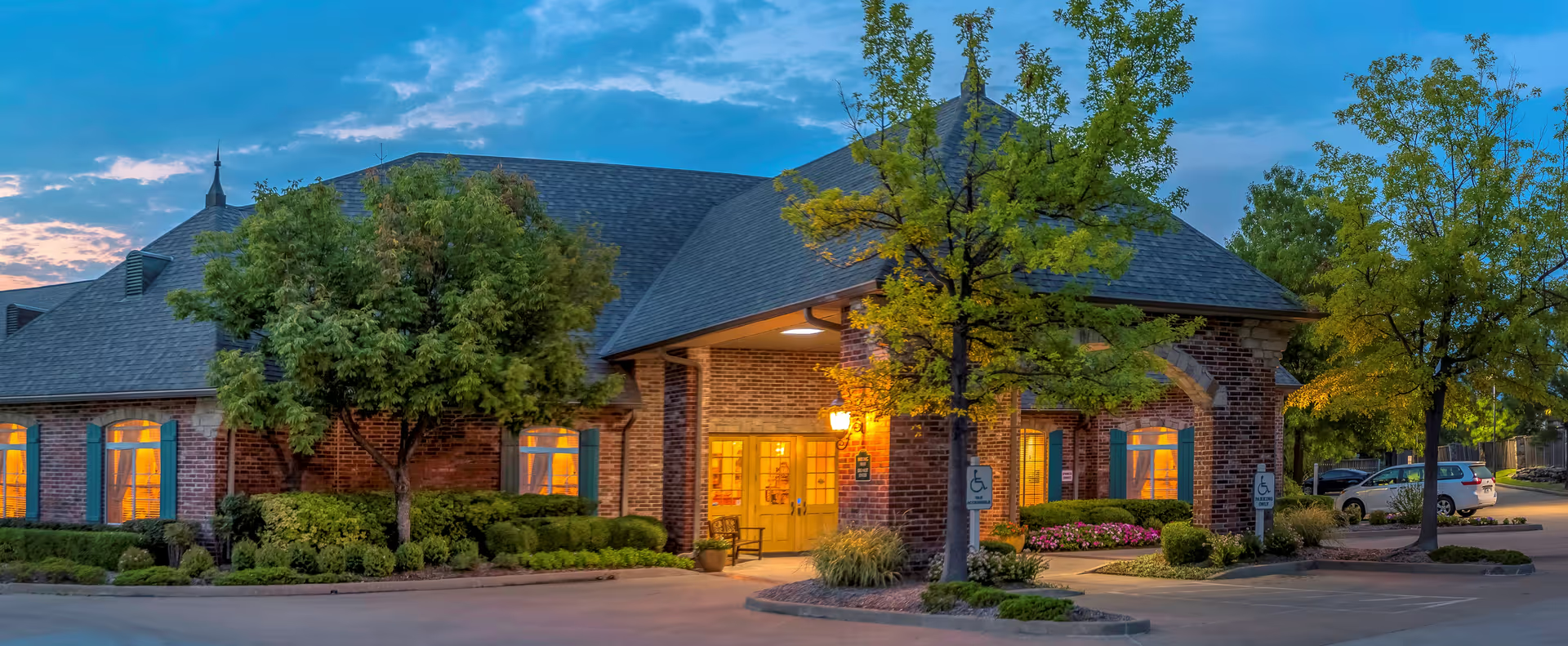
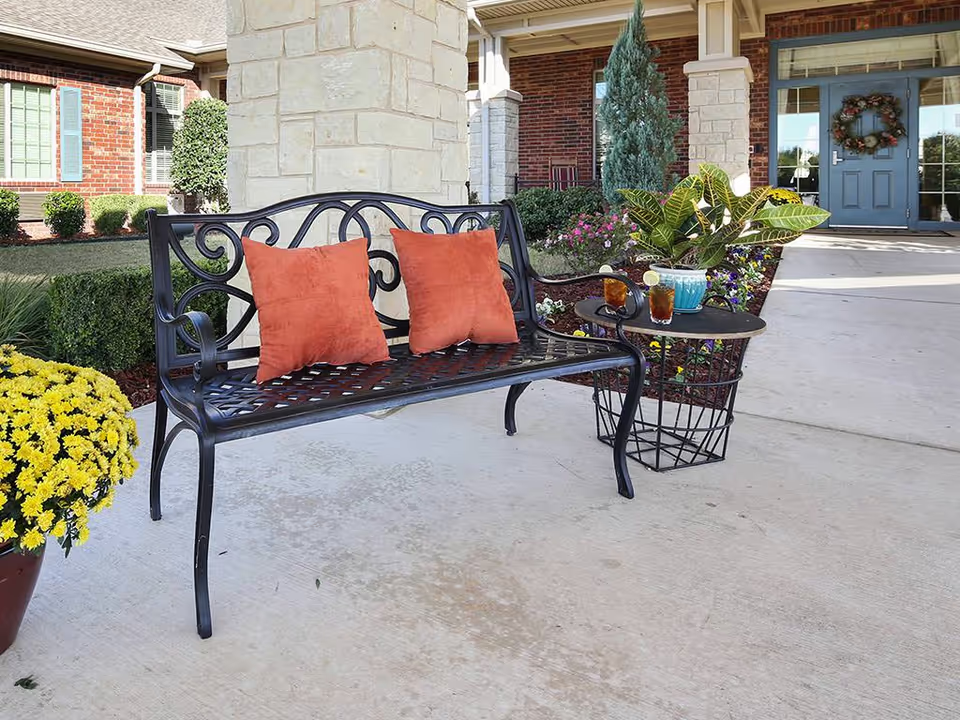
Facilities and maintenance are generally viewed positively: the building and grounds are described as attractive and generally clean, with newer rooms and amenities in some areas. Reviewers noted older sections that need cosmetic refreshes but acknowledged a generally well-maintained environment.
Management, communication, and operational controls emerged as repeated concerns. Families reported inconsistent notification about incidents (including falls), difficulty reaching staff by phone, unresolved property-management issues, and perceptions that administrative responses were slow or inadequate. Infection-control and sanitation process gaps were also mentioned in several accounts, along with at least one outbreak-related isolation period.
Notable patterns for prospective families to explore in person include staffing levels and turnover, average call-light response times, medication-administration protocols and audit processes, dining accommodations for special diets and feeding assistance, laundry and property-handling procedures, incident-notification practices, and recent state inspection findings. Visiting at different times of day (mornings and afternoons/evenings) to observe shift changes and activity levels may reveal variability in care. Given the mix of positive individual caregivers and recurring operational problems, on-site assessment and direct conversations with management about specific safety and communication protocols are advisable before placement.