Morada Lawton (Ten Oaks) presents a largely mixed picture: a number of families describe a warm, home-like community with compassionate caregivers, a visible clinical presence, and an active activities program, while other accounts raise operational and management concerns that may affect the care experience. Many reviewers praised the staff’s interpersonal approach, noted that residents are often addressed by name, and described supportive move-ins and engaged leadership on particular occasions. The facility offers on-site nursing and physician oversight, apartment-style units with mobility-friendly layouts, a restaurant-style dining program with menu choices (including heart-healthy options), and a full calendar of activities that includes frequent outings, church services, and specialty programs for memory-care residents.
Care quality and staffing present the clearest area of variability. Positive narratives highlight attentive, personalized care and responsive emergency handling, but recurring themes include inconsistent staffing levels (particularly on weekends), delayed medication administration at times, and occasional lapses in coordination between clinical and support teams. Several reviewers described problems that point to systemic gaps in clinical operations—delayed med-passes, missed follow-up, and limited RN availability during off-hours—which prospective families should evaluate during tours and care-plan discussions.
Dining and activities are generally viewed as strengths but are not uniformly consistent. The dining program is frequently commended for variety, tasty options, and a family-style environment; some reviewers specifically mentioned salad/sandwich bars and flexible snack availability. However, there are also complaints about meal temperature, occasional overcooking or saltiness, and inconsistencies in menu execution. The activities program is robust on paper and often executed well—regular outings, events, exercise, and cognitive activities are noted—but activity frequency and weekend coverage may be reduced at times.
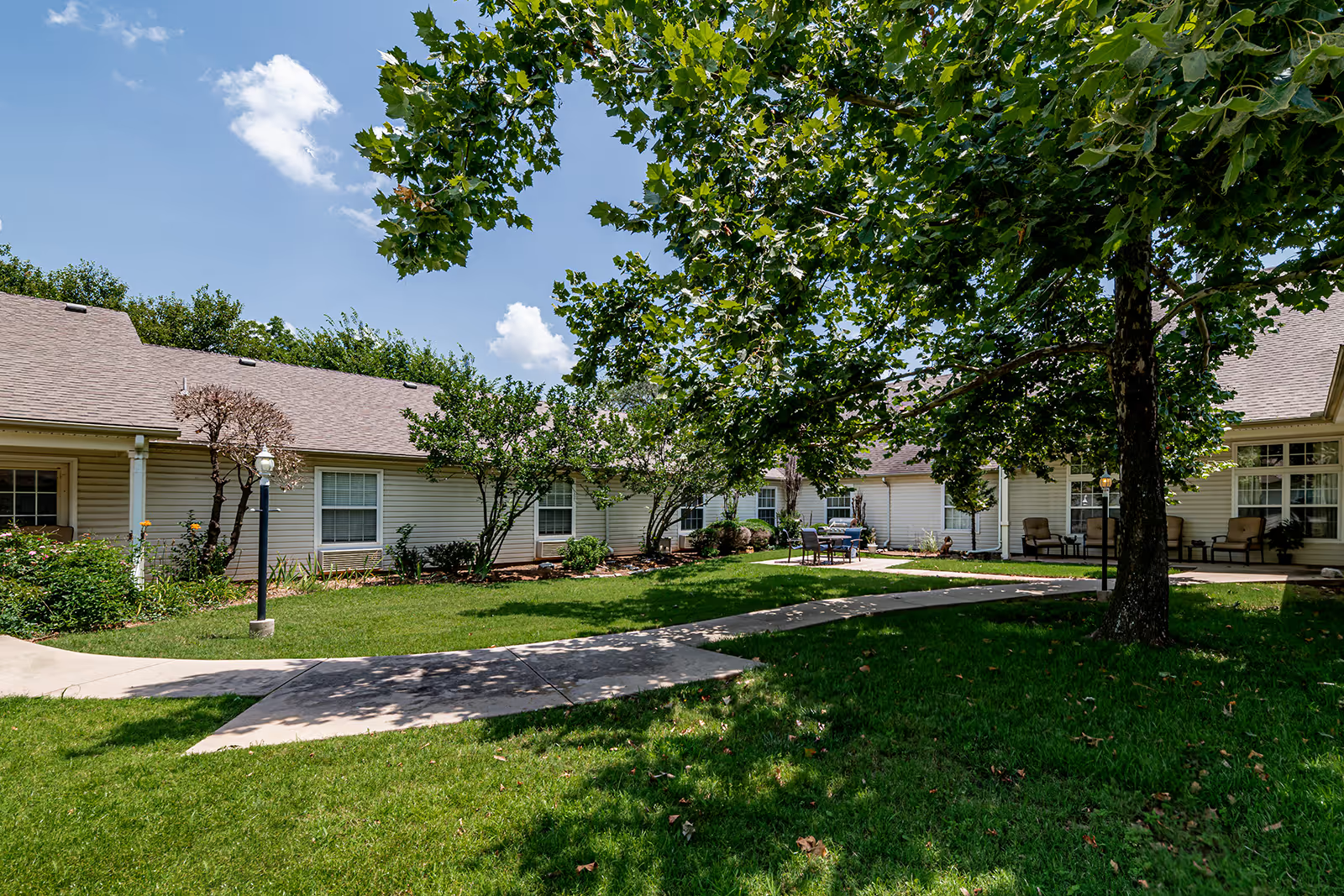
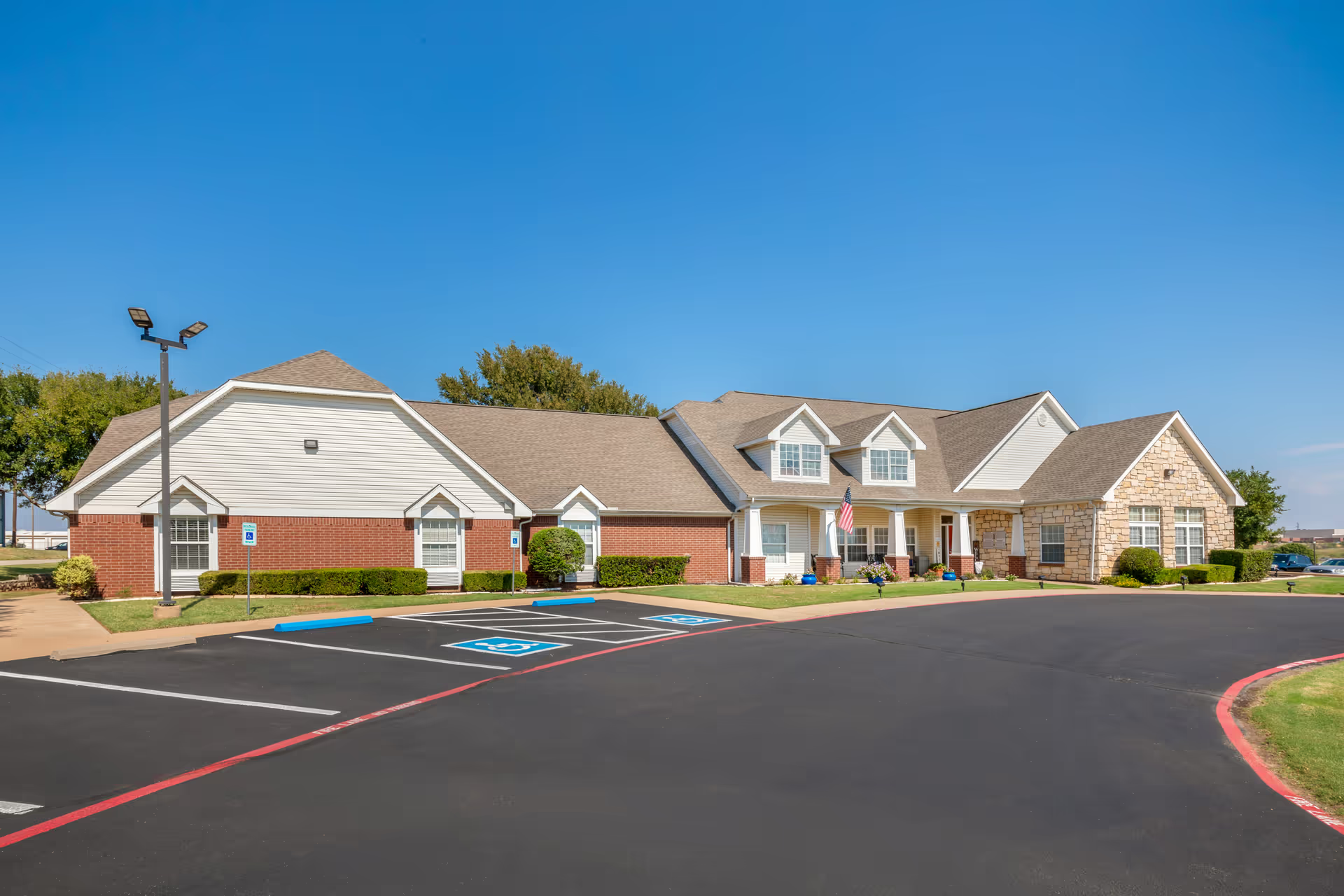
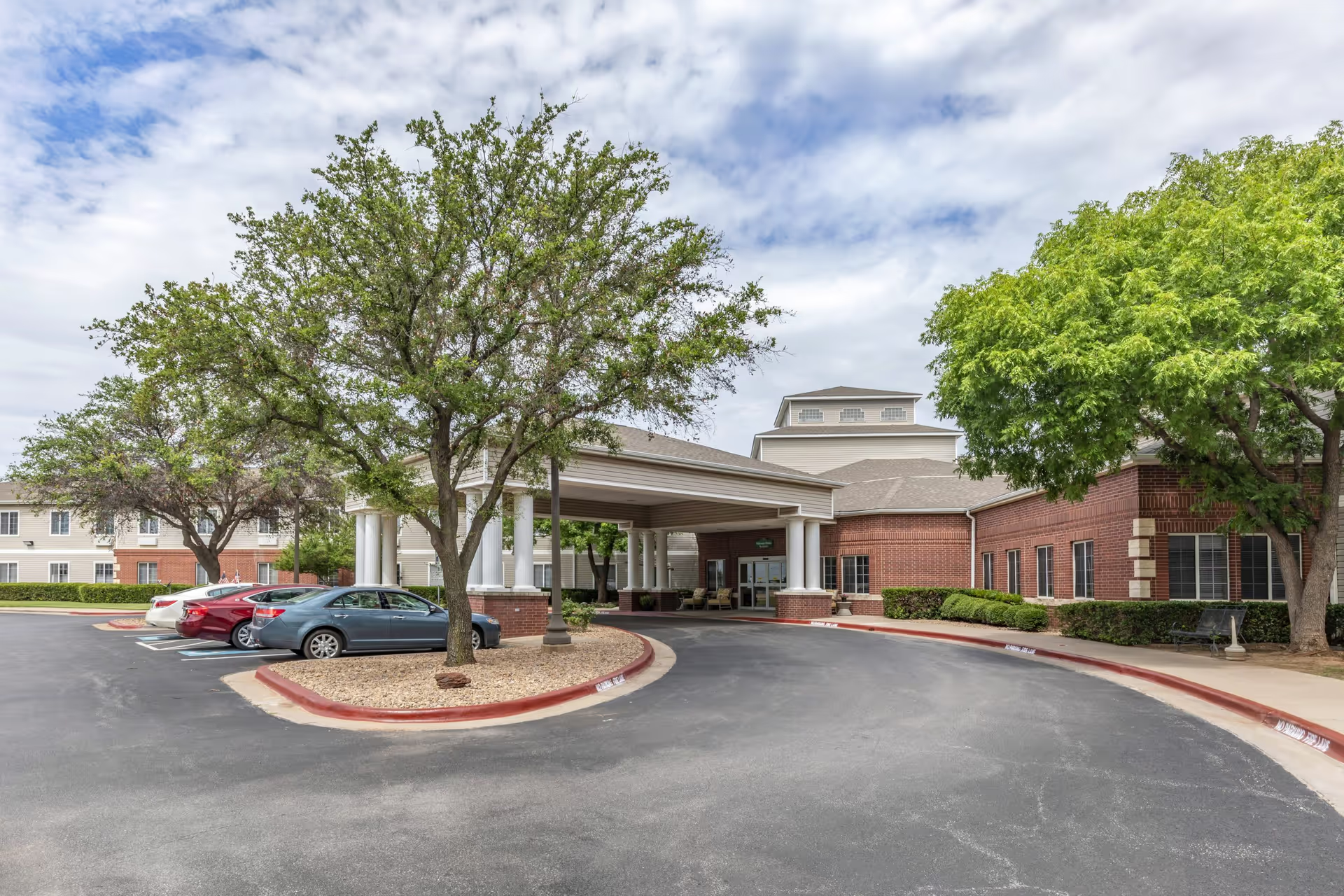
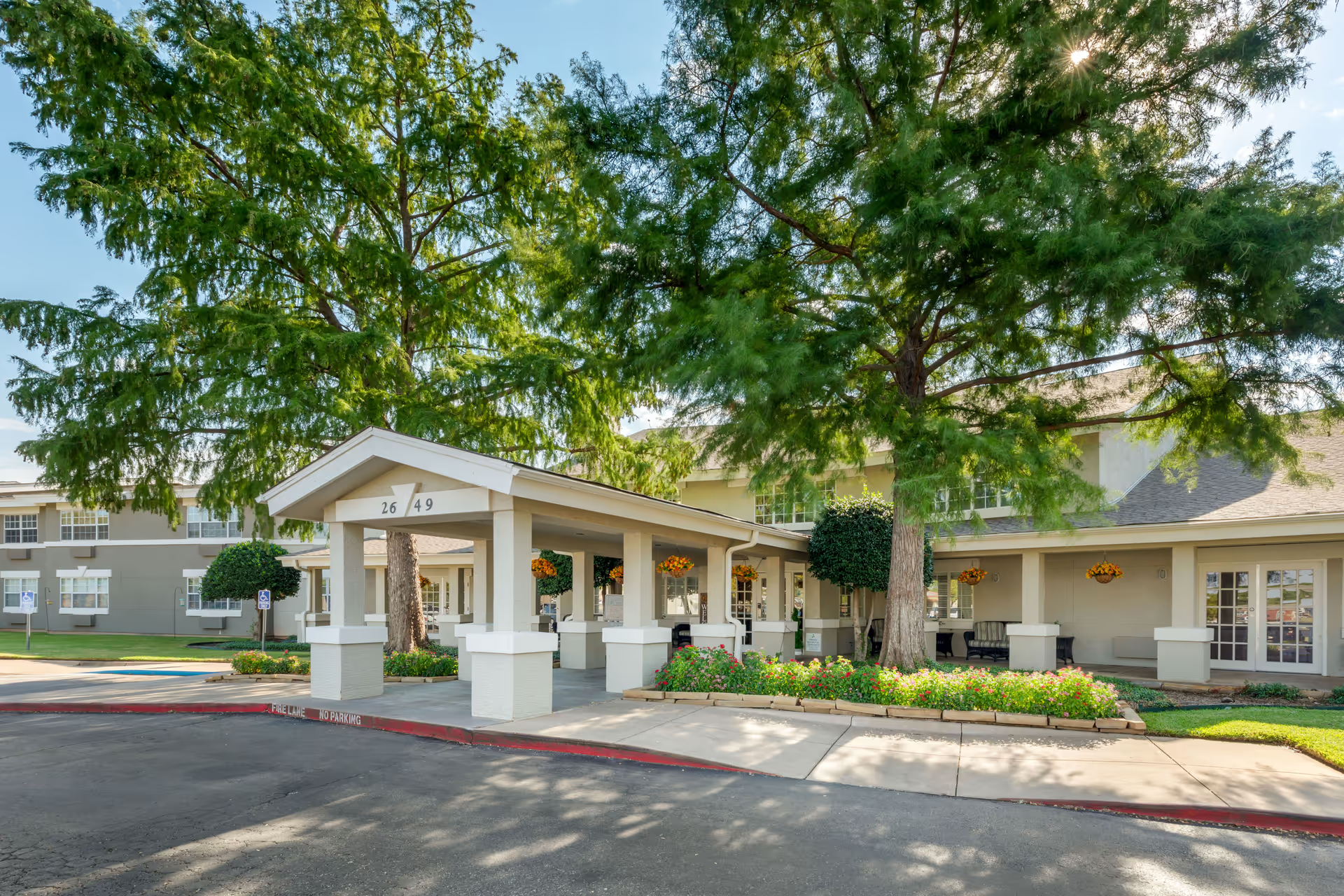
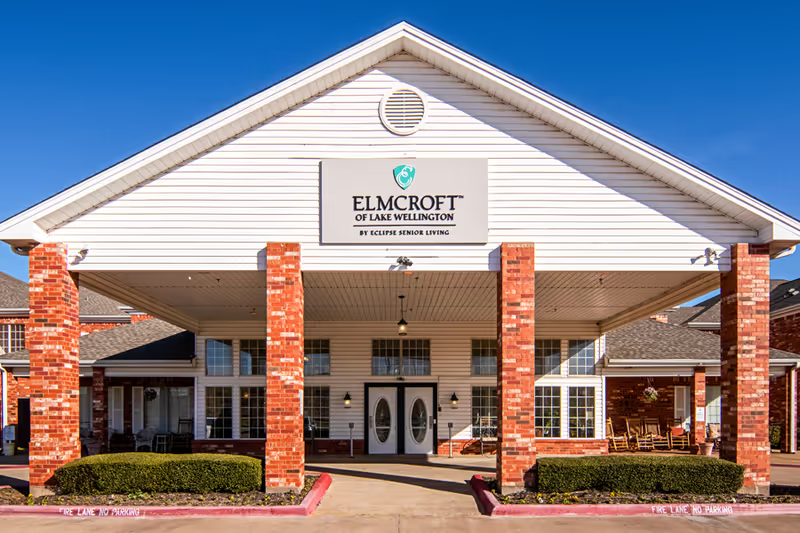
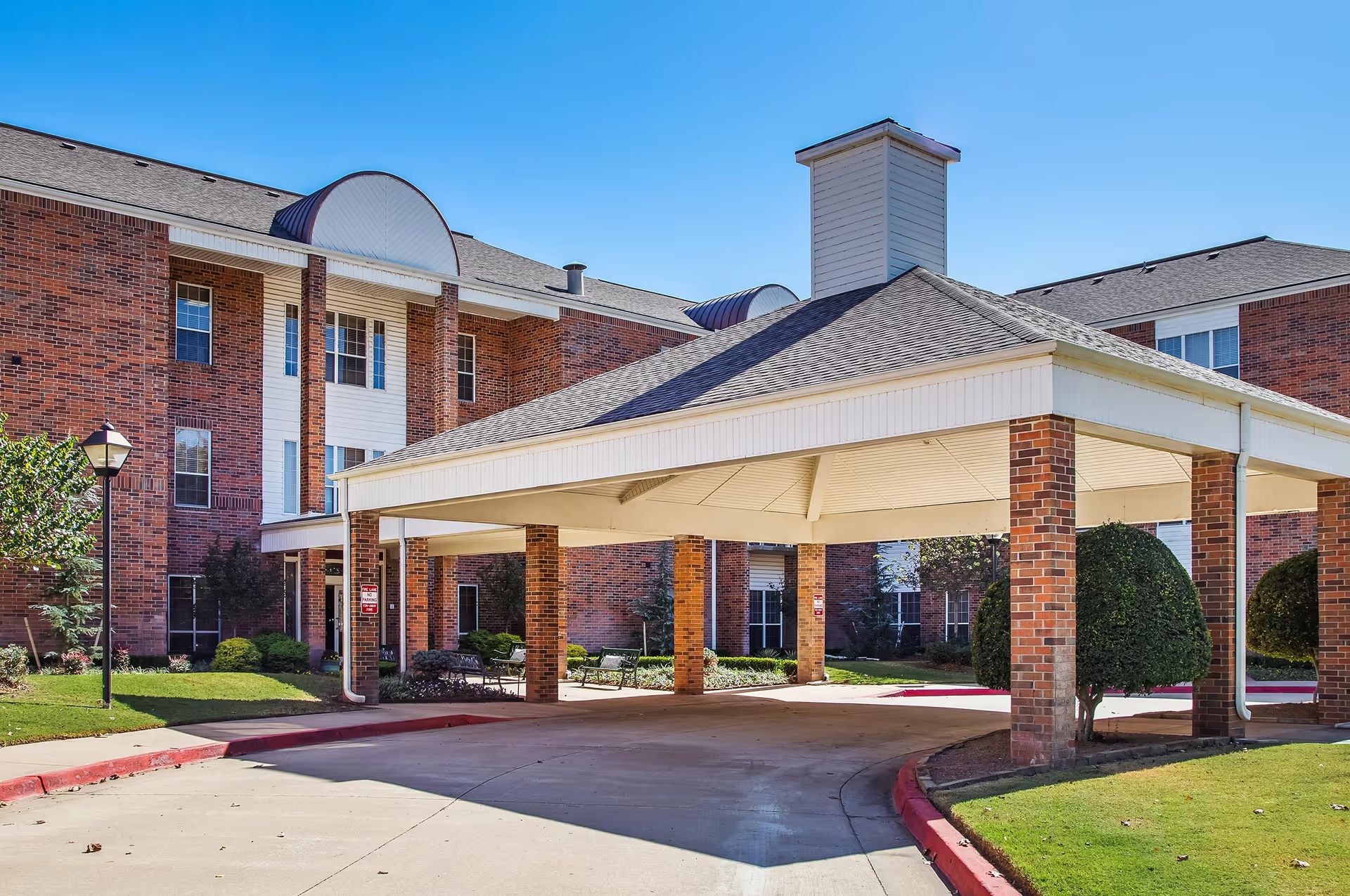
Facility condition and housekeeping receive largely positive remarks for cleanliness, well-maintained grounds, and thorough housekeeping in common areas. That said, a subset of reviews raises sanitation concerns and odor issues in certain units or during specific periods. Memory-care accommodations and staff training are cited as strengths in many accounts, yet other reviews describe inconsistent supervision and safety oversight in that unit. Prospective residents with memory-care needs should request specifics about staffing ratios, supervision protocols, and safety measures.
Management, communication, and administrative practices show a broad range of experiences. Several families praise engaged leadership and responsive administrators who facilitate smooth transitions; conversely, other families describe aggressive sales tactics, poor billing transparency, unresolved charge disputes, phone unresponsiveness, and communication breakdowns between departments. There are also serious, isolated allegations—including property disputes and behavior-related complaints—that warrant direct investigation with management and, if appropriate, inquiry into documentation or regulatory records.
Overall, Morada Lawton offers many elements families look for in a senior community: compassionate staff, clinical presence, varied dining, and an active lifestyle program. At the same time, recurring themes around staffing consistency, medication administration, cleanliness in select units, billing transparency, and management responsiveness suggest areas to probe further. Recommended due diligence for prospective families: schedule multiple tours (including unannounced visits if possible), ask for staffing rosters and med-pass procedures, review billing and contract terms carefully, request a sample activities calendar and memory-care protocols, and speak directly with current resident families about day-to-day operations.