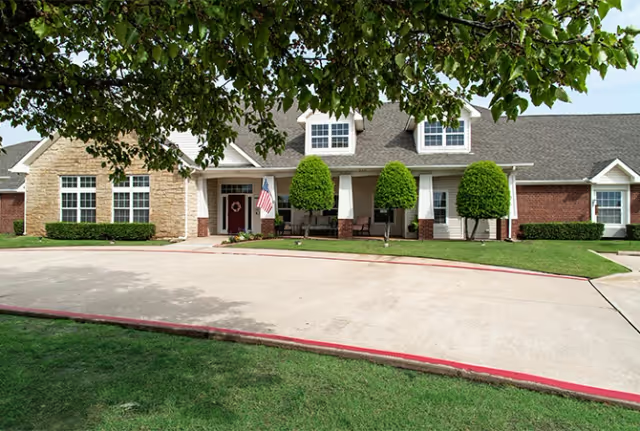
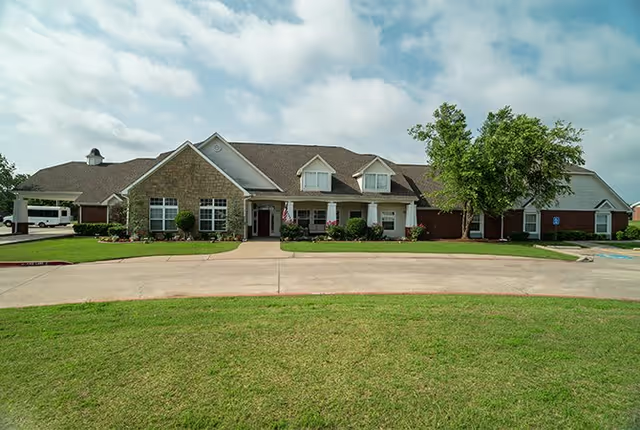
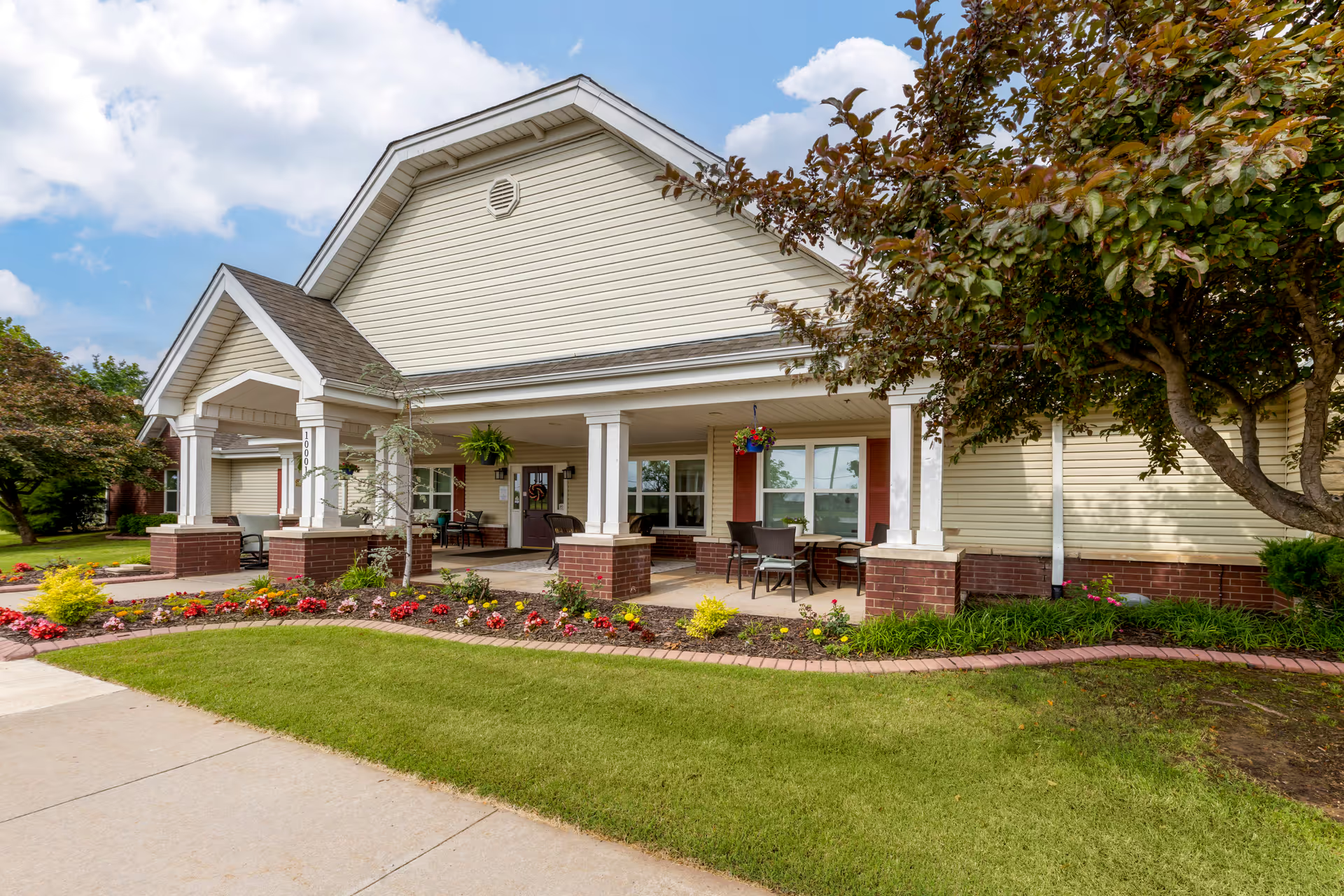
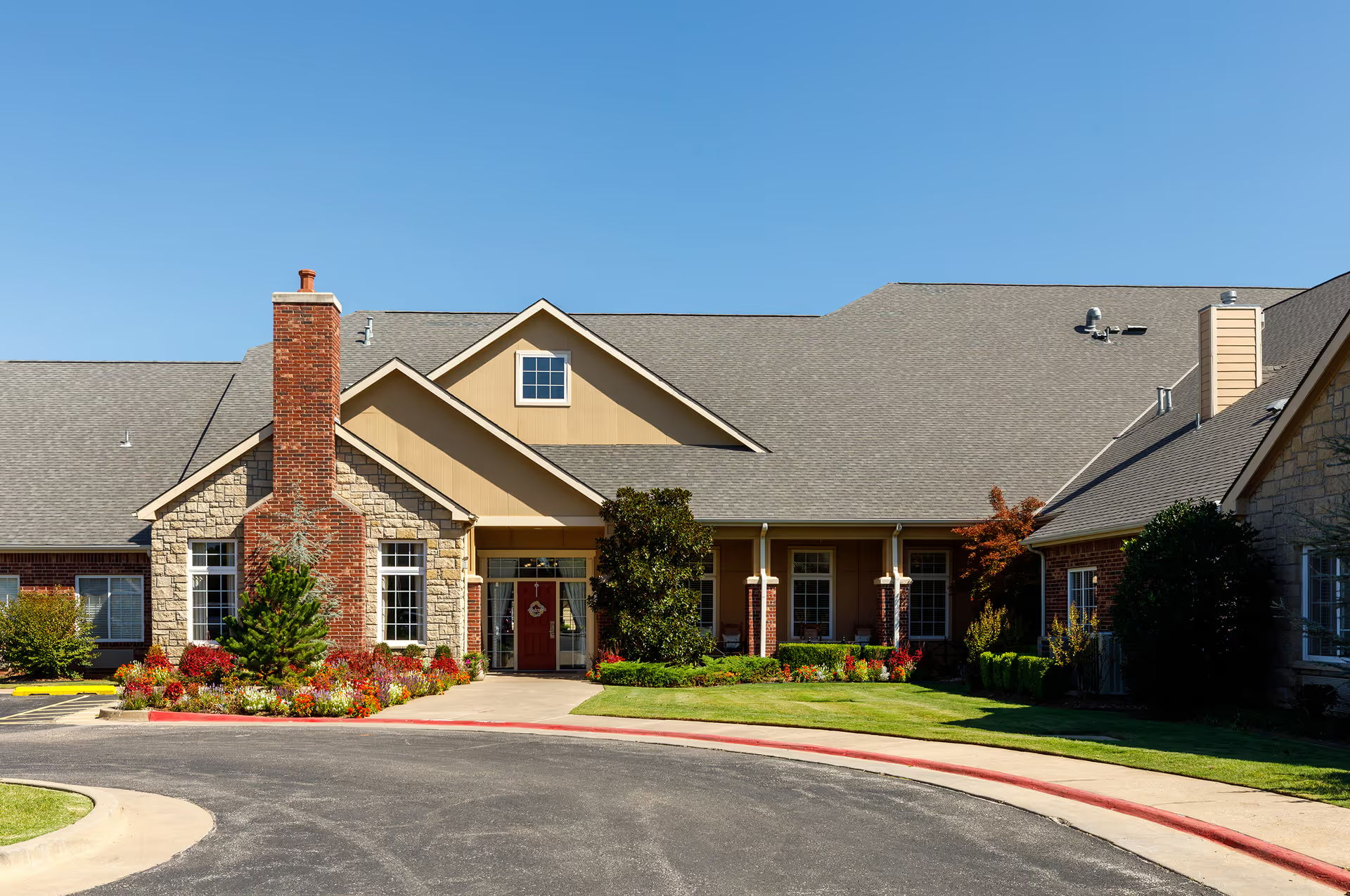
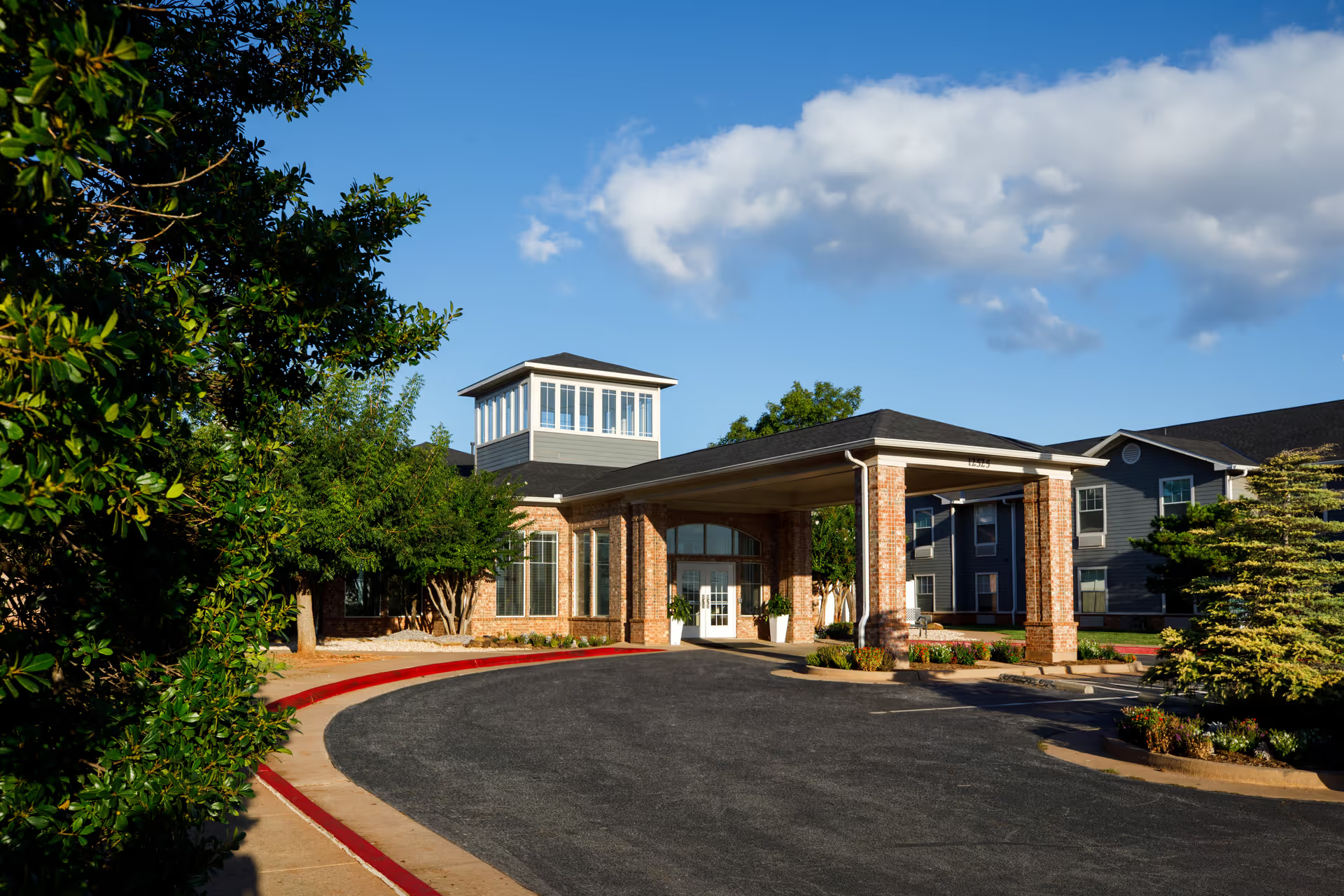
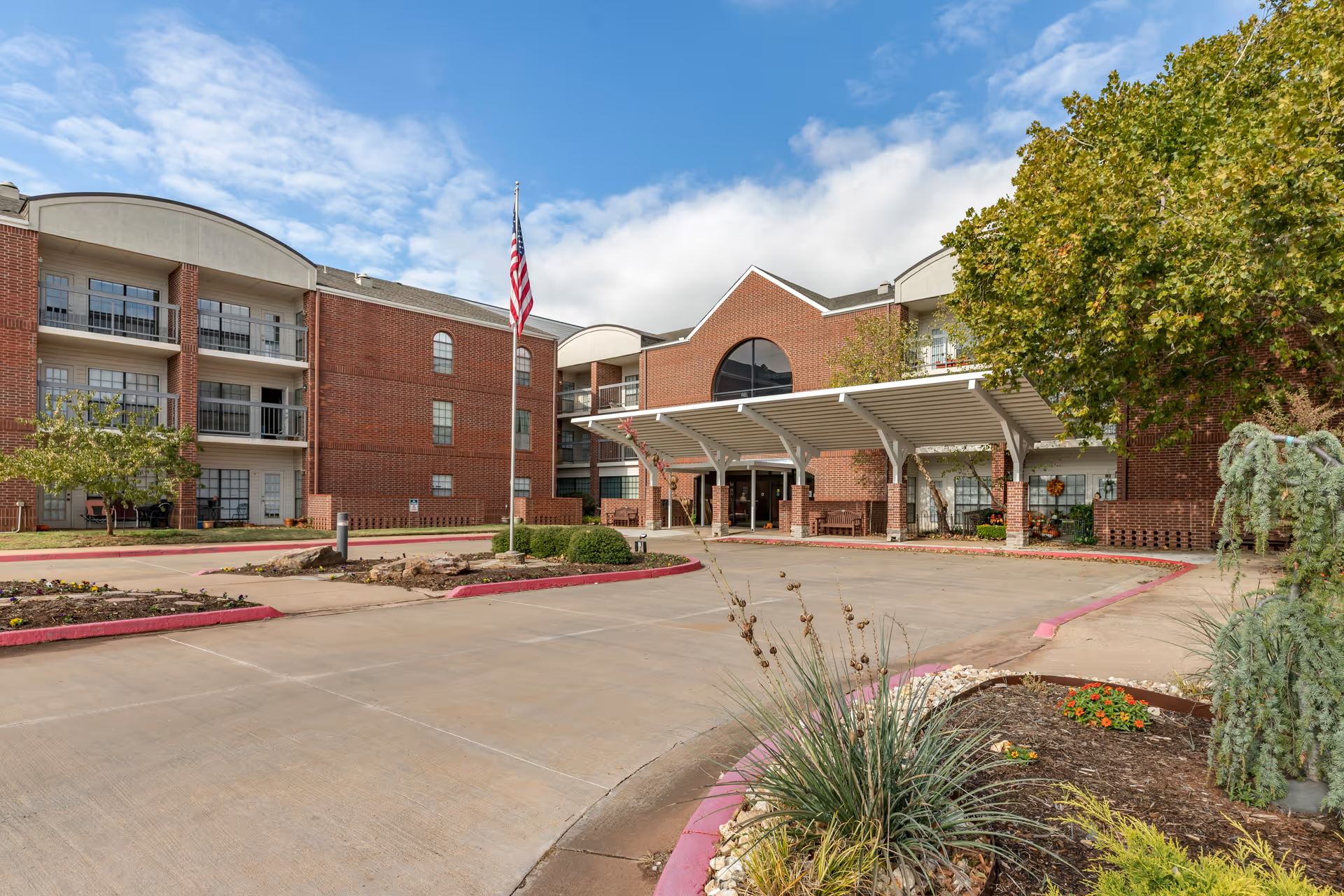
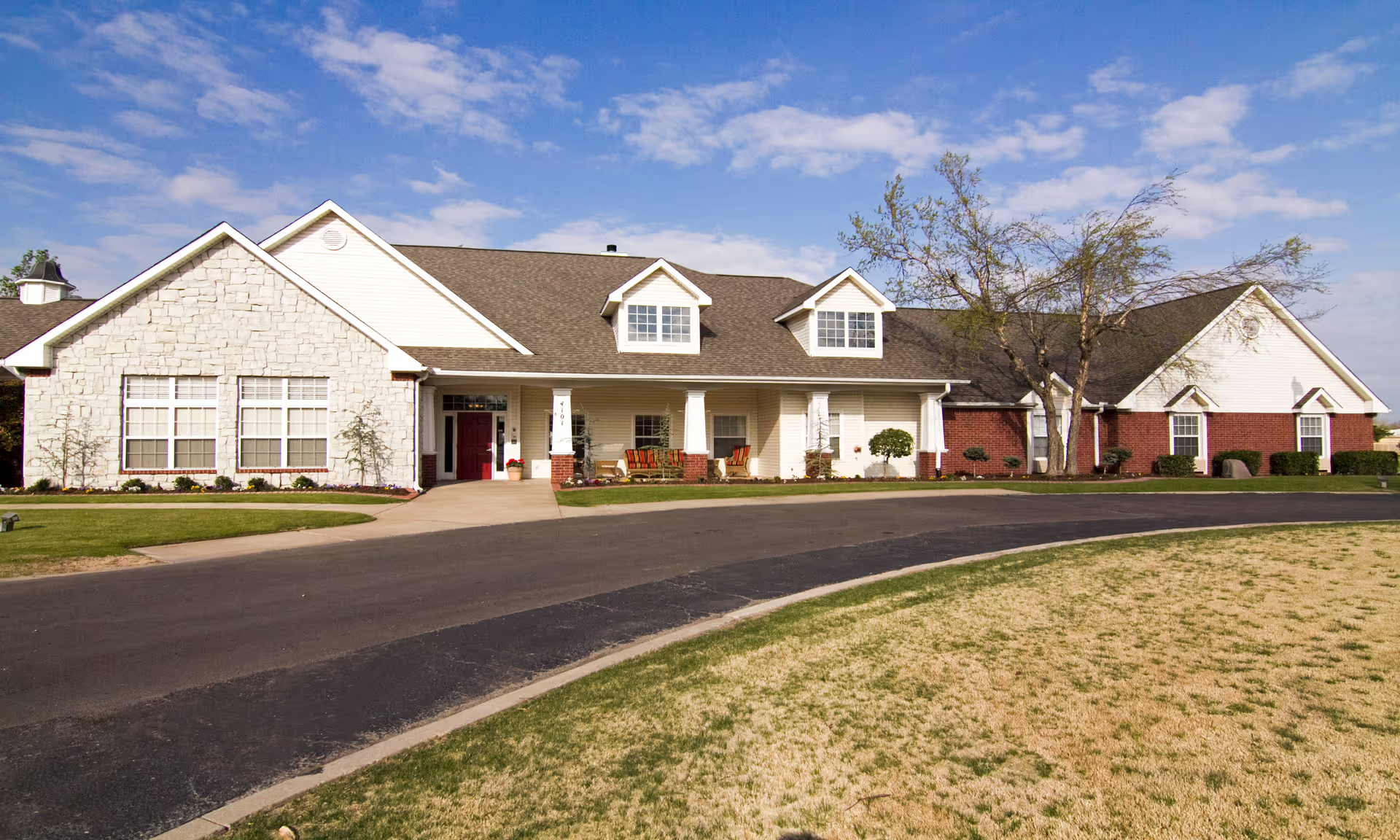
Cross Timbers Senior Mental Health is frequently described as a specialized long-term care option focused on older adults with mental-health needs — a relatively uncommon service in the region. Reviewers consistently identify the facility’s mission and its role as a dedicated resource for seniors with psychiatric diagnoses as a primary strength. The physical environment has been the subject of recent renovation and is often described as attractive, and several comments highlight staff who are passionate about the facility’s purpose and who provide compassionate care when present.
Care quality descriptions are mixed. Positive comments emphasize programs and staff who understand mental-health needs and initial positive experiences for some residents. However, other accounts raise operational concerns about clinical oversight: families note worries about medication-management practices, safety incidents such as falls and emergency-room transfers, and uneven follow-through on clinical plans. The presence of a visiting nurse practitioner is a plus, but there is also expressed preference for more frequent access to psychiatrists and other dedicated mental-health clinicians.
Staffing and culture emerge as a major theme. Many reviews note compassionate, mission-driven caregivers and effective nurses/techs, while others describe inconsistent responsiveness, instances of unprofessional conduct, and high staff turnover. Reviewers point to gaps in staff training and understanding of policies, which contributes to variable confidence in daily care. These staffing patterns also influence family perceptions of reliability and reassurance regarding resident well-being.
Programming and activities appear limited relative to the population’s needs. Several comments indicate an absence or scarcity of group therapy, animal-assisted activities, and other therapeutic services that are often important for seniors with mental-health diagnoses. At the same time, reviewers acknowledge that the facility’s model is intended to serve a specialized population and that some program elements are tailored to those needs.
Facility-level concerns include privacy and monitoring practices; the use of in-room cameras was noted and raised privacy questions for families. Safety and incident-prevention processes were also flagged, given reports of falls and frequent transfers to emergency care. References to regulatory survey outcomes and family dissatisfaction with communication suggest that families should review inspection records and ask direct questions about incident-response procedures before placement.
Management is described in mixed terms. Some reviewers report positive changes, including a new administrator and director of nursing and hope for improvement. Others describe managerial pressure on staff, inconsistent enforcement of policies, and limited family assurance. Prospective families should inquire about recent leadership changes, staff retention strategies, clinical oversight (including psychiatric access), medication-management protocols, therapeutic programming, privacy policies, and how the facility communicates incidents and care plans to families.
In summary, Cross Timbers presents as a mission-focused, regionally valuable option for seniors with mental-health needs, with attractive facilities and dedicated staff in many instances. However, recurring operational issues — especially inconsistent staffing, gaps in clinical and medication oversight, limited therapeutic programming, privacy questions, and family-communication challenges — warrant careful inquiry. Families considering placement should verify current staffing levels, clinical resources (psychiatric access and medication controls), activity offerings tailored to mental health, recent regulatory survey results, and the facility’s policies on monitoring and family notifications.