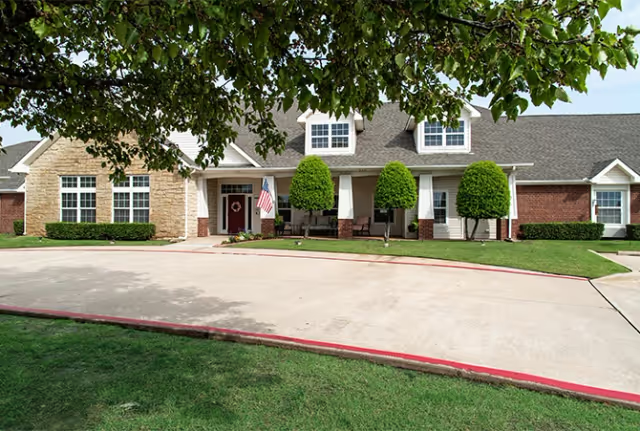
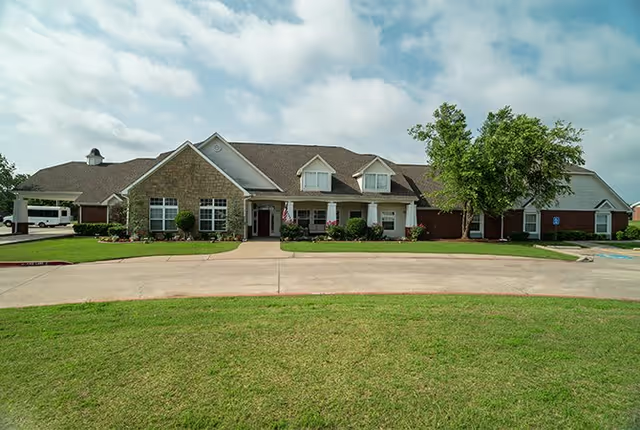
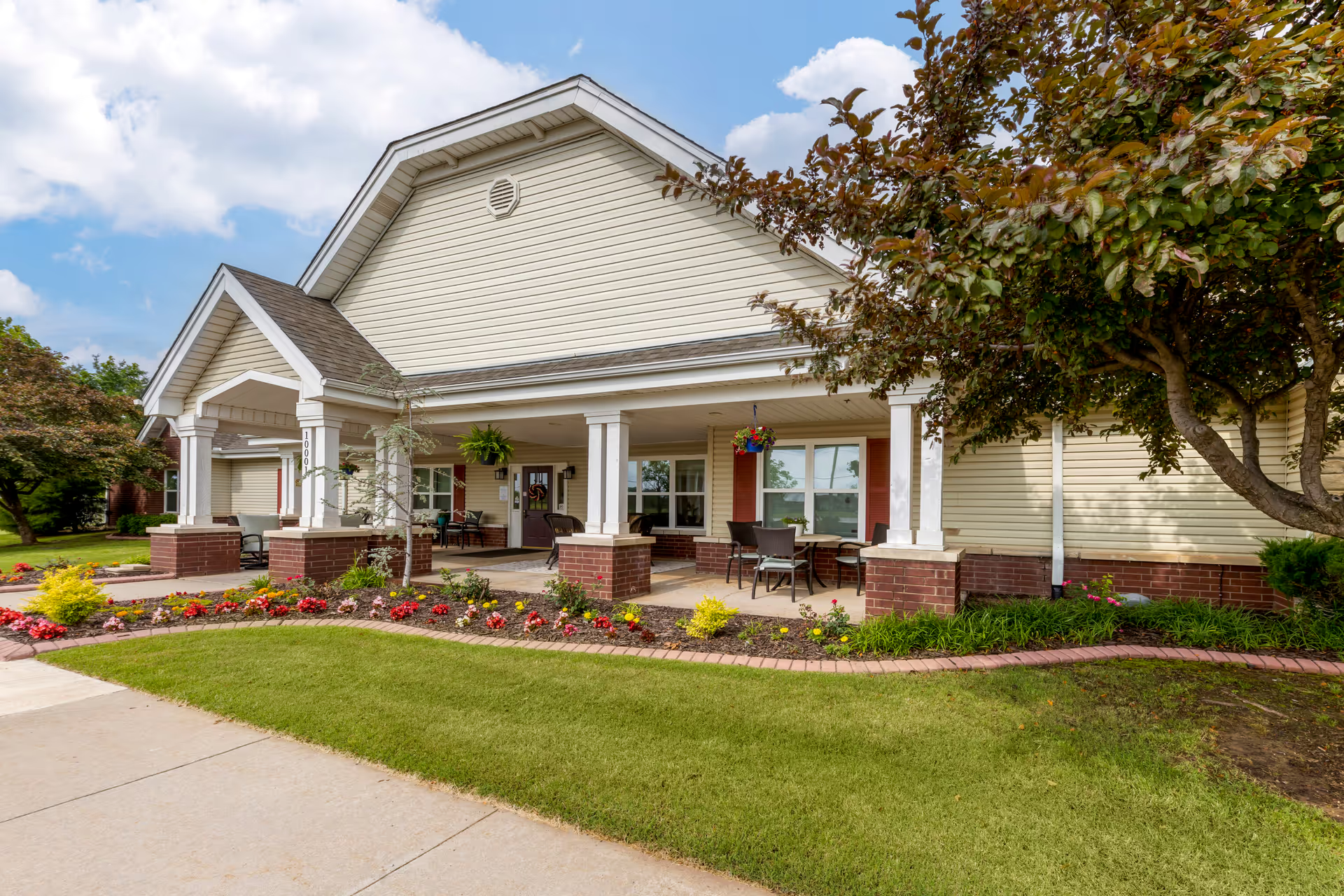
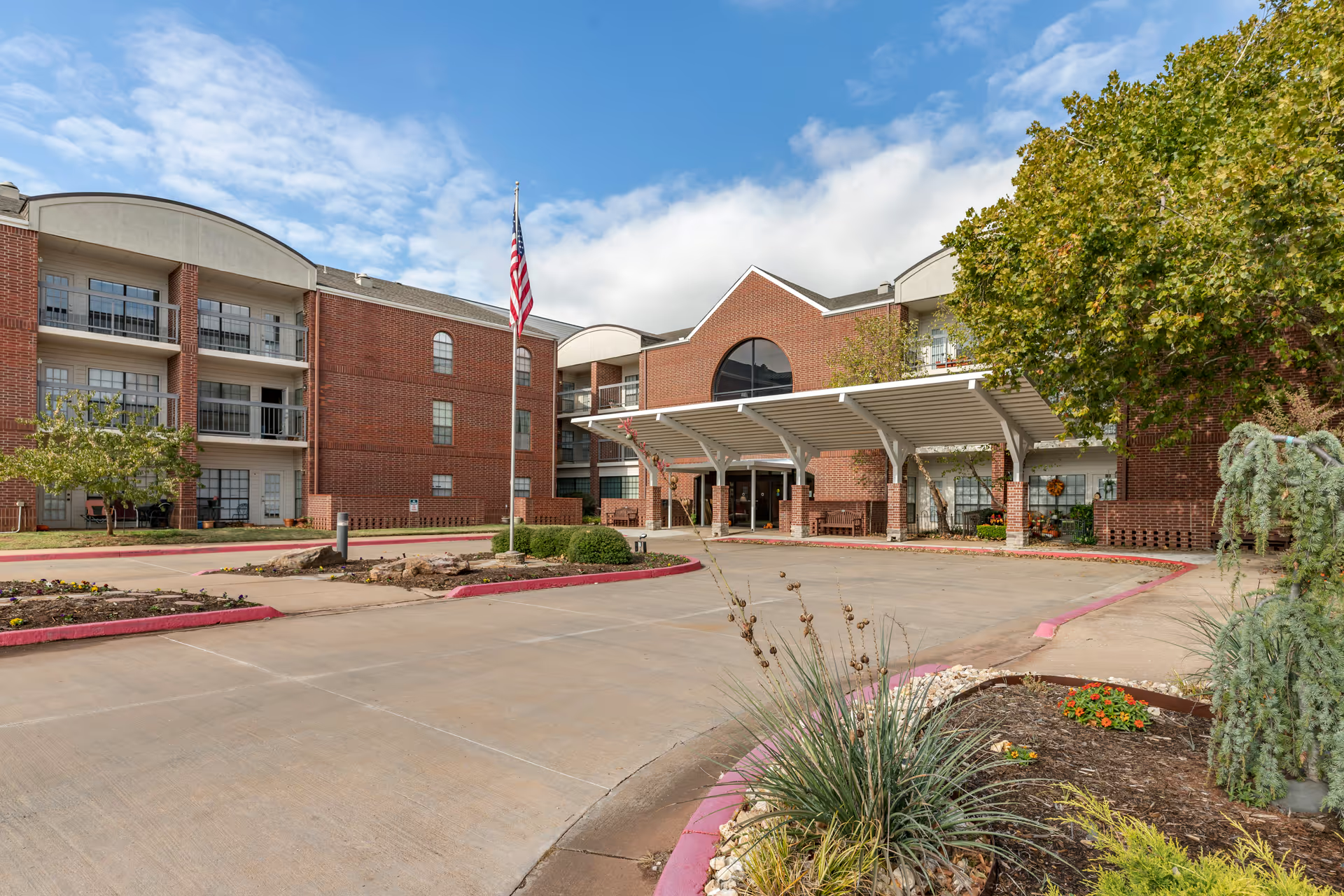
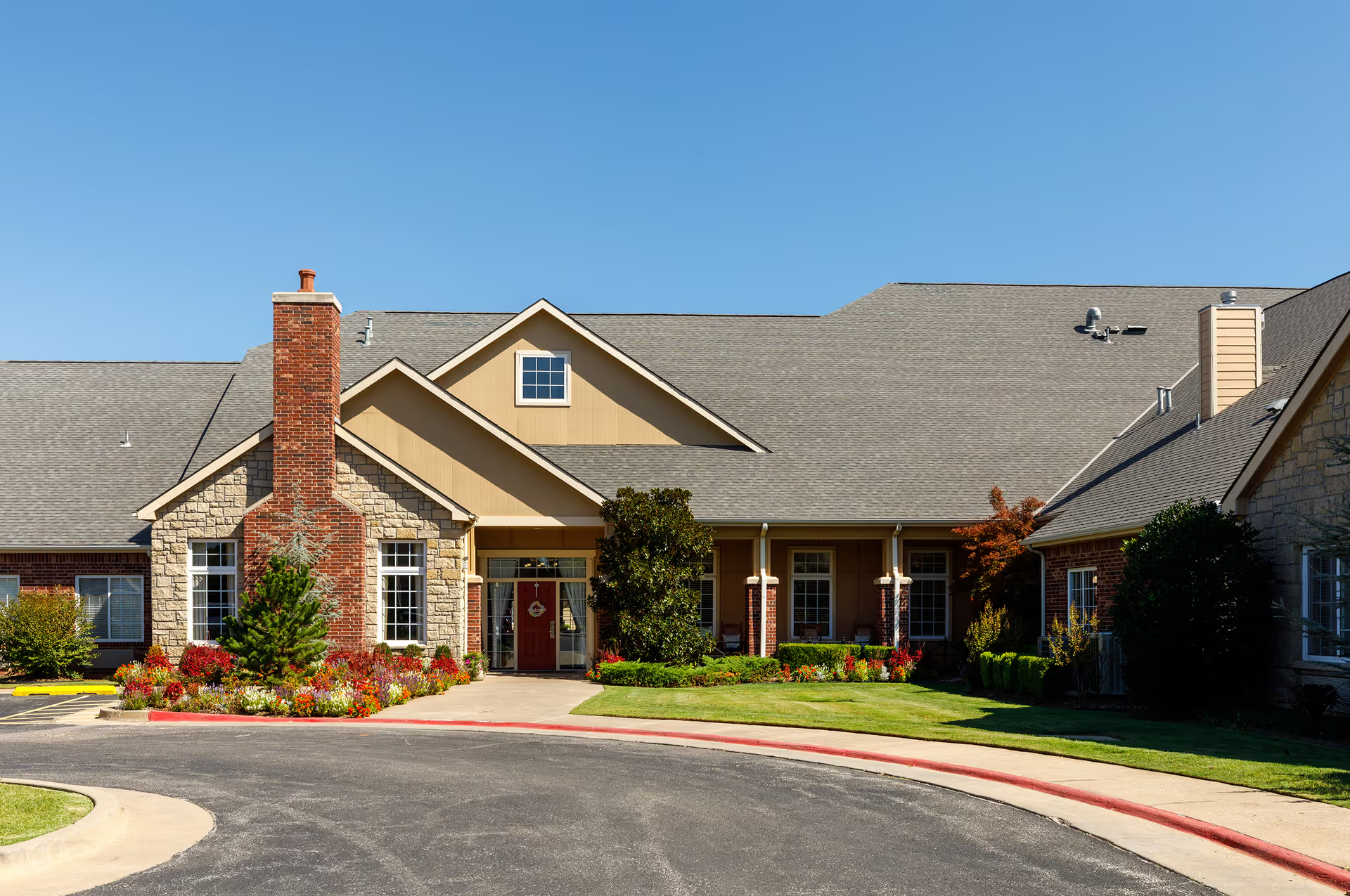
Emerald Care Center Midwest elicits strongly polarized impressions. The facility's rehabilitation services are consistently cited as a major strength: physical and occupational therapy teams receive frequent praise for measurable functional improvement, successful discharge-to-home outcomes, and individualized therapy plans. Several reviewers credited the therapy program with notable gains in mobility and independence. Dedicated wound-care clinicians and named specialists also receive positive mention for resolving complex wound issues in some cases.
Staffing and day-to-day nursing care produce mixed evaluations. Many families and residents identify individual caregivers, aides, and therapists as compassionate, competent, and helpful; admission and administrative staff are often described as responsive and supportive. At the same time, reviewers note variability by shift and unit: reliance on agency or temporary nurses, uneven night and weekend staffing, and turnover contribute to discontinuity of care. There are recurring concerns about delays in responding to call lights and phone inquiries, inconsistent medication timing and documentation, and irregular assistance with personal-care tasks such as bathing and toileting.
Dining and nutrition are another area of divergence. Some residents describe adequate portions and pleasant dining spaces, but an equal or greater number of comments point to poor meal quality, cold or unappetizing offerings, and limited diabetic or special-diet options. The dining room and common areas are frequently described as spacious and comfortable, with activities such as live music and social events enhancing mealtime and communal engagement.
Activities and social programming are a clear strength for many guests. Reviewers highlight a busy activity calendar (bingo, music, social gatherings, exercise classes) and staff who encourage participation and family involvement. Housekeeping and public-area maintenance receive praise in numerous comments, though these positive notes are counterbalanced by consistent mentions of cleanliness and odor-control issues in select units and rooms.
Management and operational patterns show both positive and negative signals. Admissions staff and certain managers are routinely commended for helpfulness and clear coordination, but other reviewers describe unhelpful front-desk interactions, inconsistent communication with families, and limited discharge planning. Some families raised serious concerns about clinical incident handling, wound/drain management, and overall safety response—enough that calls for regulatory review were noted in a few accounts. Additionally, several reviewers felt marketing materials and star ratings did not align with on-site conditions.
Taken together, the pattern is one of strong clinical rehabilitation capacity and pockets of high-quality, compassionate staff, alongside systemic operational weaknesses: inconsistent staffing, variability in clinical and personal-care practices, and uneven facility maintenance and dining services. Prospective residents and family members would benefit from an on-site tour across multiple shifts, direct questions about staffing consistency, dietary accommodations, wound-care protocols, and documentation of discharge planning and clinical oversight before admission.