This facility’s reviews reflect a mixed but improving picture. In earlier periods families described significant operational problems—cleanliness and odor-control issues, poor phone access, limited responsiveness from nursing and clinical staff, and leadership instability. Those concerns were associated with delays in basic care tasks, inconsistent coordination with physicians and therapists, and gaps in how clinical incidents were communicated to families.
More recent comments indicate a notable turnaround after ownership and management changes. Reviewers describe friendlier, more attentive nursing teams, faster phone responses from administration, and comprehensive rehabilitation services that encouraged extended stays for therapy when needed. Several families highlighted a helpful administrator, staff who assisted with moving and transitions, and residents reporting satisfaction with care and the dining experience. The presence of a piano and occasional musical visits was cited as a positive for resident engagement.
Care-quality strengths appear concentrated in direct caregiver interactions and therapy programs; staff are repeatedly described as caring, professional, and supportive. At the same time, reviewers continue to note operational weaknesses that affect safety perception and family trust: inconsistent notification practices to families after clinical events, unclear follow-up when appointments are rescheduled, and occasional lapses in timely response to resident needs. These are manifested as communication gaps between clinical teams and families and delays tied to staffing levels.
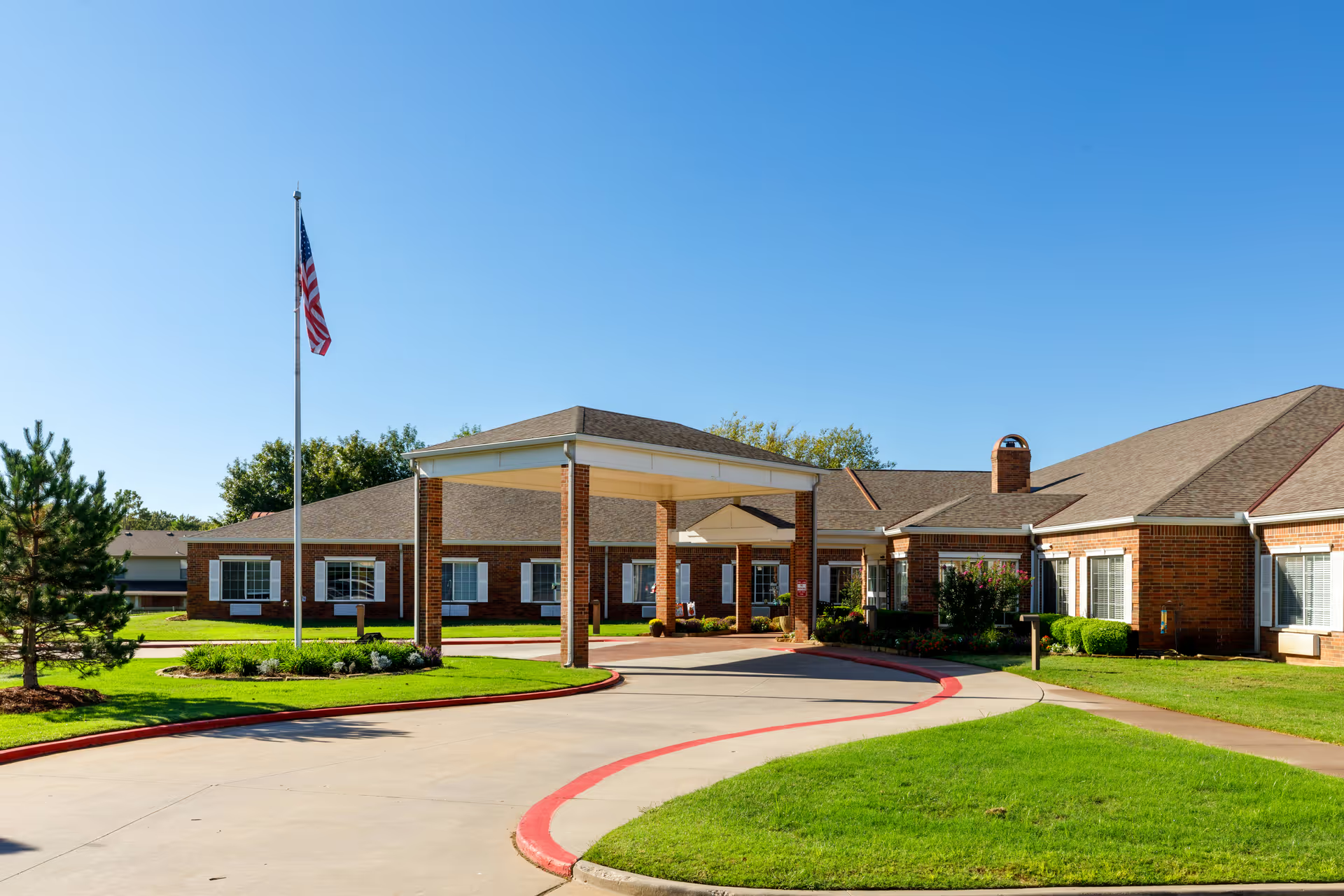
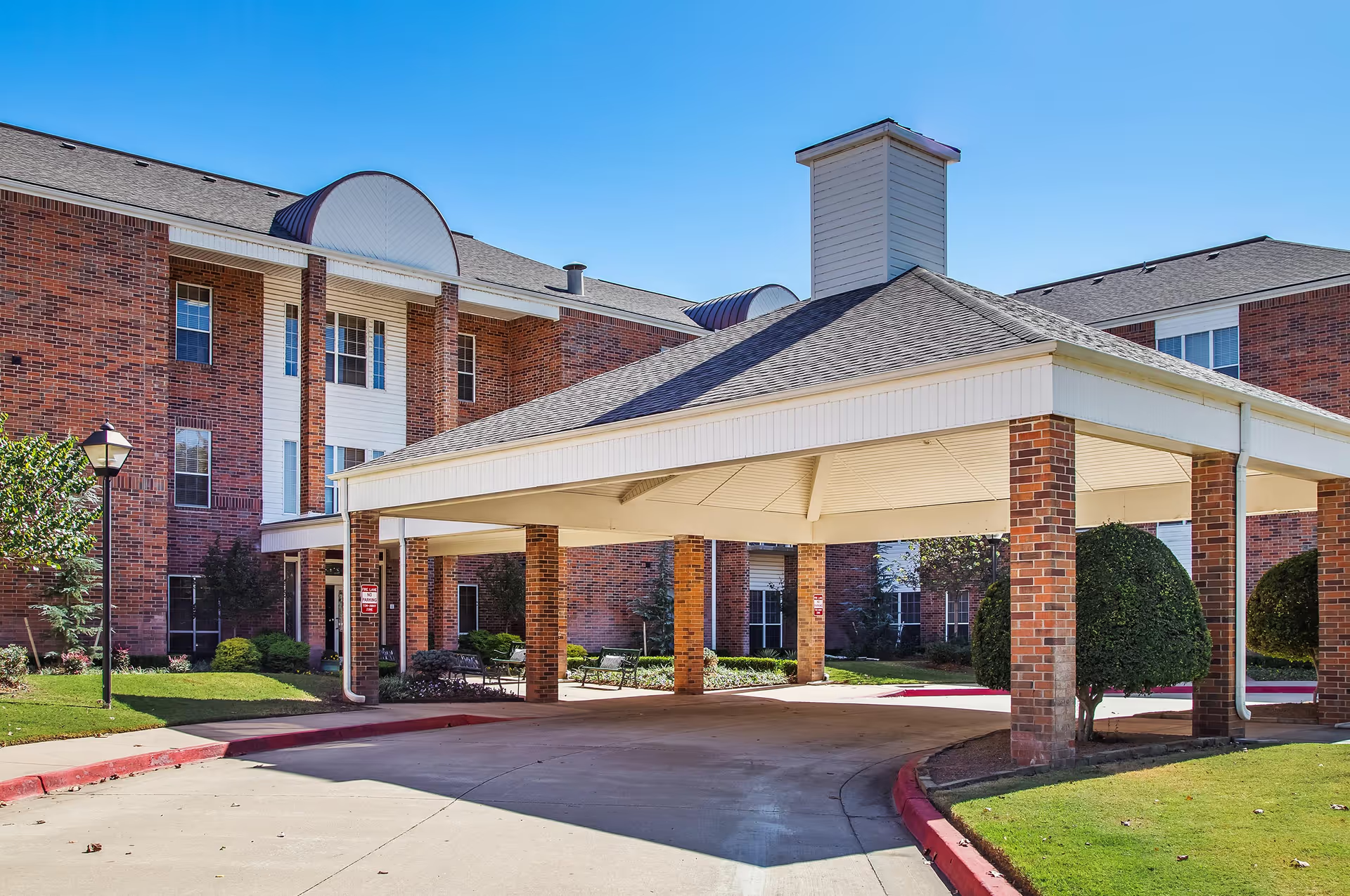
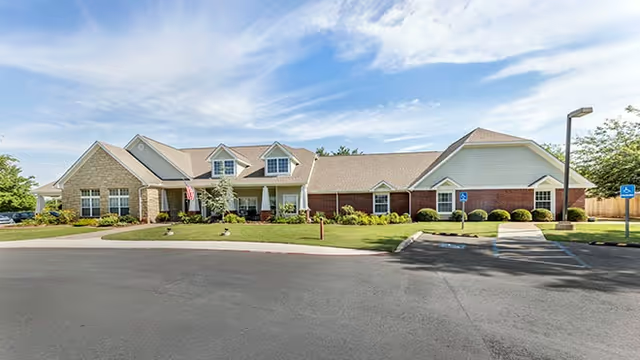
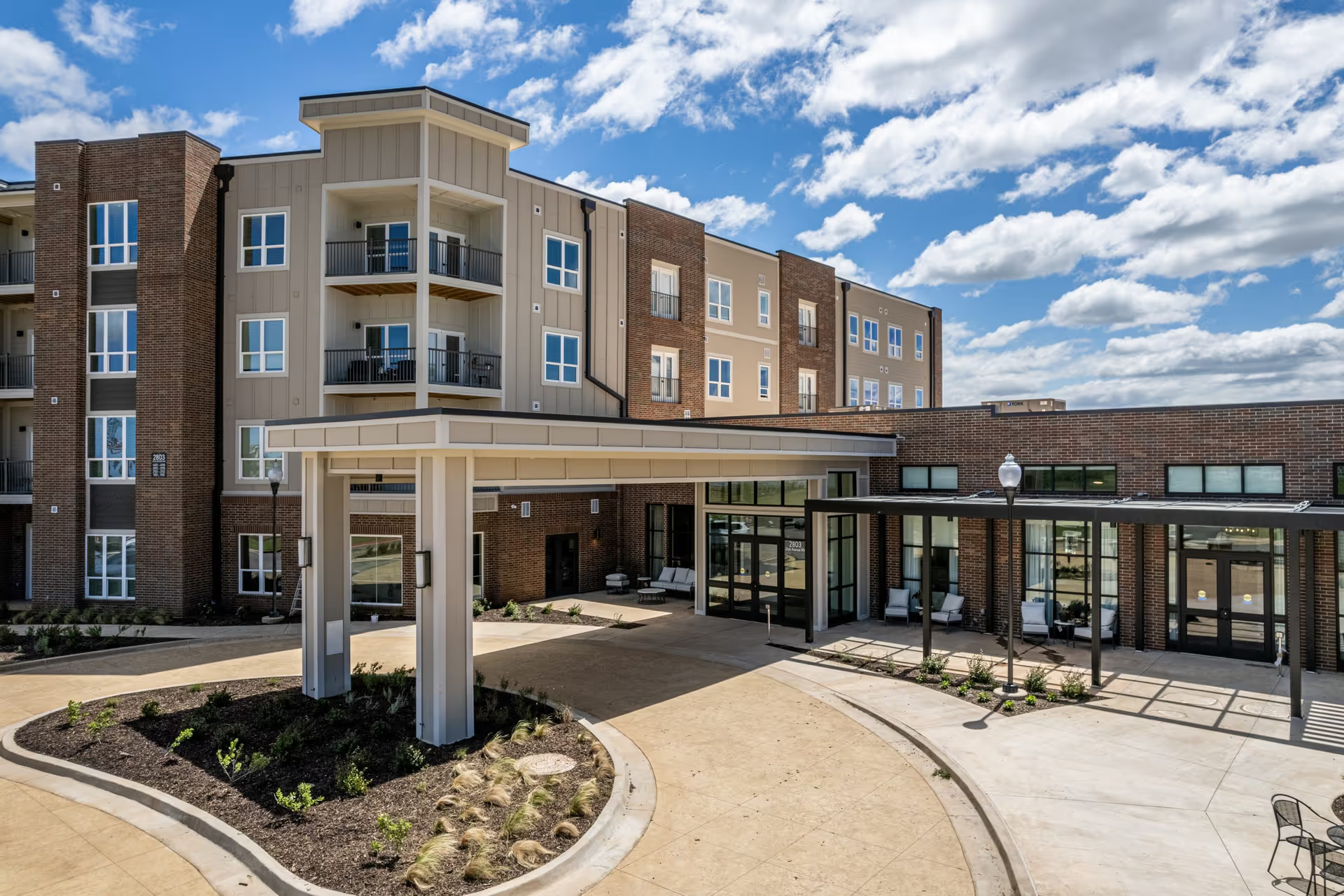
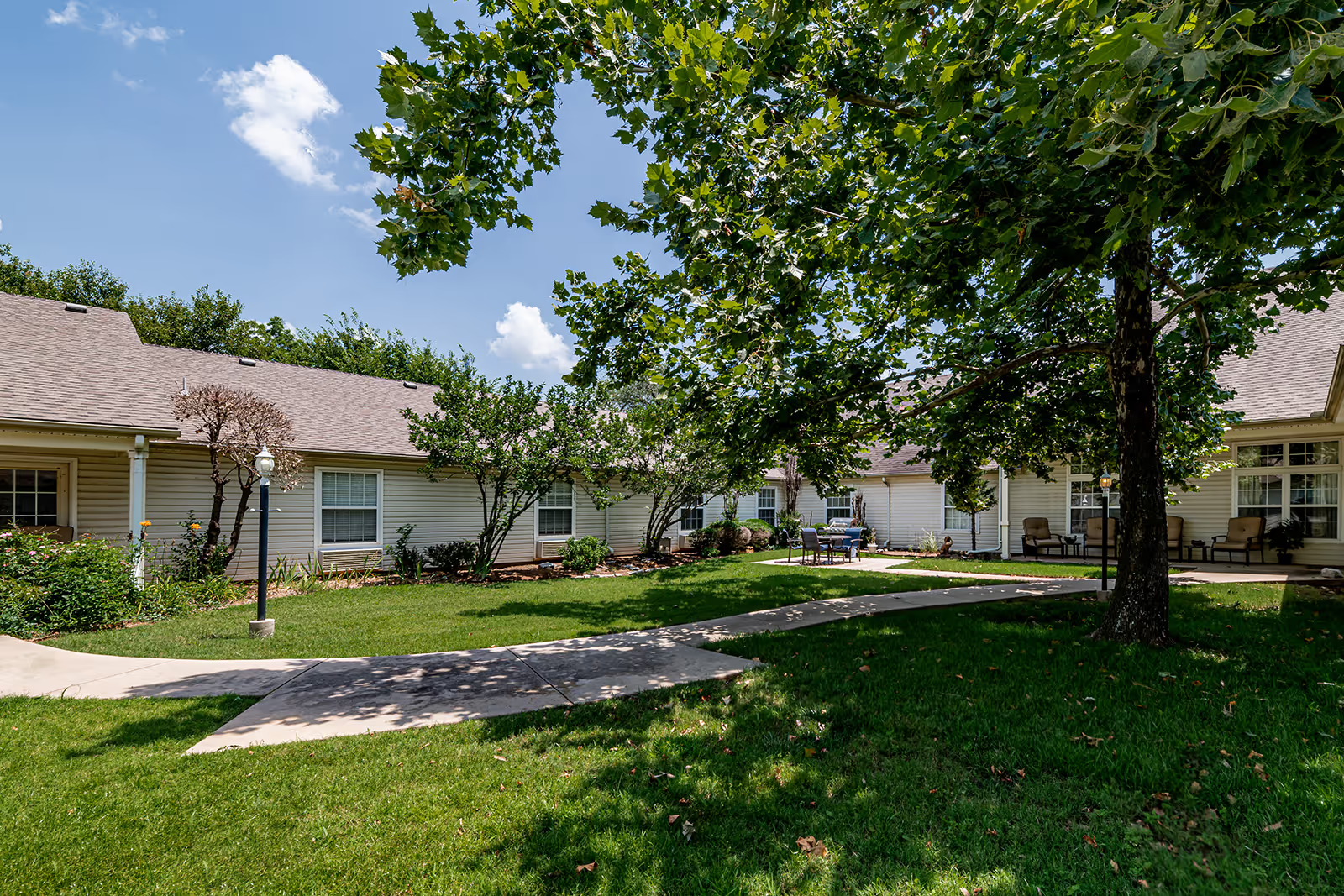
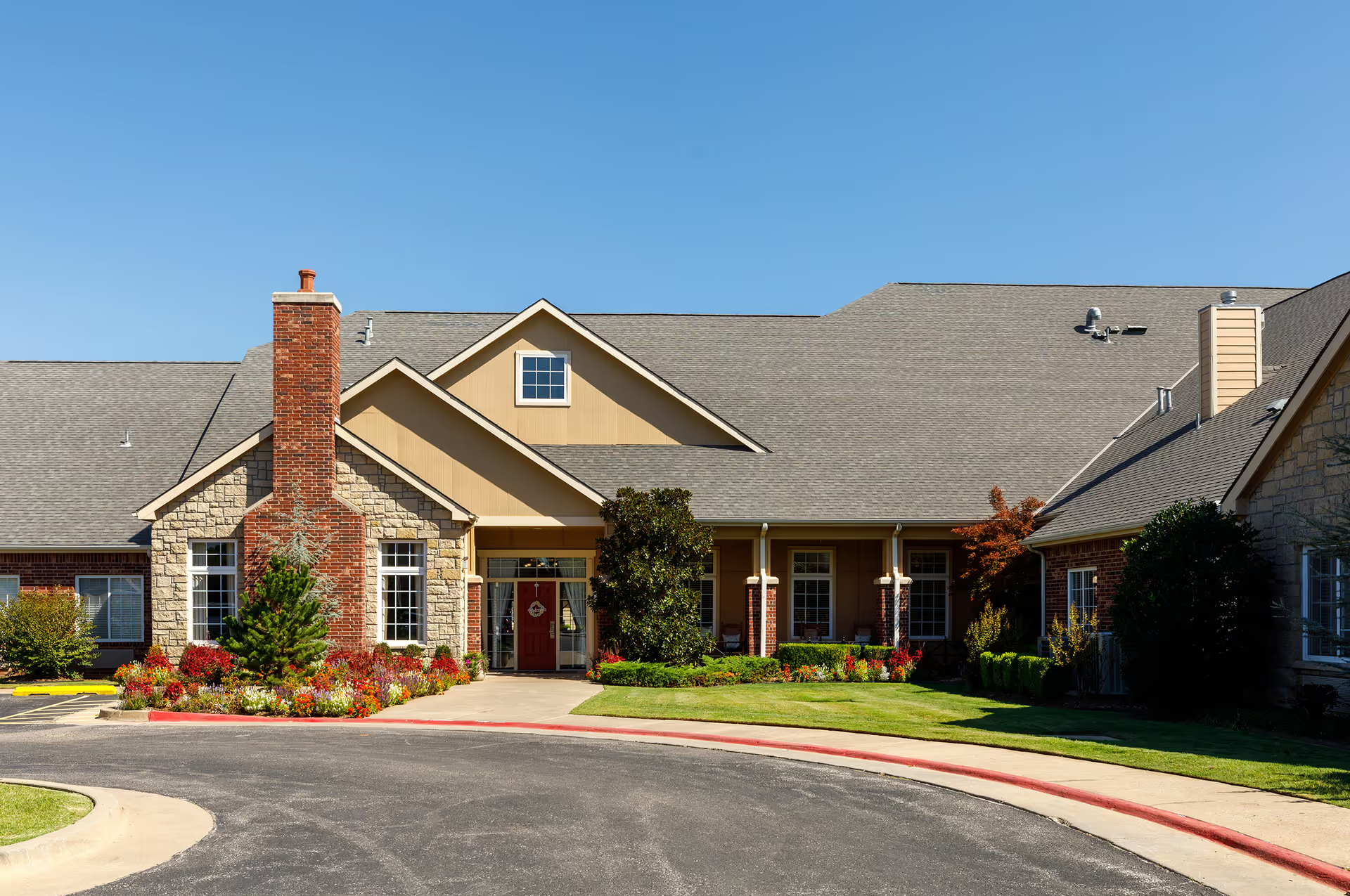
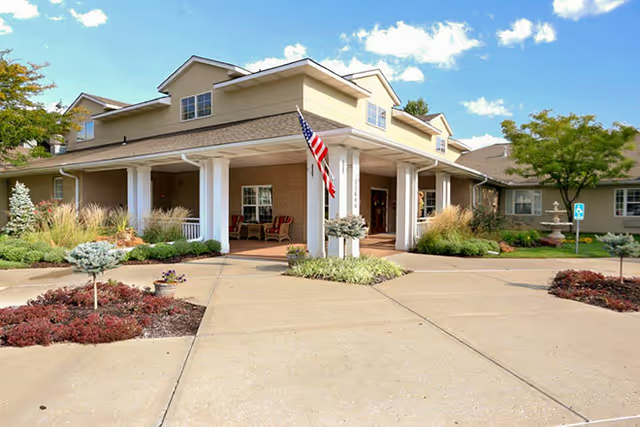
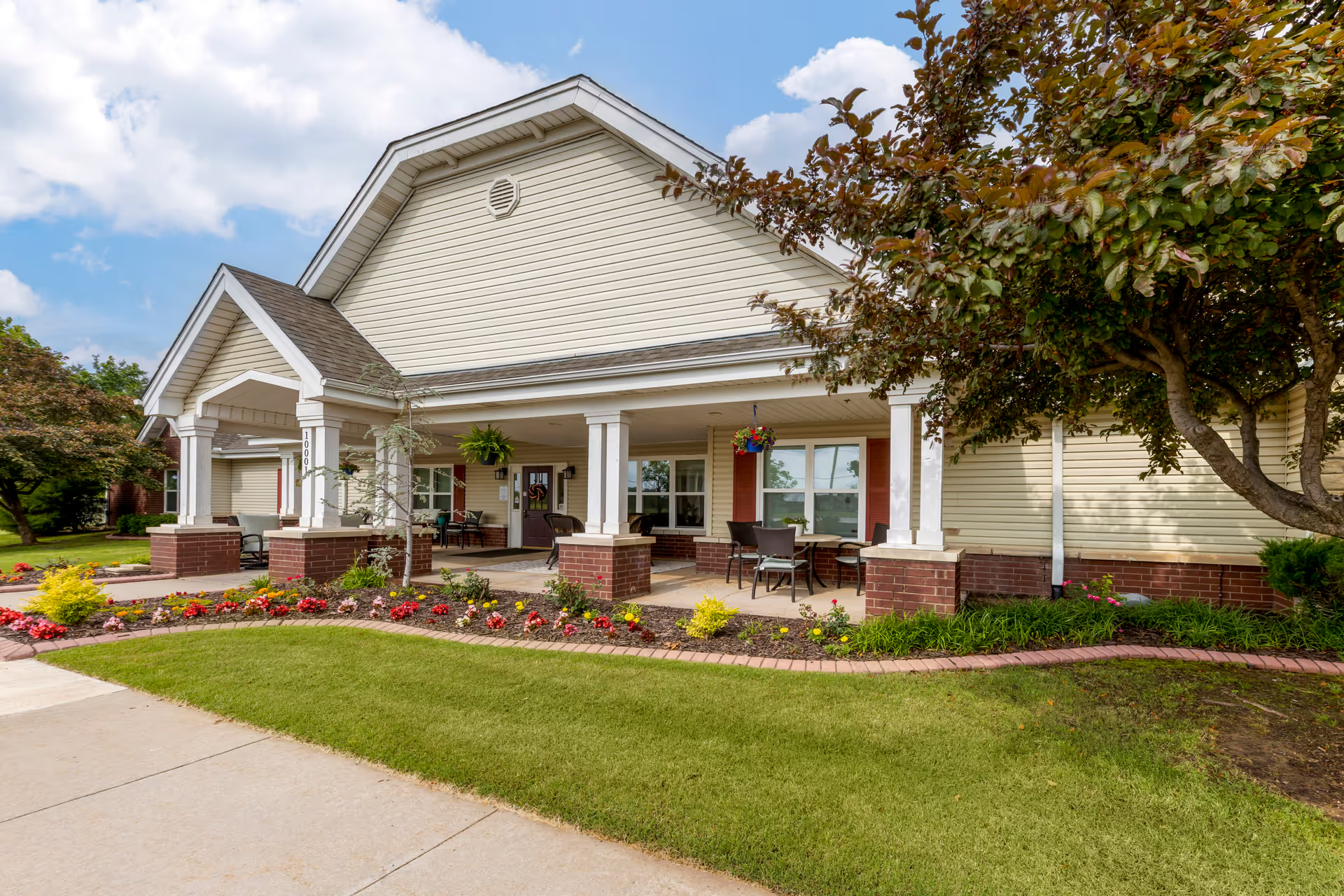
Facility condition and atmosphere have improved under new management, with several families noting cleaner common areas and a more pleasant appearance. However, historical sanitation and odor-control concerns, as well as a previously ‘‘run-down’’ or institutional feel, were meaningful negatives for earlier residents and remain a point of sensitivity for prospective families. Noise levels and the overall stimulus level in common areas were also called out—some found the environment uplifting, while others described it as noisy or insufficiently engaging.
Management stability is the central determinant of experience at this facility: when leadership is responsive and staffing adequate, families report positive outcomes, effective therapy, and a respectful care environment. When leadership is in flux or staffing is constrained, persistent issues reappear, primarily around communication, timeliness of care, and environmental maintenance. Prospective residents and families should ask about current leadership, staffing ratios, incident-notification protocols, and mobility/eligibility policies during their tour to confirm the present operational status.