Overall impression: Reviews present a mixed but informative picture. Positive comments emphasize attentive caregiving, satisfactory clinical care, and an active social program that contributes to residents having "good times." Families expressed gratitude for staff interactions and for aspects of the facility's day-to-day operations. At the same time, reviewers raised operational concerns that suggest areas where management attention could improve family confidence and resident experience.
Care and staff: Reviewers highlighted compassionate, caring staff and generally satisfactory clinical care. Staff–resident interactions are described positively, and family gratitude indicates that caregiving meets expectations for attentiveness and basic clinical needs. Counterbalancing that, there are indications of inconsistent service quality across different shifts or departments; this suggests variability in performance rather than a uniformly applied standard of care.
Dining and activities: Activity programming receives positive mention insofar as residents have opportunities for social engagement and "good times." There was no detailed or consistent commentary about dining quality in the summaries provided, so no firm conclusions can be drawn; prospective families should seek current menus and samples or speak with residents for a direct sense of meal quality and meal-service consistency.
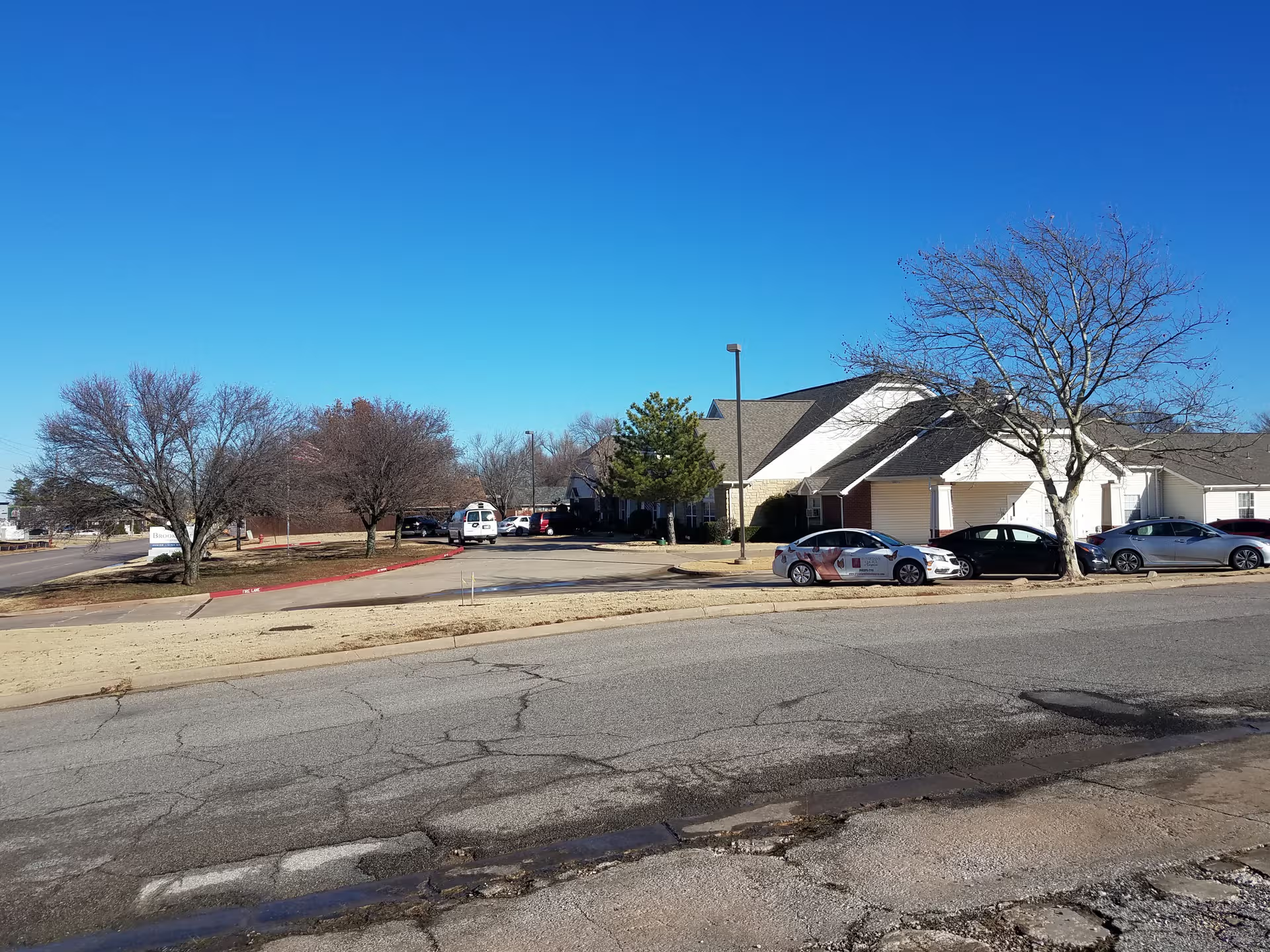
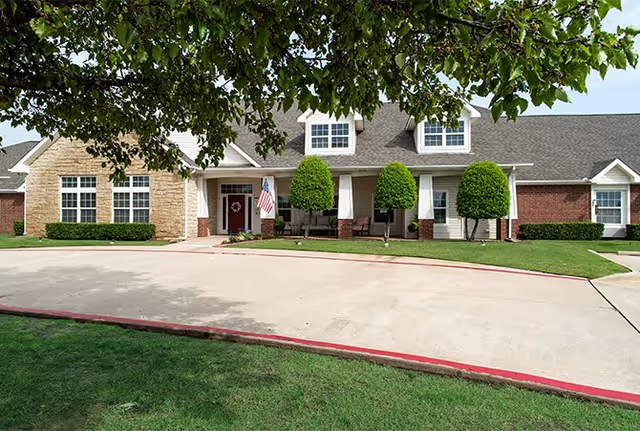
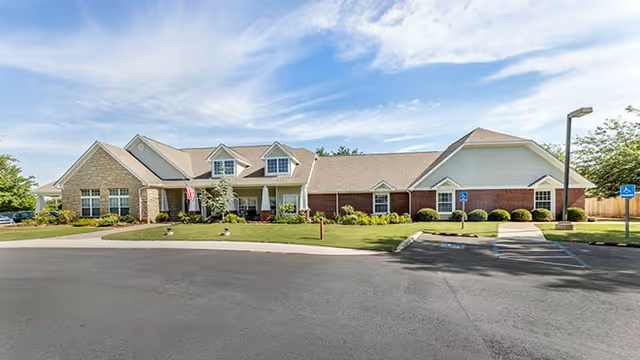
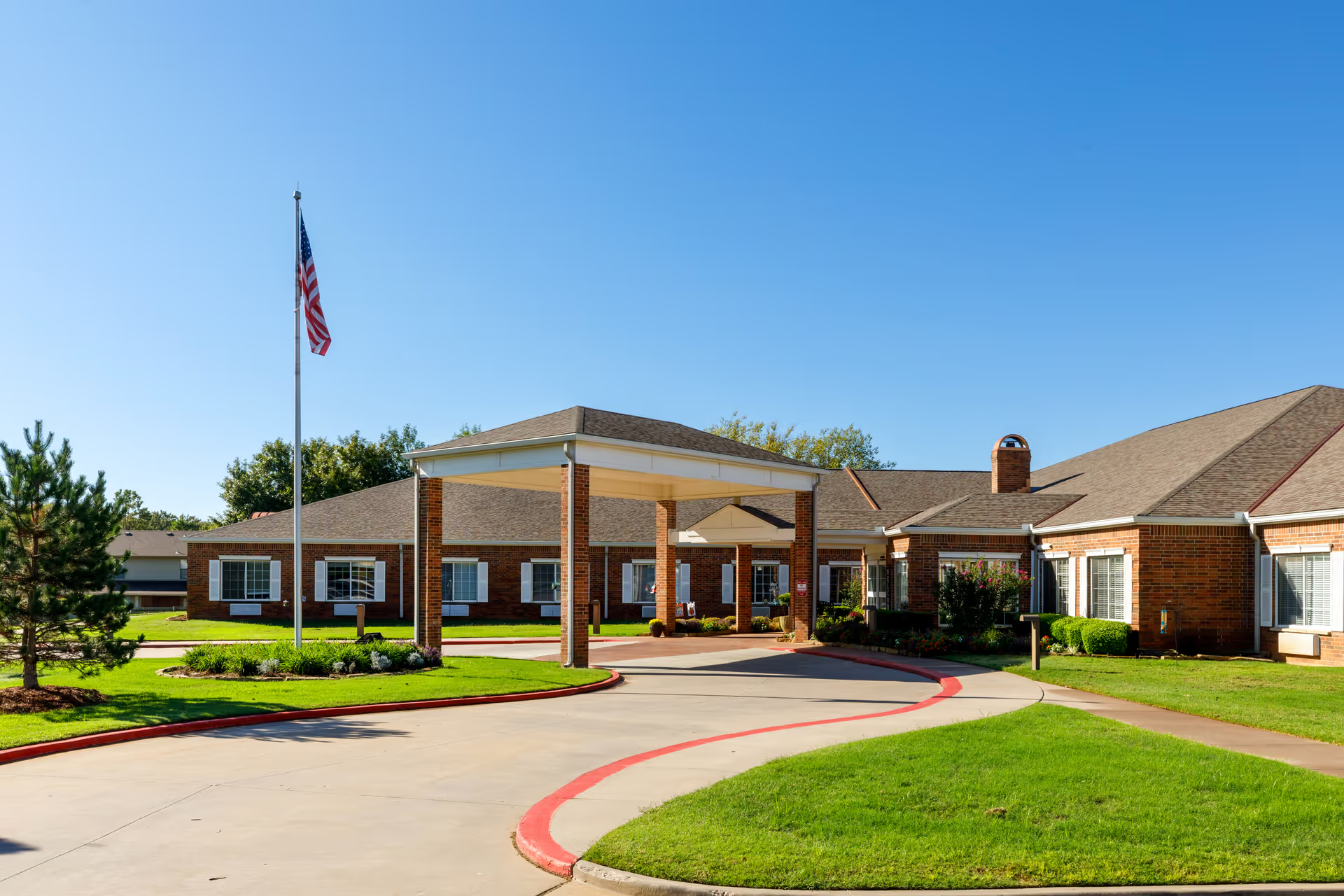
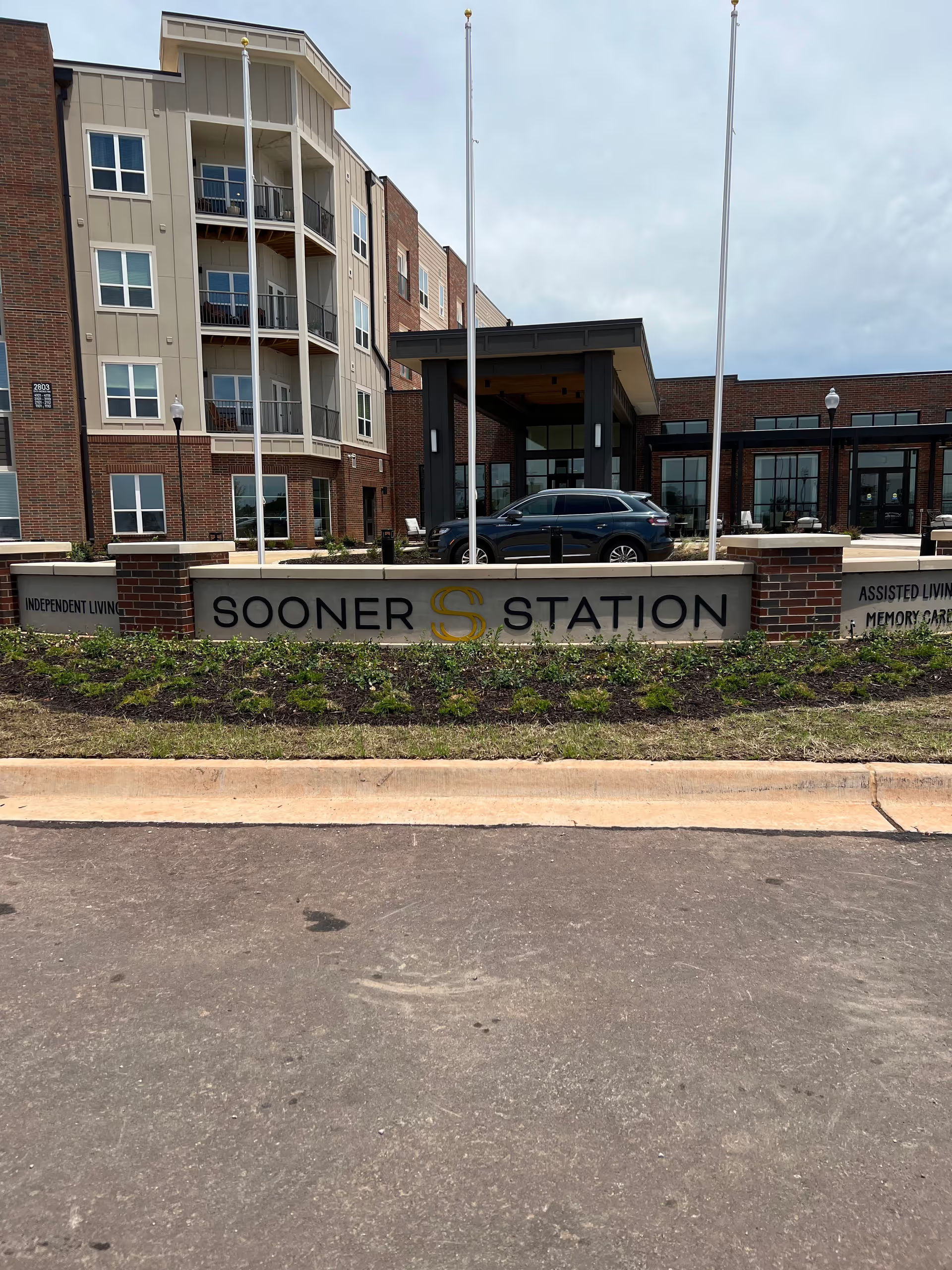
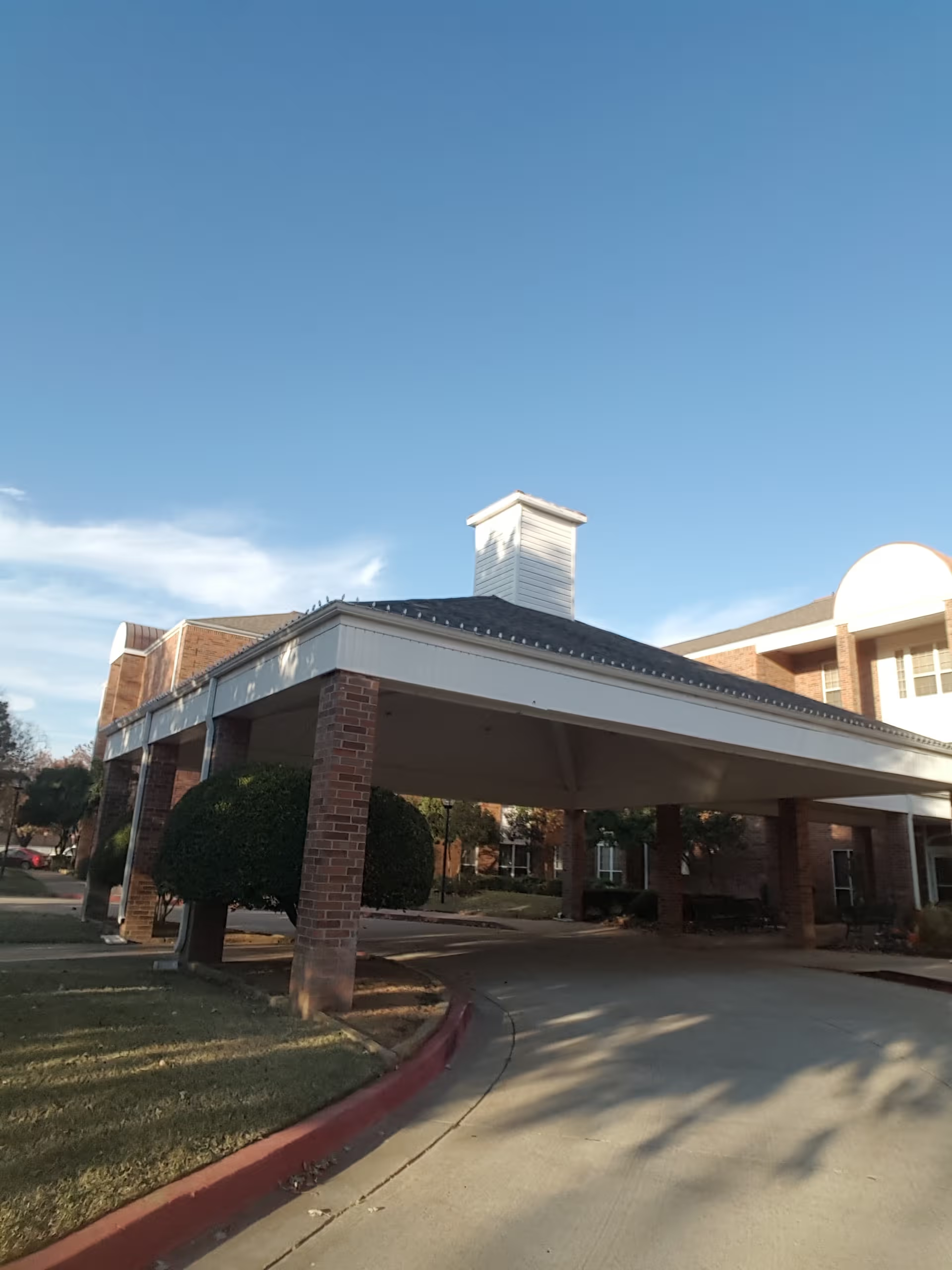
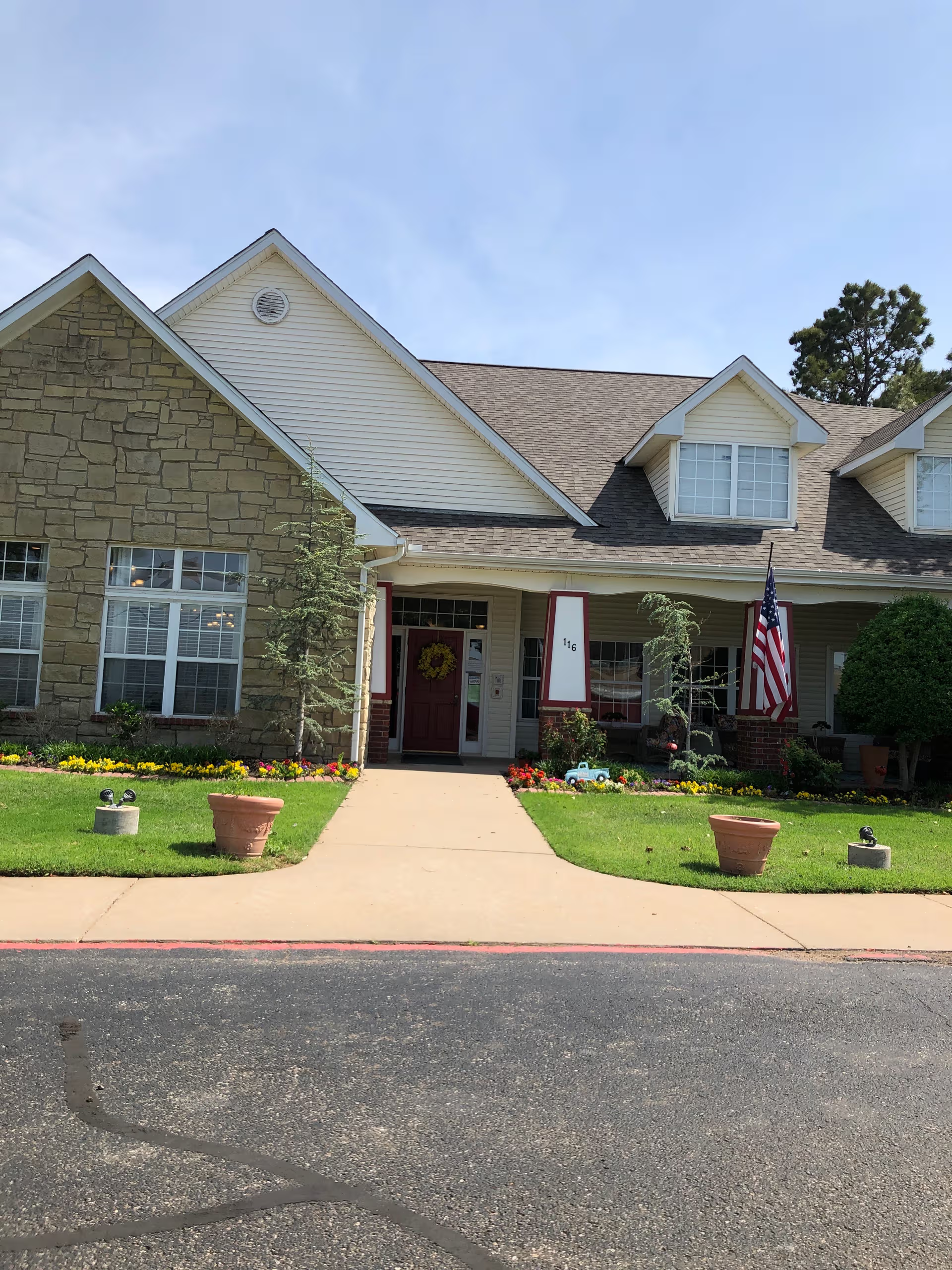
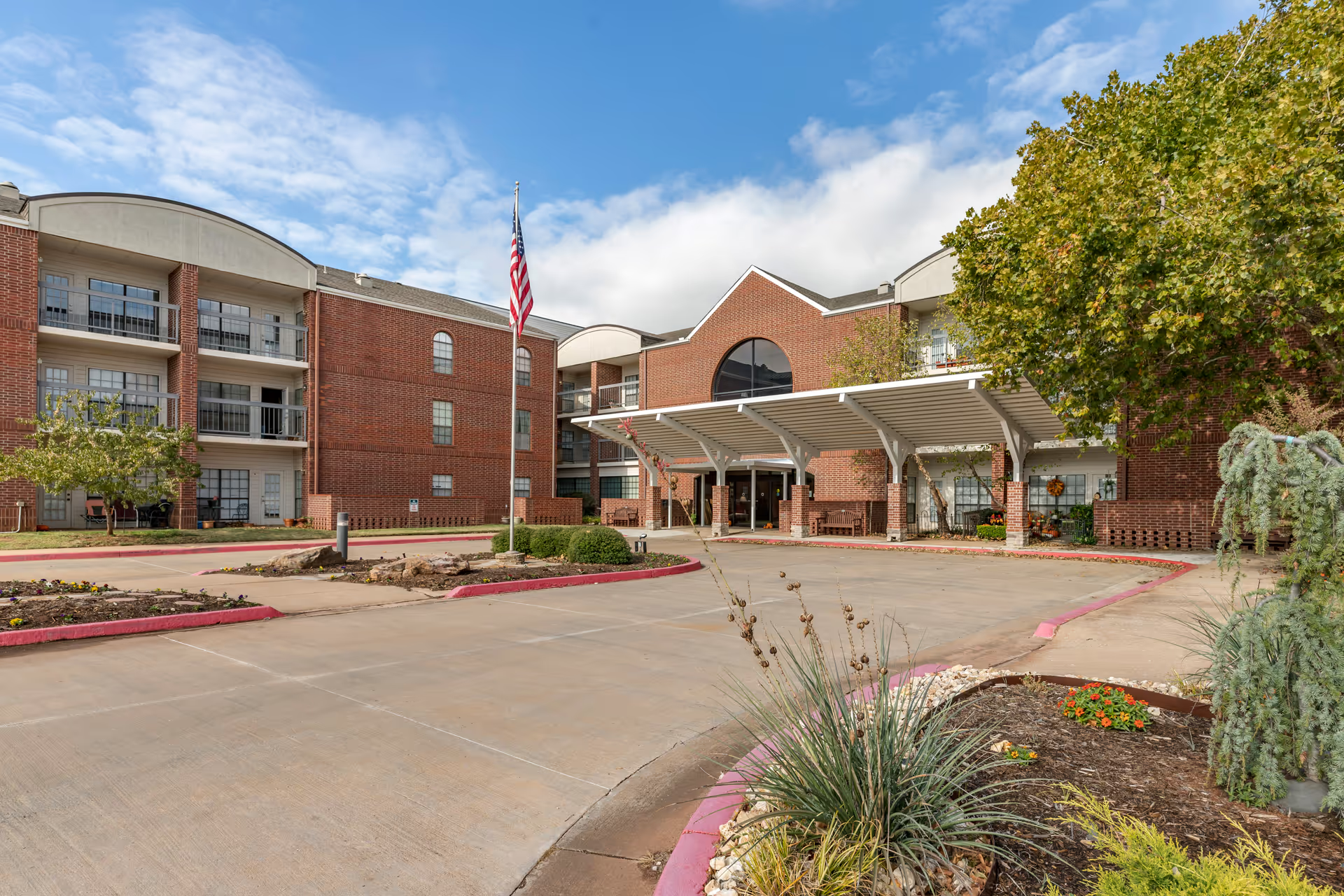
Facilities: The summaries offer limited detail about physical plant or room-level conditions. Where facility-related concerns appear, they relate to operational consistency and areas requiring improvement rather than specific, systemic facility failures. An in-person tour is recommended to assess cleanliness, maintenance, and communal spaces.
Management and communication: Management shows strengths in organized administrative or business practices, but important communication gaps were reported. An unresponsive phone line and a general legitimacy/transparency concern were specifically noted; these point to accessibility and public-information weaknesses that can affect families' ability to verify credentials, ask questions, or get timely updates. Implementing clearer public information about licensing/ownership and improving inquiry responsiveness would likely address several reviewer concerns.
Notable patterns and recommendation: The dominant pattern is a combination of solid hands-on caregiving and engaging programming with operational inconsistencies and communication limitations. That pattern suggests the facility performs well at the point of care but would benefit from stronger, systematized quality-improvement processes and clearer external communications. Prospective residents and families should prioritize a tour, meet direct-care staff, request documentation about licensing and ownership, and test contact channels (phone/email) to verify responsiveness before making decisions.