Reviews present a mixed picture: individual caregivers are praised for compassionate, hands‑on attention, while systemic operational issues raise substantive concerns about consistent clinical care and management. Positive comments emphasize staff members who make a meaningful difference for residents and a generally well‑kept, homelike physical environment. At the same time, accounts point to patterns that may affect overall quality of care.
Care quality: Feedback suggests variability in clinical care. There are specific concerns about skin‑integrity management (pressure‑ulcer prevention and treatment) and delays or inconsistencies in bedside care. Those issues point toward gaps in routine nursing surveillance and preventive skin care protocols rather than isolated compliments about individual staff performance. Families also described diminished responsiveness during critical periods, which can compound clinical risks for vulnerable residents.
Staff: Several comments underscore strong, compassionate individuals who provide attentive, personalized support. However, those positives coexist with indications of staffing shortages and heavy workloads that contribute to inconsistent care delivery. There are also concerns about staff conduct and the tone of communication with residents and families; these communication and behavior issues appear to be localized to certain personnel but have broader implications for resident experience and family trust.
Dining and activities: Review content did not include substantive detail about dining programs or organized activities. The absence of commentary makes it difficult to assess meal quality, menu variety, therapeutic diets, or the breadth and regularity of recreational programming from these summaries alone.
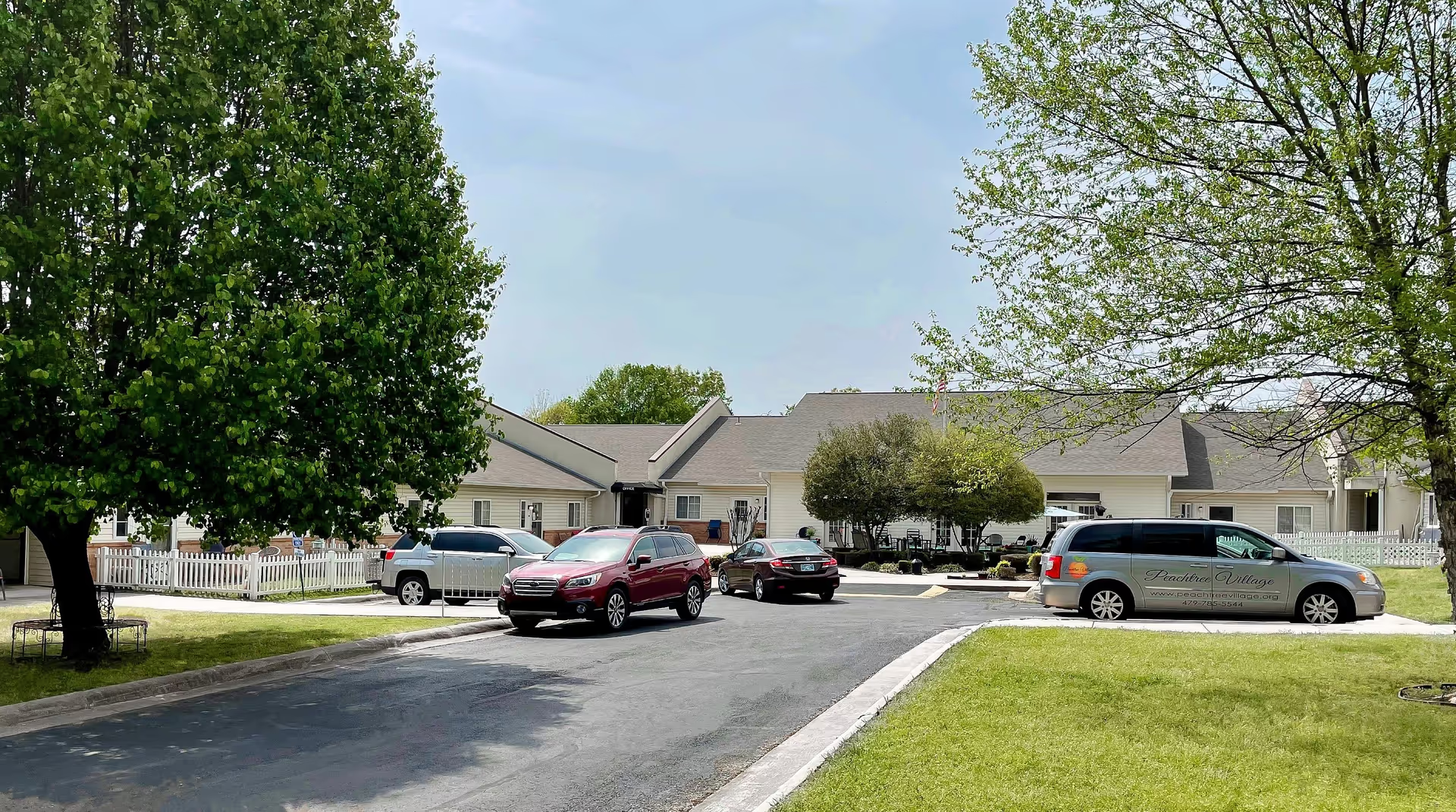
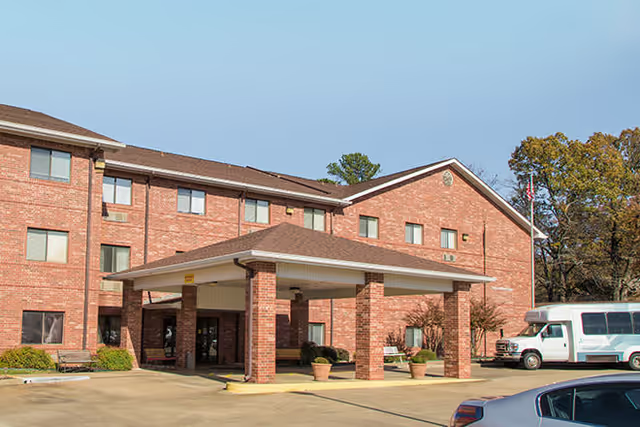
Facilities: Descriptions of the physical plant are generally favorable, characterizing the setting as a fine, homelike environment. That suggests an acceptable level of upkeep and residential comfort, though cleanliness and sanitation specifics were not detailed beyond general concerns tied to care practices.
Management and administration: There are serious concerns about management and ownership practices, including allegations of questionable business conduct and a perceived lack of integrity at the leadership level. Those concerns, combined with reports of overworked staff, indicate potential organizational and resourcing weaknesses that may affect staffing stability, policy enforcement, and quality‑assurance processes.
Notable patterns: The dominant pattern is a contrast between high‑quality, compassionate care from certain employees and system‑level weaknesses that produce inconsistent outcomes. Key operational themes to investigate further before placement include staffing levels and scheduling, wound‑prevention and skin‑care protocols, staff training in communication and resident interactions, and the facility’s transparency with families—especially during clinical incidents and end‑of‑life care. Prospective residents and families should consider in‑person visits, ask for recent staffing and quality metrics, and request examples of how the facility addresses identified concerns to gauge whether individual caregiver strengths are supported by reliable organizational practices.