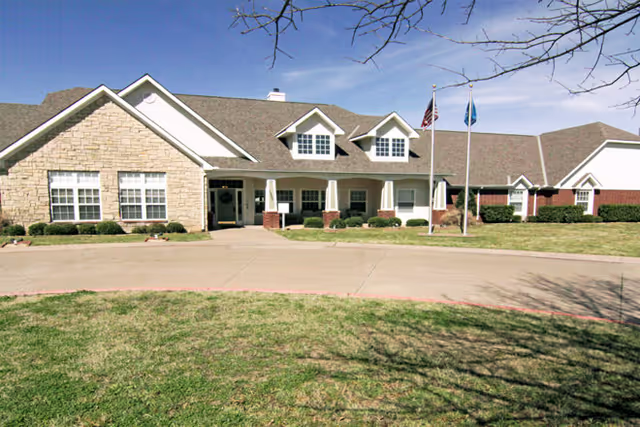
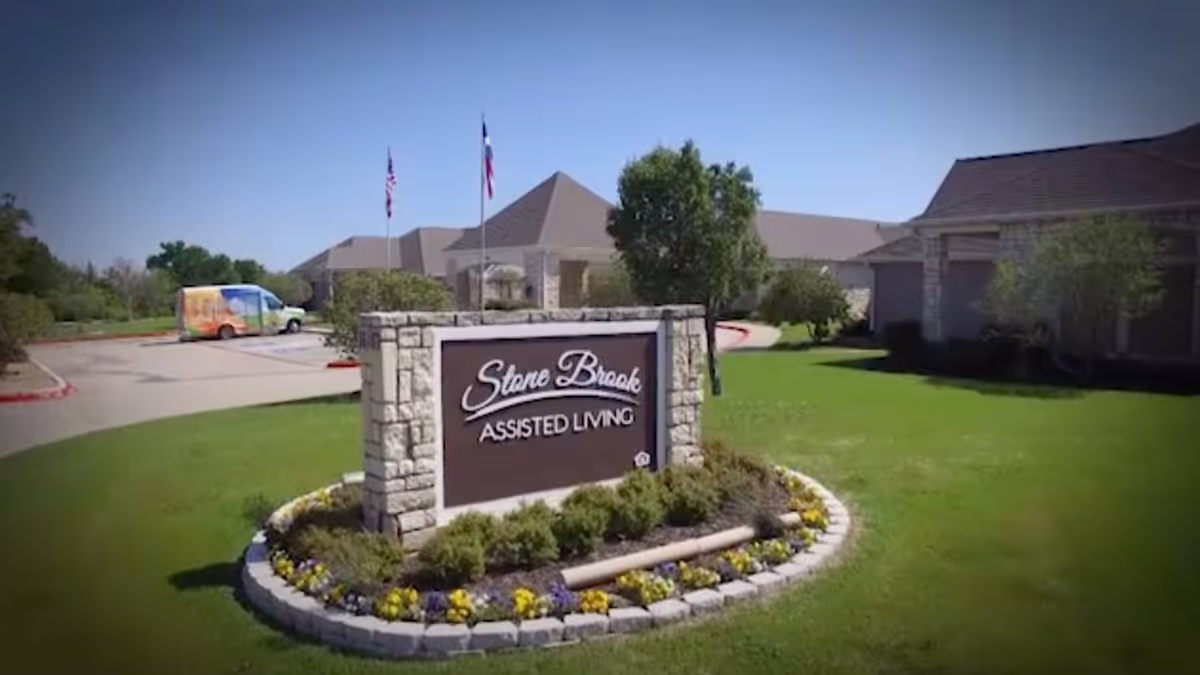
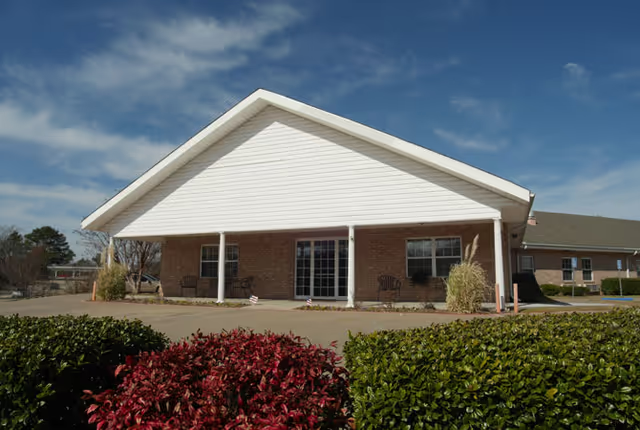
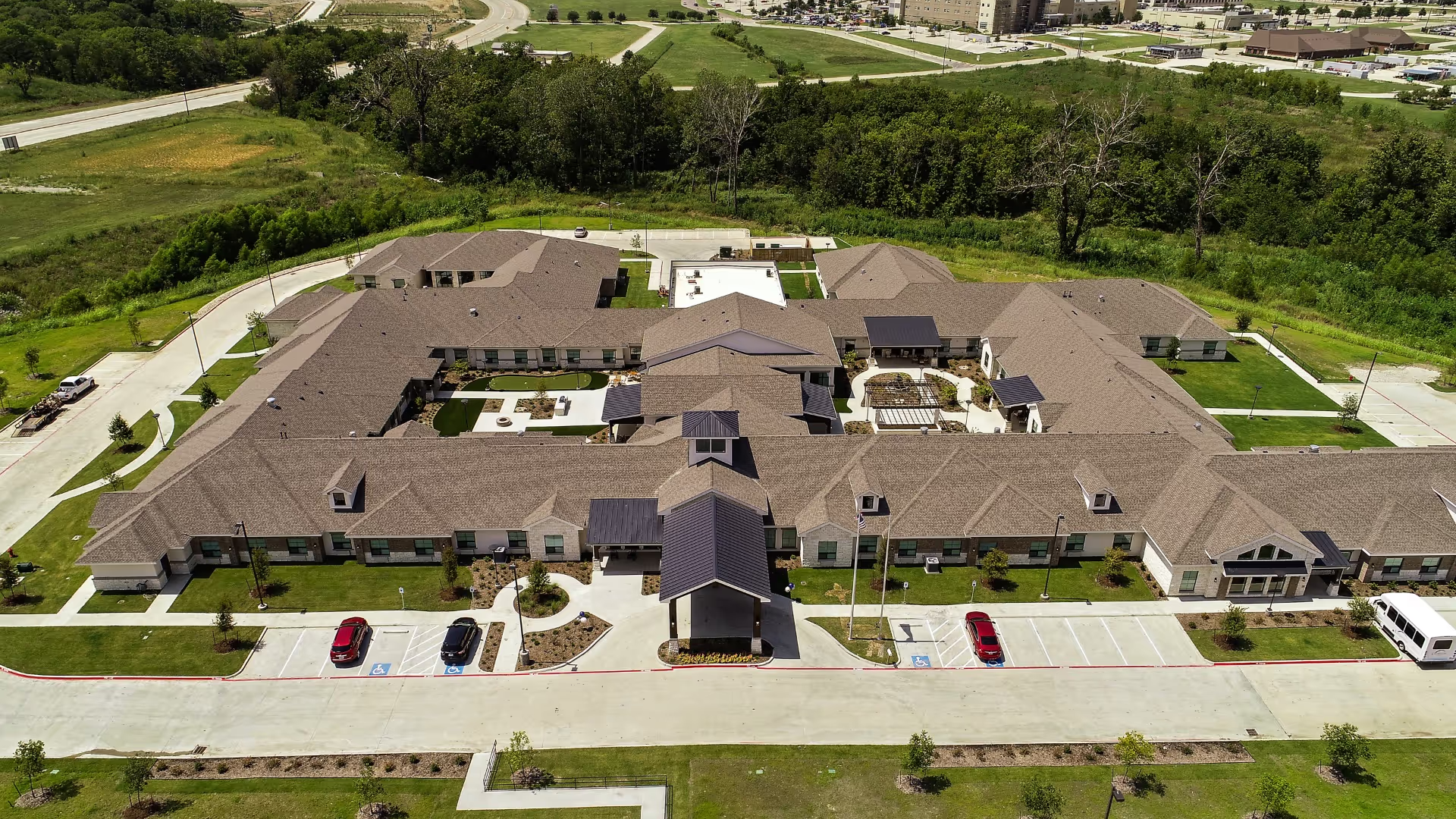
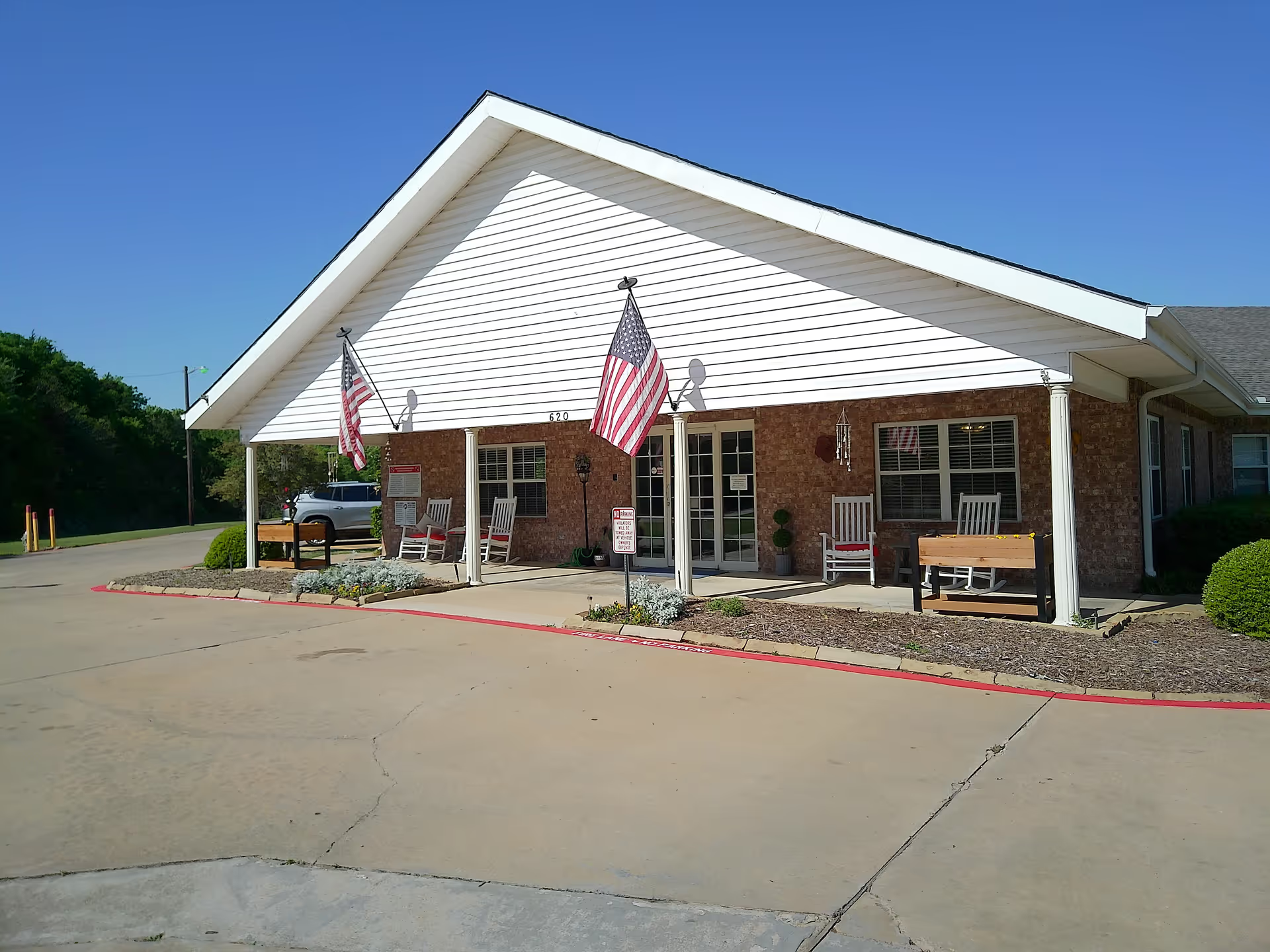
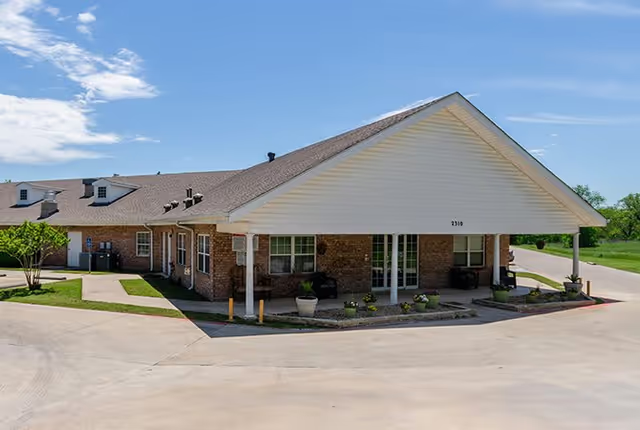
The reviews for this provider are mixed, showing clear strengths in the physical environment and individual staff interactions alongside repeated operational concerns about basic-care delivery. Several comments describe a clean, well-kept facility and staff who can be friendly and helpful; at least one family reported a positive placement experience for a very elderly relative. At the same time, other accounts identify substantive problems with day-to-day personal care and safety that have undermined confidence for some families.
Care quality appears variable. Positive impressions focus on facility cleanliness and some staff members’ attentiveness, but there are also indications of inconsistent personal-hygiene assistance and delays in routine care. These issues translate into concerns about basic care continuity and an elevated perception of safety risk during transfers or other hands-on care activities. Prospective residents and families should verify care-plan follow-through, personal-care schedules (bathing, toileting assistance), and documented safety/transfer protocols during a tour.
Staffing and staff conduct are described in two different lights: many interactions are characterized as friendly and accommodating, yet there are also concerns about responsiveness, tone, and reliability. Such mixed signals can reflect uneven training, supervision, or turnover. When evaluating the facility, ask about staff-to-resident ratios, staff training programs, supervision practices, and how the facility handles staffing gaps or shift changes.
There is limited and inconsistent information regarding dining and activities in the available feedback. Reviewers did not provide detailed comments about menu quality, therapeutic-diet management, or the scope and frequency of social and recreational programming. Families should request sample menus, therapeutic-diet processes, and an activities calendar, and observe a mealtime and an activity if possible.
Facility-level observations are generally favorable with respect to cleanliness of common areas, but operational concerns in personal care suggest a distinction between environmental housekeeping and assistance with residents’ daily needs. In other words, public spaces may be well maintained even when personal-care delivery is inconsistent. During a visit, inspect resident rooms, linen practices, and housekeeping schedules, and ask how incontinence-care and room-cleaning are coordinated with nursing staff.
Management and communication emerge as areas for focused inquiry. The pattern of variable care and concerns about responsiveness points to potential gaps in supervision, incident follow-up, and family communication. Ask managers about incident-reporting procedures, family notification protocols, care-plan meeting frequency, and how complaints are tracked and resolved.
Overall, the facility shows tangible strengths that may suit some residents, particularly if cleanliness and individual staff rapport are priorities. However, the pattern of inconsistent personal-care assistance, safety-practice gaps, and communication shortfalls suggests that families should perform a careful, targeted assessment before placement: conduct an in-person tour, speak with current family members of residents, review state inspection and staffing records, and obtain clear commitments about care plans, staffing levels, and communication expectations.