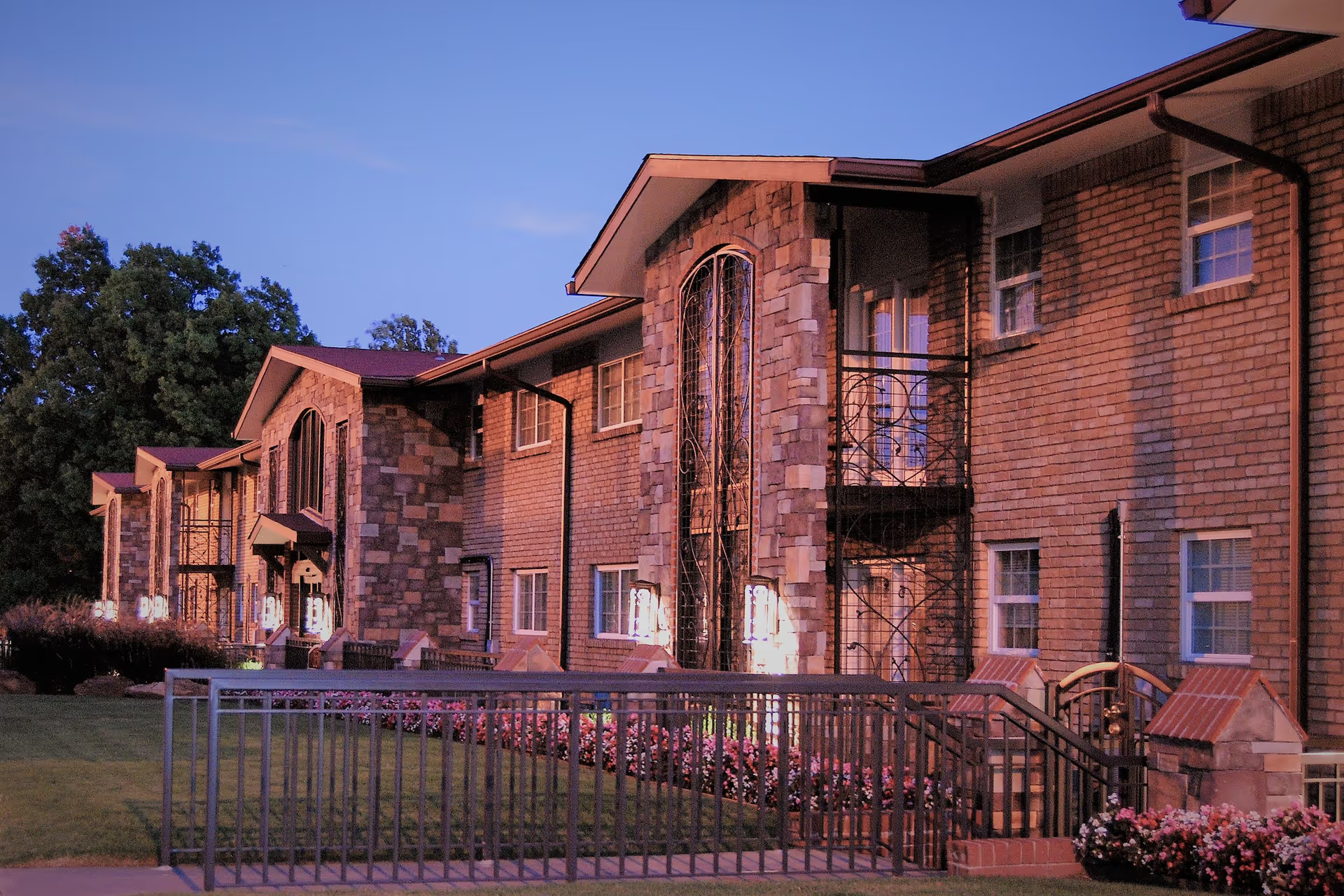
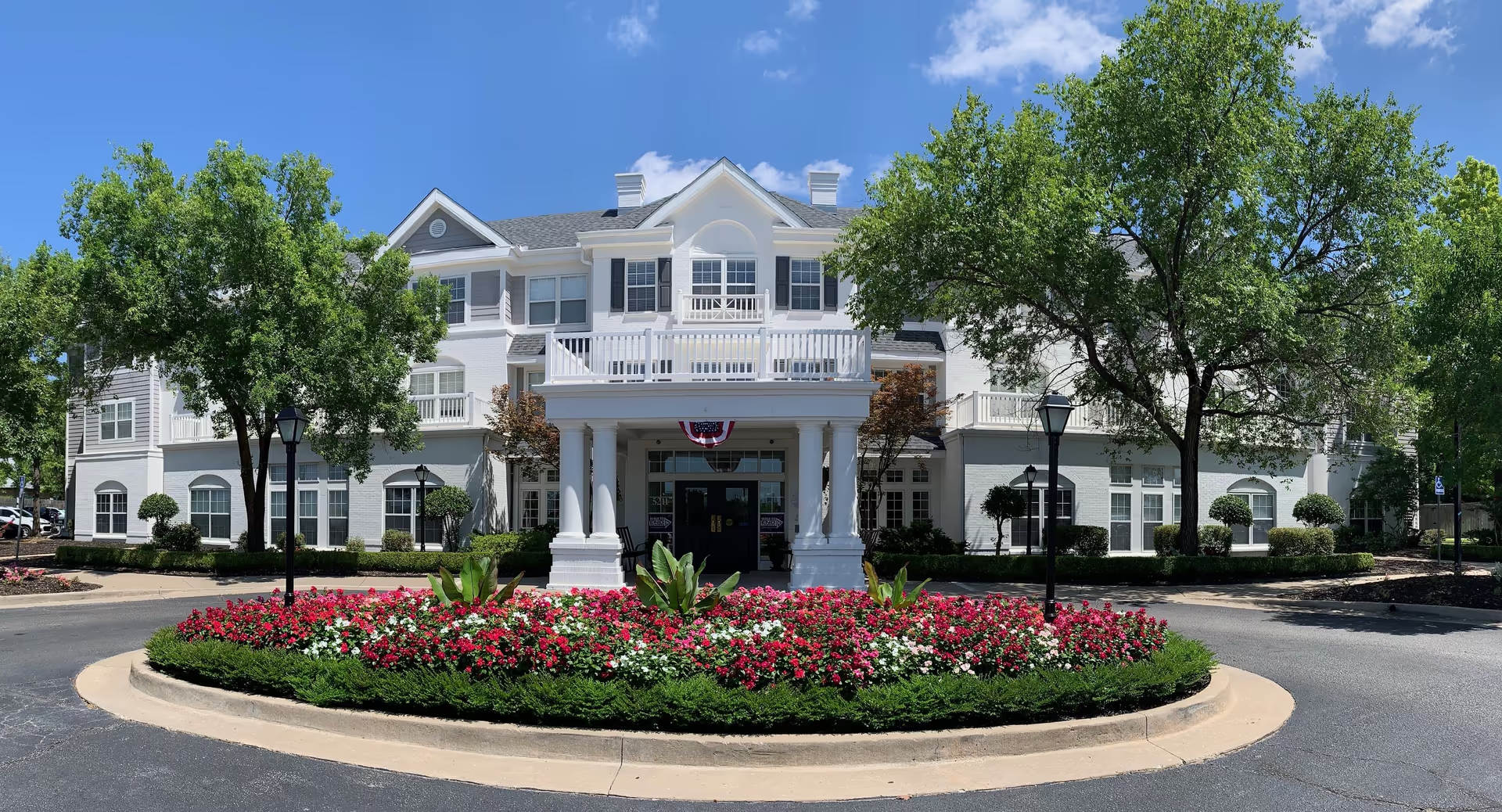
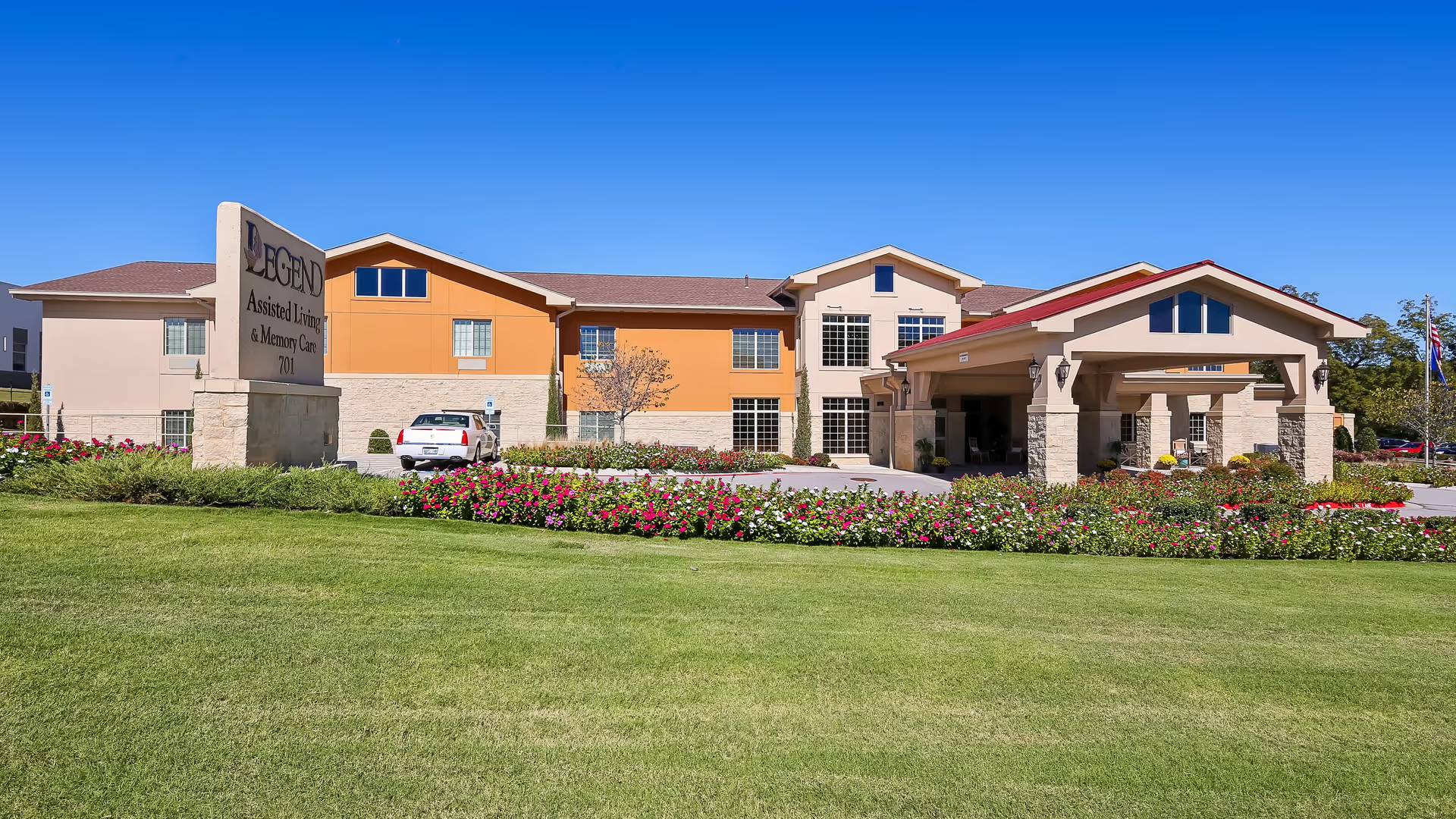
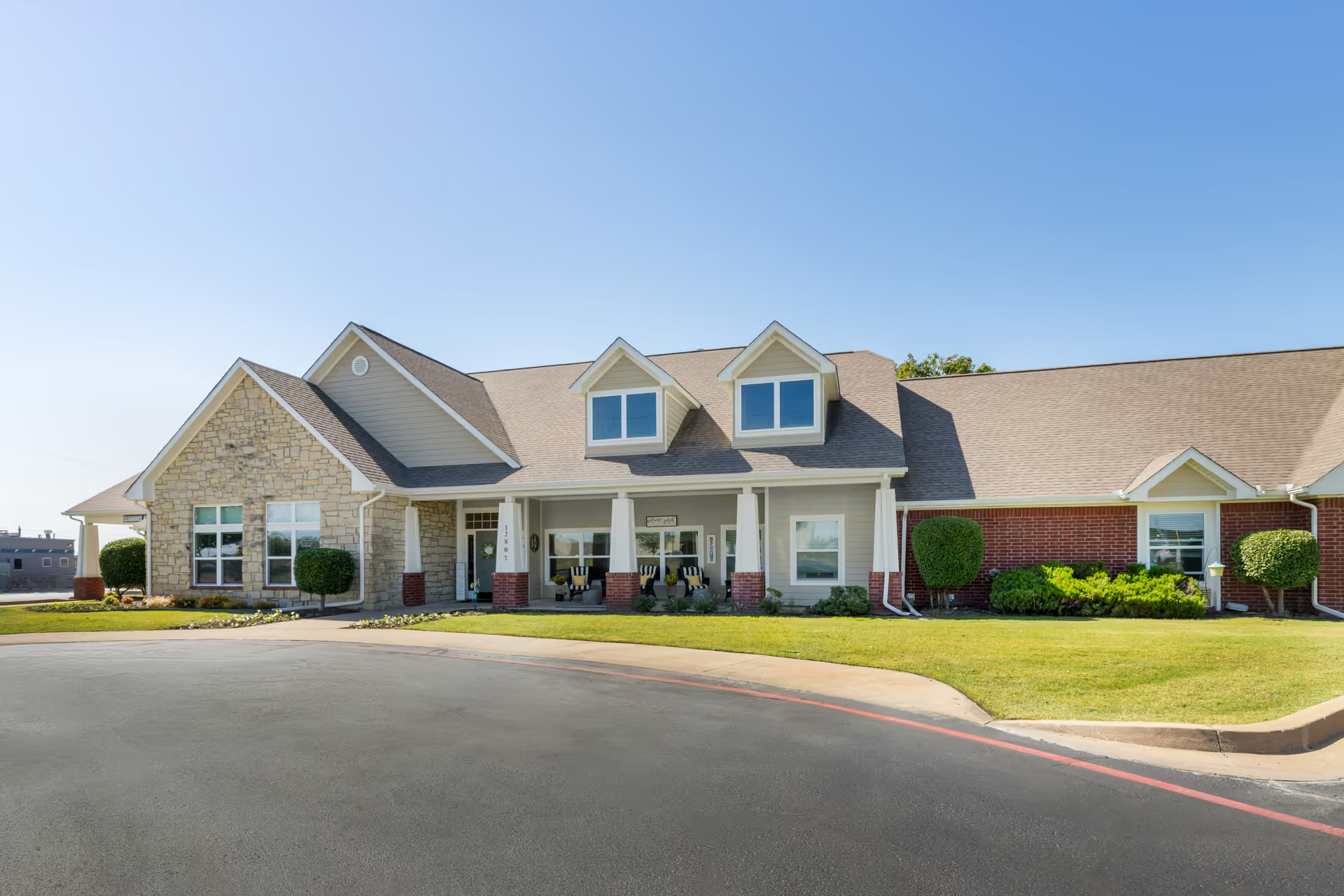
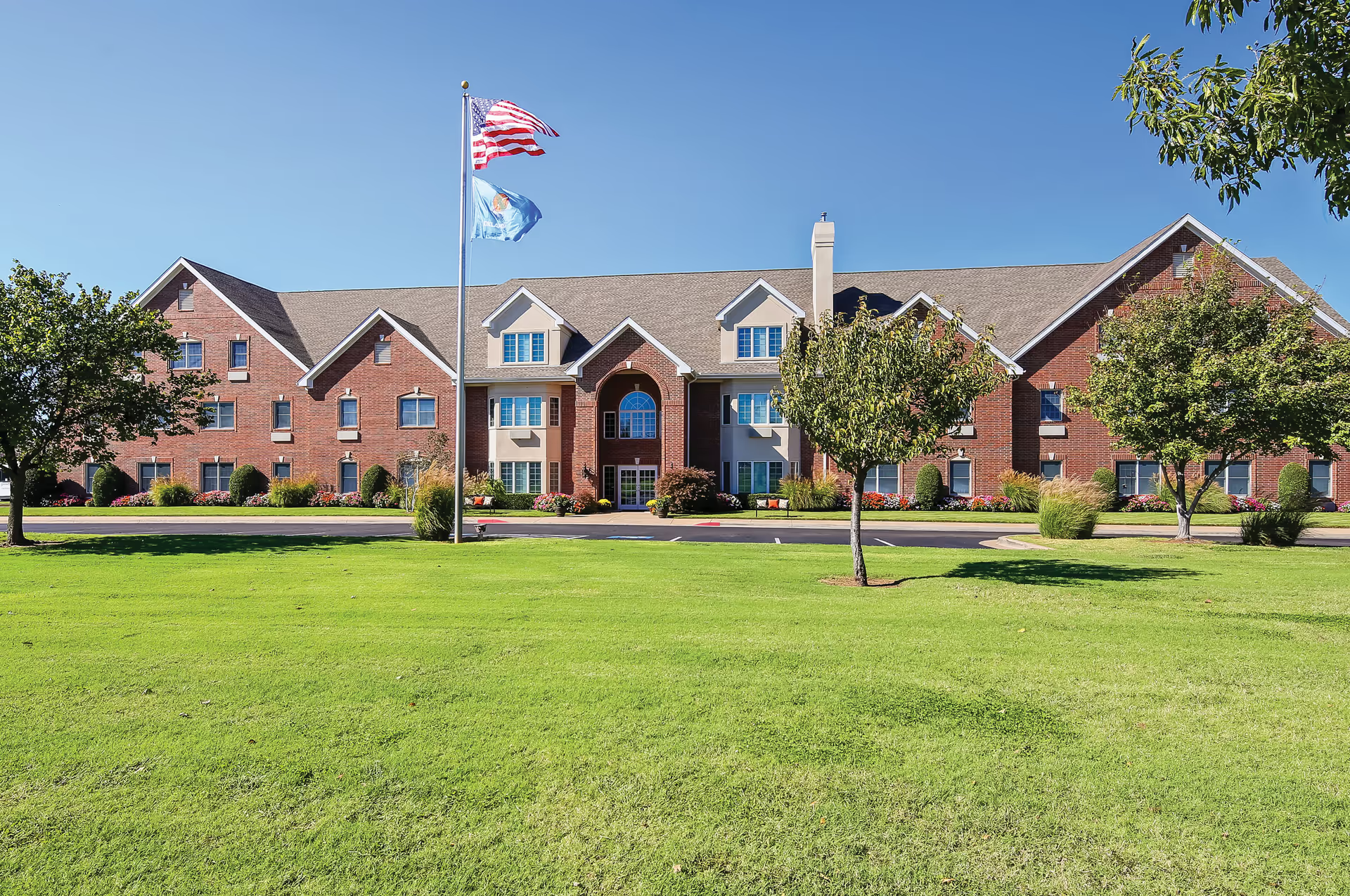
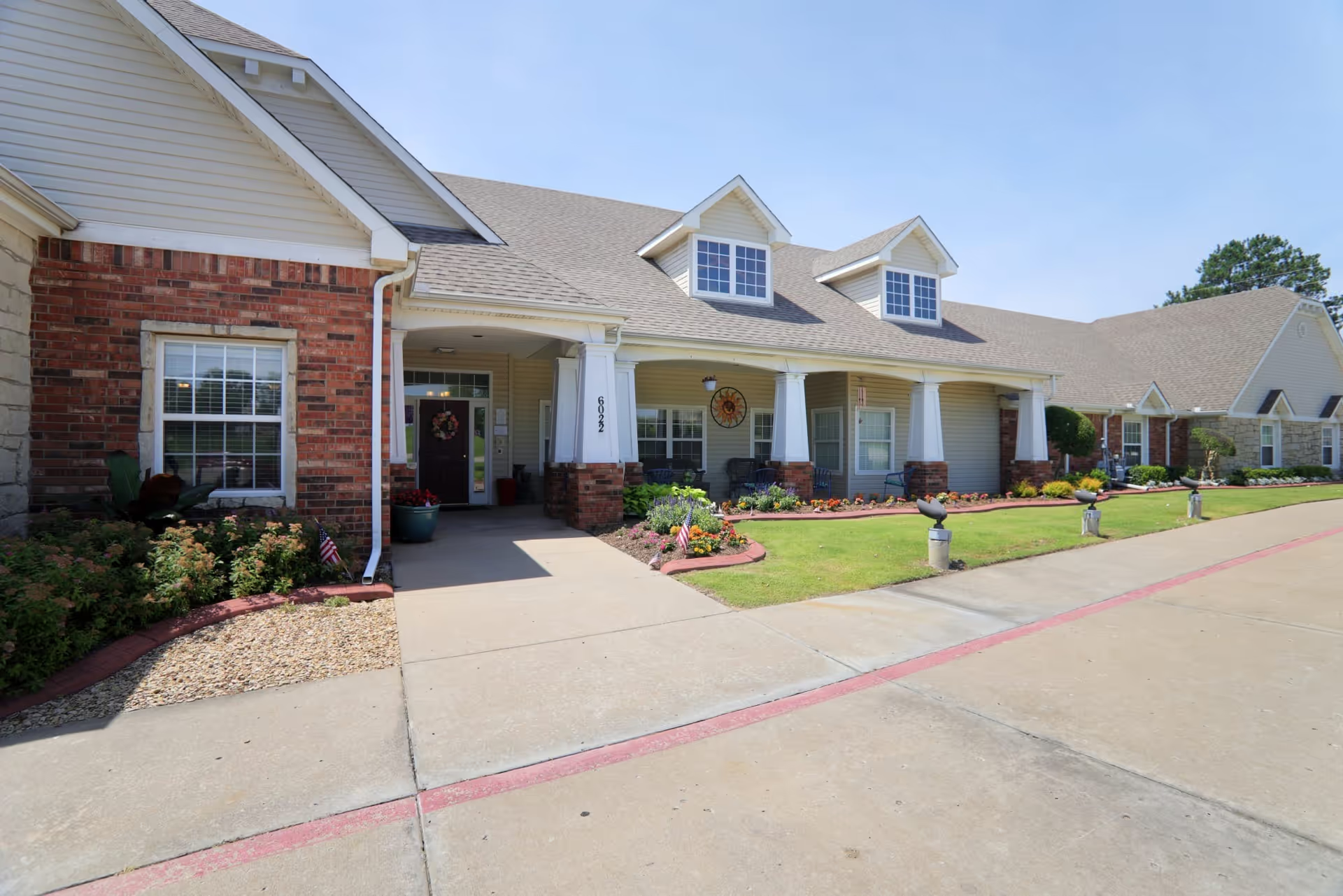
Saint Simeon’s senior community presents a complex mix of strong environmental and programmatic assets alongside recurring operational concerns. Reviewers consistently describe an attractive, well-maintained campus with distinctive residential "little homes," large windows, accessible grounds, gardens, water features and on-site wildlife. The facility offers a wide range of amenities — including a large gym, bistro, saltwater pool, and therapy spaces — and activity programming that includes exercise classes, music, outings, and memory-care–tailored events. Many families praised daily housekeeping, in-house culinary services, and opportunities for family meals and holiday gatherings.
Clinical and caregiving strengths are repeatedly emphasized: numerous comments highlight skilled, compassionate nursing and caregiving staff, individualized attention in memory care, effective therapy and rehabilitation services, and staff who engage residents by name and encourage participation. Therapy outcomes and on-site rehabilitative care are described positively in multiple accounts. At the same time, reviews indicate operational pressures that affect care delivery. Chronic understaffing, staffing turnover, and a high nurse-to-patient load were linked to long wait times for assistance, delayed responses to call bells, and what families described as gaps in medication handling and monitoring. Several families cited specific clinical-safety concerns that they escalated to outside authorities; these accounts suggest variability in how clinical oversight and medication supply/administration are managed.
Dining and activities are notable strengths but show variability in execution. Many reviewers praised the in-house chef, gourmet-style meals, and variety of dining options; others noted inconsistent meal quality, cold food service, or dissatisfaction with specific menu items. Activity programming and scheduled outings are widely viewed as robust and beneficial for resident engagement, contributing to a home-like atmosphere for many residents.
Management and communication emerge as mixed areas. Positive accounts describe responsive leadership, clear family communication, and staff who go above and beyond. Contrasting accounts describe administrative inflexibility, slow or evasive responses from leadership and HR, difficulties obtaining medical records or direct physician communication, and perceived favoritism that affects resident experience. Cost and value are also recurring themes: several families found the community expensive relative to perceived service consistency, raising affordability concerns.
For prospective residents and families: the facility’s physical environment, activity program, and many front-line caregivers are definite strengths, but operational patterns such as staffing stability, medication/clinical-monitoring processes, and administrative transparency warrant close inquiry. When evaluating Saint Simeon’s, consider direct questions about current staffing ratios, medication administration protocols, housekeeping schedules, recent quality or regulatory findings, family communication pathways, and a clear breakdown of costs and what services are included.