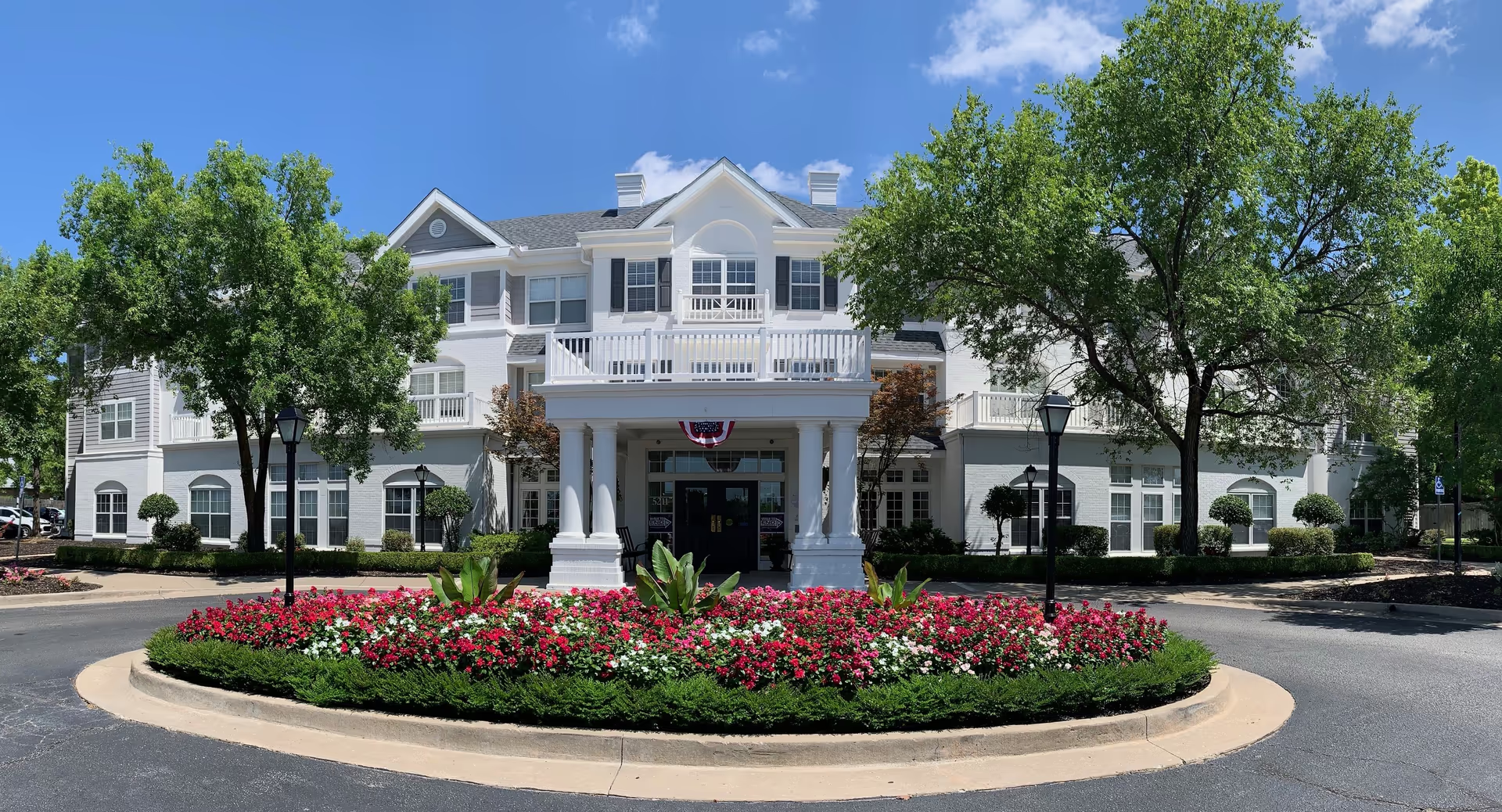
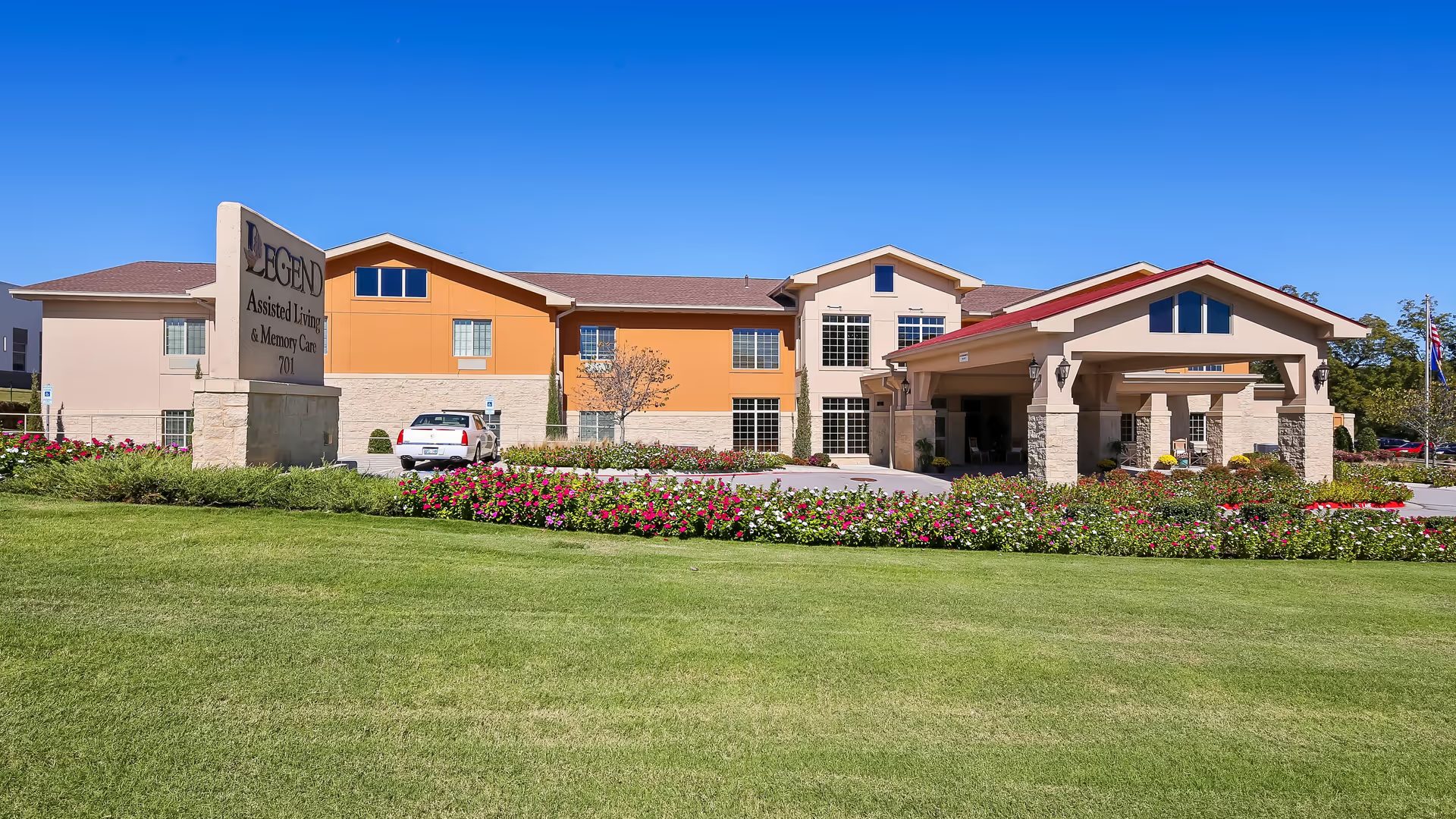
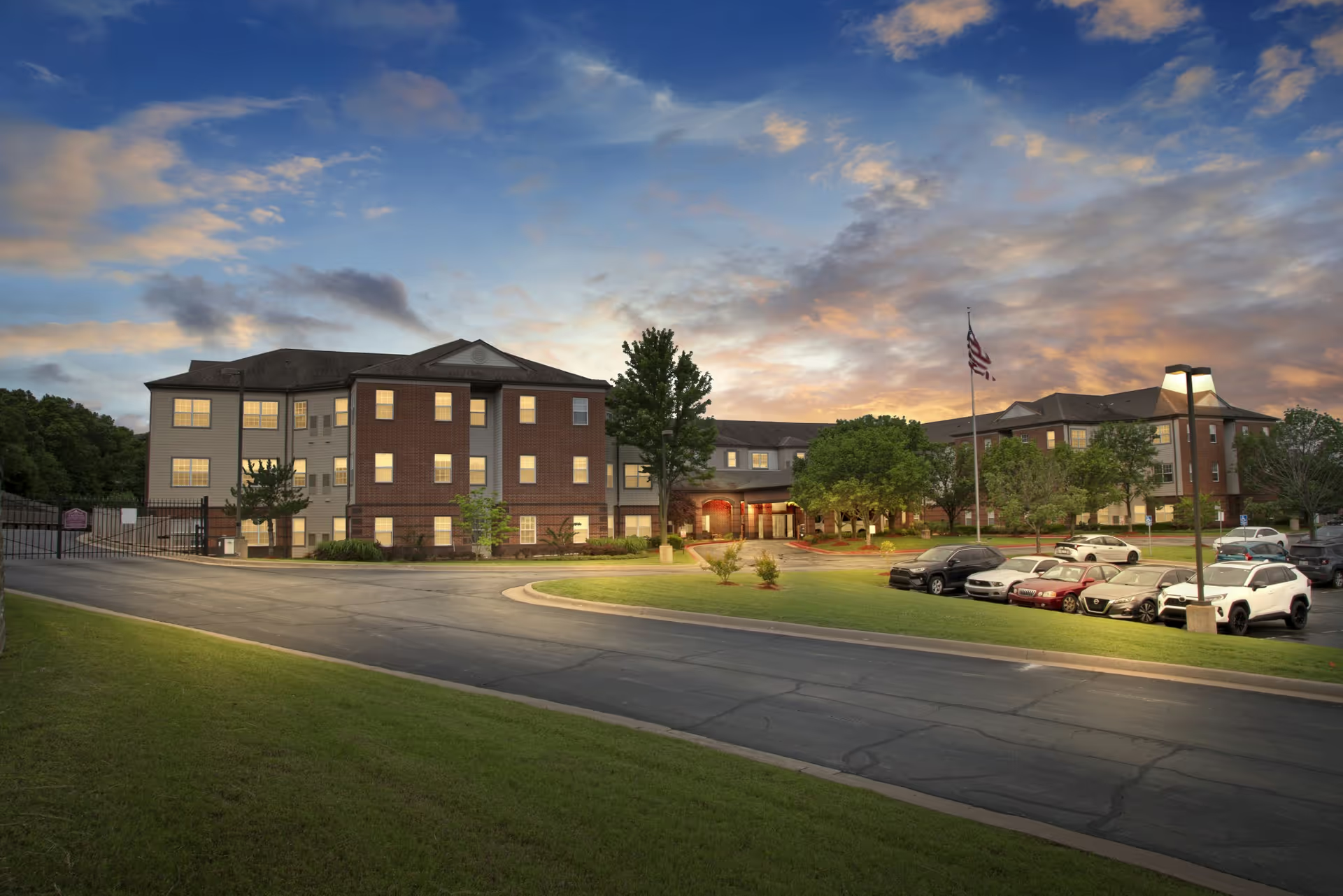
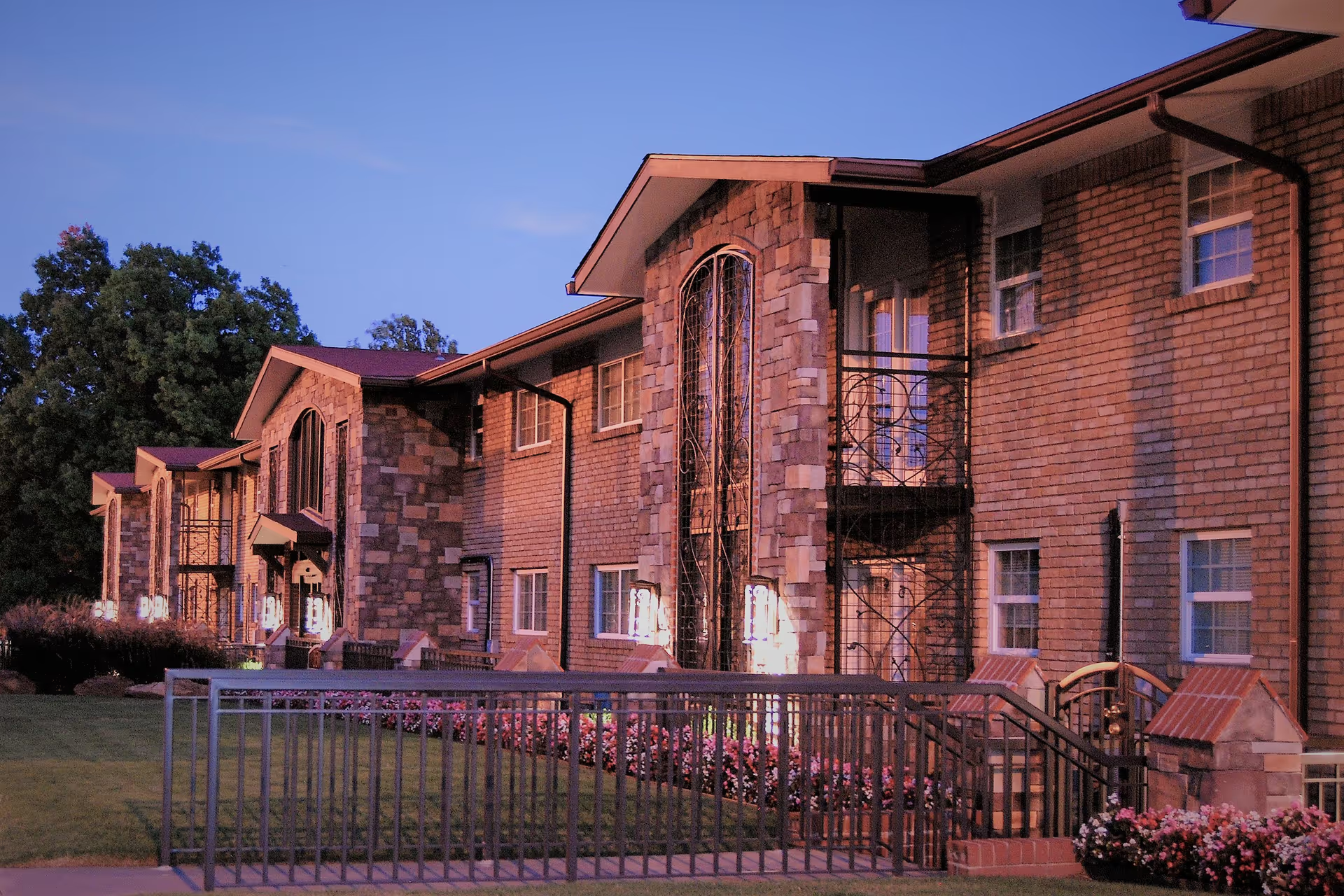
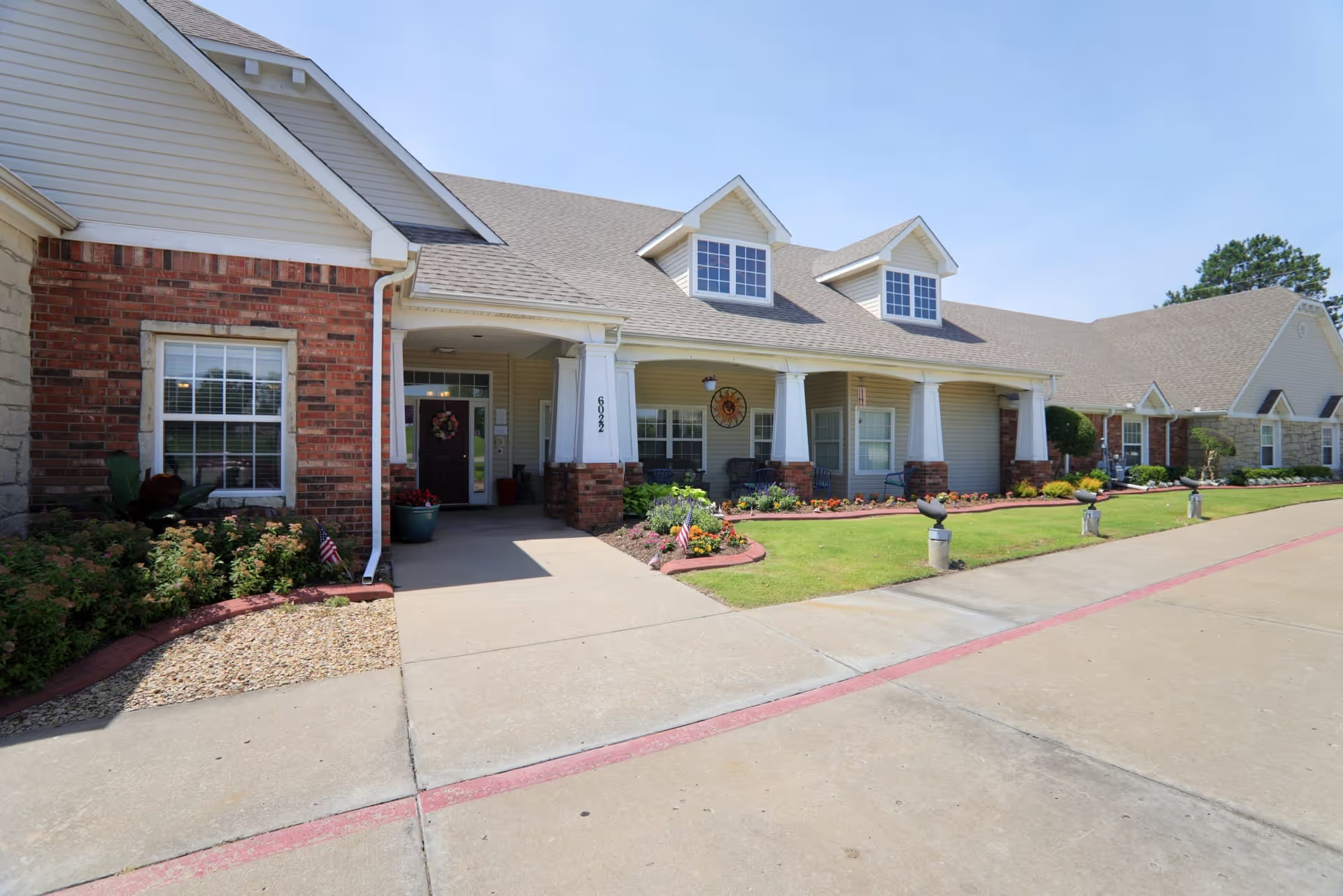
Reviews reflect a mixture of positive experiences and notable operational concerns. Positive feedback centers on compassionate direct-care staff and demonstrated clinical strengths: several families praised rehabilitation and therapy services, skilled nursing interventions that supported mobility gains, and assistance coordinating medical appointments. Assisted living areas were described as home-like with an attractive interior and exterior, and some families valued the facility’s support during bereavement and for relatives who live far away.
At the same time, there is a pattern of inconsistent care quality across shifts and units. Multiple accounts point to staffing shortfalls and limited licensed-nurse coverage at night and on the secured memory unit, which families associate with delays in responding to residents’ needs. Related operational weaknesses include gaps in personal-care assistance (dressing and toileting support), fall-prevention deficits in bathroom and shower areas, and delays in addressing prosthetic or personal-item replacement. Training and supervision of CNAs/CMAs on the locked unit were described as insufficient by some families, and there are concerns about staff conduct and responsiveness in certain areas.
Dining and housekeeping show variability. Some reviewers reported generous portions and positive meals, while others described inconsistent food quality and portioning. There were also mixed reports about cleanliness and maintenance: several families complimented the facility’s cleanliness and appearance, whereas others cited sanitation and odor concerns, dusty or poorly maintained equipment, slick floor surfaces, and housekeeping inconsistencies. These facility and maintenance issues are frequently cited alongside safety and inspection concerns.
Activity programs receive both praise and criticism. Some residents— including those with sensory impairments—were described as being well included and engaged, and staff were credited with taking residents to activities and appointments. Conversely, accounts from the memory unit describe limited interaction, under-engaged aides during activity times, and poorly lit corridors that detract from a stimulating environment.
Overall, the facility offers clear strengths in therapy, compassionate caregiving, and a comfortable assisted-living atmosphere for many residents. However, recurring operational issues—especially inconsistent staffing and licensed-nurse coverage, safety and fall-prevention gaps, variable housekeeping and equipment maintenance, and inconsistent dining quality—warrant careful inquiry. Prospective residents and families should tour the unit(s) of interest, ask about night and licensed nursing coverage, fall-prevention measures, housekeeping schedules, prosthetic replacement policies, memory-unit staffing ratios and activity programming, and sample current menus to assess whether the facility’s strengths align with the resident’s needs.