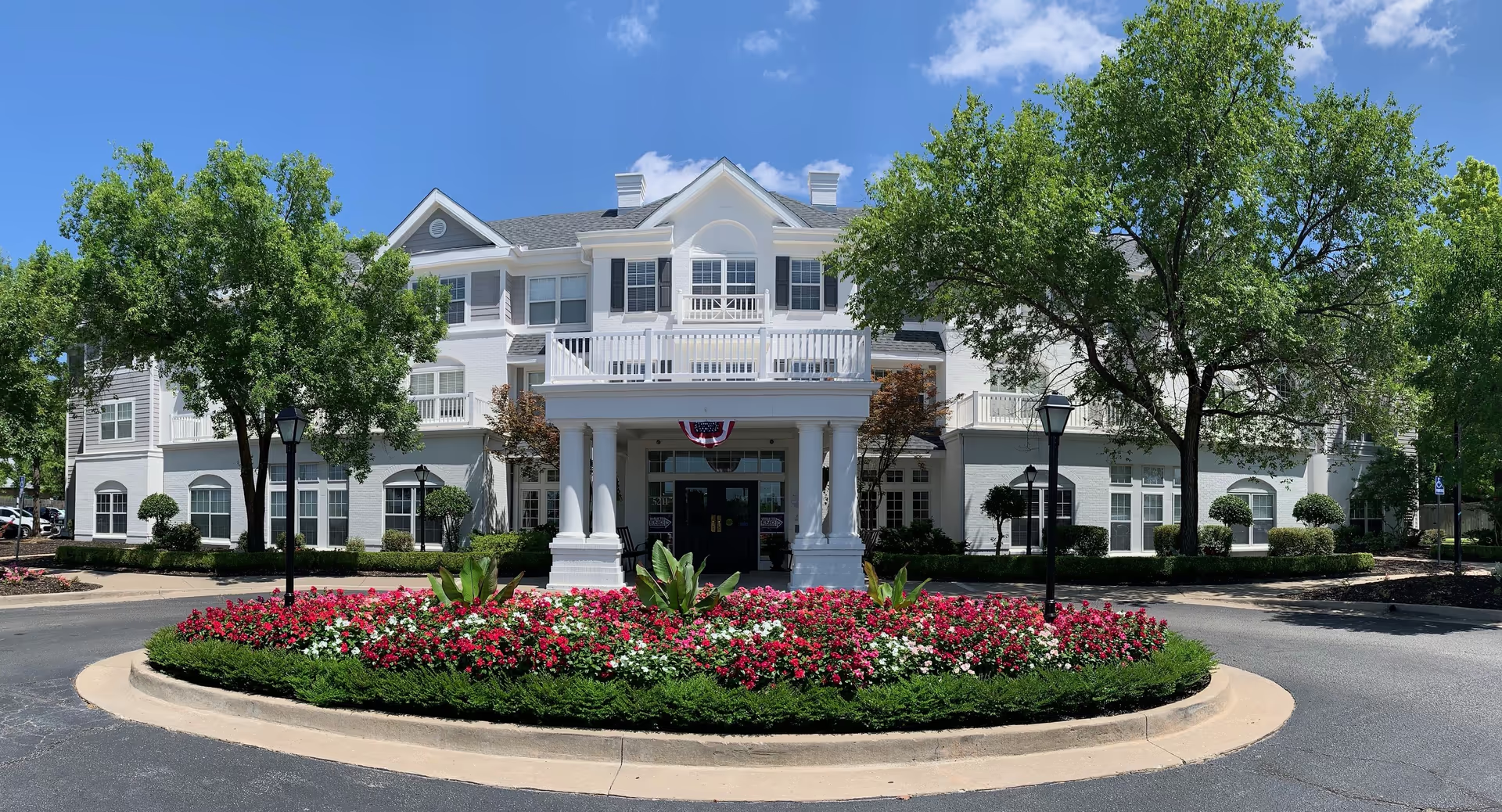
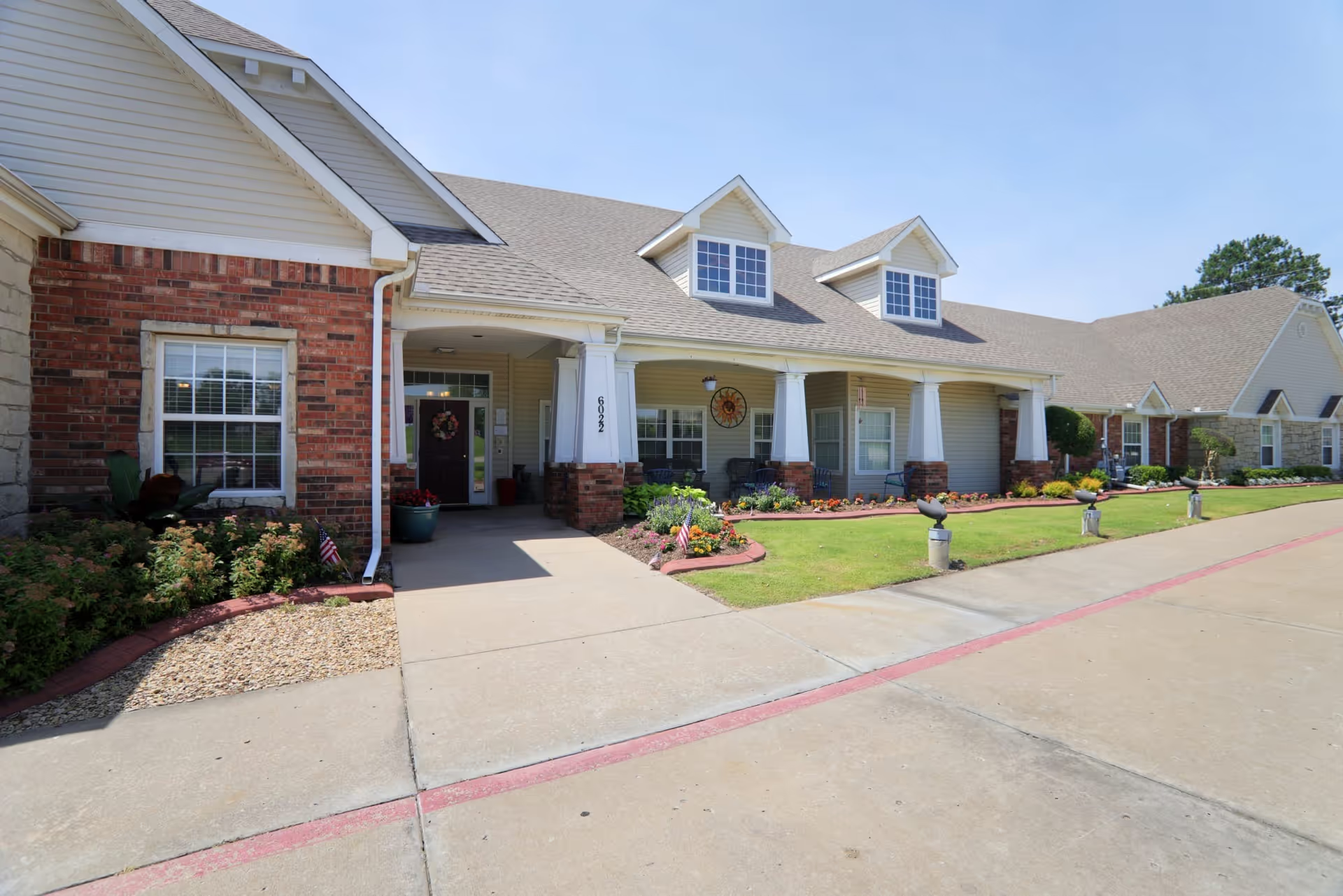
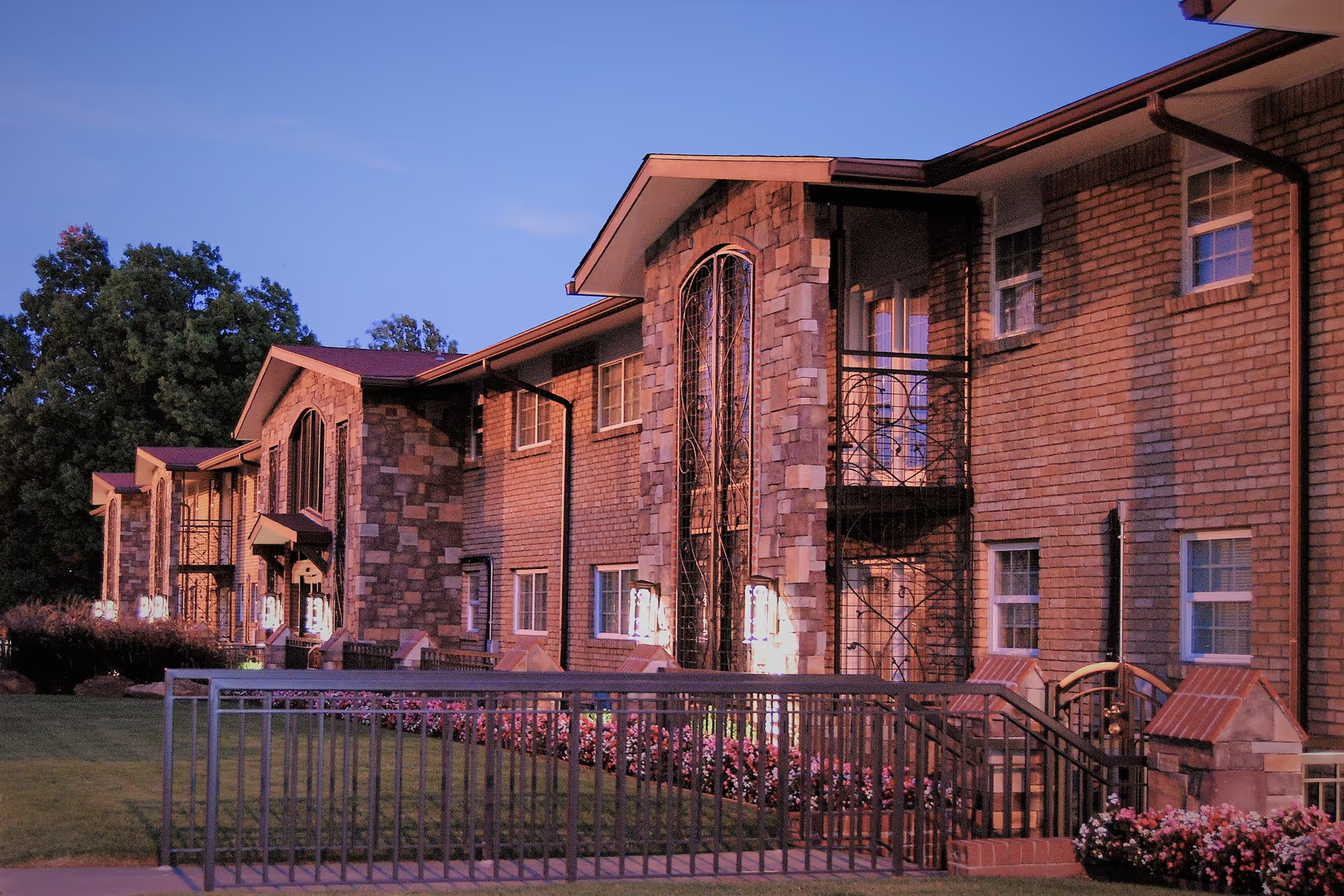
Zarrow Pointe presents as a full-service retirement community with a strong emphasis on continuity of care, campus amenities, and a residential environment. Reviewers commonly highlight the availability of a care continuum—from independent living through assisted and skilled nursing—along with 24/7 nursing coverage, villa- and apartment-style floorplans, and a wide range of on-site amenities (fitness center, two pools, café, salon, museum and a walkable town-center). Housekeeping and maintenance responsiveness, well-kept grounds, and a restaurant-style dining program with home-delivery options are recurring strengths that contribute to a campus-like, small-community atmosphere.
Staffing and day-to-day caregiving generate mixed but instructive feedback. Many families and residents describe attentive, familiar staff who know residents by name, positive staff morale, and helpful nursing checks overnight; these accounts emphasize compassionate interactions and effective routine care. However, other accounts point to operational weaknesses: uneven clinical assessments and follow-up, variability in nursing experience, and limited staff time for interaction. Several reviews describe concerns with communication tone or unprofessional conduct by individual staff members, and a number of accounts highlight perceived favoritism or uneven treatment. Together these patterns suggest consistent strengths in relationship-based caregiving for many residents, with a subset of encounters reflecting inconsistent execution of clinical and communication standards.
Clinical-safety and administrative areas merit particular attention. Reviewers cite gaps in fall-prevention and transfer-safety practices and note limitations in after-hours physician access; there are also comments about insurance and administrative delays that complicate transitions of care. A small number of serious allegations about care failures, including concerns following a resident's death, appear in the feedback and indicate the need for prospective families to investigate clinical protocols, incident response, and escalation pathways. Additionally, the facility operates a lengthy waitlist for independent living placements (approximately three years in several accounts), which affects availability and planning.
Dining, activities, and management are generally described positively. The dining program receives frequent praise for quality and ambiance, and the community offers a broad schedule of enrichment classes, lectures, and exercise options that support active lifestyles. Management is often depicted as dedicated and engaged, and the campus is viewed as delivering strong value for the cost by many residents. Prospective residents and families should weigh the community’s broad amenities, well-maintained environment, and continuity-of-care model against the reported variability in clinical practice, staff availability during busy periods, administrative hurdles, and the long waitlist. When evaluating placement, consider asking for details about staffing ratios, after-hours medical coverage, fall-prevention protocols, incident follow-up practices, and recent examples of how management addressed care concerns.