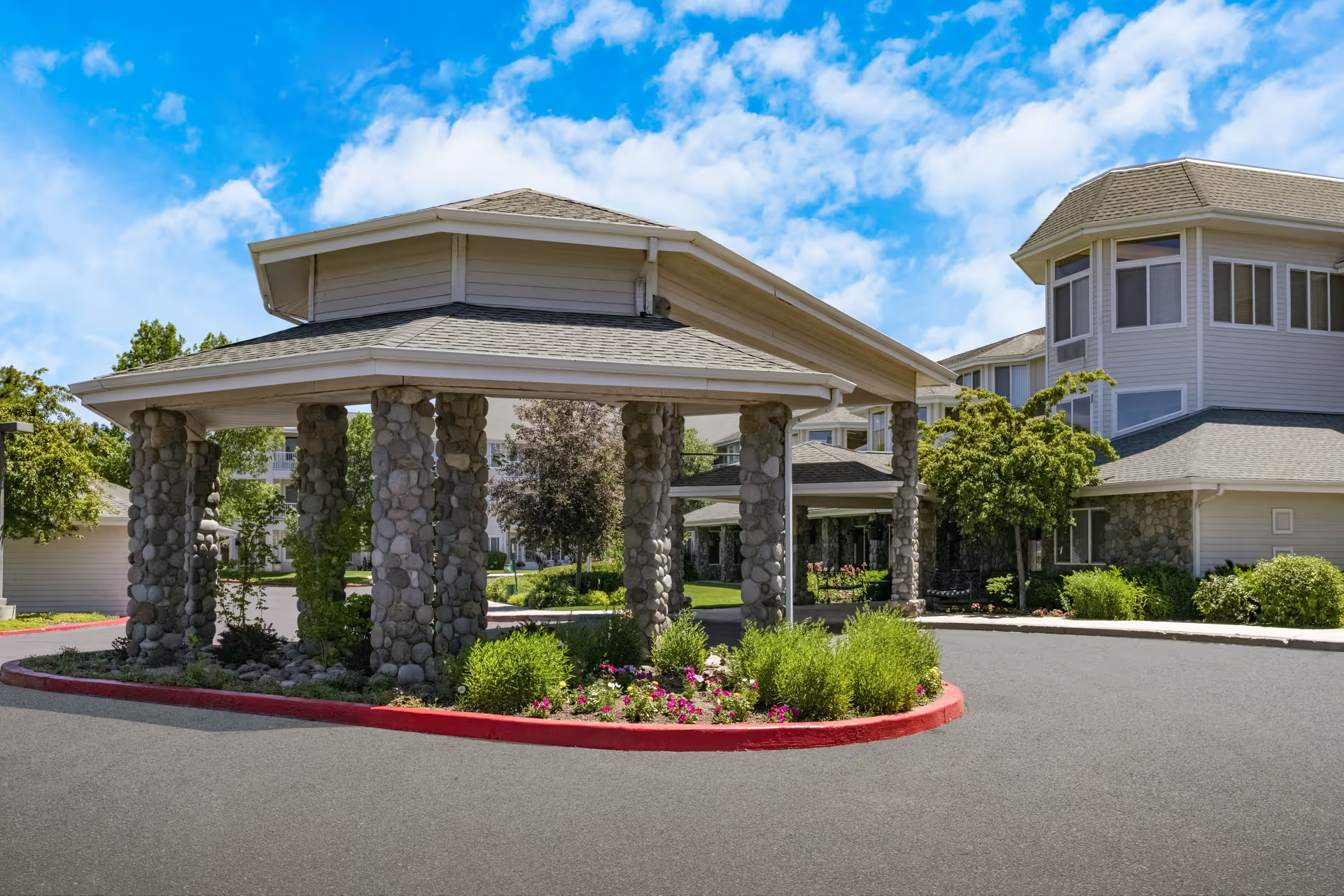
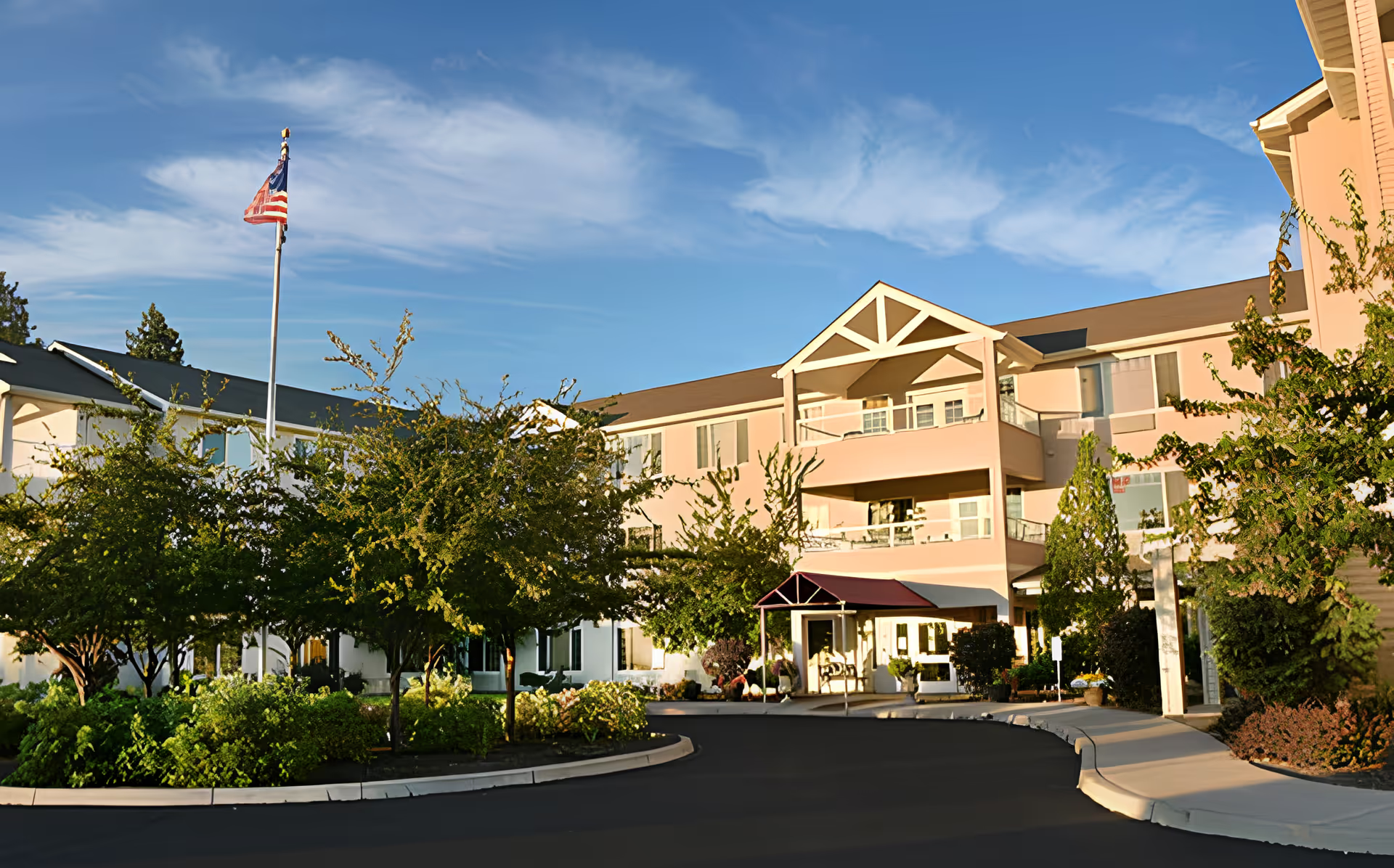
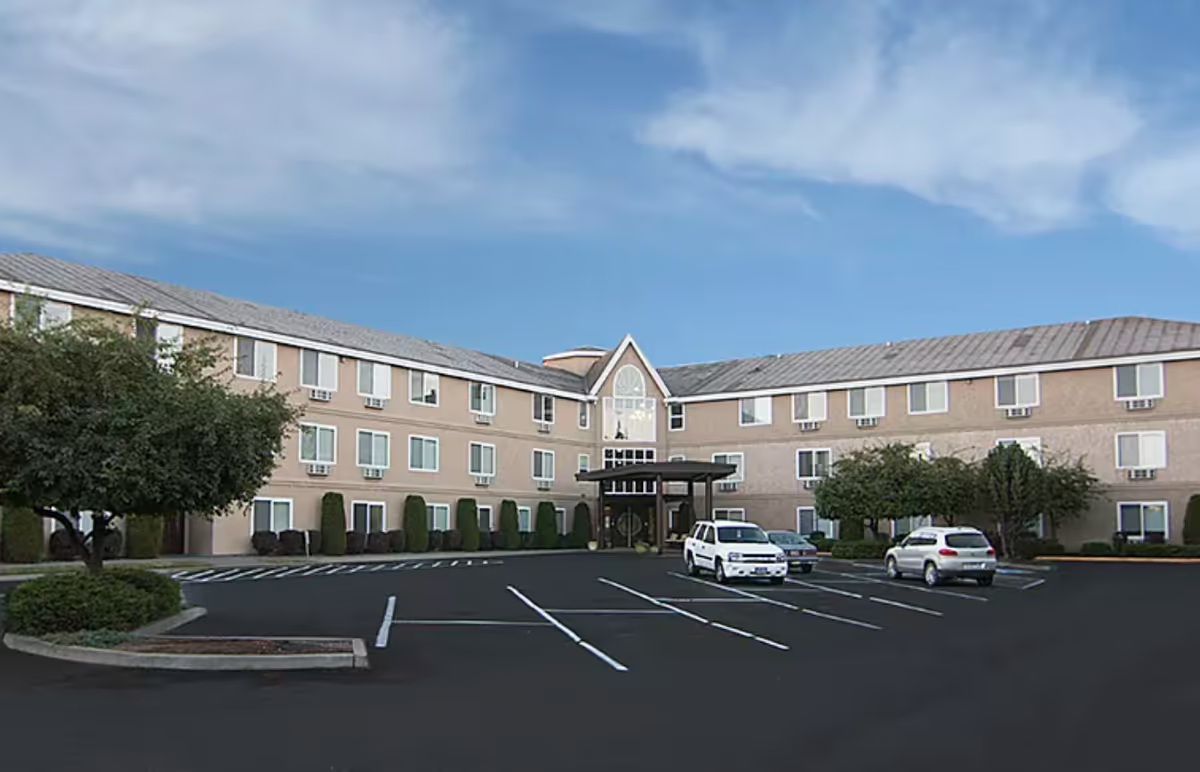
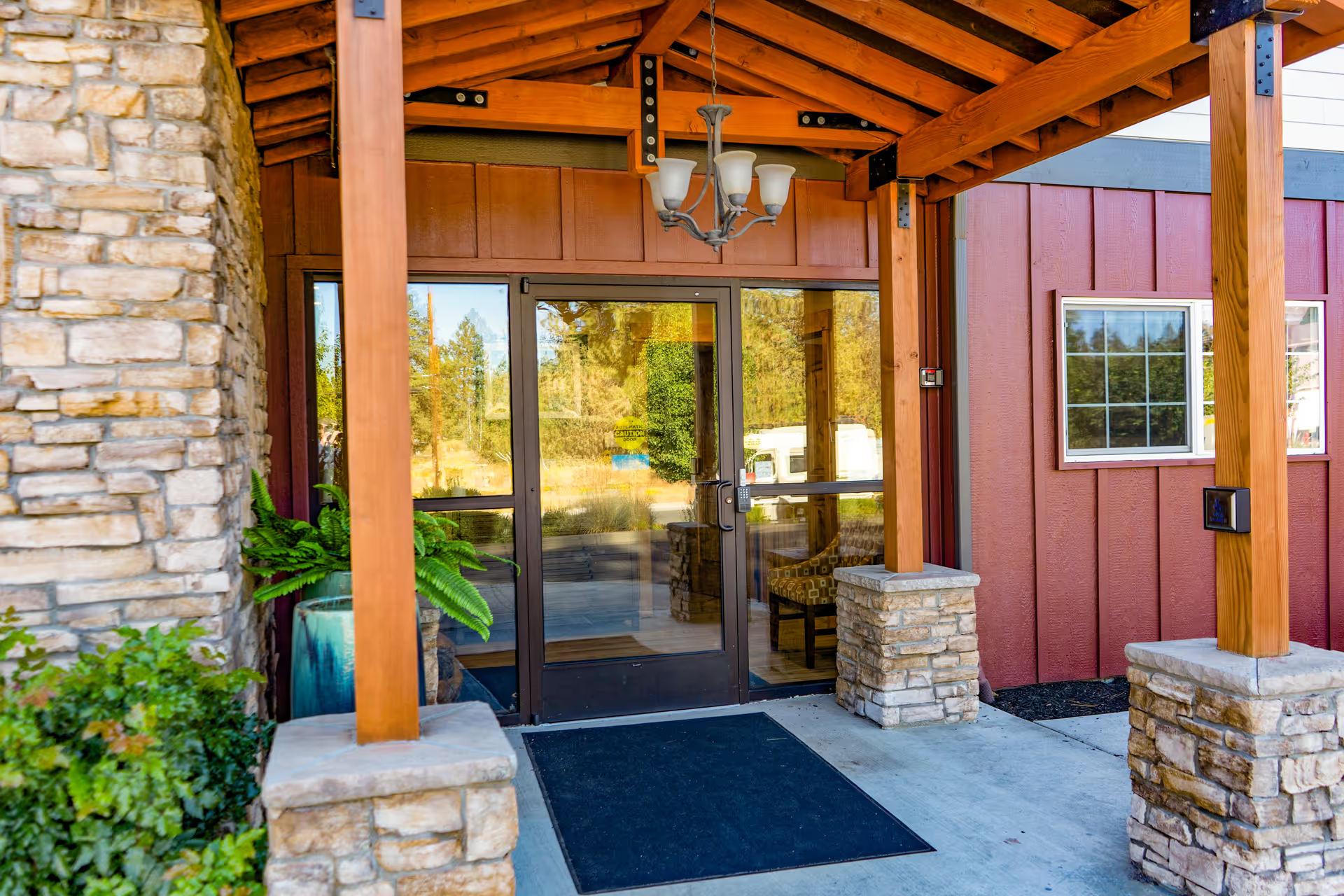
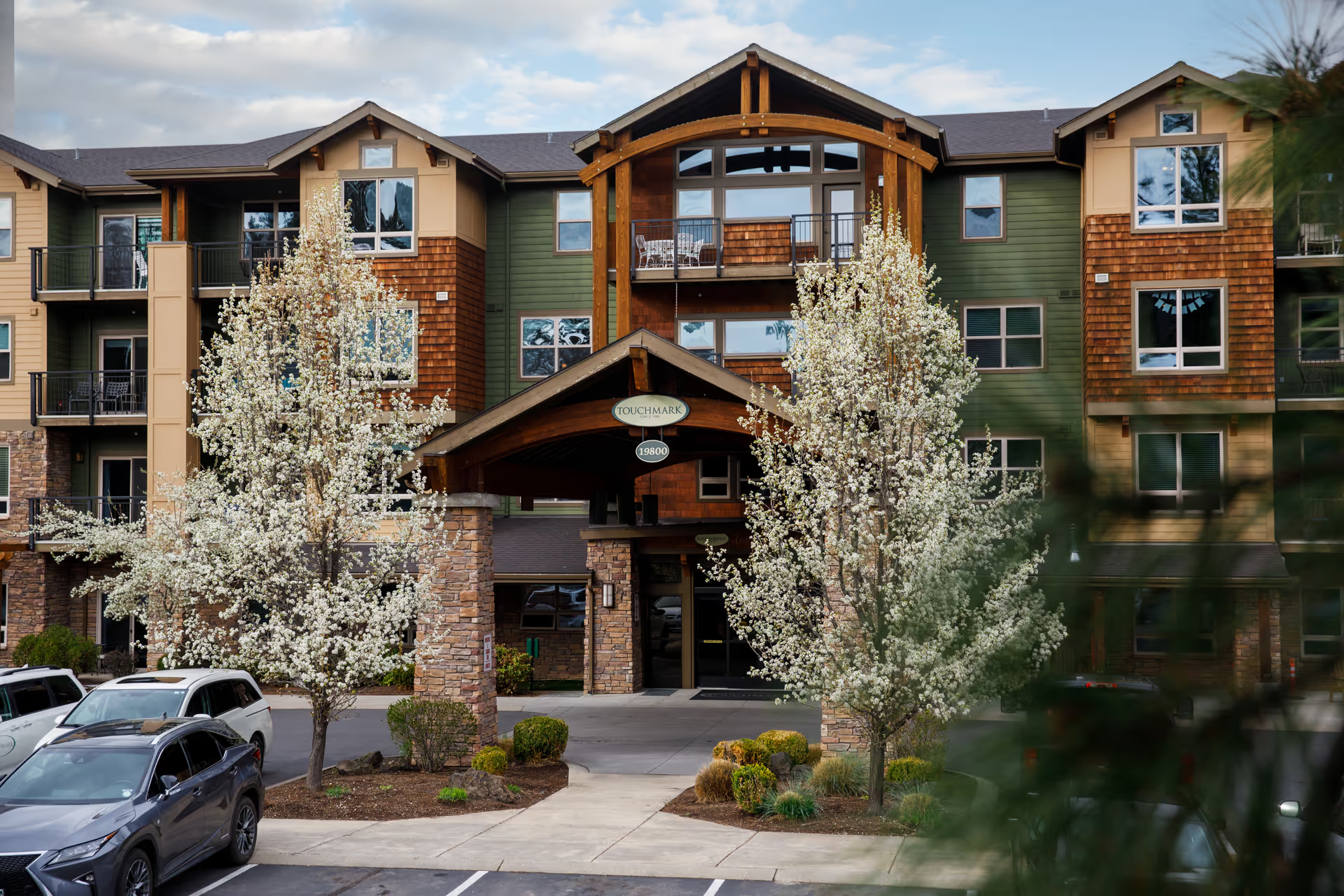
Aspen Ridge presents a mixed but instructive profile for prospective residents and families. Many reviewers describe a warm, social atmosphere with staff who are friendly, welcoming, and helpful; a robust slate of activities led by an engaged Lifestyle Director and volunteer groups; and attractive common areas including a central courtyard, salon, fitness facilities, meeting rooms and roomy dining spaces. Apartment choices are varied, with in-unit kitchens or kitchenettes, balconies or patios, and generally spacious floor plans. The community's location near medical services, ample parking, and on-site practical services (laundry, salon, pet amenities) are repeatedly cited as strengths.
Staff and care quality show notable variability. Numerous accounts praise individual caregivers and nursing staff for compassion and attentiveness, and several reviewers highlighted positive clinical interactions and strong move-in support. At the same time, there is a recurring operational pattern of high staff turnover and leadership changes that reviewers linked to inconsistent day-to-day care. Families should be aware of specific concerns related to clinical processes—examples include gaps in medication administration, delays in clinical follow-up, and questions about staffing levels for residents with higher acuity needs (memory-care). Some reviewers raised serious concerns following a resident's death in the memory-care context; prospective families should ask for current staffing ratios, clinical oversight structure, and recent outcomes data.
Dining and hospitality are another area of divergence. Many reviewers compliment the dining program when it is operating well: references include an engaged chef, accommodations for dietary needs, salad and soup bars, and generous portions. However, a substantial number of comments describe inconsistent food quality, menu limitations, meal delays, and service interruptions—issues that appear to have intensified during and after pandemic-era changes and during periods of kitchen staffing instability. Operationally, this suggests unreliable meal-service continuity at times; families that place high priority on dining should probe current kitchen staffing, menu rotation, and contingency plans.
Activities and community life are frequently cited as strengths. The community offers a range of social, educational, spiritual, and off-site outings, including a Life-Long Learning series, music and entertainment, field trips, and non-denominational church services. Resident-led welcome programs and SPARK-style engagement were noted as effective in helping new residents integrate. That said, some reviewers indicated activity availability was reduced during staffing shortages or pandemic restrictions, and transportation resources were sometimes underused.
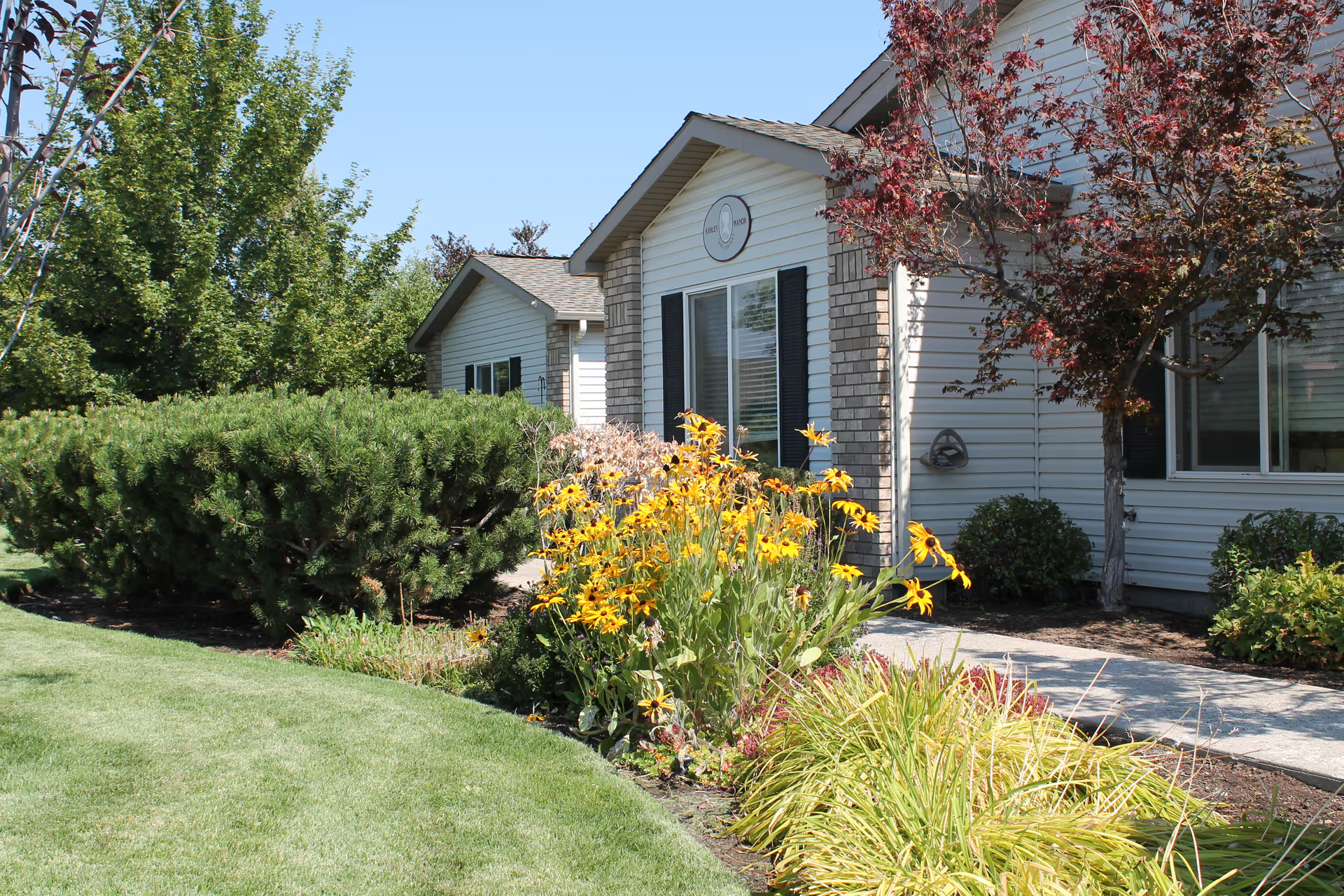
Facilities and renovations present both assets and challenges. Grounds, courtyard, and many interior common areas are well regarded; balconies, bright seating areas, and roomy apartments are positives. Several reviewers described portions of the building as dated or in need of updating, and a number of families experienced prolonged renovation periods with dust, cleanliness issues, and interim declines in common-area condition. If unit condition and construction disruption are important, verify the current status and schedule of any remodels and the facility's plan for maintaining sanitation and resident comfort during projects.
Management and operational patterns merit close review. Positive notes include helpful and non-pushy marketing staff and effective move-in assistance. Conversely, recurring themes include leadership turnover, uneven enforcement of infection-control policies, inconsistent complaint resolution and family communication, and reports of isolated security and trust concerns. There are also financial considerations—while some reviewers found pricing competitive versus alternatives, others noted that fees and pet policies (one review cited a substantial pet fee) could be burdensome for residents on fixed, minimum incomes.
In sum, Aspen Ridge offers many of the features sought in a retirement community—an active social program, engaging communal spaces, and a range of on-site services—but exhibits operational inconsistencies tied to staffing, leadership transitions, dining continuity, and renovation management. Prospective residents and families would benefit from targeted questions during tours: current staffing ratios (including memory-care staffing and clinical oversight), recent changes in kitchen leadership and menu plans, a timeline and mitigation plan for any ongoing construction, examples of how medication administration and incident follow‑up are documented and communicated to families, and a clear outline of fees (including pet policies). These inquiries will help distinguish the community's enduring strengths from more transient operational weaknesses.