The reviews present a mixed picture of Bend Transitional Care. Many families praise the facility’s rehabilitation focus: therapy staff (PT/OT) are frequently described as skilled, supportive, and effective at helping residents make functional gains. Nursing leadership, especially a hands-on Director of Nursing, receives positive mention for professionalism and compassion. Multiple reviewers describe a warm front-desk experience, helpful scheduling of medical transport, and an overall team-oriented culture that contributes to positive day-to-day interactions.
Staff-level strengths coexist with recurring operational weaknesses. While nursing and aide staff are often called compassionate and attentive, reviewers repeatedly cite slow response times to call bells and delays in providing assistance with toileting, showers, and medication. These responsiveness issues are reflected in the cons list as both understaffing at certain shifts (notably nights) and inconsistent bedside support. Several accounts also describe problems with medication timing and communication when medications are changed or held, indicating gaps in medication-administration processes and family notification.
Dining and housekeeping impressions are inconsistent. Some families compliment the kitchen and food choices, the option to bring in outside food, and specific therapeutic diets; others raise concerns about nutritional quality, limited portions or second helpings, and instances of poor food-handling practices. Housekeeping and linen management show wide variation: a number of reviews praise a clean, bright environment and well-kept common areas, while others document sanitation concerns in rooms, missed sheet and towel changes, and issues with odors or cleanliness in specific patient rooms.
Management and administrative performance are similarly mixed. Positive comments highlight supportive administration and an open-door approach, while criticisms point to poor follow-up, abrupt discharge communication, misplaced laundry or personal items, and difficulties with billing and insurance coordination. A few reviewers describe delayed escalation when acute clinical changes occur, including concerns about timeliness of transport to higher-level care; these items suggest opportunities to strengthen clinical-incident escalation protocols and family communication around emergent events.
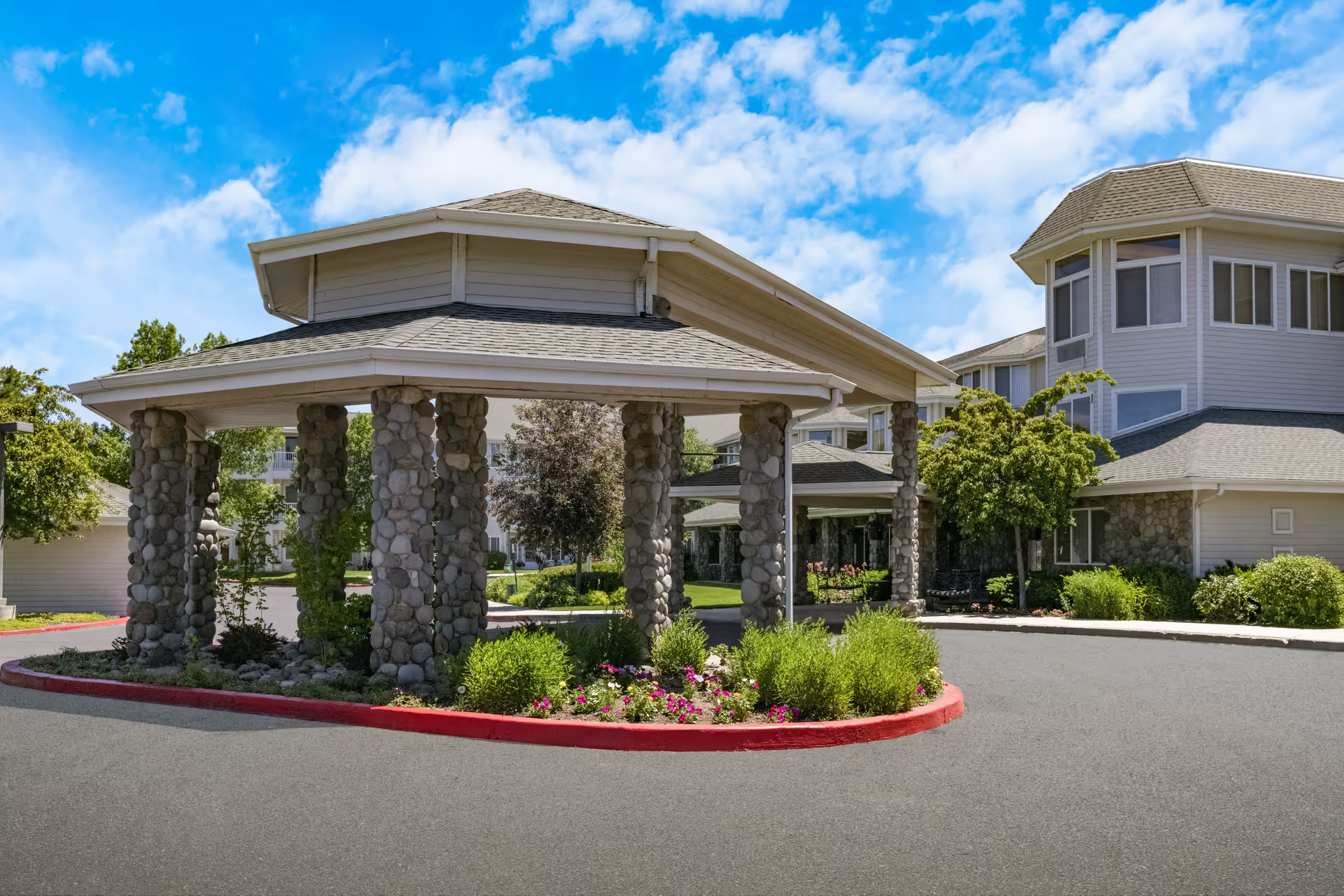
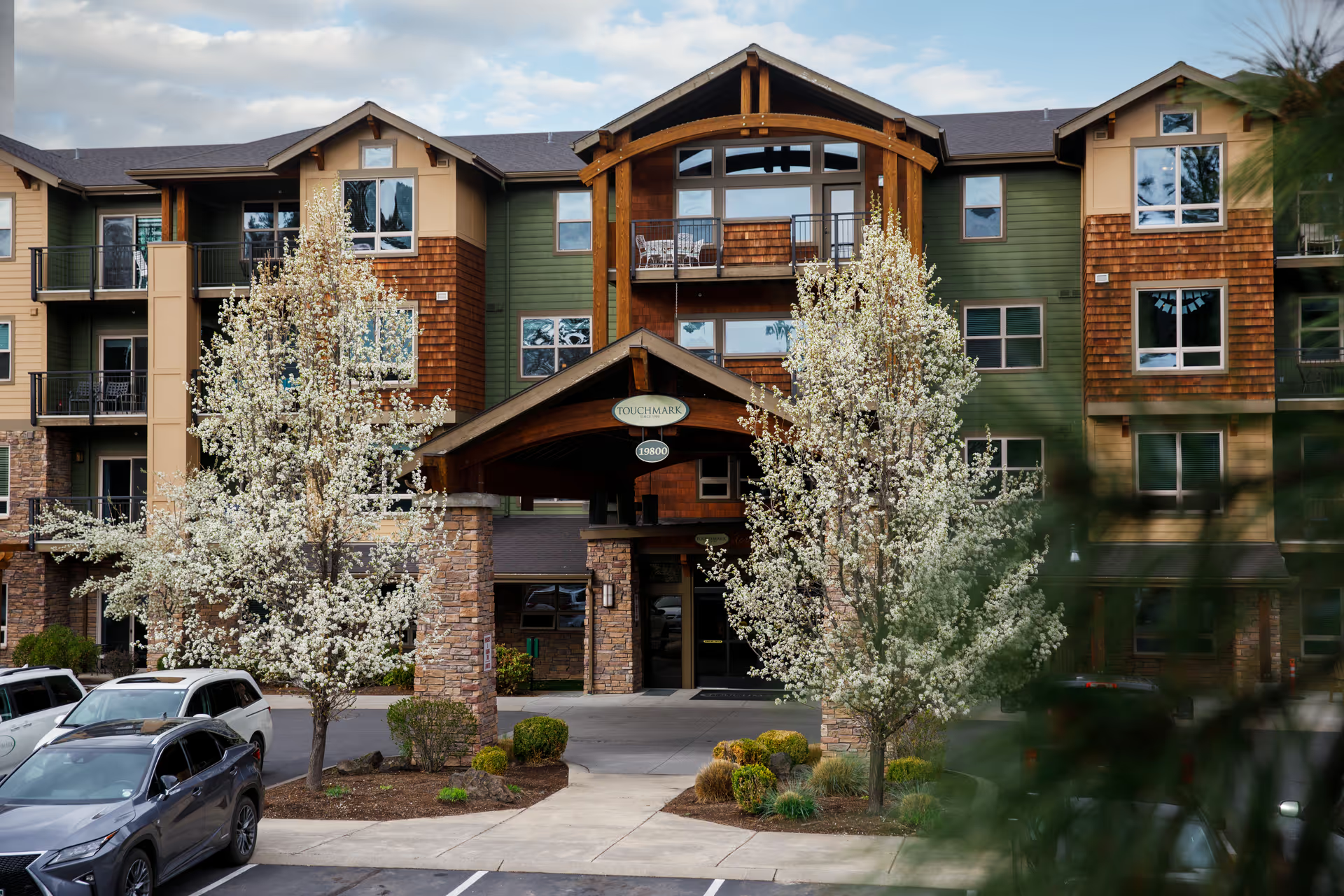
Activities and amenities are a notable strength: engaging social programming, an active activities director, social areas, and occasional special events (spa day, game rooms) contribute to resident well-being. The facility’s newer, state-of-the-art physical plant and bright decor are cited positively and can support rehabilitation and quality of life when operational practices align with standards.
In summary, Bend Transitional Care presents a combination of clear strengths in rehabilitation, compassionate staff, and facility design, alongside operational inconsistencies in responsiveness, housekeeping, medication processes, dining quality, and some administrative functions. Prospective residents and families should weigh the strong therapy and leadership elements against the variability in day-to-day execution, ask specific questions about staffing patterns and medication protocols, and discuss billing/insurance coordination and infection-control placement policies during tours or admissions conversations.