Overall impression: Reviews of Pacific Living Centers of Bend present a polarized picture. Many families emphasize strengths typical of small, memory-focused residences: a home-like atmosphere, attentive caregiving, and a secure environment suited to dementia care. Reviewers frequently note compassionate leadership, cheerful and qualified staff, an on-site open kitchen with home-cooked meals, and proactive communication channels that include strong long-distance updates and a transparent visitation policy. Several accounts describe timely room availability and positive recent management responsiveness, which some families cited as important improvements.
Care quality and staff: Positive accounts characterize caregiving as attentive and individualized, with routine symptom monitoring, ongoing needs assessment, and staff who are willing to work with family members. Care teams are often described as dedicated and friendly, and leadership receives praise when responsive. Counterbalancing these strengths are recurring operational concerns: inconsistent staffing levels, variable responsiveness to resident needs, and evidence of staff burnout and low morale. These operational weaknesses appear to affect consistency of care delivery and can lead to delays in attending to residents' needs. Prospective families should note the mix of strong, person-centered care descriptions alongside reports pointing to uneven day-to-day execution.
Dining and activities: The facility is praised for its home-cooked meals, open kitchen concept, and occasional themed dining (for example, social meal events). At the same time, reviewers raised issues with limited menu options and dining variety, suggesting that meal choice and diet flexibility may be constrained. Activity programming is less frequently detailed, but the overall atmosphere is described as comfortable and supportive for residents with dementia.
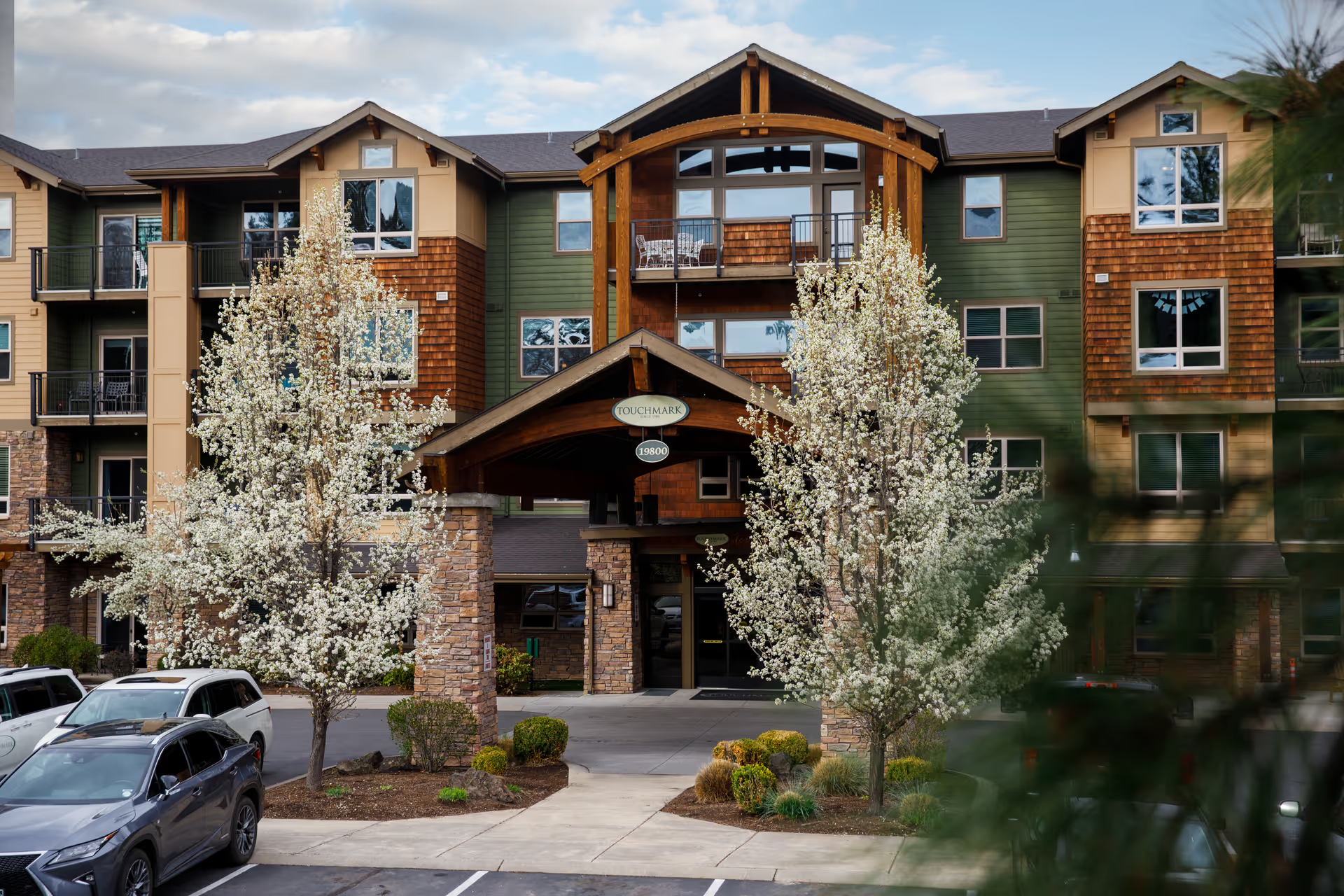
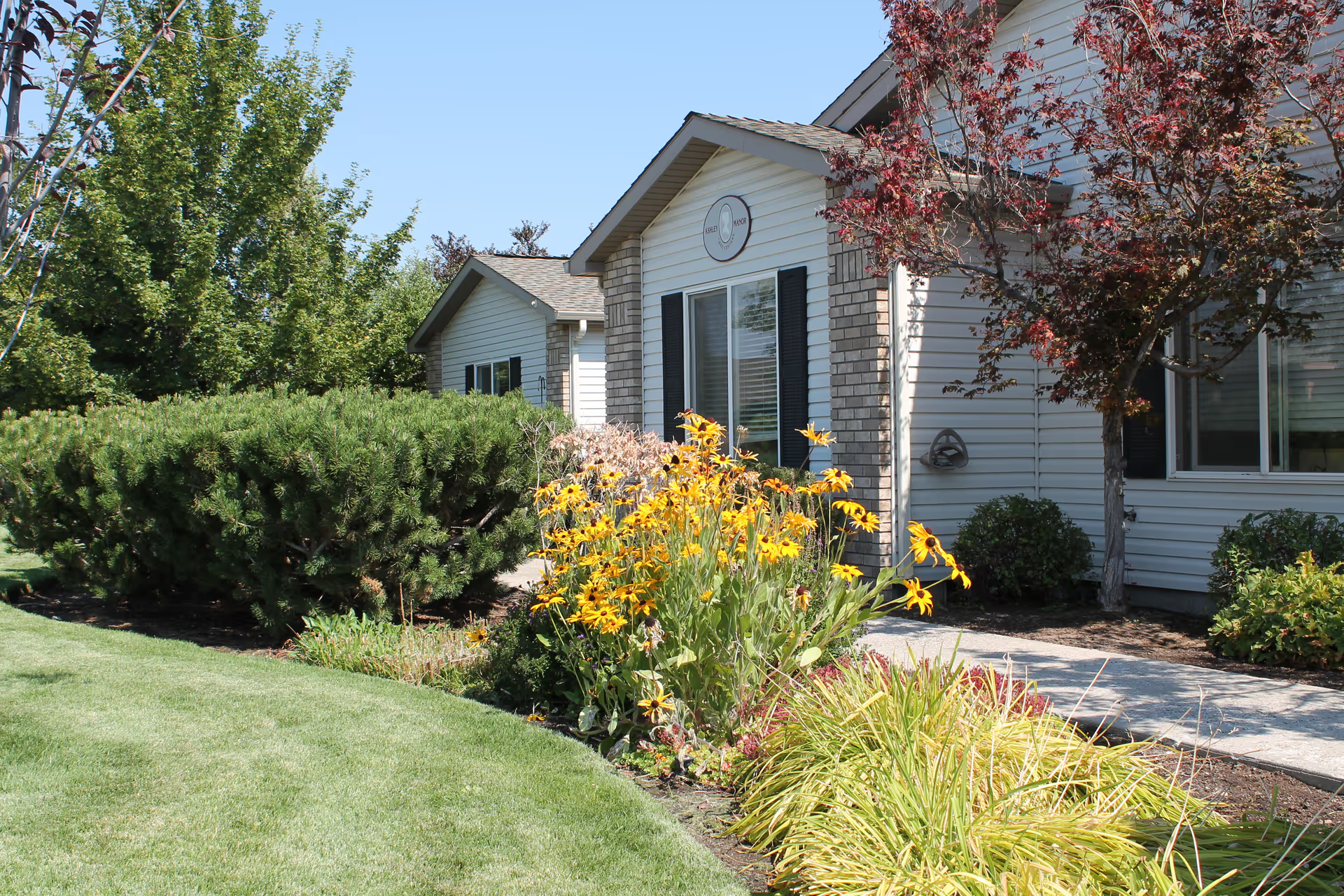
Facilities and safety: The physical environment receives positive remarks for being clean, well-kept, comfortable, and appropriately secure for memory-care residents. The smaller scale of the memory unit and a home-like design are seen as advantages for people with cognitive impairment. However, some accounts indicate sanitation concerns in resident rooms and inconsistencies in housekeeping standards; these appear to be localized but important to investigate during a tour.
Management and organizational patterns: Several families praise recent management changes and responsive leadership, while other reviews describe management that is not receptive to staff concerns, contributing to a negative work environment. This variability suggests leadership and staffing stability are important factors influencing the resident experience. Communication with families is generally highlighted as a strength, but there are also reports of lapses or omissions in family communication, indicating inconsistency in this area.
Notable patterns and recommendations: The overall pattern is one of strong person-centered intent and several operational strengths, tempered by recurring consistency issues tied to staffing, morale, and sanitation processes. There are also specific concerns related to end-of-life care coordination and family communication surrounding serious clinical events. Prospective residents and families should tour the memory unit, ask about current staffing ratios, incontinence-care protocols, housekeeping standards, menu flexibility, staff turnover, and procedures for communicating clinical changes and end-of-life planning. Asking to speak with current family members and observing mealtime and staff–resident interactions can help clarify whether the facility’s positive attributes are sustained in daily practice.