Overall impression The reviews portray a small, five‑bed residential setting that families generally view positively. Caregivers are described as compassionate and helpful, and a specific caregiver (named as Sharon/Sherron) received particular praise. The facility’s small size is positioned as a strength for individualized attention and a positive overall experience, reflected in a four‑out‑of‑five rating cited in the feedback.
Care quality Care quality appears to be effective for residents with routine assistance needs: staff are characterized as attentive and supportive, and families described favorable day‑to‑day interactions. However, the facility may have limited clinical capacity for residents requiring more complex medical support, such as enteral (feeding‑tube) management. Families expressed uncertainty about placement for residents who need substantive clinical interventions or frequent overnight assistance, indicating that the setting is better suited to lower‑acuity needs.
Staff Staffing is a clear strength in terms of interpersonal care: caregivers are described as caring and responsive, and specific staff members received commendation for their approach. The facility also employs students, which can be a positive for engagement and learning opportunities but contributes to variable experience levels on duty. This staffing mix may produce inconsistent caregiver experience from shift to shift and could affect predictability of care for some families.
Dining and activities The provided reviews contain little specific information about meal quality, dietary services, or organized activities. There are no consistent comments describing the dining program or enrichment offerings, so prospective families should request direct information on meal planning, dietary accommodations, and activity schedules during a visit.
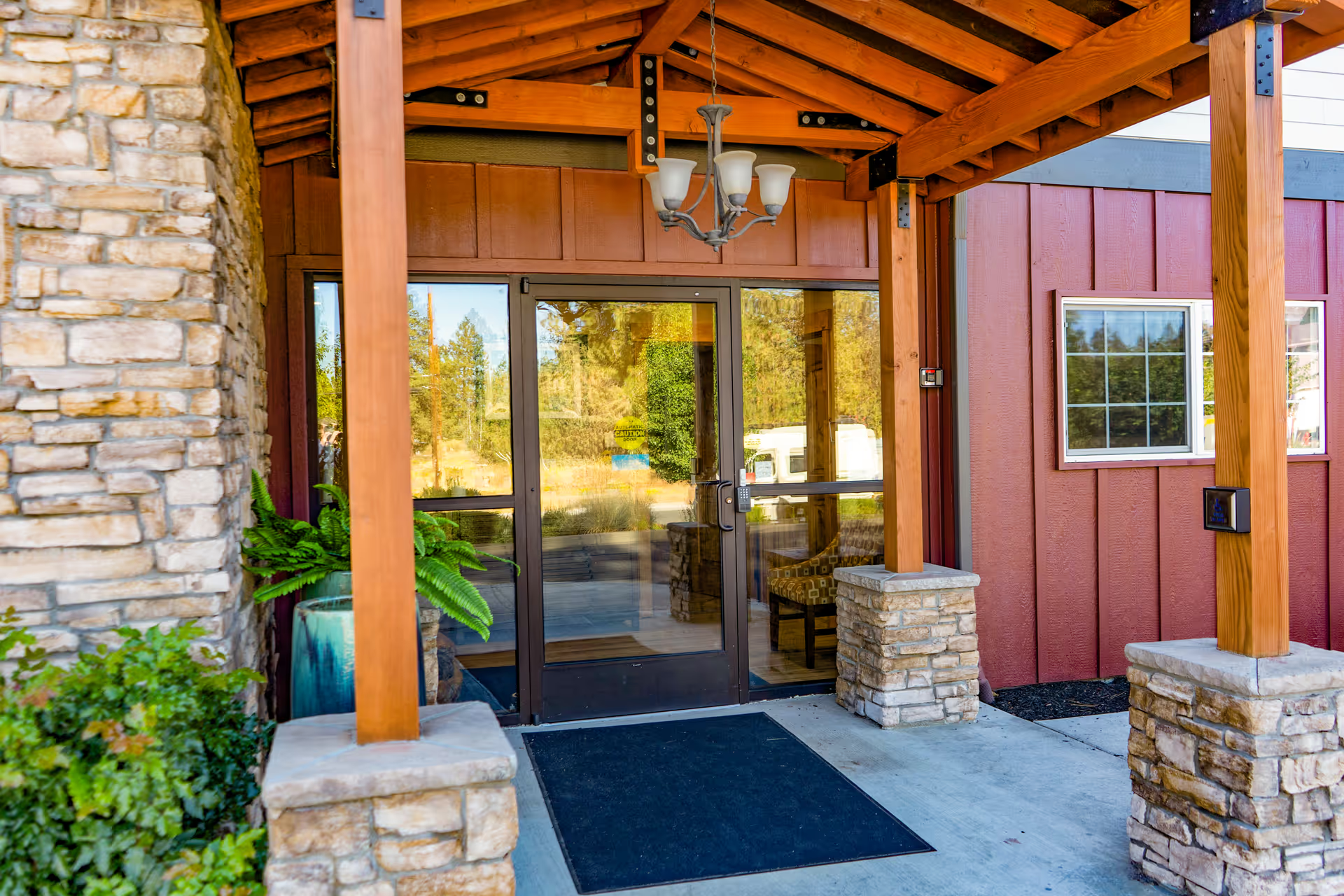
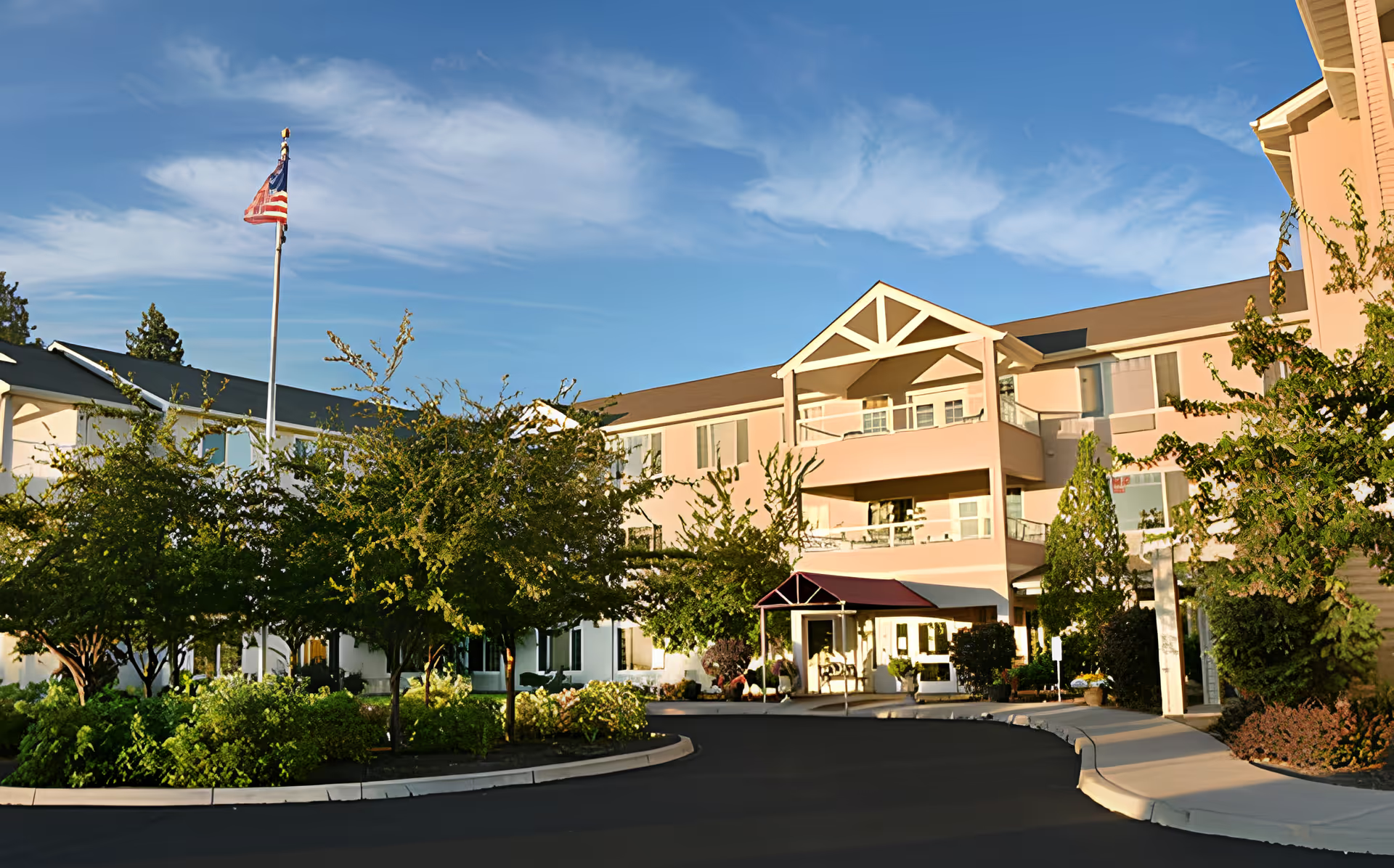
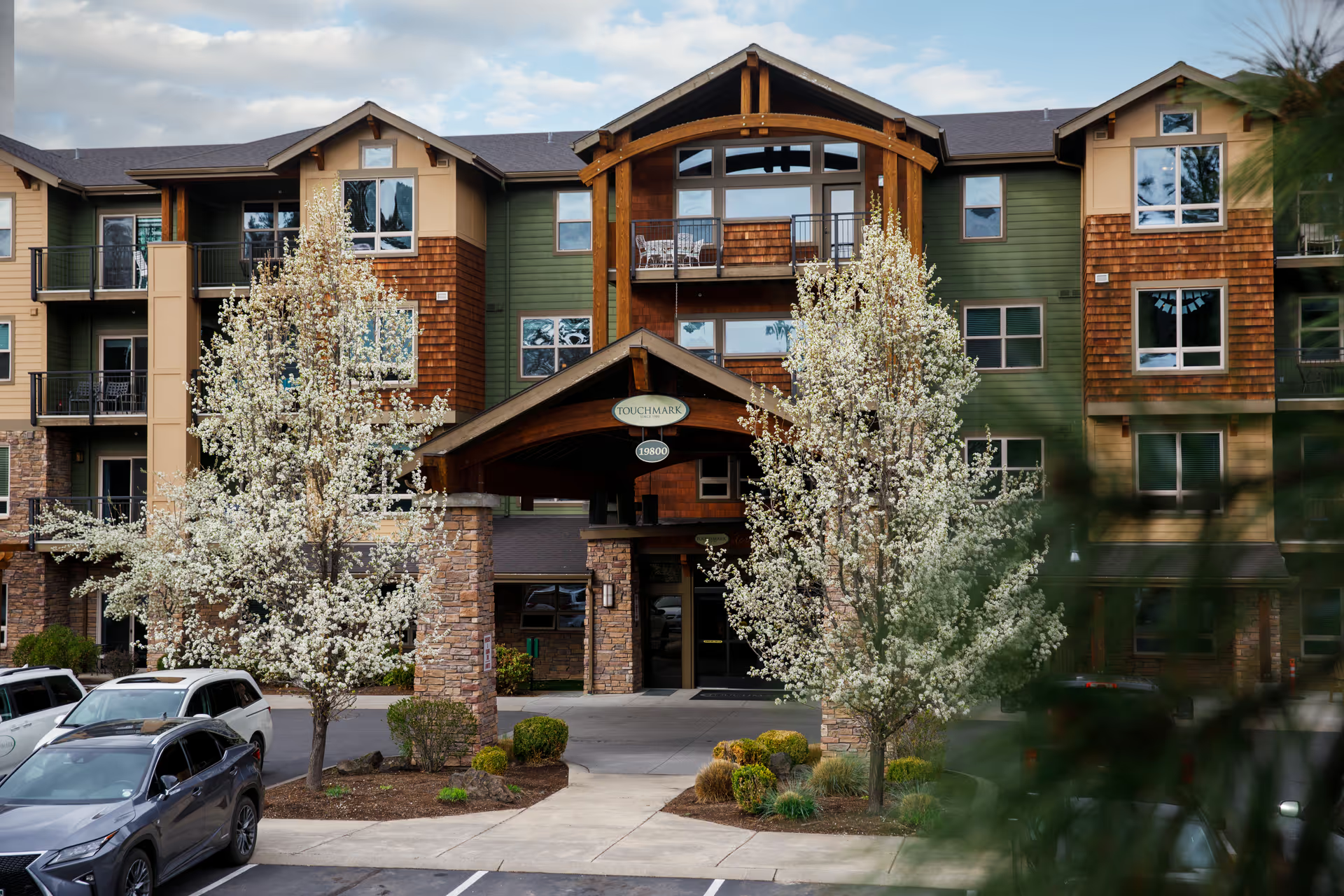
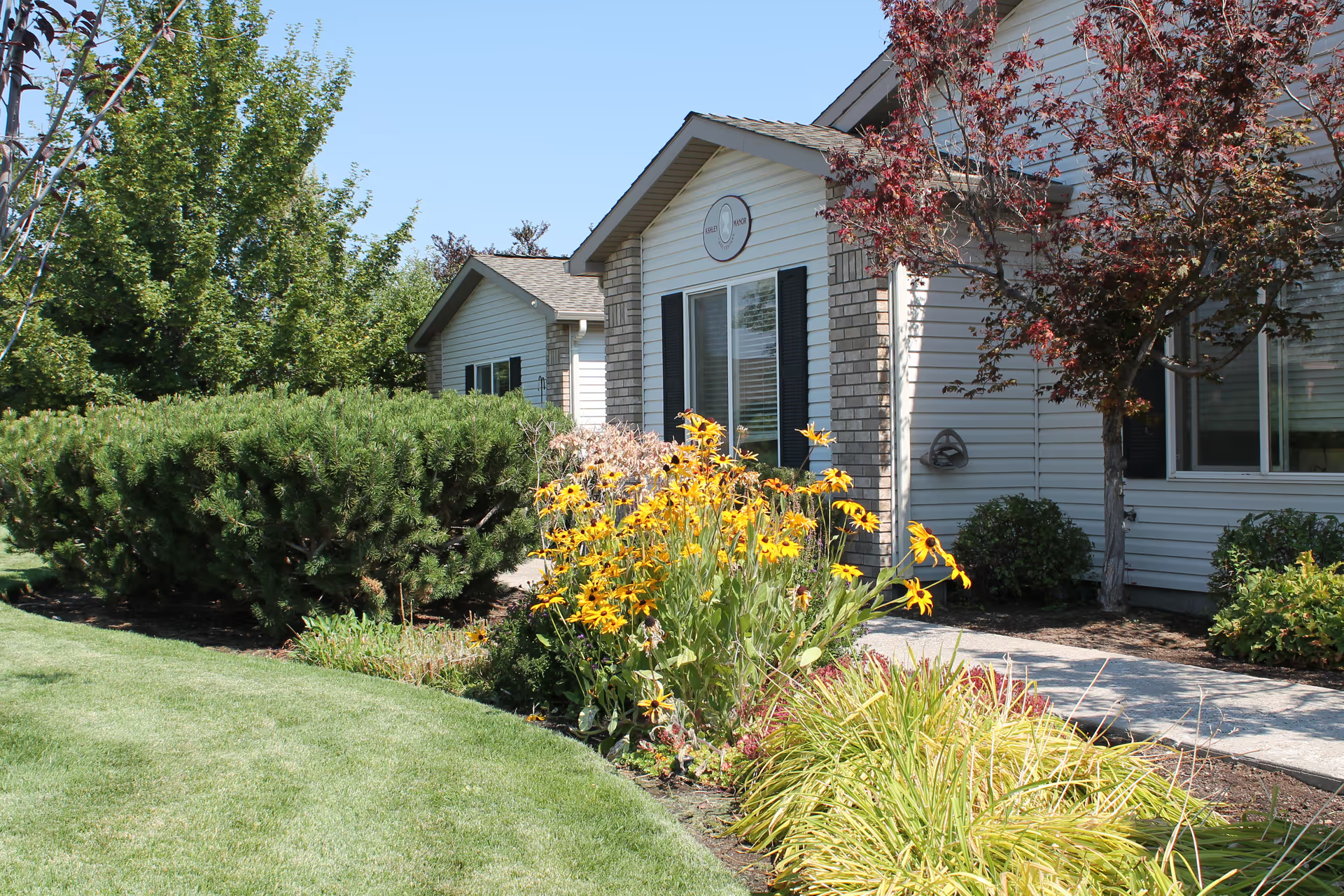
Facilities and management As a five‑bed home, the environment is small and residential in character, which reviewers associated with personalized attention. Management practices inferred from the feedback include flexible or changeable daily schedules; reviewers noted day‑to‑day variations in routine that can be experienced as disruptive for residents who rely on consistent timing. Nighttime coverage and predictable overnight responsiveness were also identified as areas of concern, suggesting operational limitations in overnight staffing or protocols.
Notable patterns and decision guidance The combined pattern in the reviews is one of strong interpersonal caregiving within a small, home‑like setting, paired with operational limits around clinical complexity and schedule stability. This makes the facility potentially well suited for residents who prioritize a close, familial atmosphere and who have relatively stable, low‑acuity needs. Families considering placement for individuals requiring enteral feeding, extensive nighttime assistance, or specialized behavioral support should seek detailed, facility‑specific information about clinical capabilities, overnight staffing protocols, and staff experience mix before deciding. During a tour, ask to see staffing schedules, overnight coverage plans, care‑management policies for enteral feeding and complex medical needs, and sample activity and dining menus to confirm fit.