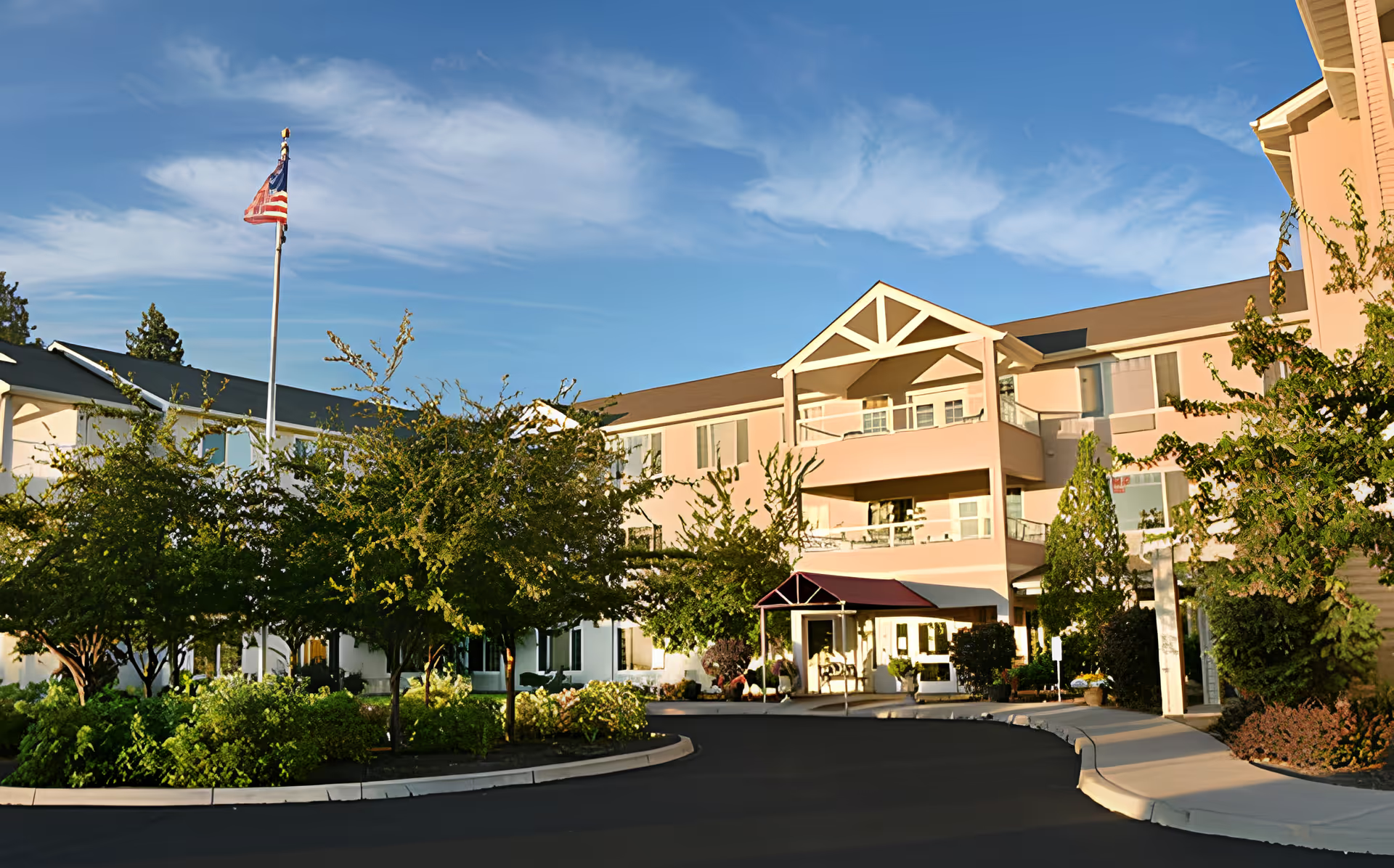
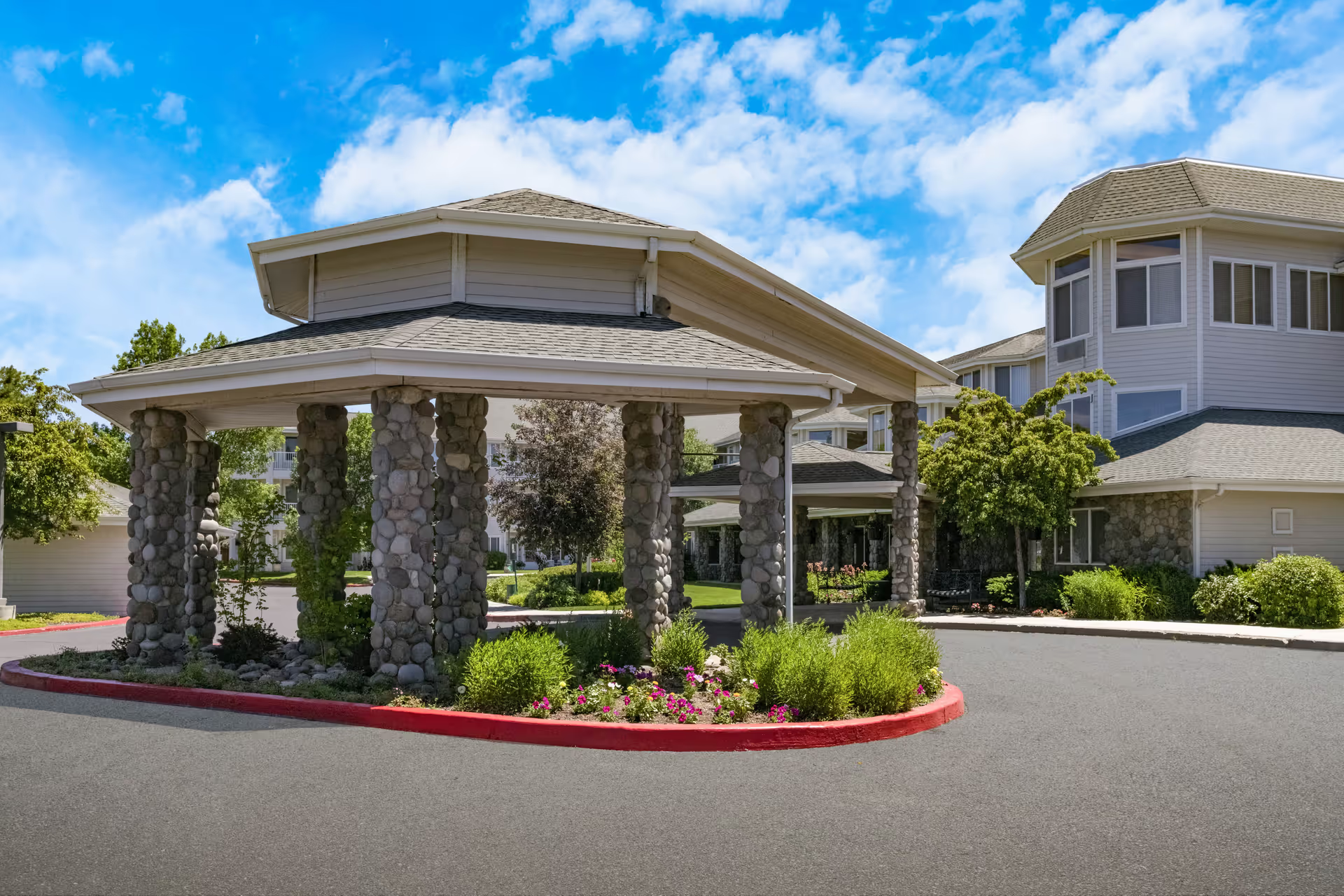
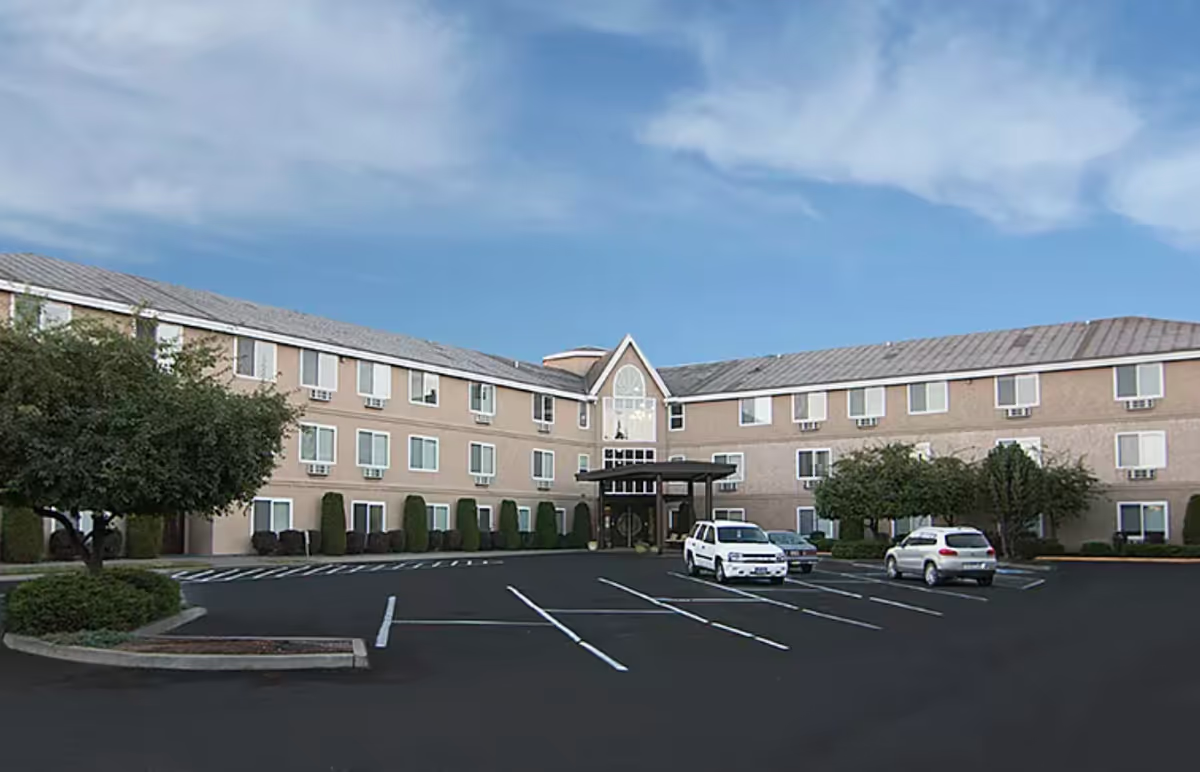
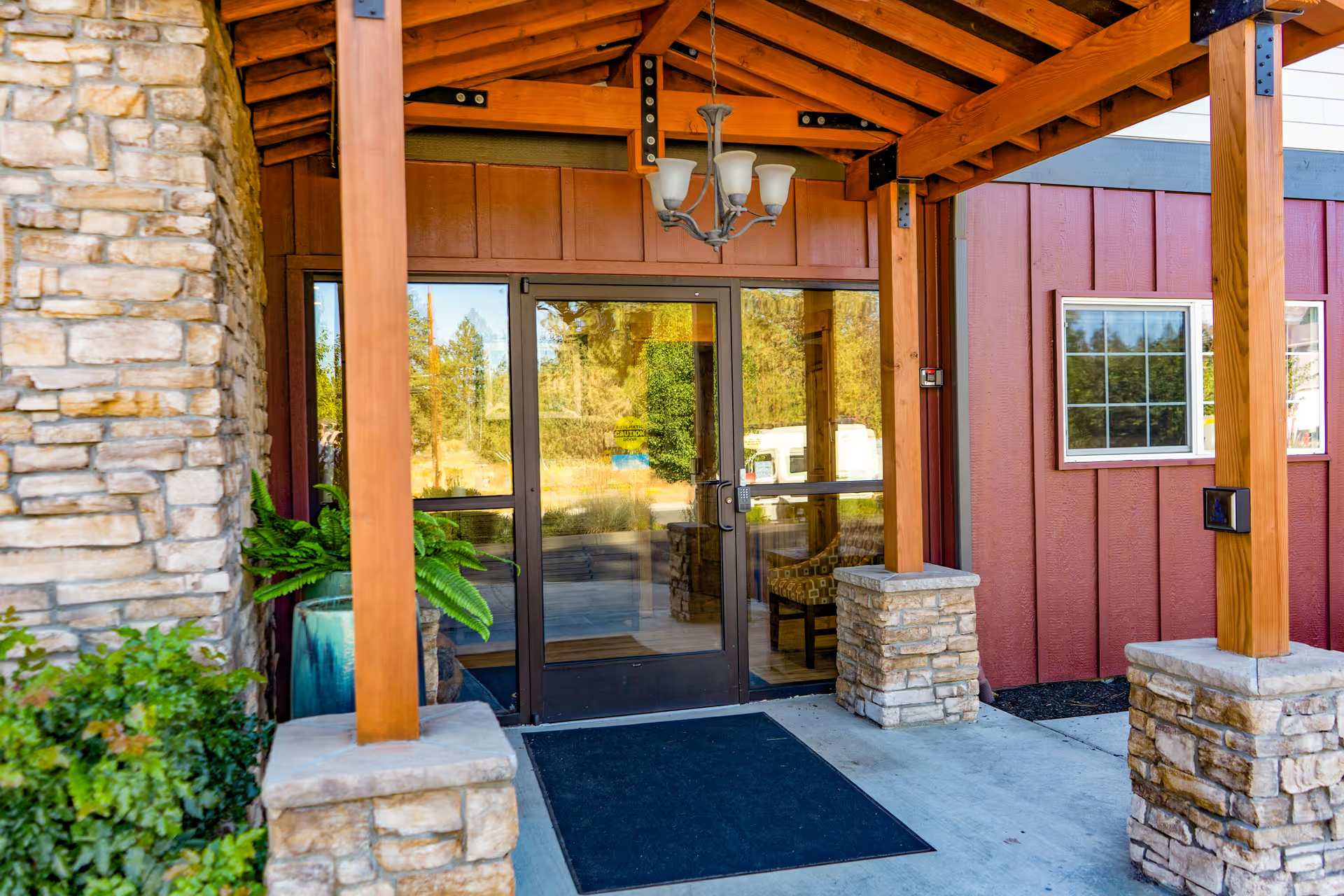
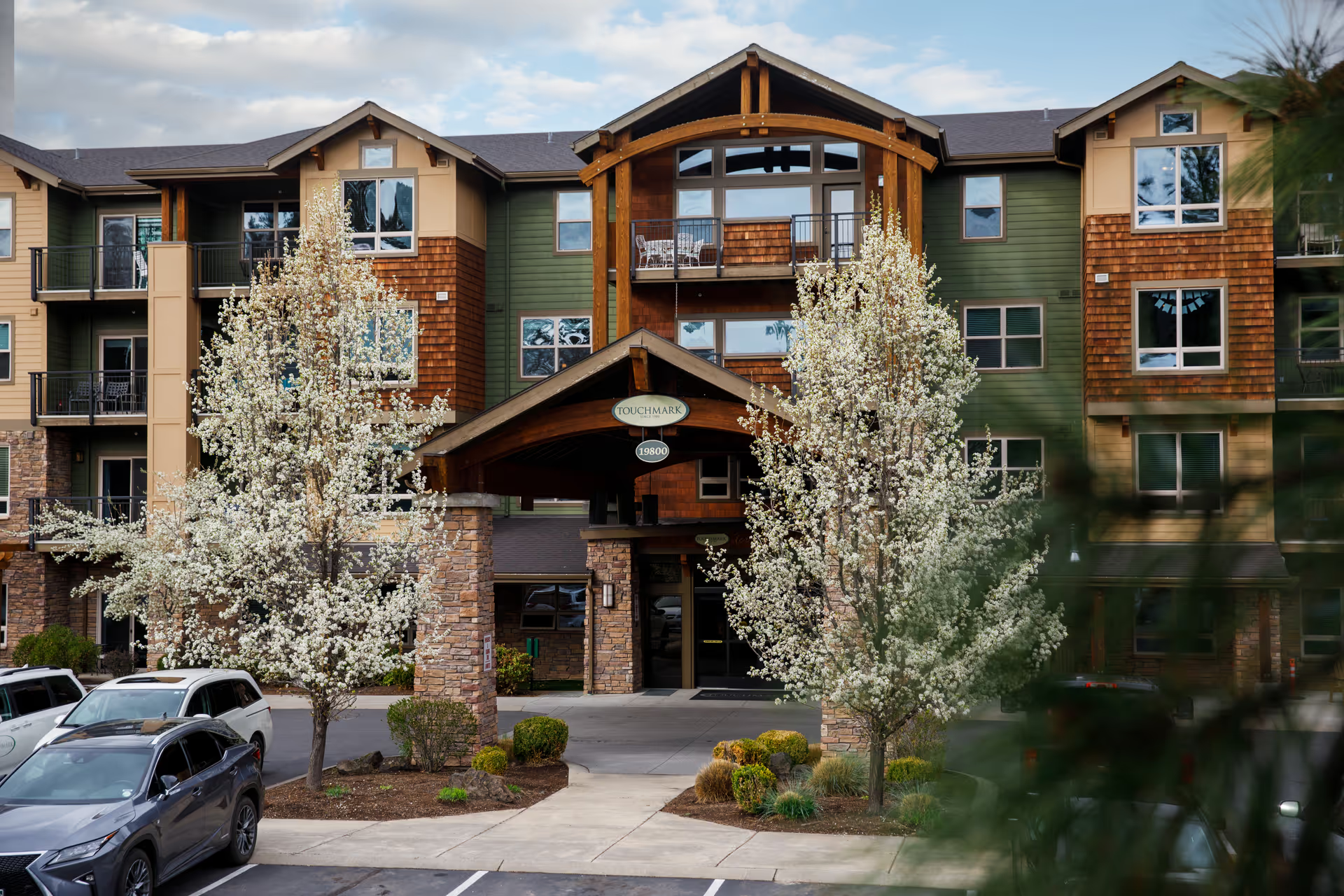
Touchmark at Pilot Butte is consistently described as an upscale, hotel-like senior living community with extensive amenities and a strong activity program. Reviewers frequently praise the campus design and maintenance: common areas are described as attractive and well-appointed, apartments are noted for in-unit washers/dryers and full kitchens, and public amenities include a pool, sauna, modern fitness center with a certified trainer, movie theater, on-site salon/barber, multiple dining venues (restaurant, café, bar), private dining rooms, and pet-friendly outdoor spaces. The facility presents as clean, well-maintained, and convenient to shopping and medical services.
Staff and care receive generally positive comments for compassion, attentiveness, and professionalism. Many accounts highlight helpful front-line employees, an engaged activities director, robust programming (classes, outings, games, arts, fitness and water aerobics), and the availability of in-home care services within the community. Dining is a frequent strength: reviewers describe restaurant-quality meals, made-to-order options, and multiple venues that support varied dining experiences.
Despite these strengths, a set of operational concerns recurs across reviews. Staffing instability and turnover—especially in culinary and fitness roles—has been linked to intermittent declines in service consistency. Relatedly, reviewers note variability in food-service continuity and in the facility's ability to accommodate specific dietary restrictions and allergies. Some accounts point to unclear ancillary charges and maintenance fees, and limited driver/transportation availability for residents. Communication and responsiveness from management are characterized as uneven: while leadership is described as responsive in many instances, other reports cite difficulty reaching managers or delays in follow-up. There are also indications of limited overnight supervision and front-desk coverage, and reviewers recall service reductions or restricted in-person interactions during public-health restrictions. A small number of serious claims include allegations of resident mistreatment or conduct concerns; these statements indicate the need for careful follow-up during a prospective move-in assessment.
For prospective residents and families, the balance of feedback suggests a community with strong amenities, active programming, and generally caring staff, tempered by operational challenges that affect consistency of service. Recommended due diligence includes asking for current staffing ratios and turnover statistics, examples of how dietary restrictions are handled, a clear itemization of ancillary fees, specifics on transportation services and overnight security coverage, and documentation of any recent corrective actions taken by management in response to past issues. An on-site visit during meal service and an opportunity to speak with current residents and staff can help confirm whether the community’s strengths align with an individual’s needs and expectations.