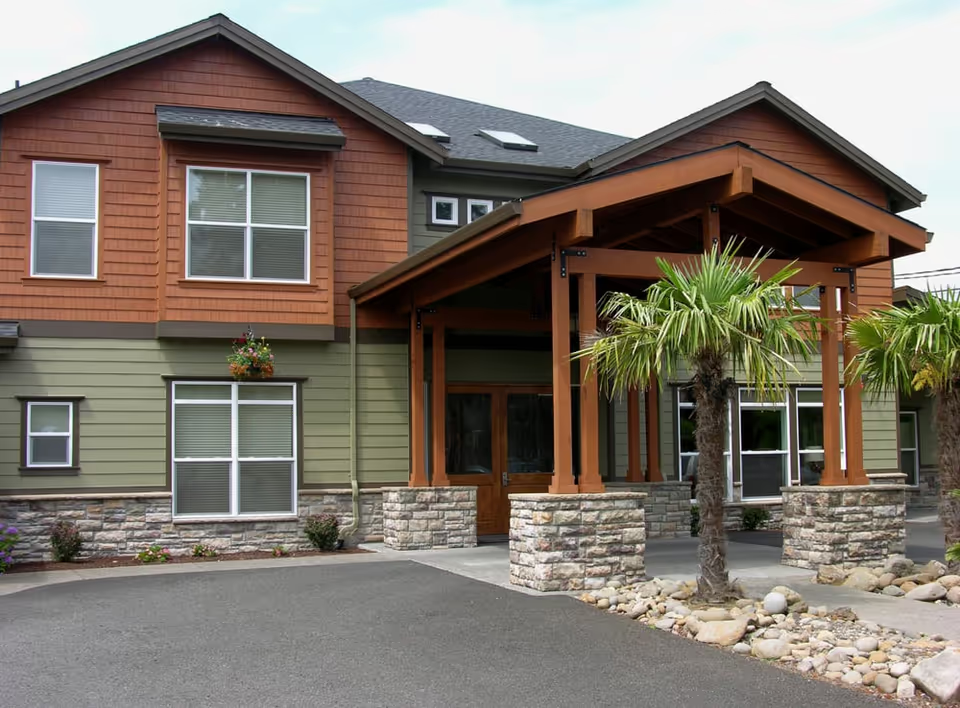
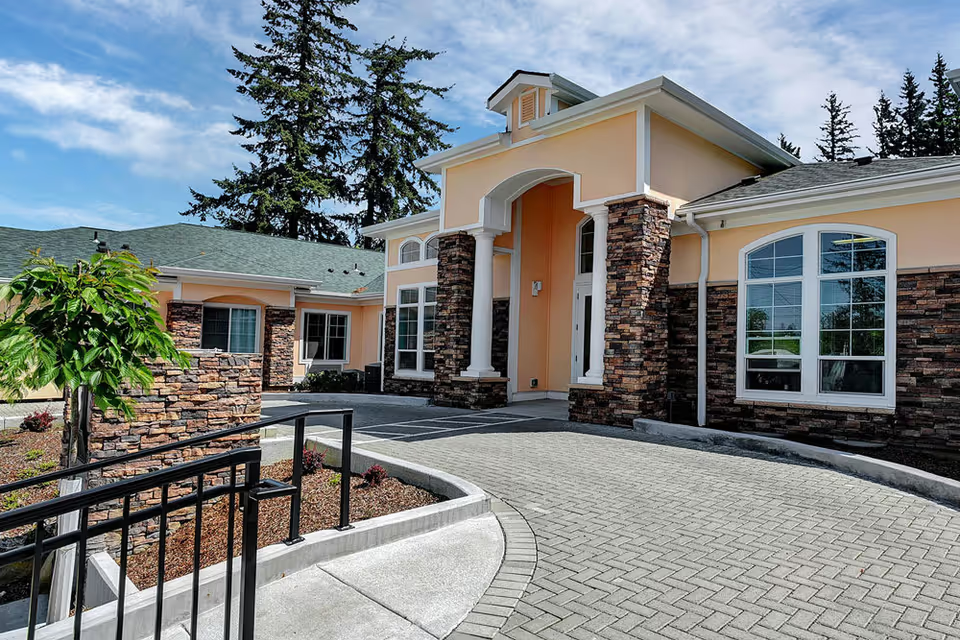
Overall sentiment from the reviews is mixed: reviewers consistently praise the interpersonal side of the home—staff, caregivers and even the owner are described as caring and loving—while raising operational and environmental concerns such as lack of activities, poor transparency, inability to evaluate dining, and disruptive street noise. The positive comments focus on human connections and long-term residency, whereas the negatives center on information accuracy, resident engagement, dining access, and site noise.
Care quality and staff: The strongest and most consistent positive theme is the quality of personal care. Multiple comments single out staff and caregivers as caring and loving, and some reviewers explicitly mention appreciation for them. The presence of an owner who is personally described as loving reinforces the impression of warm, attentive relationships. The fact that there are long-term residents is also notable; it suggests continuity of care and resident satisfaction for some families or individuals.
Facilities and environment: The physical space itself is described positively in at least one review—"pretty interior"—which suggests an attractive or well-kept common area or decor. However, environmental comfort may be compromised by heavy street noise, which was explicitly called out. This contrast suggests that while interior aesthetics are good, exterior location and sound insulation may be problematic for residents who need a quieter setting.
Dining and activities: Reviews raise concerns about the experiential side of living there. One reviewer was "unable to try the food," so there is little direct evidence in these summaries about meal quality, variety, or suitability for residents. A separate but related negative is that there are "no activities" offered. The lack of organized activities is a significant concern because it affects residents' daily engagement, social interaction, and overall quality of life. Combined with the inability to assess food, prospective residents and families lack important information about two central aspects of daily living.
Management, admissions, and transparency: A notable negative theme is "misleading information." That term implies problems with transparency during admissions, marketing, or communication from management. When potential residents or families feel misled, it damages trust—especially important in long-term care settings where decisions are consequential. This issue, paired with the inability to sample meals and absence of activity programming, points to a pattern where expectations set by the facility may not match the lived experience.
Patterns and implications: The reviews paint a picture of a facility that delivers strong, compassionate interpersonal care but has gaps in programmatic offerings and operational transparency. The positive human elements (caring staff, appreciative families, long-term residents) are significant strengths that can support resident well-being. However, the combination of misleading information, no activities, inability to evaluate food, and heavy street noise are practical concerns that could materially affect day-to-day comfort and satisfaction.
For prospective residents or family members evaluating this facility, the most relevant follow-up actions would be to directly verify details that reviewers identified as lacking: request written descriptions or schedules of activities, ask for a meal tasting or sample menu, inquire specifically about noise levels and any sound mitigation, and seek clear, written answers to admission-related questions to confirm what was described verbally. Those steps would help determine whether the facility's strong caregiving team and attractive interior outweigh the operational and environmental drawbacks noted in the reviews.