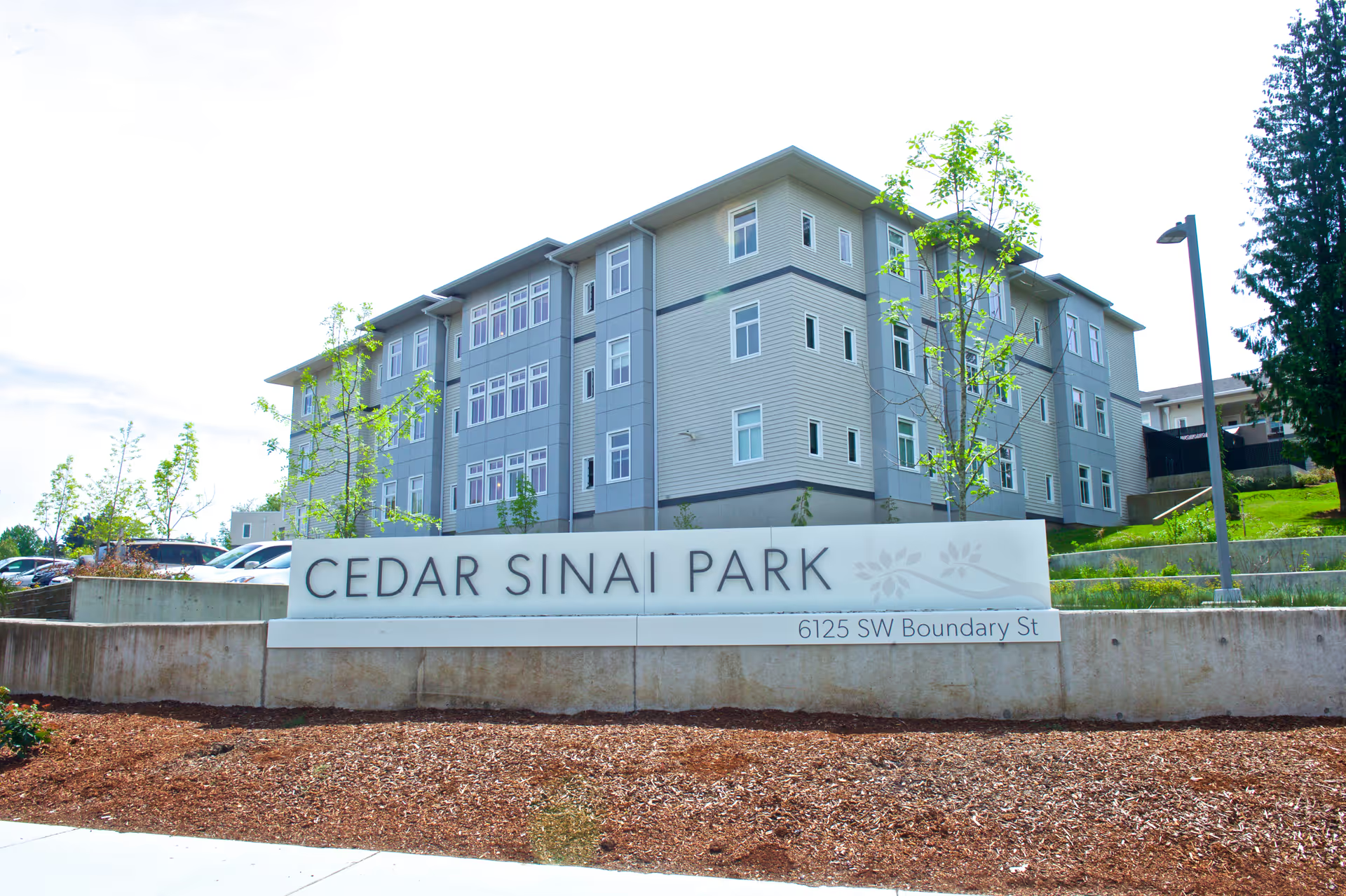
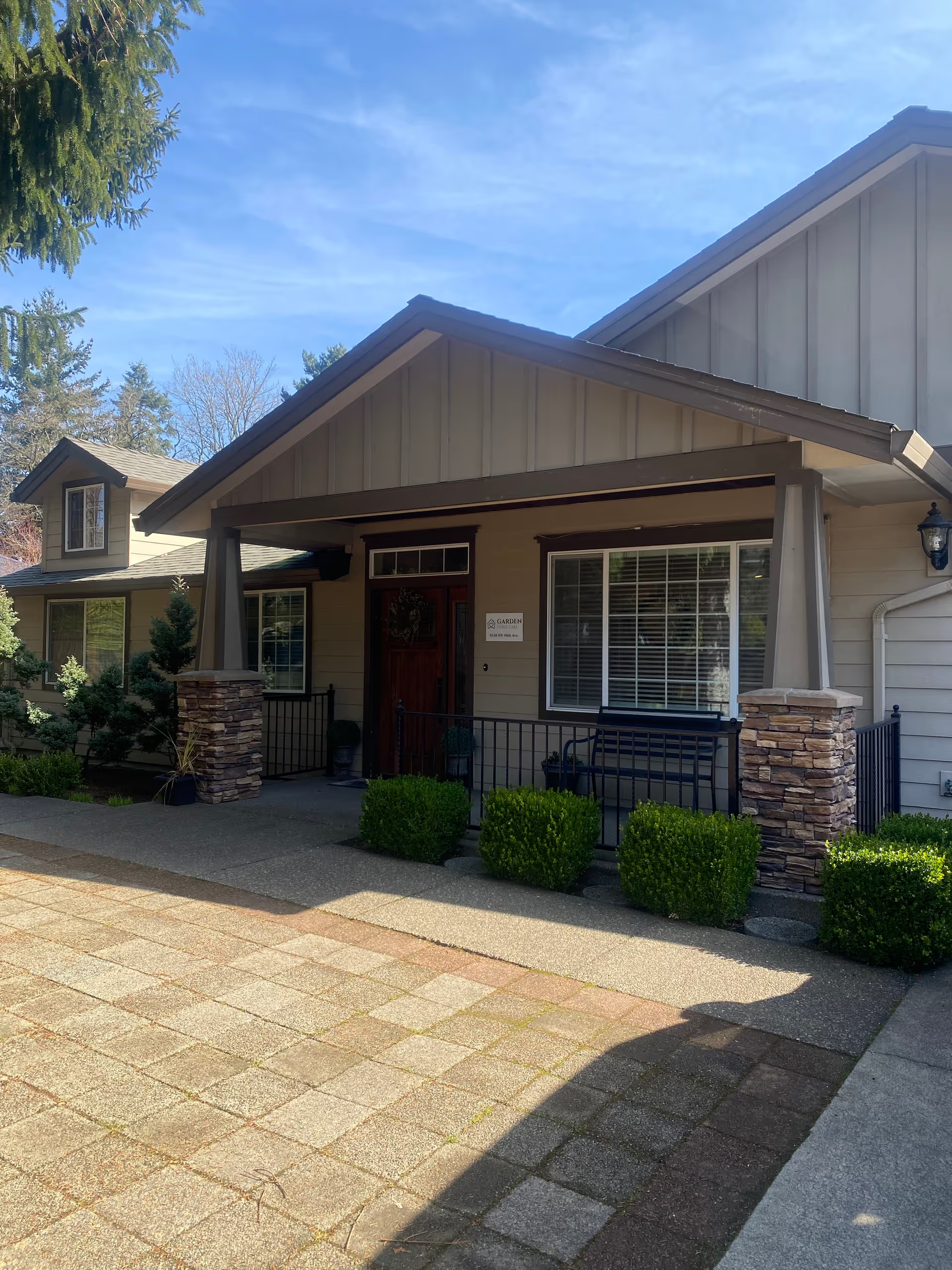
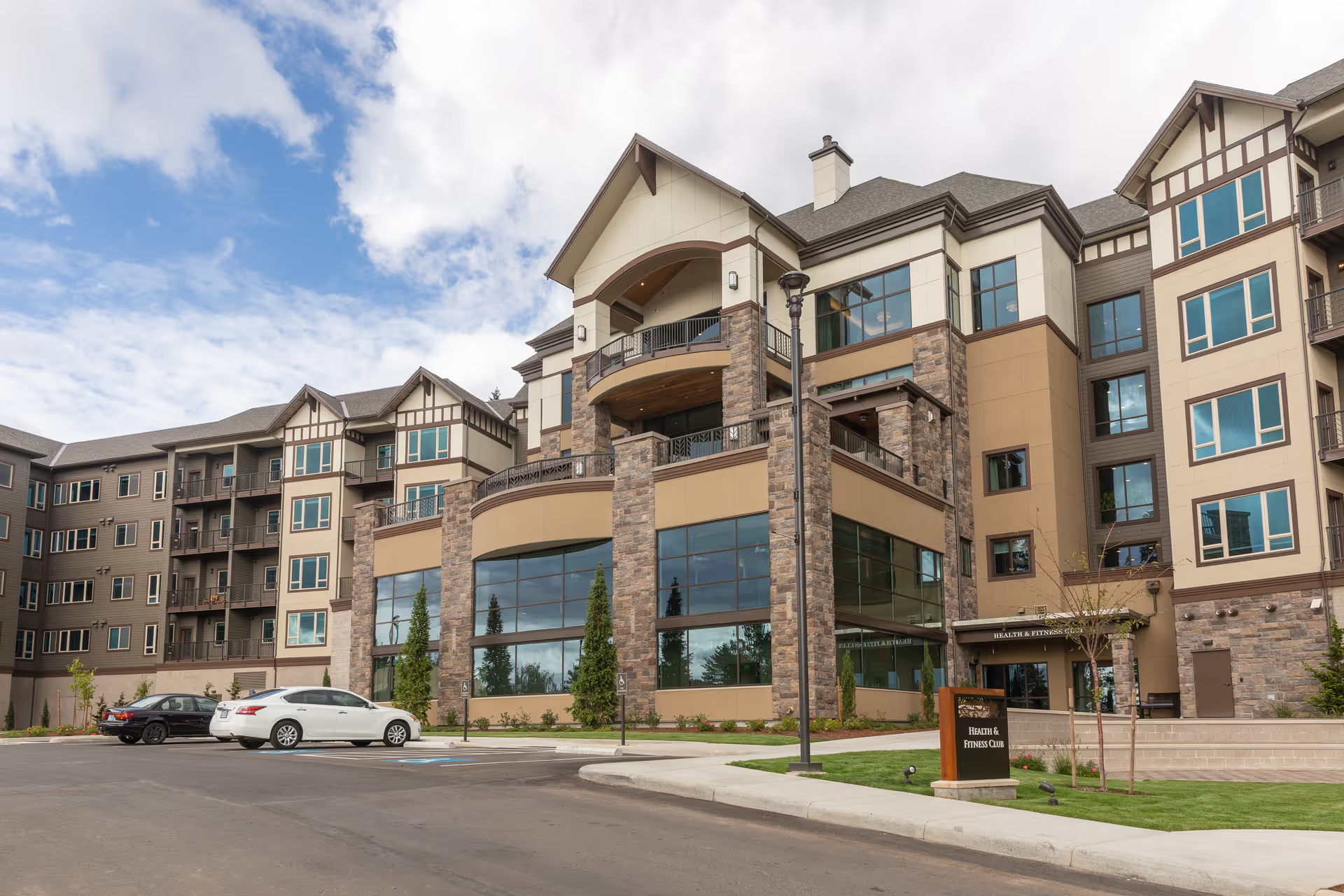
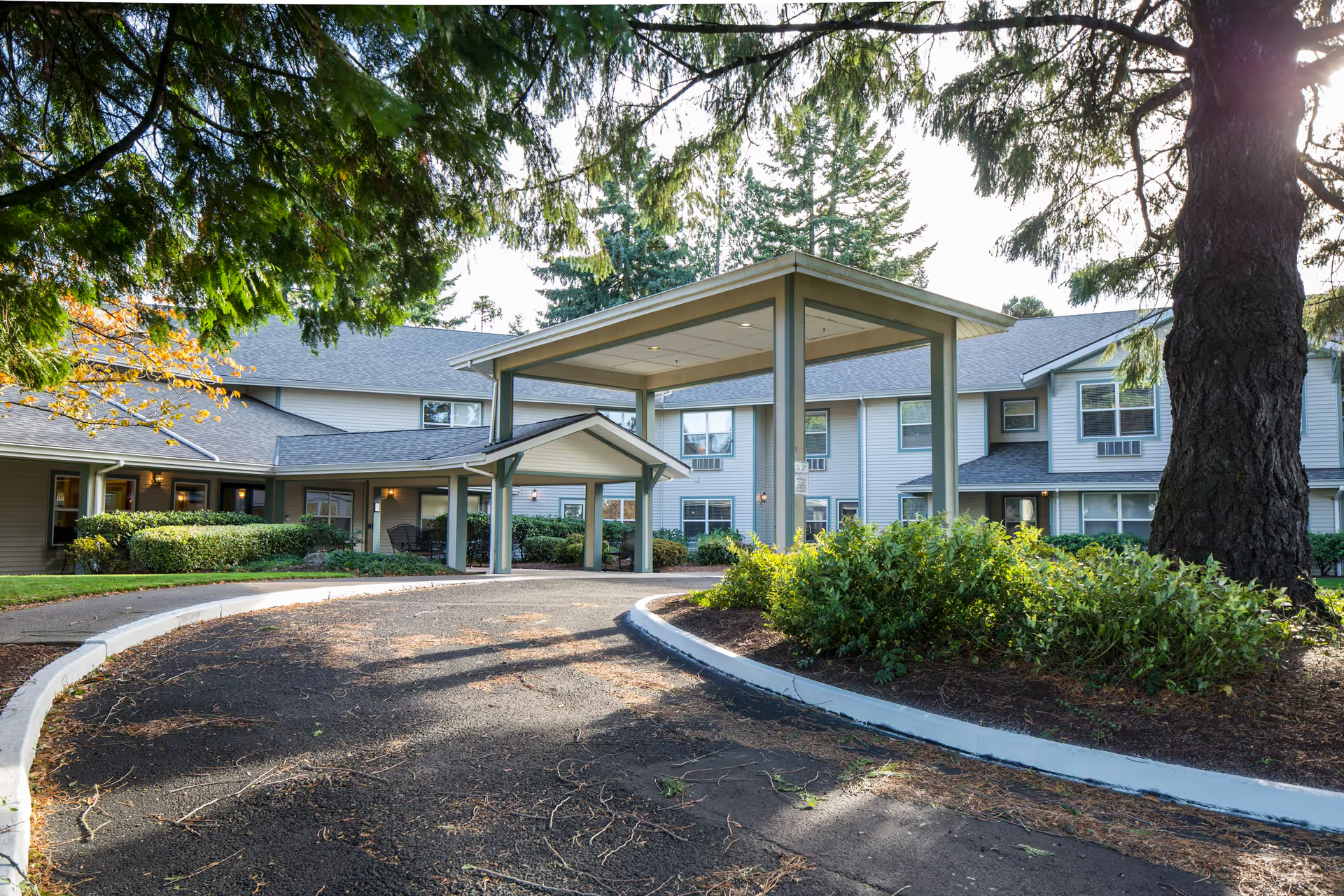
Reviewer feedback for Harold Schnitzer Center for Living is sharply mixed, with clear patterns of both substantive strengths and recurring operational weaknesses. Many families and residents praise the facility’s physical environment, therapy resources, and person-centered touches: the campus and common spaces are frequently described as attractive and well maintained, resident rooms are often spacious and nicely appointed, and there are multiple programs for social engagement (including music, piano, and a synagogue). Short-term rehabilitation experiences and therapy services are commonly described as effective, and some reviewers highlight attentive, compassionate nursing and CNA care, along with accessible family communication channels such as a portal and arranged outdoor visits.
At the same time, a consistent cluster of operational concerns emerges. Staffing irregularities and high turnover contribute to uneven care continuity: reviewers cite delayed responses to call bells, limited night or on-call clinical coverage, and frequent changes in assigned caregivers. These gaps are linked to specific clinical risks in accounts of inconsistent medication administration, pain-management problems, and variability in therapy availability. Families also describe conflicting messages between nursing staff and care management, indicating weaknesses in internal care coordination and communication that can complicate clinical decision-making and discharge planning.
Dining and personal-care are other areas of variability. While some reviewers report diverse, appealing meal choices and positive food experiences, others note cold or low-quality meals, missed snacks, and concerns about weight loss. Personal-care practices—bathing schedules, toileting assistance, and dressing—are described as inconsistent, and there are reports raising sanitation and pest-control concerns as well as lapses in housekeeping in certain instances.
Management and culture receive mixed assessments. Several reviewers commend individual staff members and frontline teams for compassionate, respectful interactions and effective rehabilitation outcomes. Conversely, other families perceive an administrative emphasis on financial or operational priorities over consistent clinical oversight, and they describe limited follow-up when problems are raised. Training gaps, limited staff accountability, and the need for family advocacy to secure reliable care are recurrent themes.
For prospective residents and families, the center appears to offer significant strengths—an attractive facility, robust therapy services, and meaningful activity programming—but also evidences variability in daily-care delivery tied to staffing, communication, and operational practices. Those considering placement should evaluate current staffing ratios and on-call coverage, ask about medication-safety and transfer protocols, review recent sanitation and pest-control measures, and plan to engage proactively with care teams to monitor consistency of meals, personal care, and therapy continuity.