Senior Haven RCF elicits strongly polarized impressions: many families describe compassionate, attentive caregivers, hands-on clinical leadership, and outcomes-oriented short-term rehabilitation, while others express concern about operational stability and consistency. On the positive side, reviewers consistently highlight staff who provide personalized care and pain management, a homelike setting with well-kept grounds and patios, meaningful social programming (holiday events, games, movie nights), and meal options that include social dining and a private dining room for guests. The facility also supports end-of-life care and accepts Medicaid; there are financial options such as a shared-room discount, and some areas of the building are described as new and very clean.
Care quality and staffing present a mixed picture. Numerous accounts praise individual caregivers and clinical staff for compassion, patience with dementia, and responsive one-on-one attention; several families credit the staff with improved mobility and positive outcomes. However, a recurrent operational theme is staffing inconsistency: high turnover, shifting nursing and administrative leadership, and variable nurse availability that can affect response times and medication coordination. Reviewers call out supply-management issues that have led to shortages of essential items, and there are documented lapses in infection-control adherence during certain periods. These patterns suggest that day-to-day resident experience may depend heavily on current staffing levels and leadership stability.
Dining and activities are generally strengths when staffing and management are stable. Many families report excellent, varied meals and frequent social activities that promote engagement and a family-like atmosphere. That said, there are also accounts of diet instructions not being followed and periods when activities were curtailed during staffing shortages. Prospective residents should ask about current activity schedules and how dietary requirements are handled.
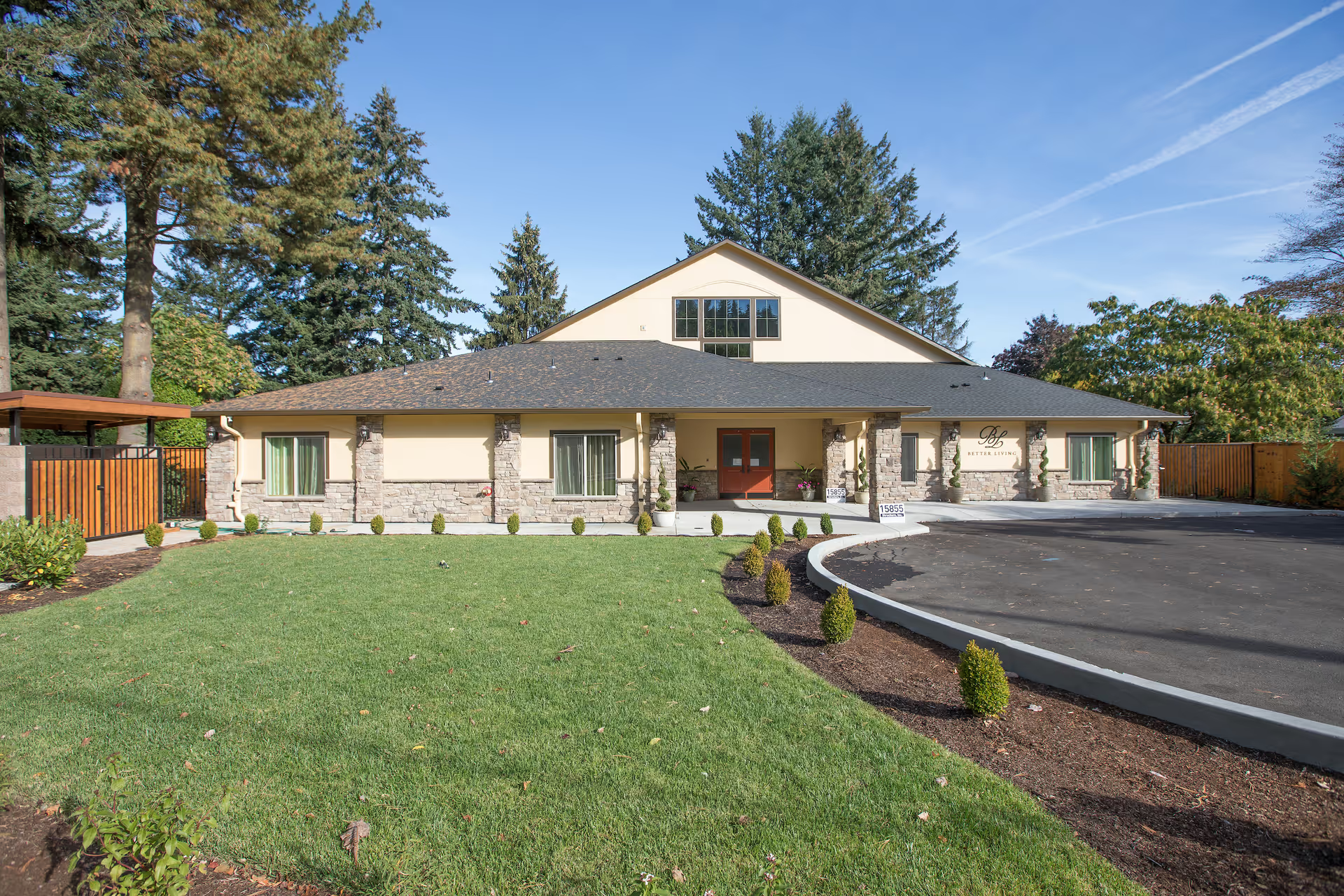
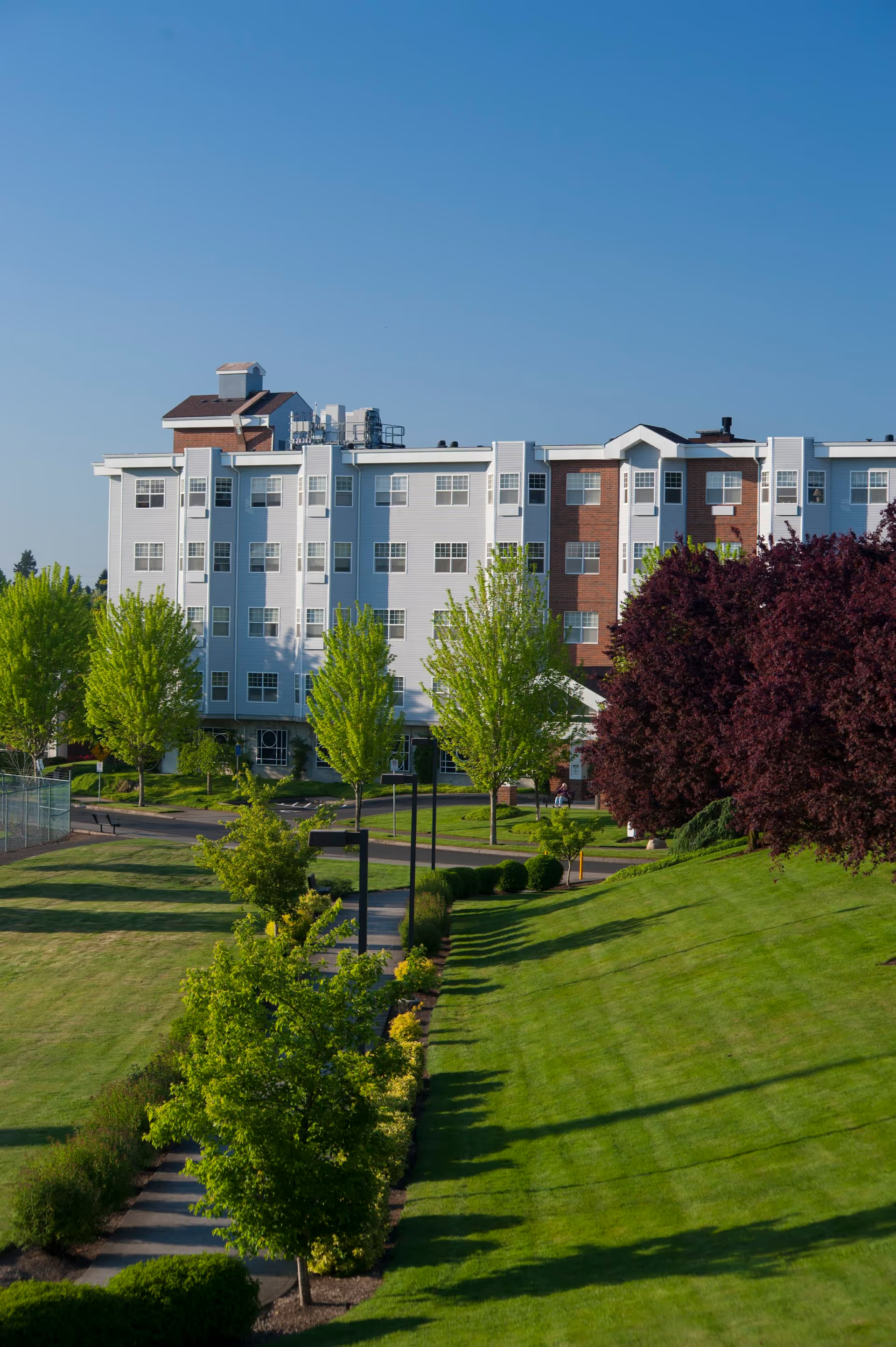
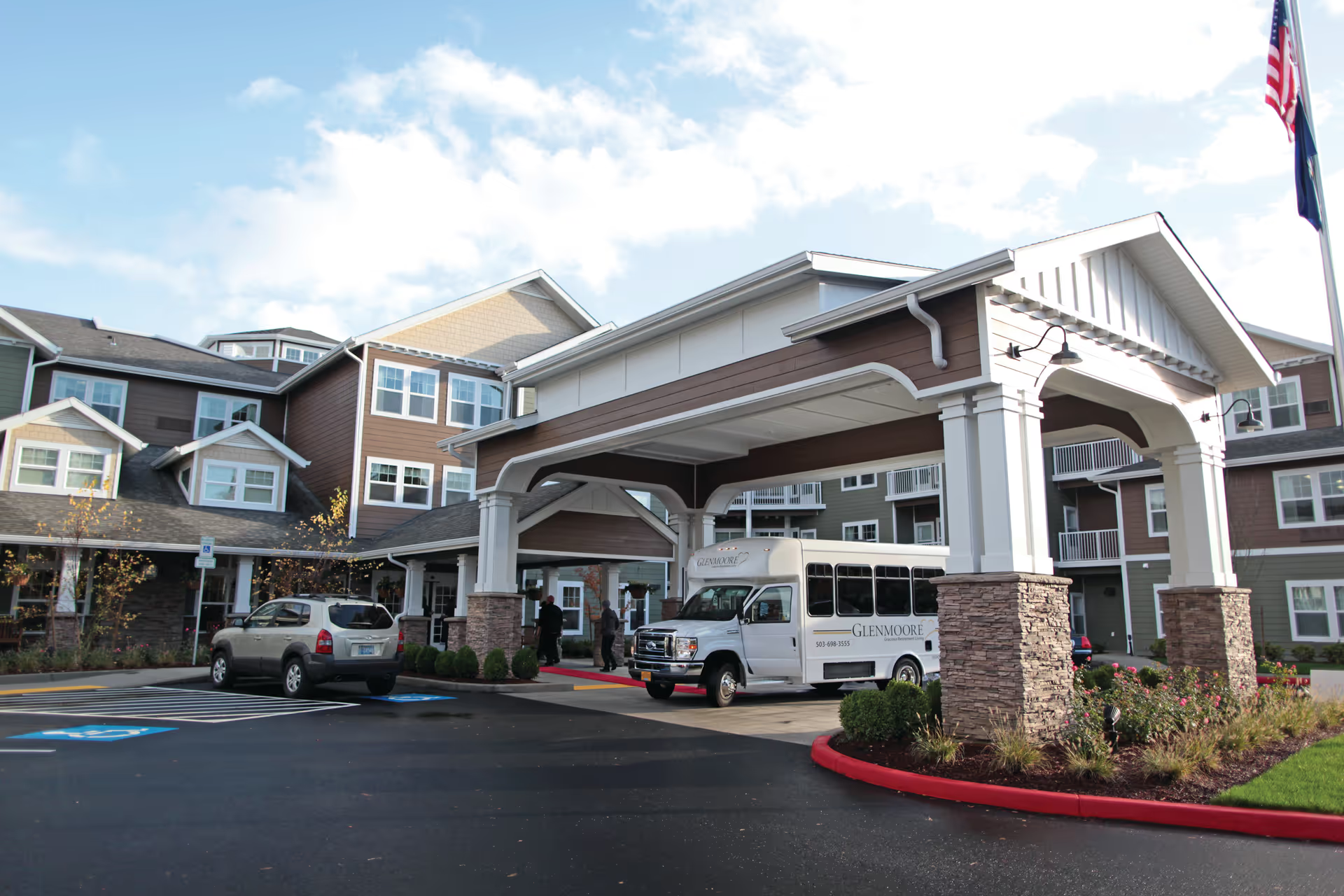
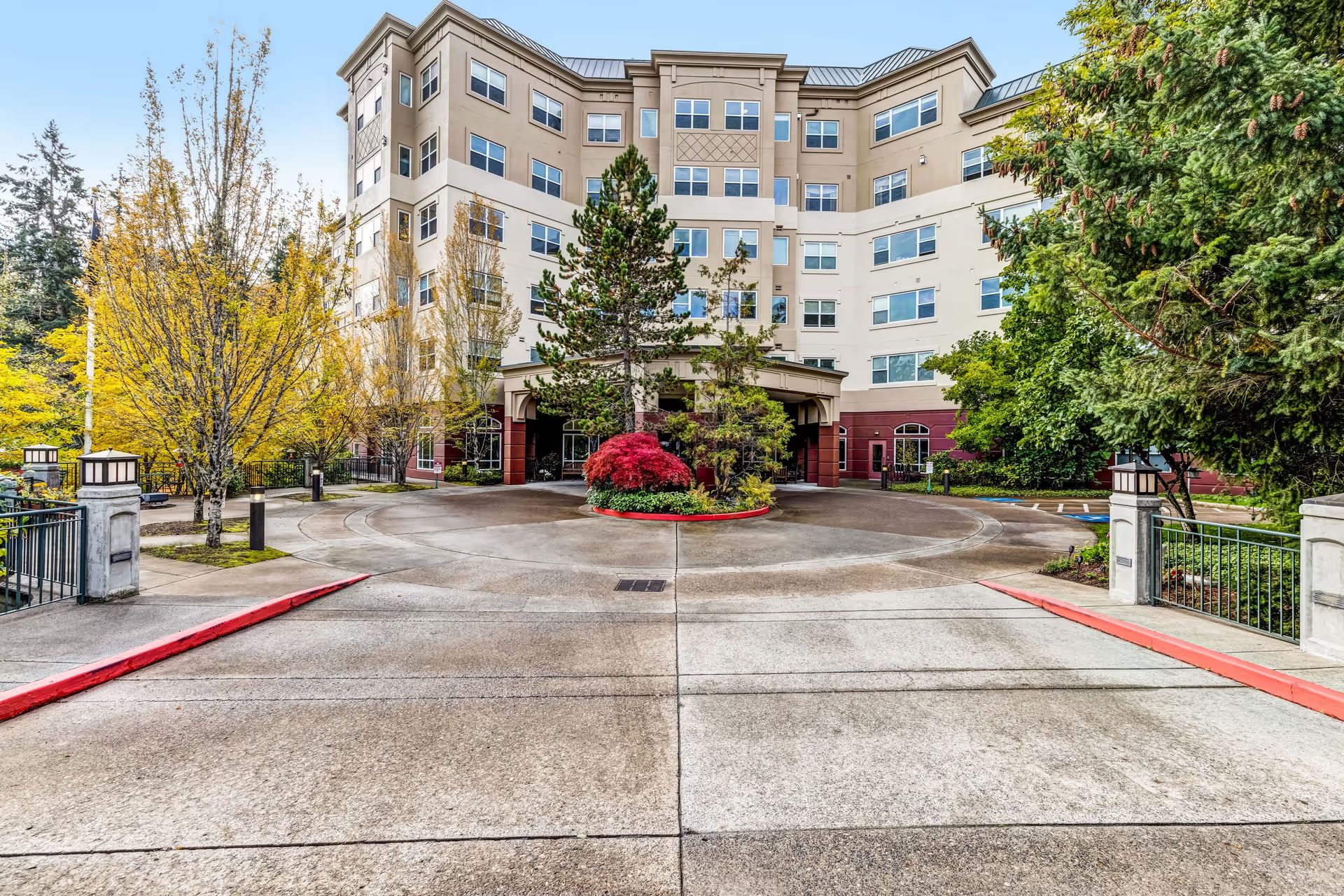
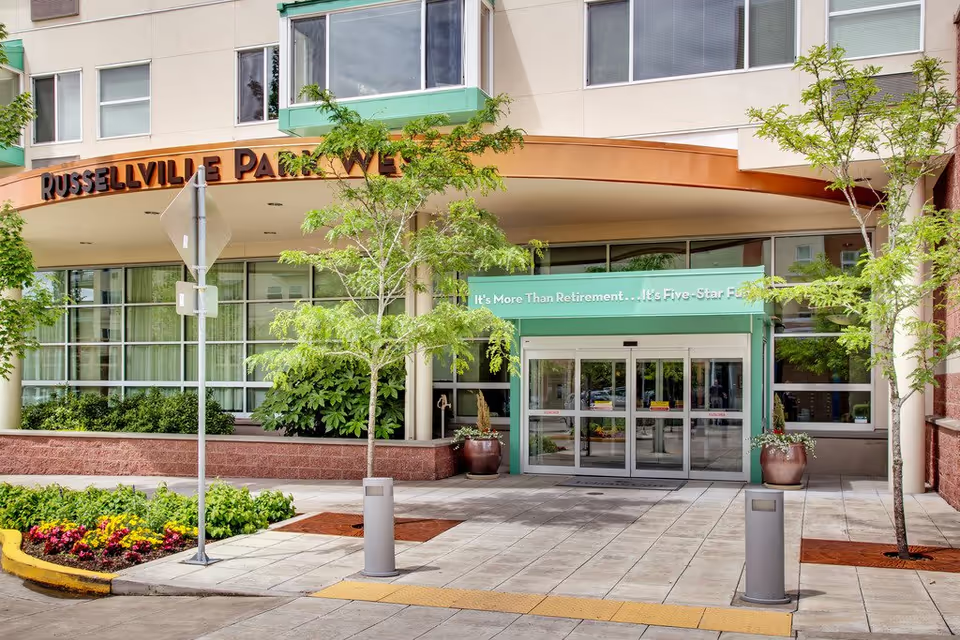
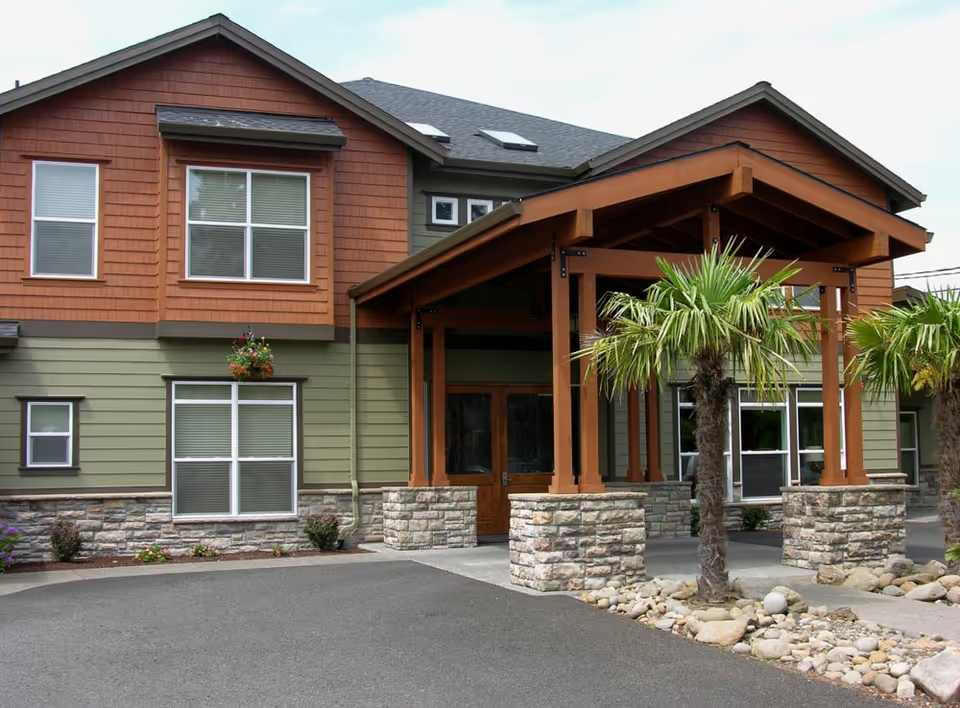
Facilities and maintenance feedback is similarly mixed. Positive notes include attractive, warm apartments, patios off resident rooms, and clean newer units. Common concerns include small room sizes, minor maintenance needs (paint and small repairs), and limited parking with a busy street location. Sanitation and cleaning consistency are an area of concern for some families; while some reviewers describe a clean, odor-free environment, others describe sanitation inconsistencies in certain areas of the facility.
Management and administration show a clear pattern of change and uneven execution. Several reviewers describe a change in ownership or licensing arrangements that coincided with shifts in staffing, admissions focus (including a noted increase in behavioral/mental-health residents), and day-to-day supply and cleaning practices. Families also raised issues about phone responsiveness and coordination with outside services, and some perceive a mismatch between pricing and the level of service delivered. At the same time, some reviewers say management is responsive to online feedback and individual concerns.
Notable patterns and practical guidance: the strongest determinant of a positive experience appears to be current staffing stability and local leadership. Given the variability in reviews, a prospective resident or family should tour the facility in person, ask for current staffing ratios and turnover data, review infection-control and supply-management protocols, verify how dietary and medication needs are documented and honored, and discuss the current resident mix and activity schedule. Also clarify financial policies, Medicaid arrangements, shared-room discounts, and end-of-life care practices. These steps can help assess whether the facility’s current operations align with your expectations for care continuity and value.