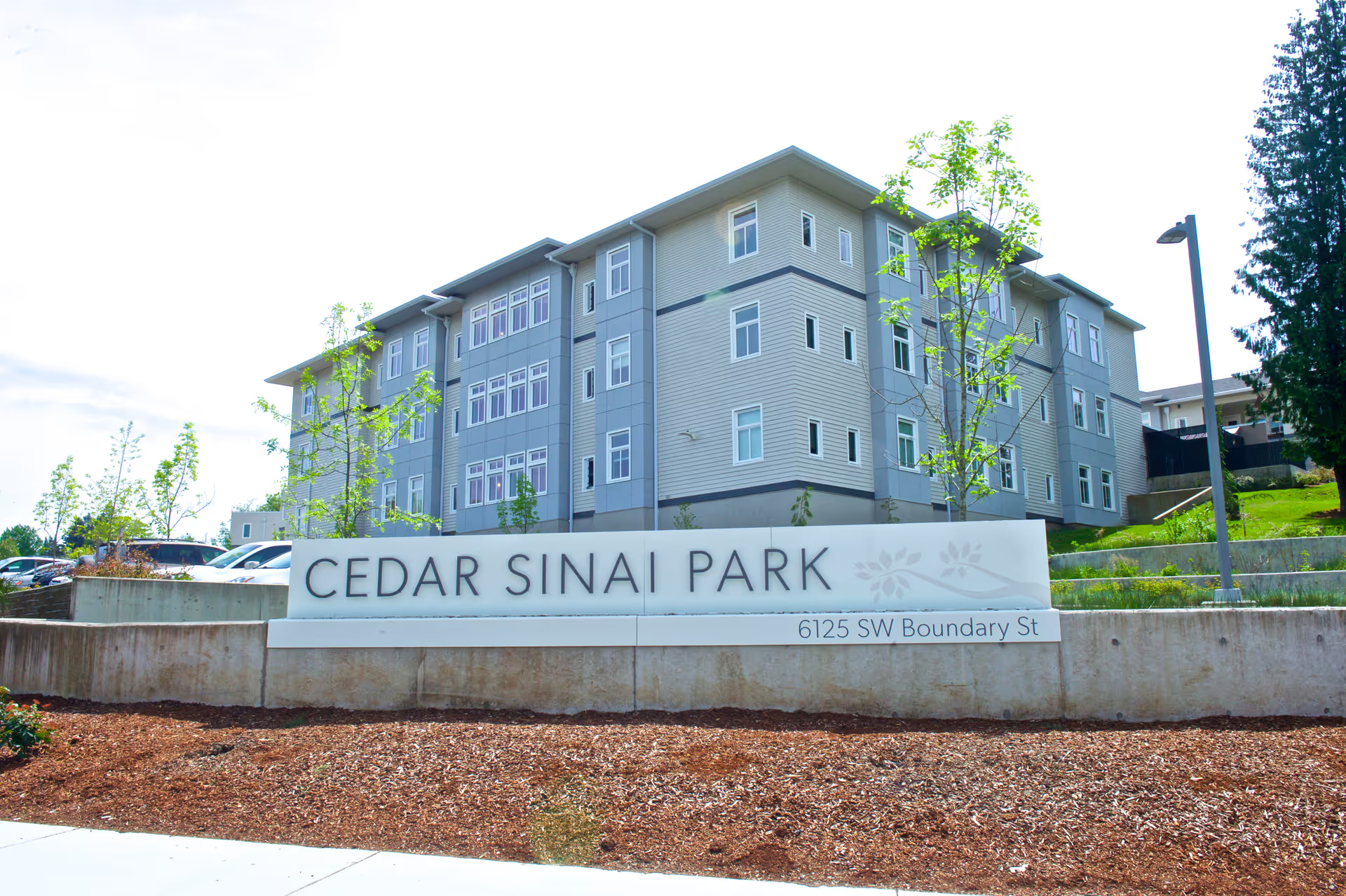
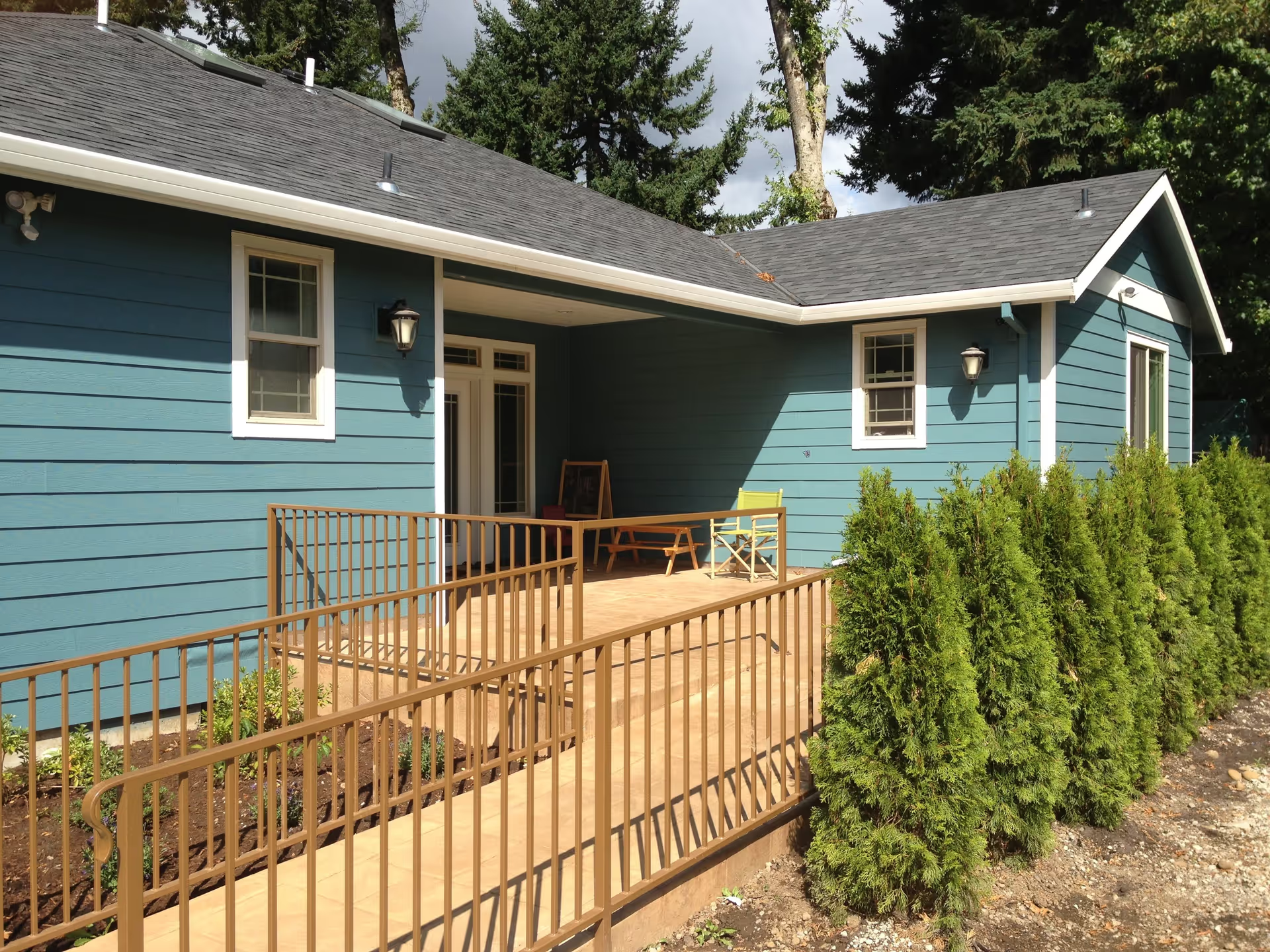
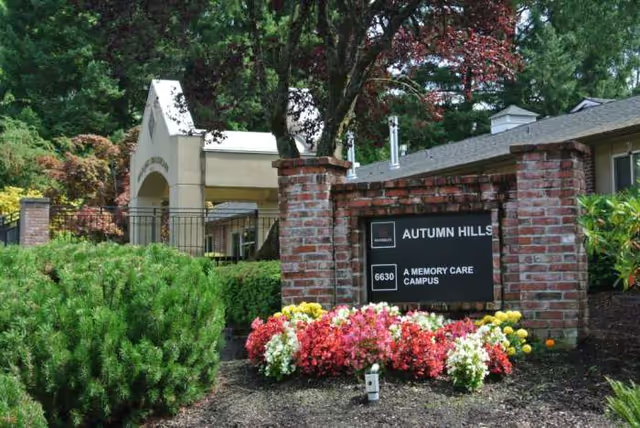
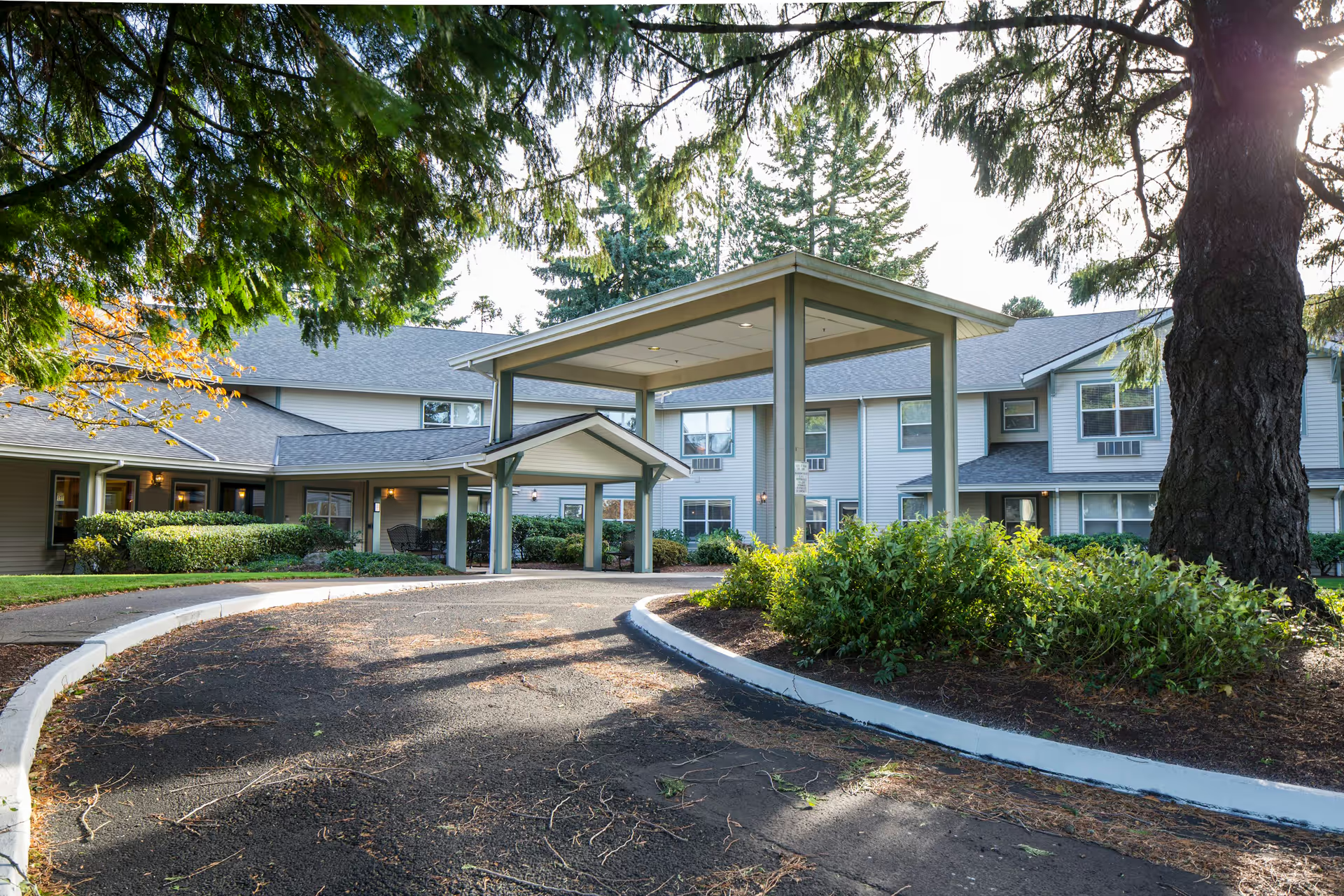
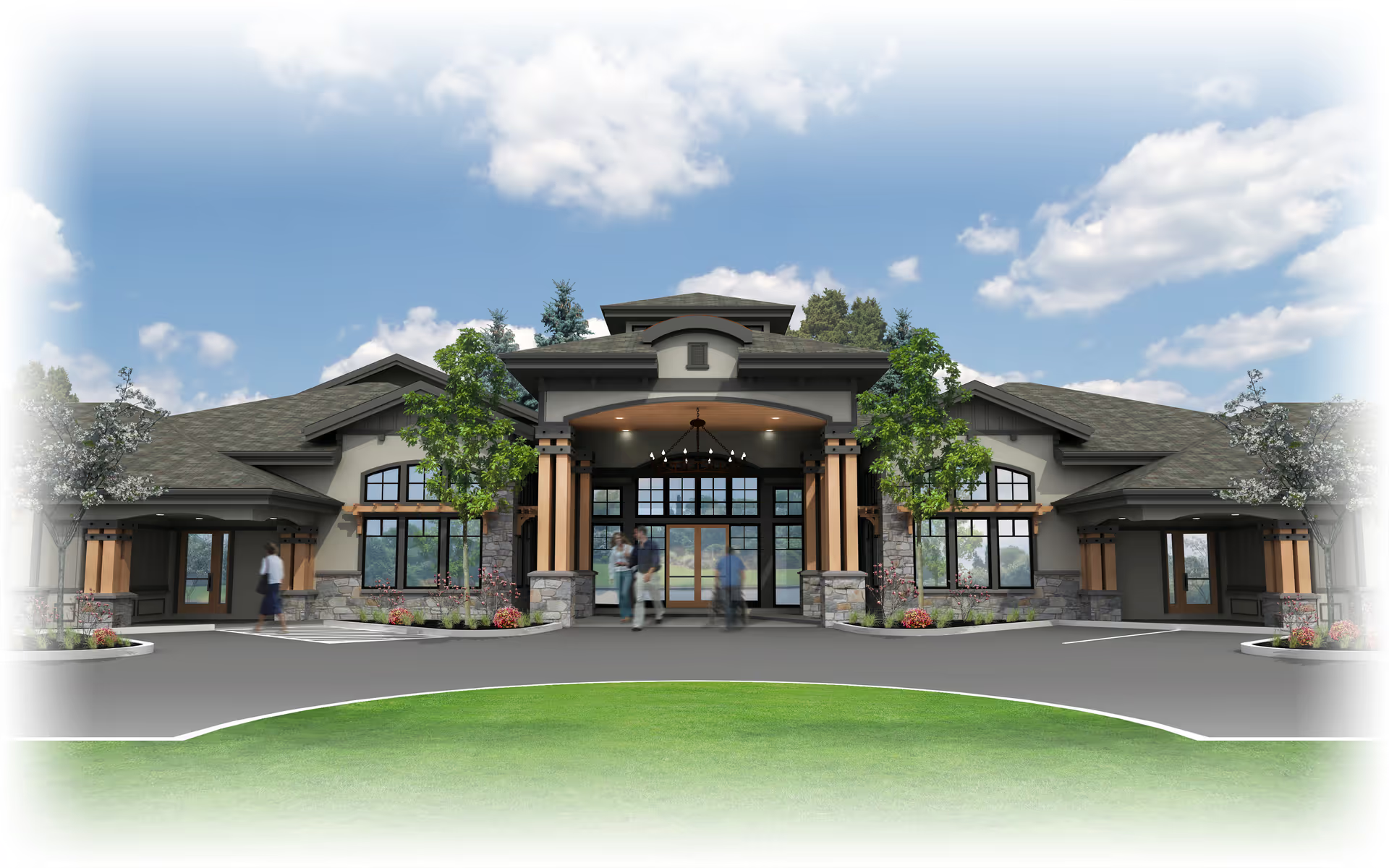
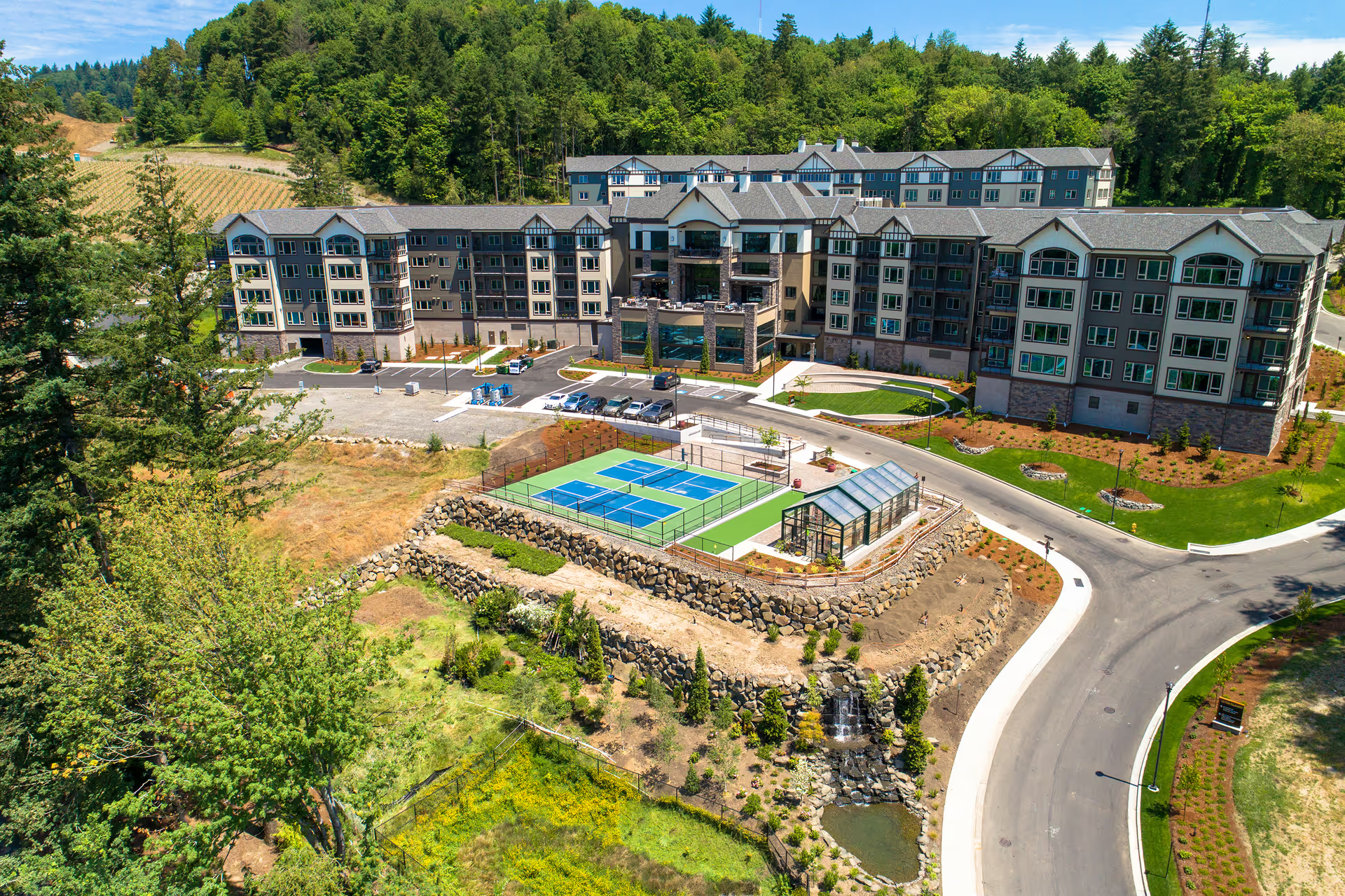
Reviewer feedback describes a facility with several clear strengths alongside recurring operational concerns. Strengths include a core of caring, compassionate direct-care staff who receive praise for attentiveness and end-of-life support in some cases. Rehabilitation services, particularly physical therapy, are highlighted as effective. The facility’s small size and campus setting with courtyard views are viewed positively; rooms are described as modest but functional, with basic furnishings and convenient access. The activities program is well-developed, with day-to-day crafts, exercises, music, movies, social games, and organized outings that families and residents found engaging.
Dining is a mixed but notable strength: many families praised varied, appealing meals and the availability of substitutions, and some described dining as a meaningful social opportunity. At the same time, there are patterns of meal-service interruptions and instances where residents’ stated choices were not consistently honored. Activities and social programming are consistently cited as active and diverse, supporting resident engagement across cognitive and physical levels.
Operationally, the facility appears to experience uneven performance. Staffing levels fluctuate, with particular shortfalls noted on weekends and during peak demands; this is associated with delays in attending to non-medical needs and with care rationing to medications and meals during busy periods. Family communication gaps and intermittent responsiveness from leadership and care managers were frequently cited, including missed return calls and unclear explanations about coverage and billing. Several families described confusing interactions around Medicare eligibility and billing practices.
Care-quality reports are mixed. While many reviewers praised compassionate bedside staff and effective therapy, others described variability in clinical oversight and in cleanliness standards. Specific concerns included sanitation and odor issues in some areas, laundry losses or mismanagement of personal clothing, and pest-control concerns that prompted family alarm. These issues suggest weaknesses in environmental services, inventory tracking, and infection-prevention consistency rather than uniform institutional failure.
Management and administrative themes recur in the feedback: families perceived an emphasis on financial considerations and cited shortcomings in transparency and leadership follow-through. That said, reviewers also singled out individual staff members and nurses as exceptional, indicating that frontline staff performance is often strong even when systems and oversight are inconsistent.
For prospective residents and families, the facility may offer meaningful social programming, effective therapy, and compassionate caregivers, particularly in small-community settings. At the same time, expect to ask specific questions about weekend staffing, cleaning schedules, laundry procedures, pest-control protocols, and billing/Medicare coordination. Visiting, observing meal service, and speaking directly with nursing leadership about oversight and communication processes can help assess whether the operational patterns described align with your priorities for care continuity and environmental standards.