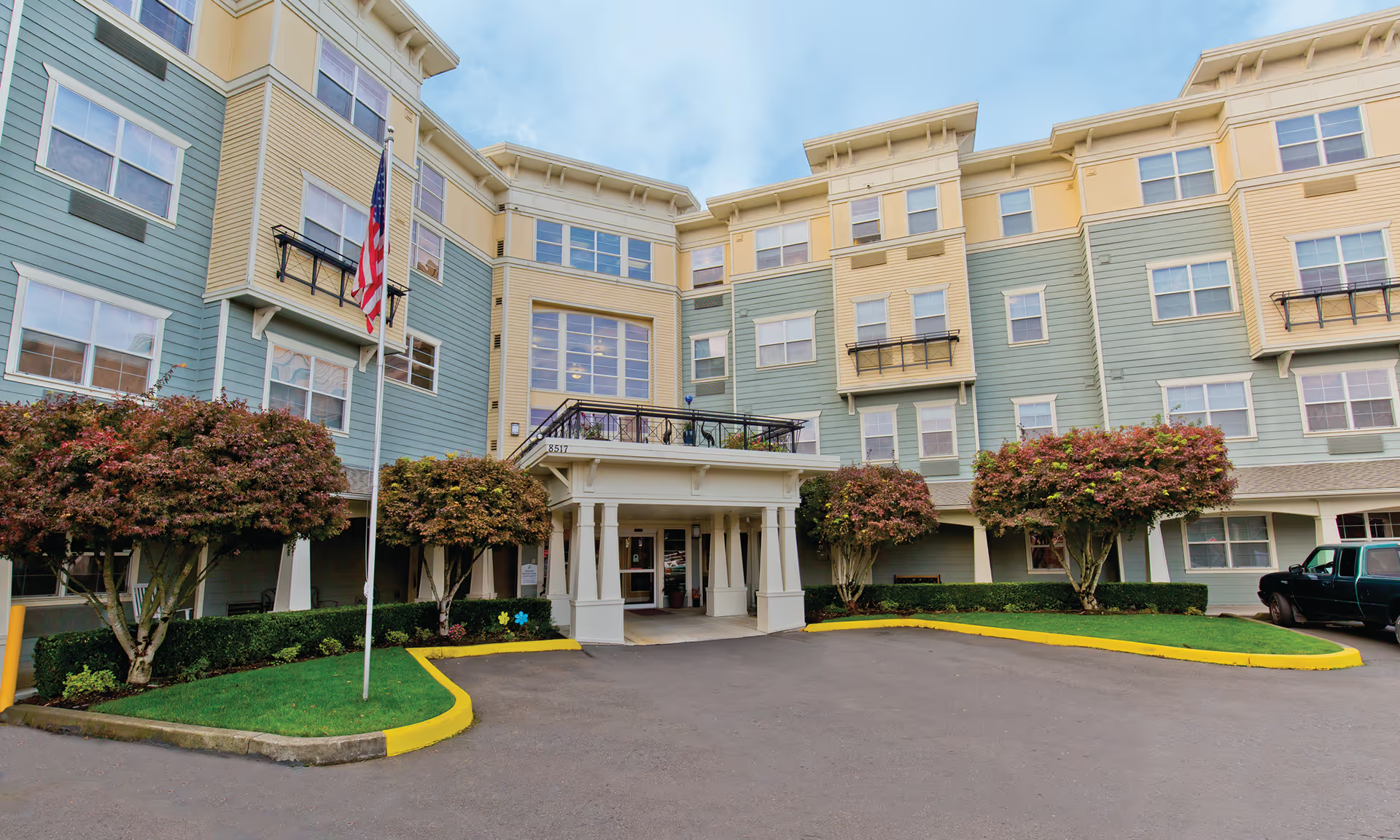
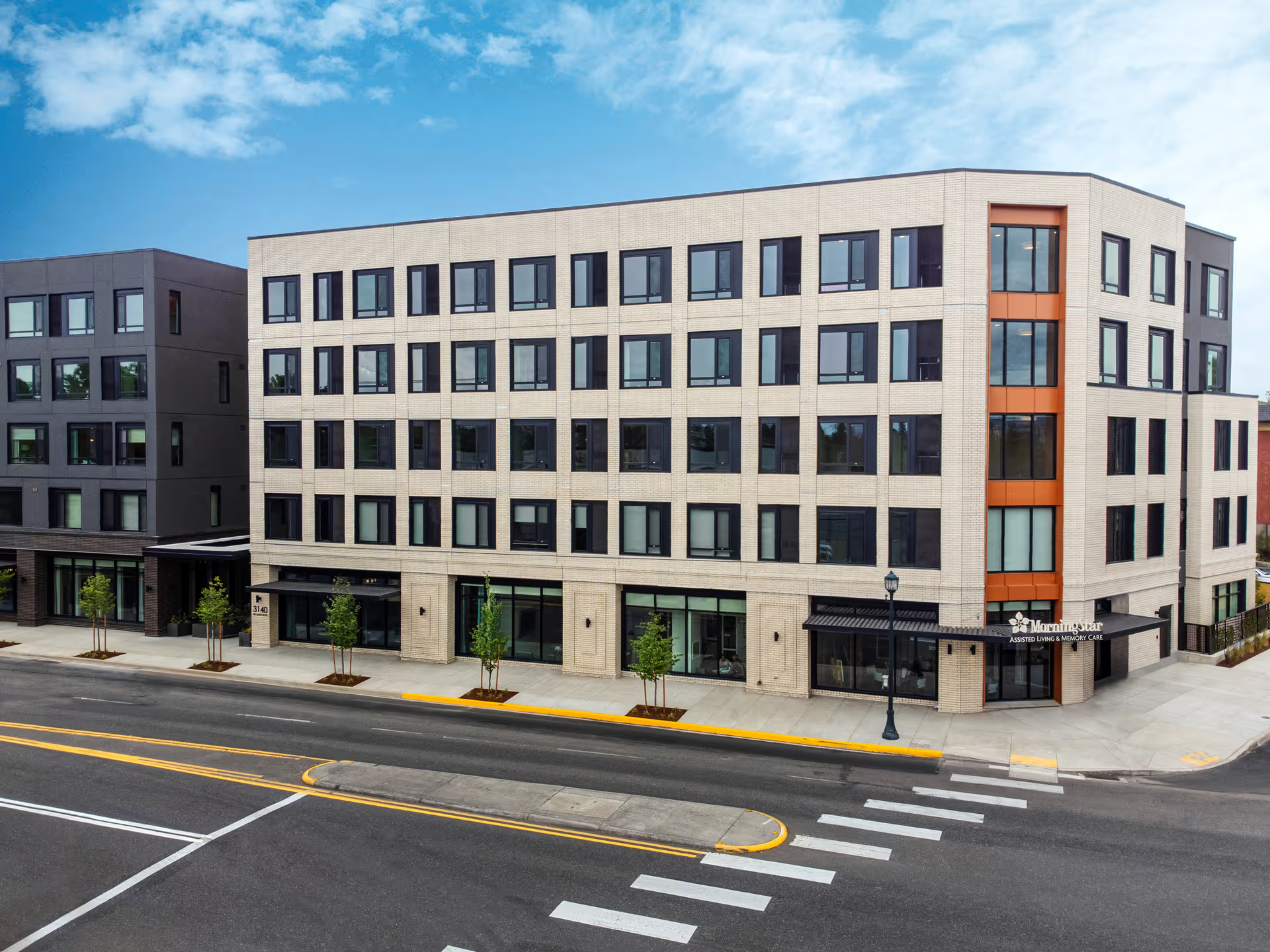
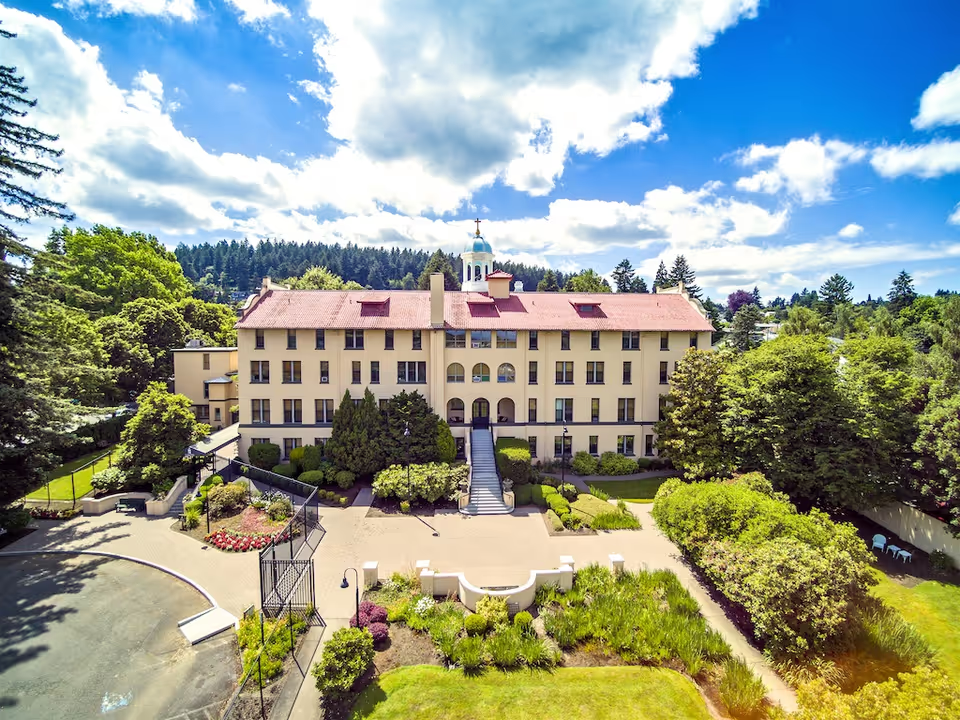
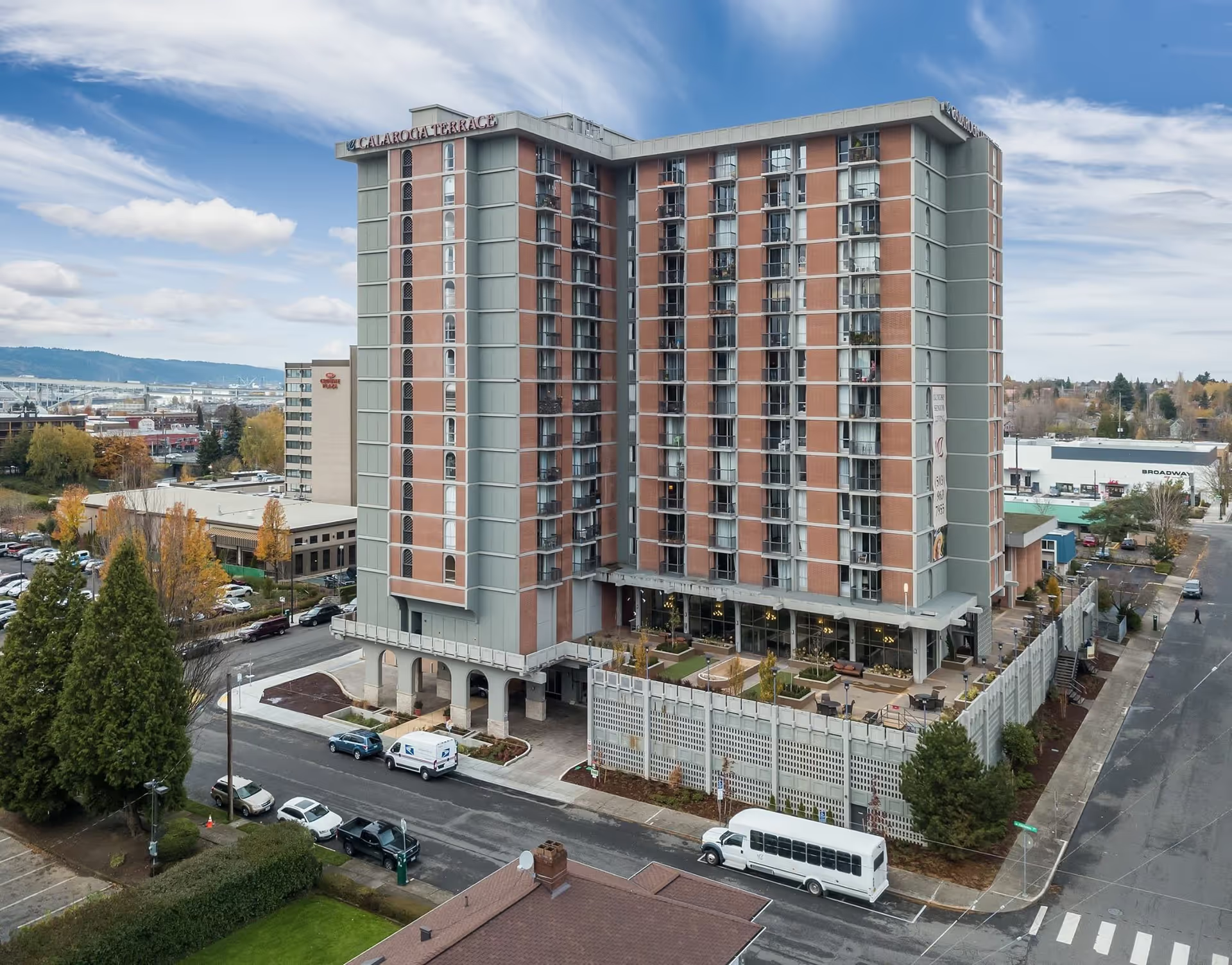
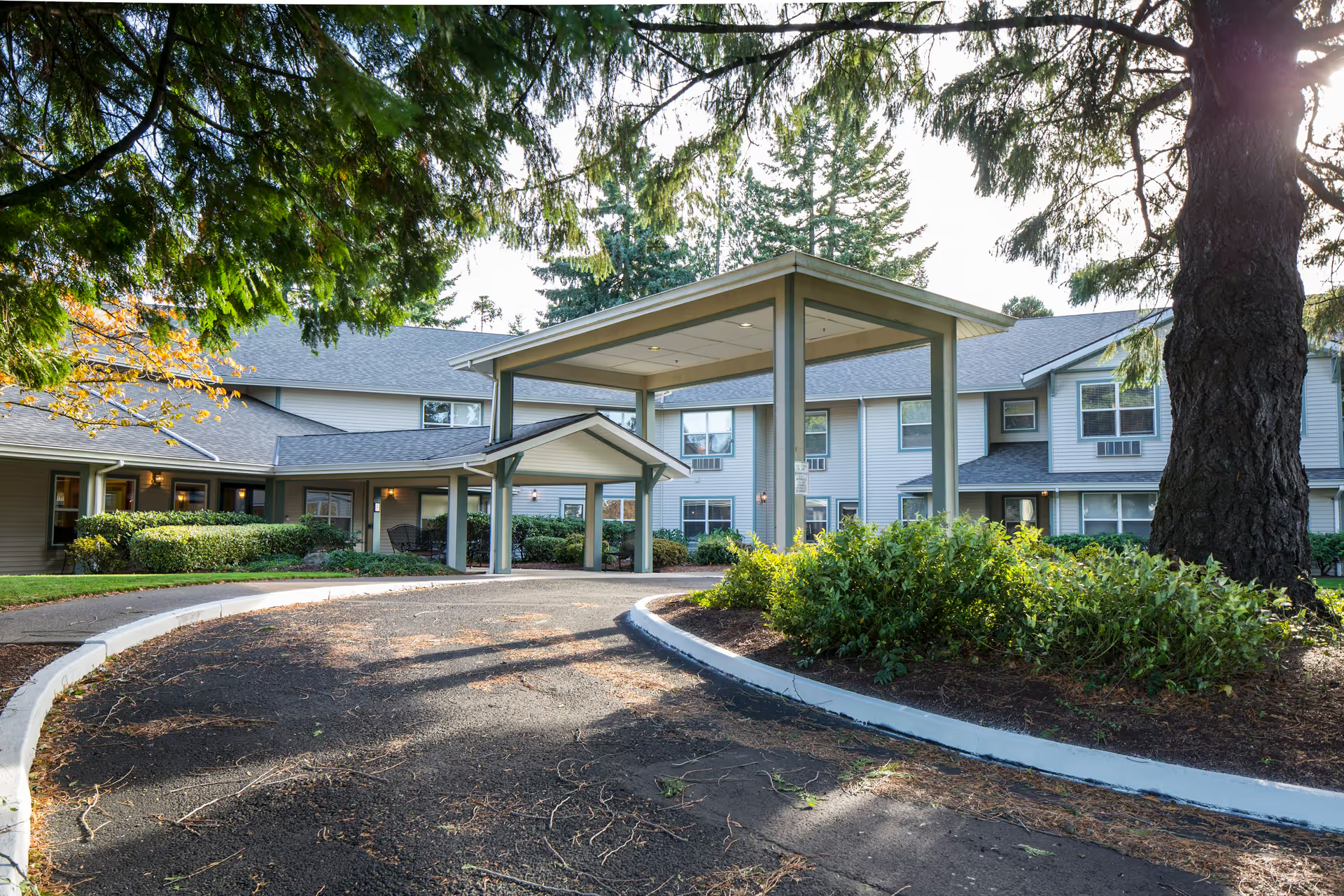
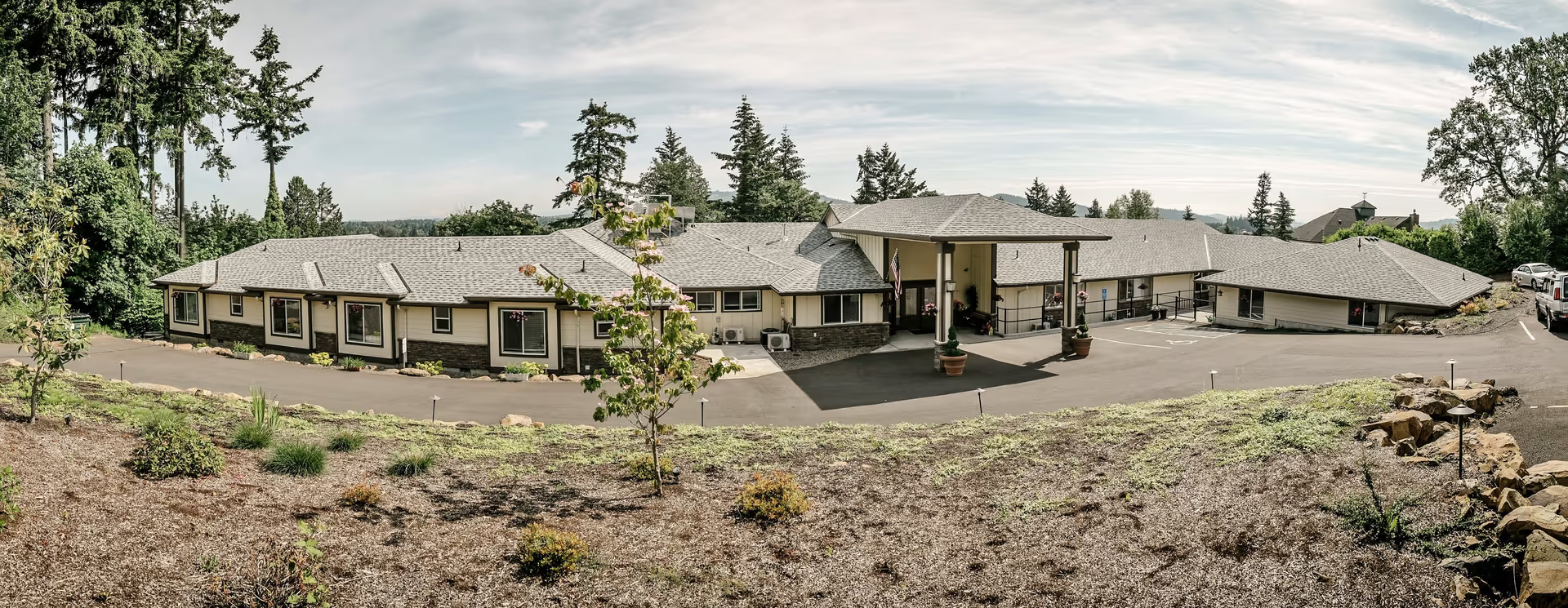
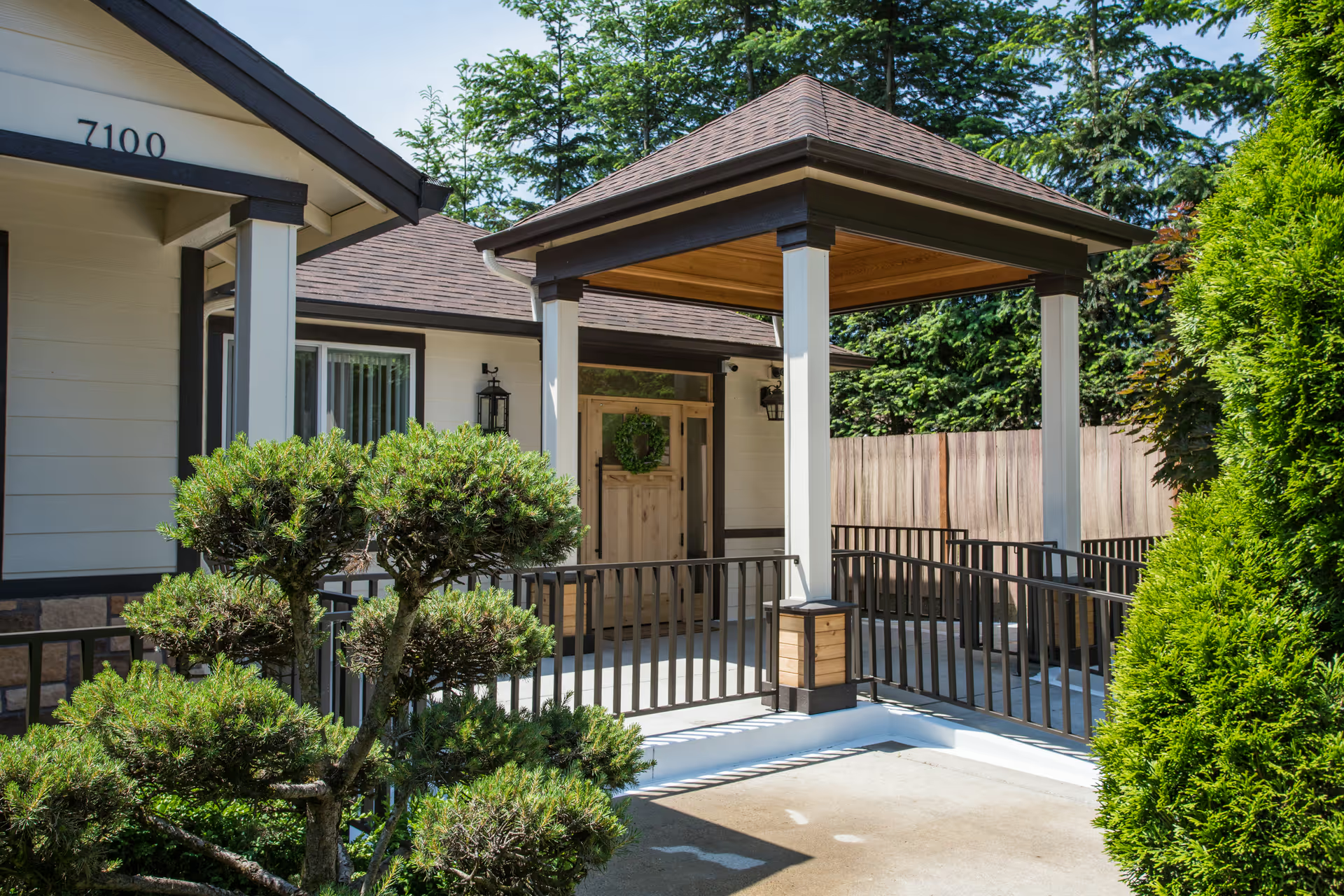
Westmoreland’s Union Manor presents a mixed profile: physically the property offers many desirable senior-living features but several operational and environmental concerns were also noted. The campus is described as spacious and attractive, with larger-than-average apartment footprints, ample closets, large windows, private lanais or decks, and recent interior updates such as fresh paint and new blinds. The grounds are an asset — reviewers describe a creek, orchards, vineyards, and dedicated garden plots for residents, plus a riverfront location that contributes to the facility’s aesthetic appeal.
Facilities and amenities are substantial. Laundry facilities are available on each floor in addition to a large shared laundry room; there are multiple elevators; an onsite store is noted as well-stocked; and a regular lunch program and numerous activities were cited, contributing to an engaged community atmosphere. Several accounts describe friendly residents and staff interactions and characterize the community as caring and lively. The facility also acted promptly on pandemic vaccinations, which reviewers viewed positively.
Care quality and staff performance show variability. While some staff are described as helpful and caring, reviewers also raised concerns about inconsistent responsiveness and communication from personnel. This inconsistency appears to affect day-to-day resident experience as well as the handling of maintenance and sanitation issues. On the clinical side there were no detailed systematic clinical-care failure patterns described; however, environmental and operational issues reported by residents could have implications for health and comfort if they are not addressed.
Operational, safety, and environmental patterns are the primary areas of concern. The site is adjacent to a highway and railroad, and multiple accounts highlight persistent exterior noise and traffic-related air-quality concerns. Reviewers describe inadequate ventilation systems that rely on recirculation rather than fresh-air exchange, along with odor issues in units and some common areas. Cleanliness and sanitation inconsistencies were raised for corridors, laundry equipment, and unit-level air systems. Pest-control gaps and perceived weak follow-through on remediation were also noted. Exterior safety perceptions were affected by insufficient lighting and the presence of unhoused individuals near the property, which residents indicated can influence their sense of security.
Management and resident advocacy issues emerged as another theme. Some reviewers experienced positive responsiveness from management, but others described limited ability or willingness to resolve infrastructure and neighborhood problems (for example, exterior lighting), and a climate in which some residents feel reluctant to voice concerns — in part due to subsidy-program dynamics and uncertainty about protections. There is also a long waiting list and reported admission lead times, which prospective residents should factor into planning.
For prospective residents and families: the facility offers strong physical attributes, attractive grounds, and active programming, which may suit those prioritizing apartment size and outdoor amenities. However, interests in indoor air quality, consistent sanitation, pest control, perimeter safety, and management responsiveness should prompt targeted questions during visits. Suggested inquiries include the facility’s HVAC and fresh-air ventilation strategy, maintenance and pest-control protocols and timelines, processes for reporting and resolving resident concerns (including protections for subsidy-holders), and current plans to address exterior lighting and security. A tour during different times of day (to assess noise and lighting) and discussions with current residents about staff responsiveness will help clarify whether the operational patterns noted align with an individual’s priorities.