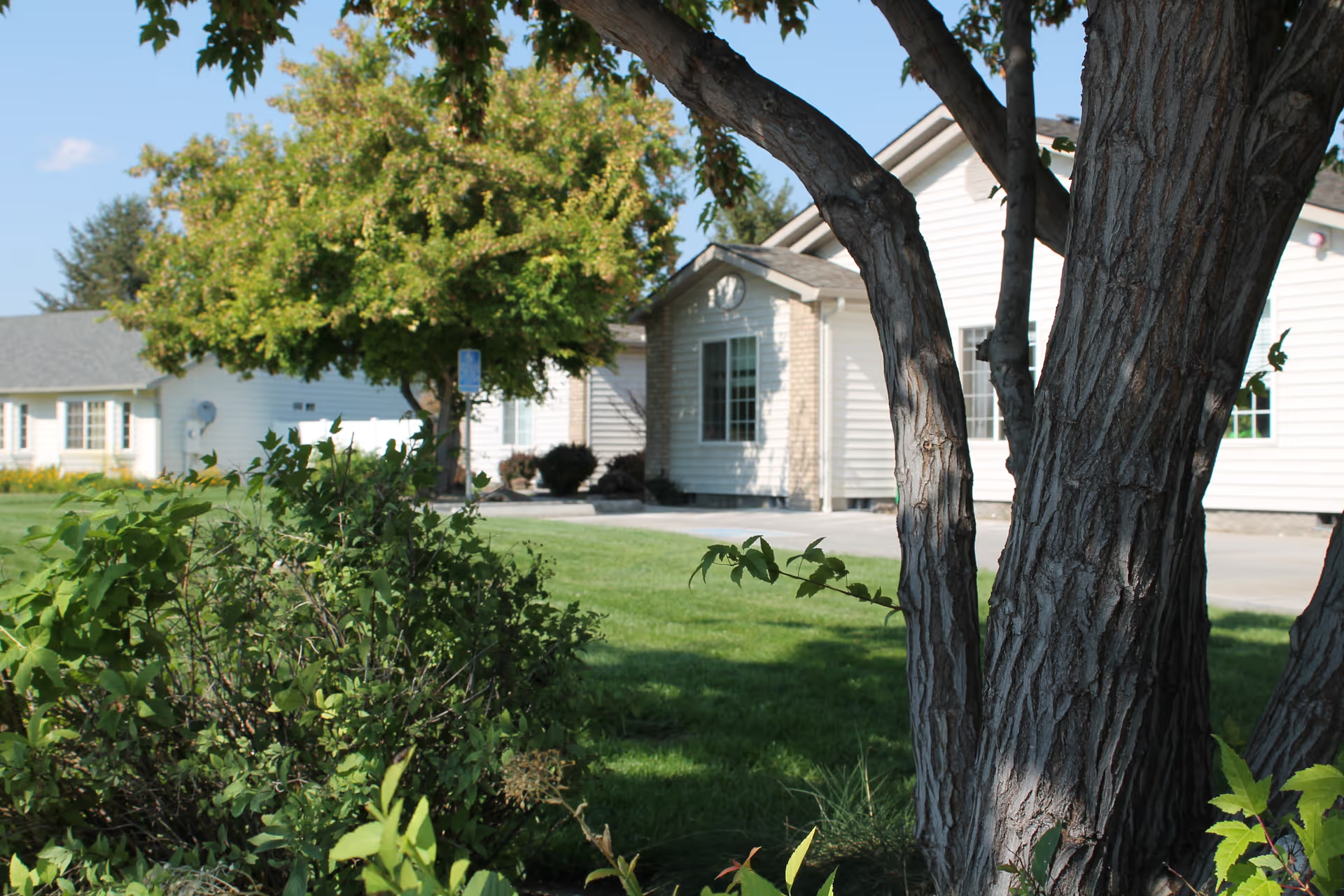
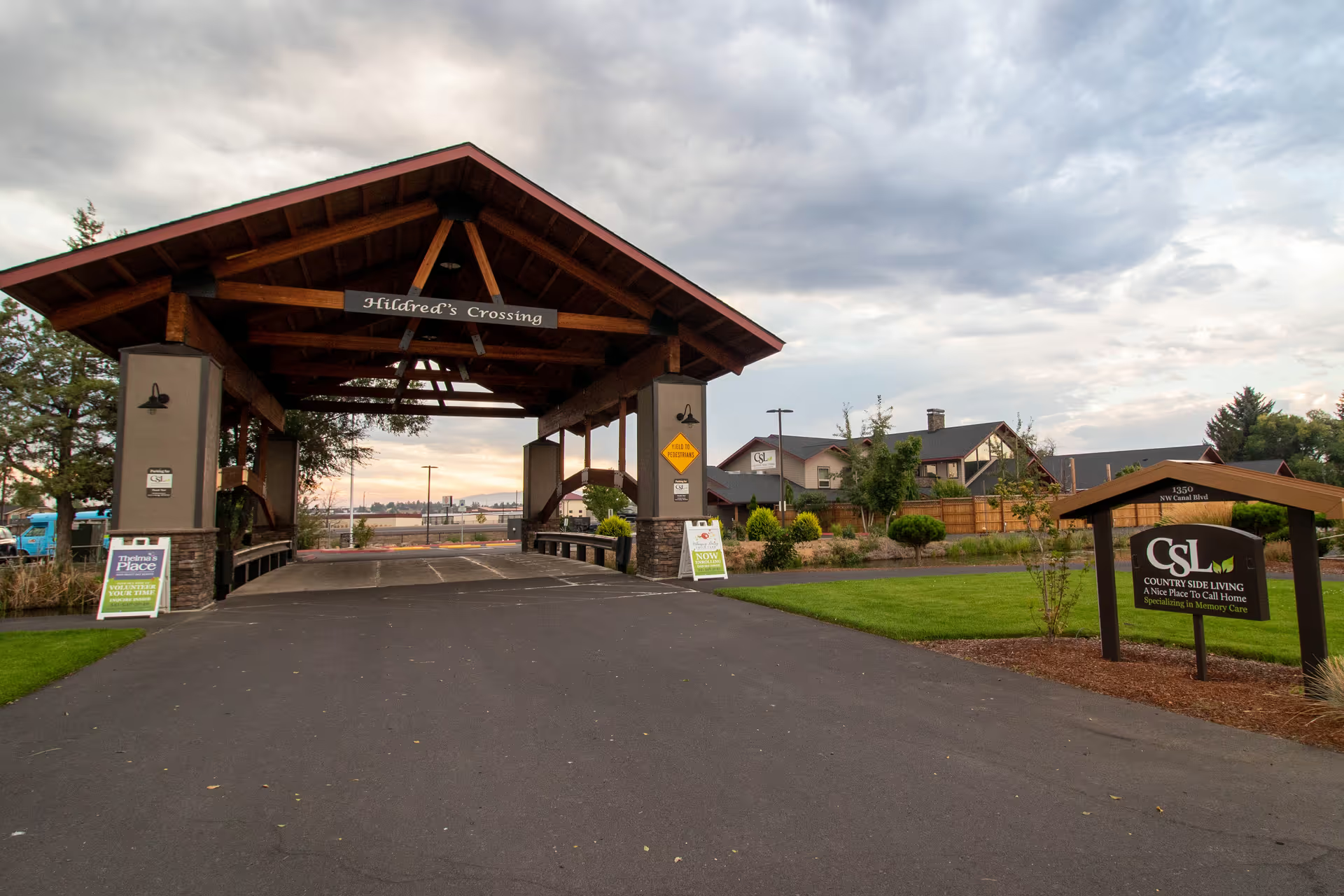
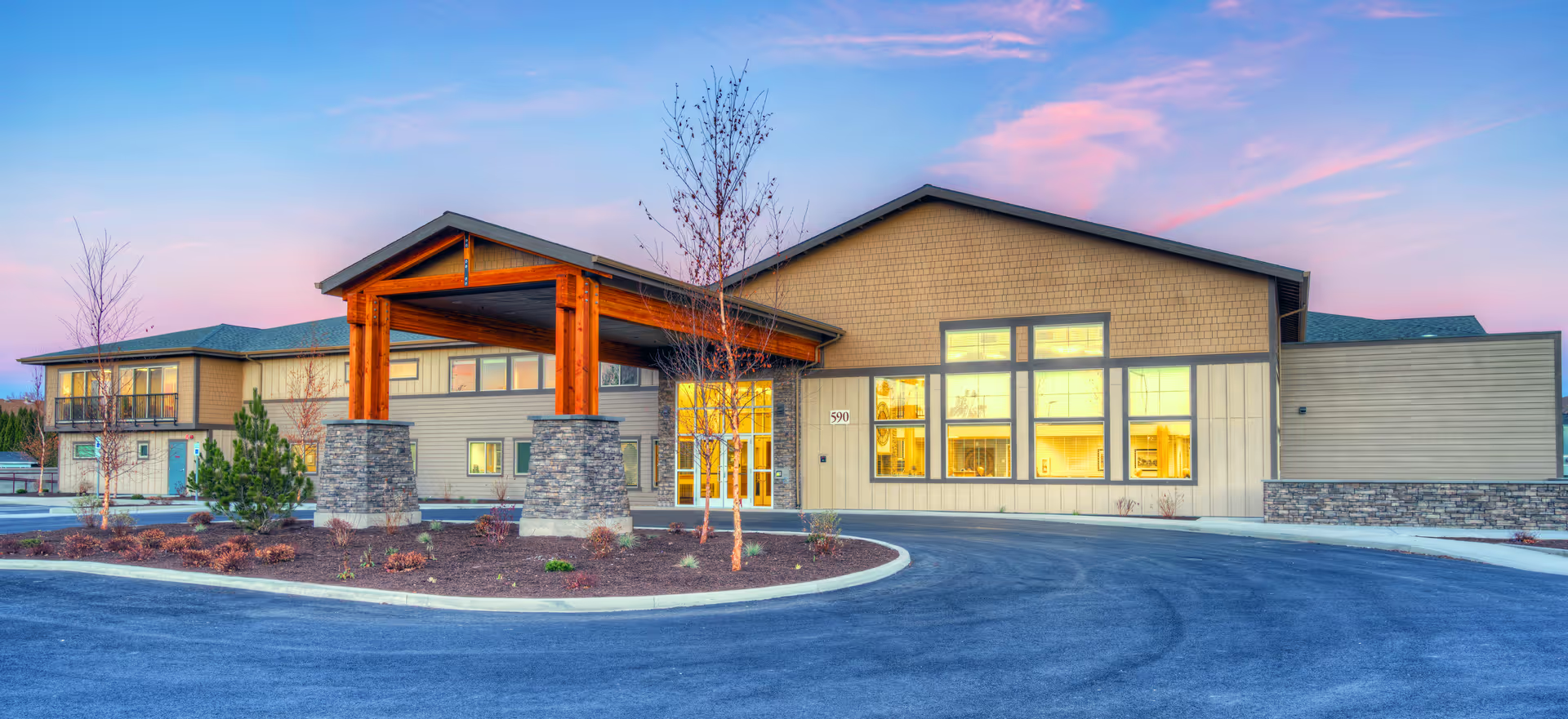
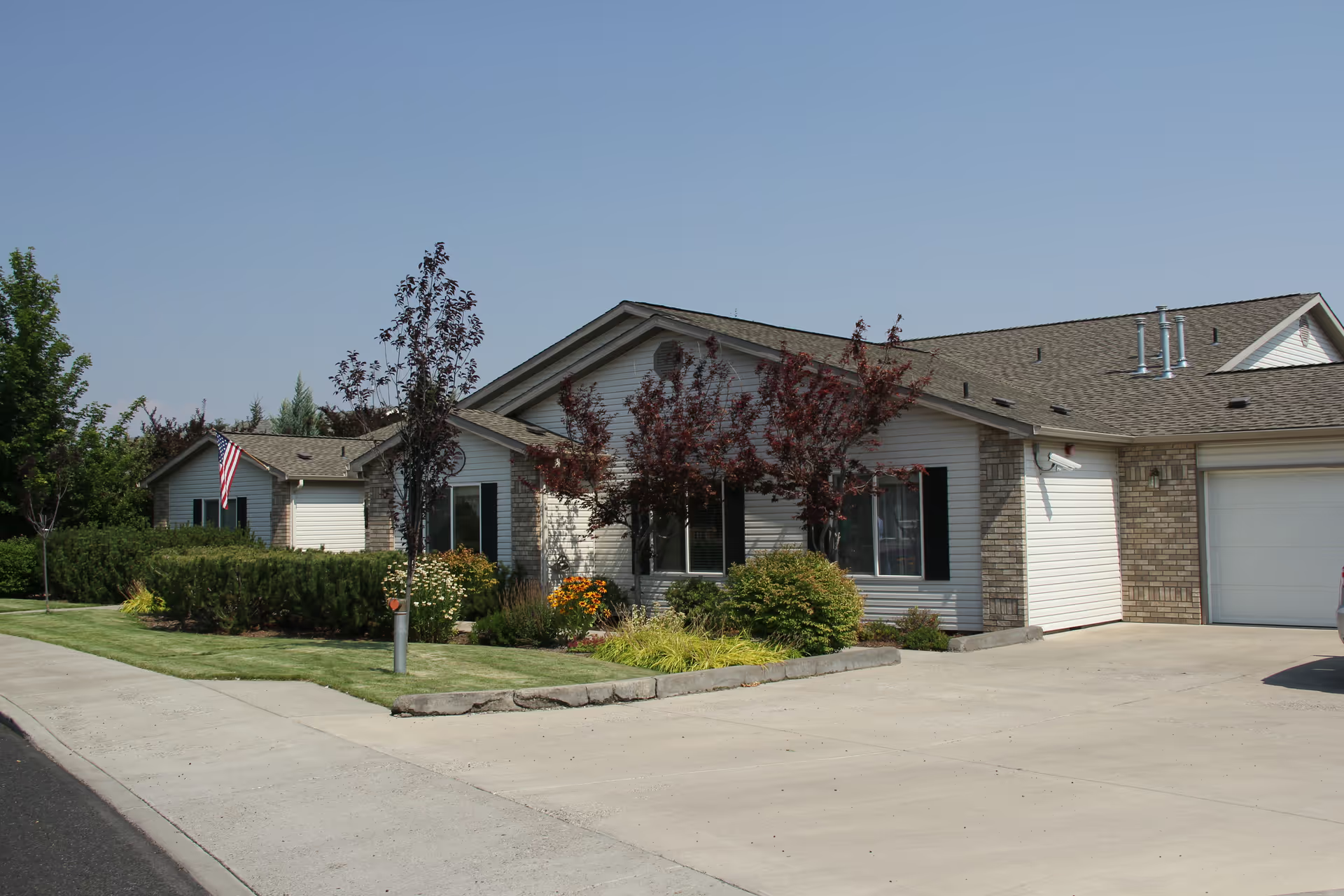
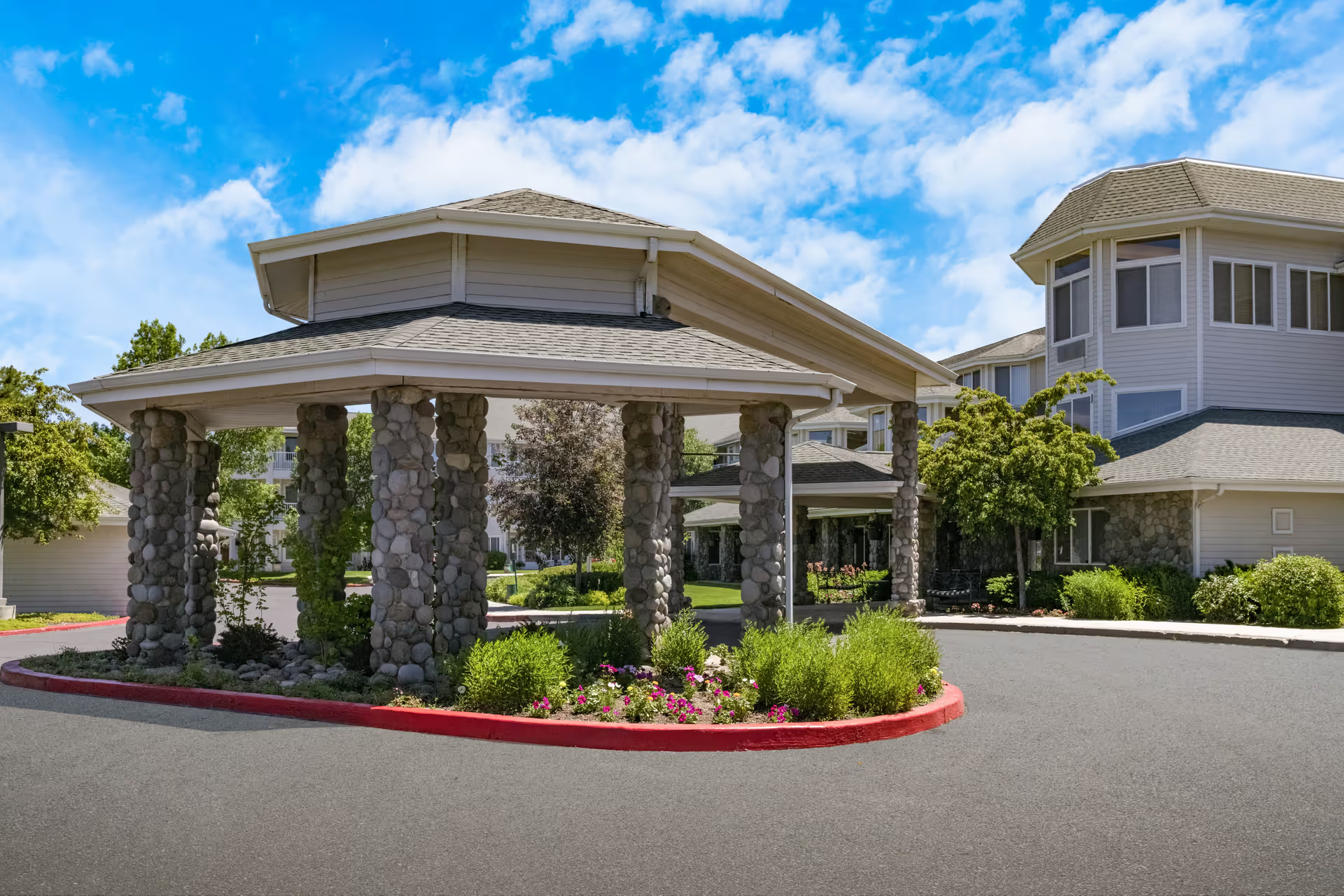
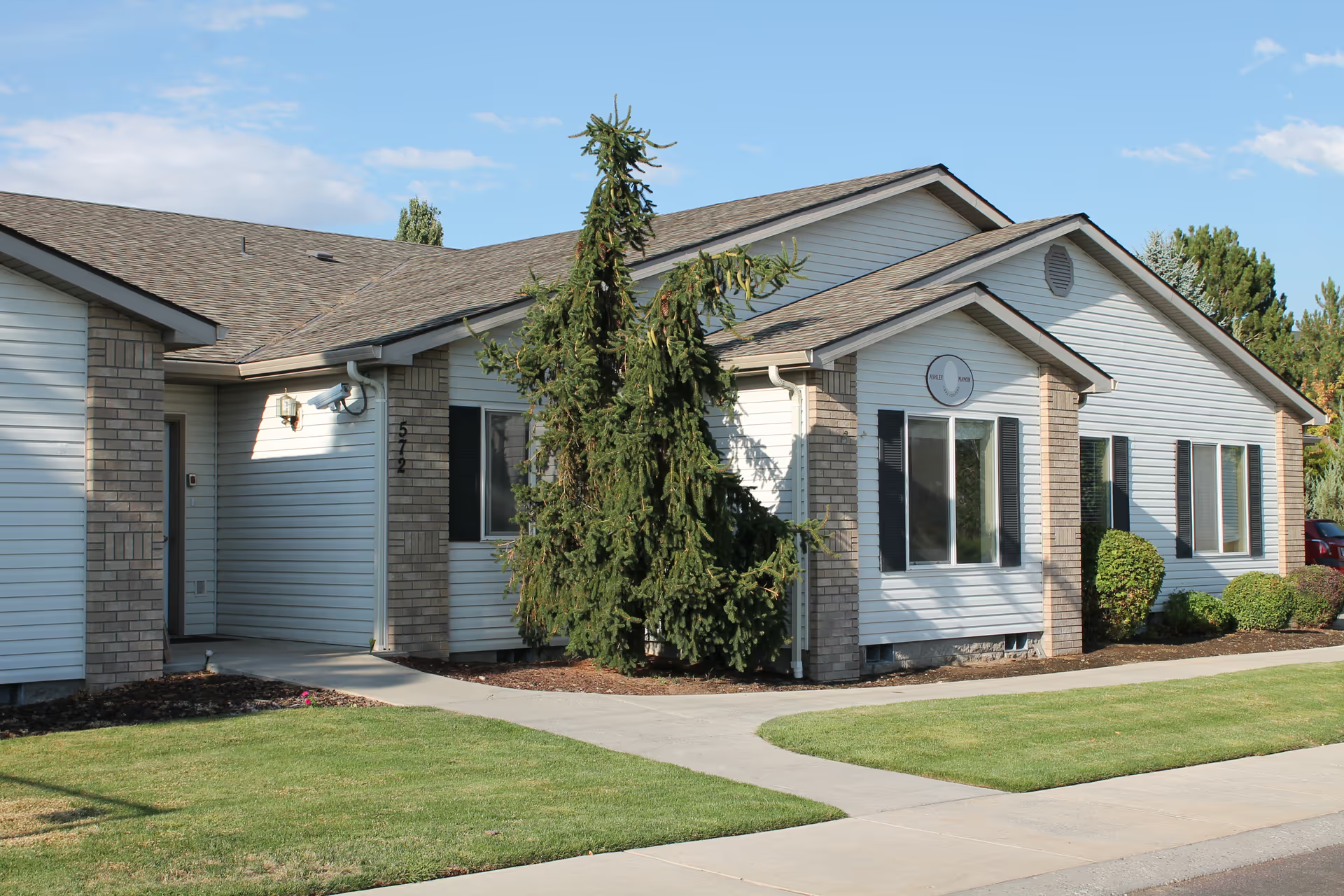
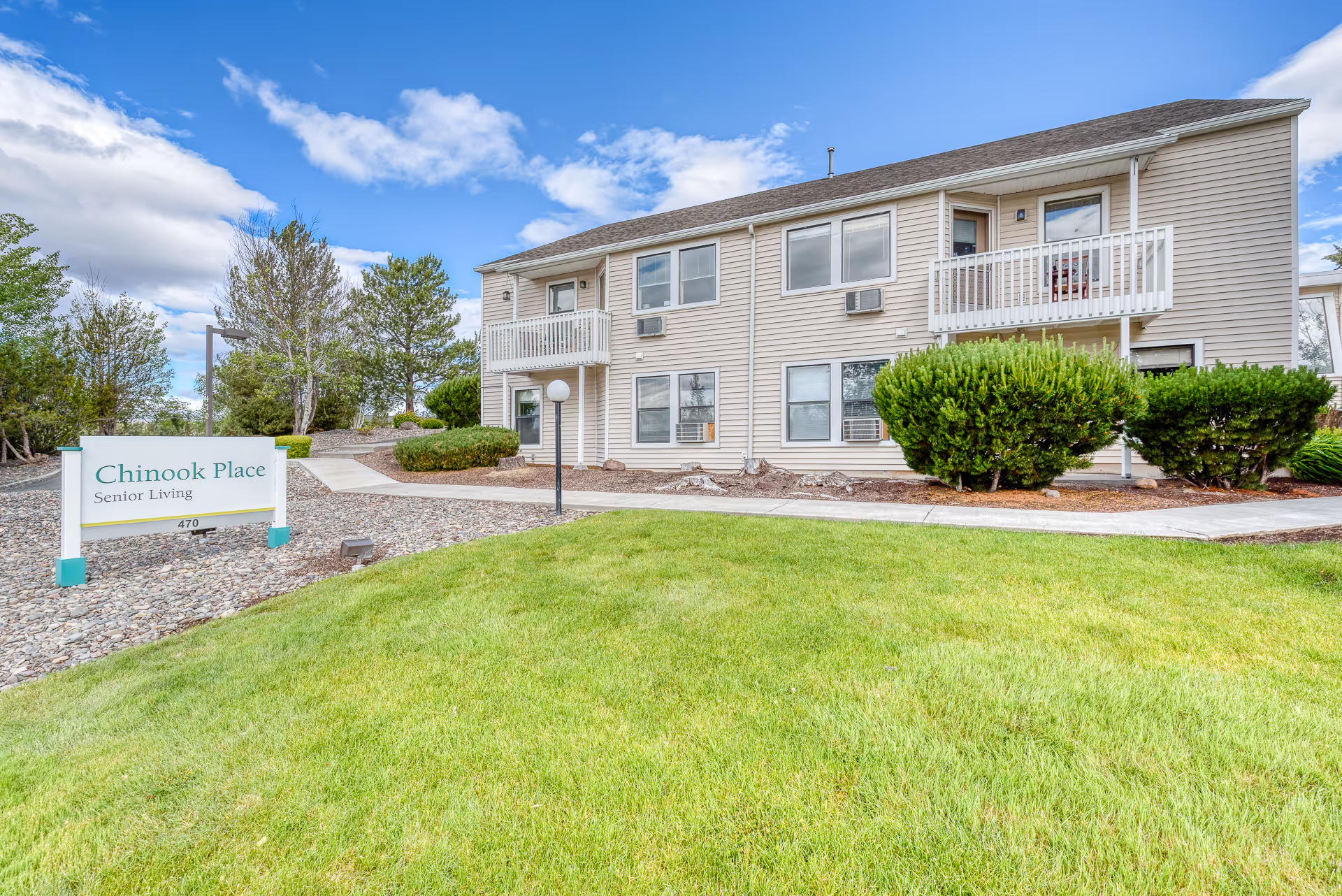
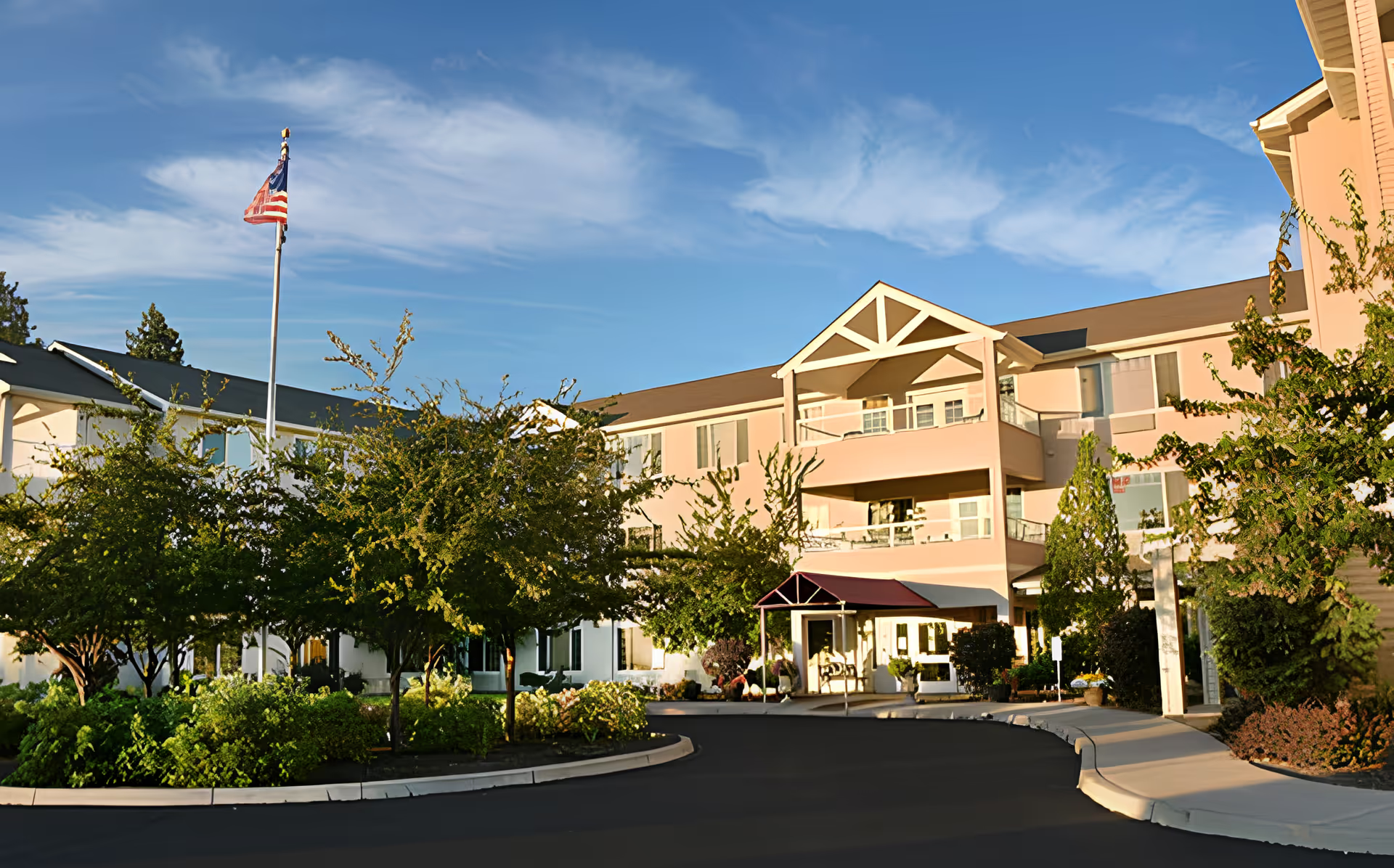
Overall impression: Reviews present a mixed but instructive picture. Many families and visitors emphasize strong relational care: staff are regularly described as warm, patient, and attentive, and the facility is repeatedly praised for creating a home‑like environment for residents. Life‑enrichment programming and social opportunities are notable strengths, with frequent activities, outings, and on‑site recreation areas that support quality of life for memory‑care residents. The building and grounds are commonly characterized as clean, attractive, and well maintained, with usable courtyards and communal spaces.
Care and staff: Direct care quality is portrayed as a primary positive driver for satisfaction. There are multiple references to compassionate, responsive caregivers, scheduled resident checks, and an on‑site nurse presence that contribute to perceived safety and monitoring. At the same time, reviewers note variability in staff performance: while many staff members are trusted and praised, families also describe inconsistency in personnel behavior and occasional friction. Staffing levels and shift coverage appear uneven at times, which can affect continuity of care and the family experience.
Dining and housekeeping: Dining receives mixed commentary. Several families commend accommodating meal service, pleasant dining rooms, and the ability to order between meals, while others describe overcooked dishes, limited fresh produce, or a lack of consistent home‑style preparation. Housekeeping and laundry services are cited as regular, with weekly schedules that support cleanliness and resident comfort.
Activities and amenities: The facility’s activity program and amenities are consistently highlighted. A life‑enrichment coordinator and staff-led programming provide a range of options — games, crafts, outings, and shuttle trips — that many families view as enhancing residents’ daily routines. Communal areas, TV lounges, puzzle/craft spaces, and a garden/courtyard reinforce opportunities for social engagement.
Facilities and safety: The physical environment is generally described as clean and well organized, with reliable Wi‑Fi and entertainment infrastructure. Memory‑care safety features and monitoring are viewed positively. However, there are instances indicating gaps in emergency communication and follow‑up processes (for example, confusion after alarms), suggesting room for more consistent incident communication and post‑event family outreach.
Management, admissions, and billing: The most recurrent operational concerns relate to billing transparency, admissions processes, and administrative communication. Families have expressed disputes over charges, perceived lack of clarity about mandatory caregiver fees, and dissatisfaction with how refunds or billing adjustments were handled. Admissions and Medicaid handling are another area of inconsistency for some families, including cases where admission expectations changed or were denied for financial/coverage reasons. Marketing and tour experiences have occasionally resulted in families feeling misinformed about room configurations or services offered.
Notable patterns and recommendations for prospective families: Strengths center on interpersonal care, activity programming, and a clean, secure setting for memory care. Primary areas to vet during a visit are staffing patterns (staff-to-resident ratios and consistency of caregivers), how the facility documents and communicates billing and mandatory charges, the consistency and nutritional content of daily menus, and the admissions/Medicaid process. Asking for specifics about emergency communication protocols and recent examples of family follow‑up after incidents may help clarify the facility’s responsiveness. Overall, Carriage Place appears to deliver a caring, activity‑rich environment for many residents, while administrative transparency and consistent operational practices would benefit from closer scrutiny by prospective residents and families.