Reviewers present a mixed but useful picture of Marquis Tualatin Assisted Living. Strengths are concentrated in the caregiving and social domains: many accounts emphasize compassionate, attentive CNAs and caregiving staff who develop strong, family-style relationships with residents. Families frequently praise individualized attention, effective coordination for some medical appointments, and positive interactions with nursing, therapy (PT/OT) and dietary staff when those services are active. Management and leadership receive positive mentions for communication, pandemic precautions, creative virtual outreach (Zoom), and willingness to adjust policies when issues are raised.
Dining and nutrition emerge as a notable area of variability. Some reviewers highlight an accommodating dietitian and appealing dining room, while others cite repeated problems with meal temperature, portion size, timing (late dinners), and limited higher-protein options. There are specific operational concerns such as hot-meal delivery to rooms and occasional diet-management lapses; these suggest that food service consistency and clinical dietary oversight may fluctuate by shift or day.
Operational and clinical processes also show inconsistency. Common themes include slow response to call bells, uneven medication-administration practices and clinical follow-through, gaps in staff training and motivation, and irregular bathing/personal-care schedules. Equipment maintenance and housekeeping were called out in a subset of accounts, indicating sanitation and supply gaps and occasional broken equipment. Rehabilitation and discharge coordination were described as effective in some instances but hesitant or mismanaged in others, producing uneven outcomes for residents needing short-term rehab or transition services.
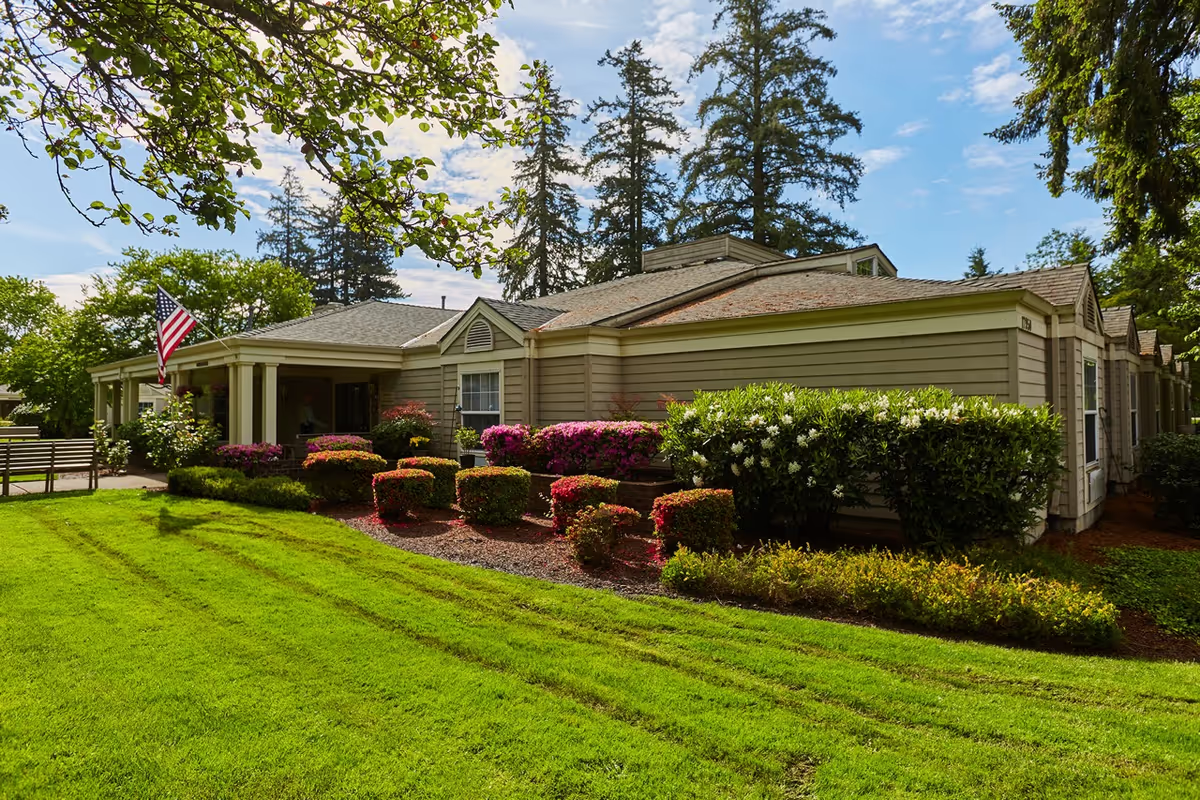
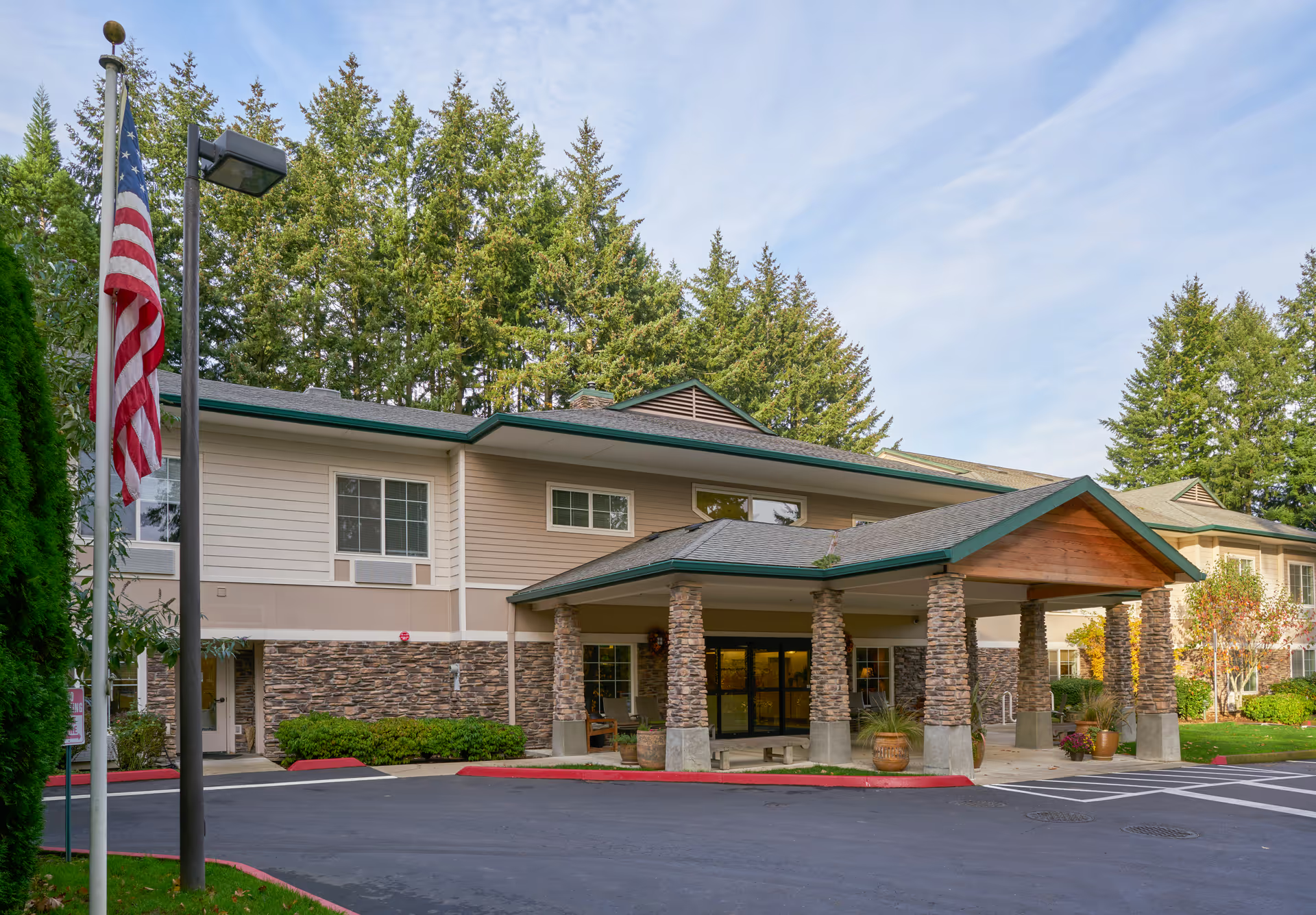
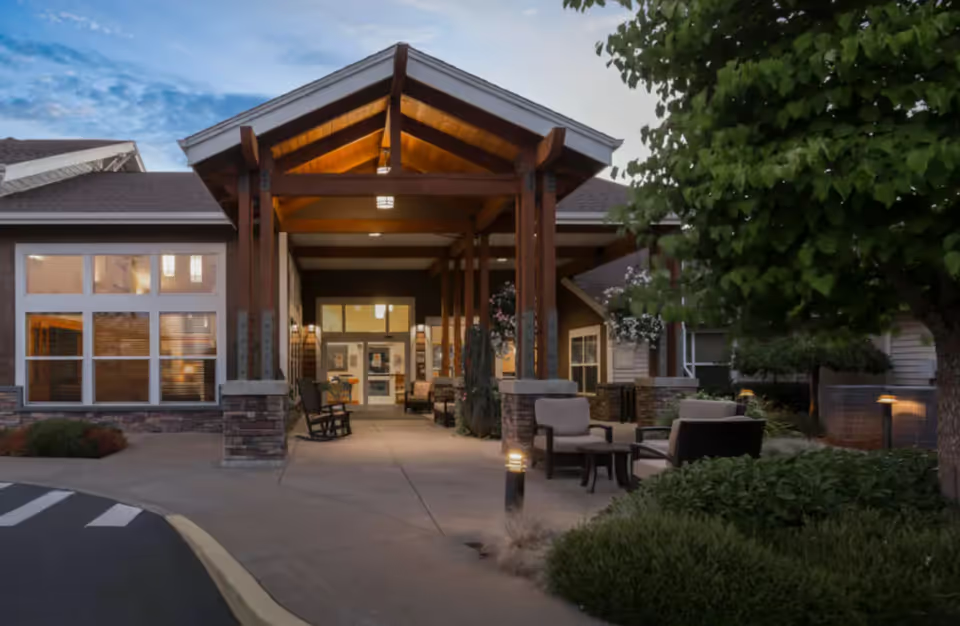
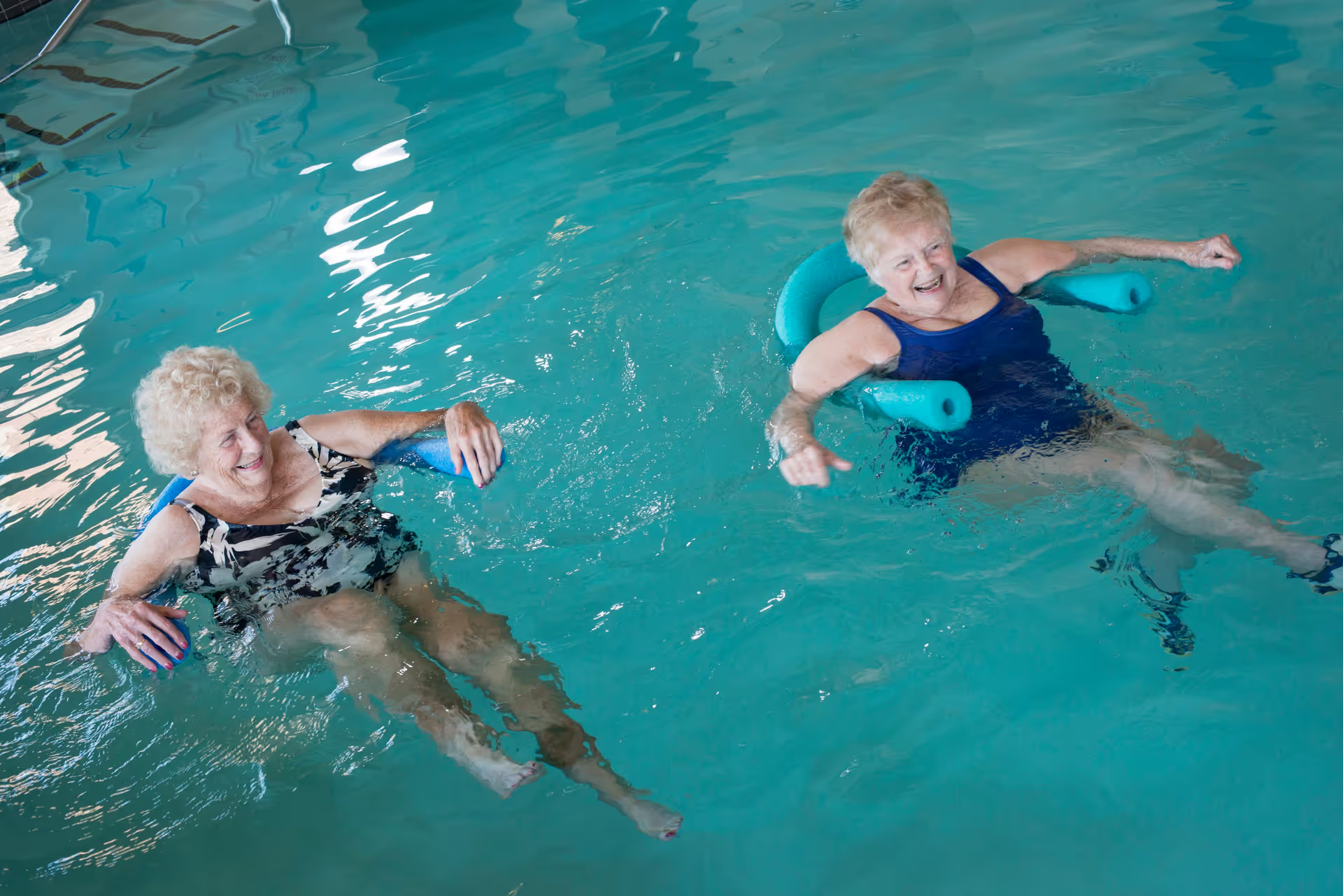
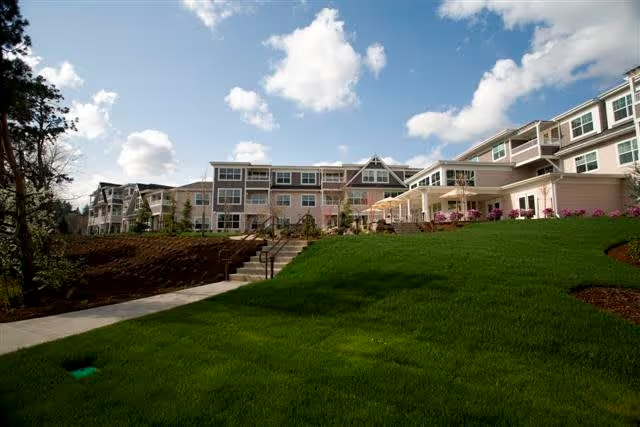
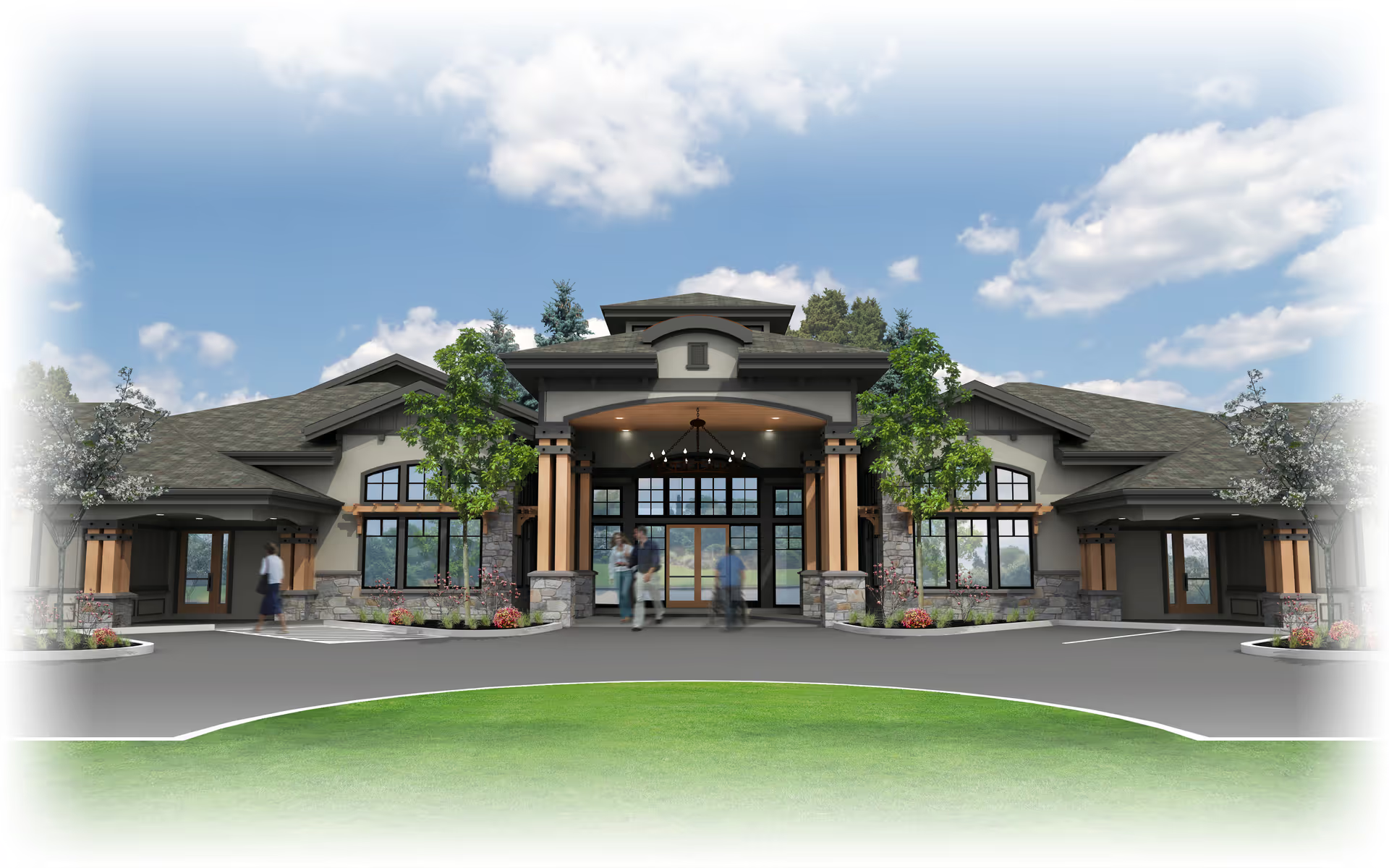
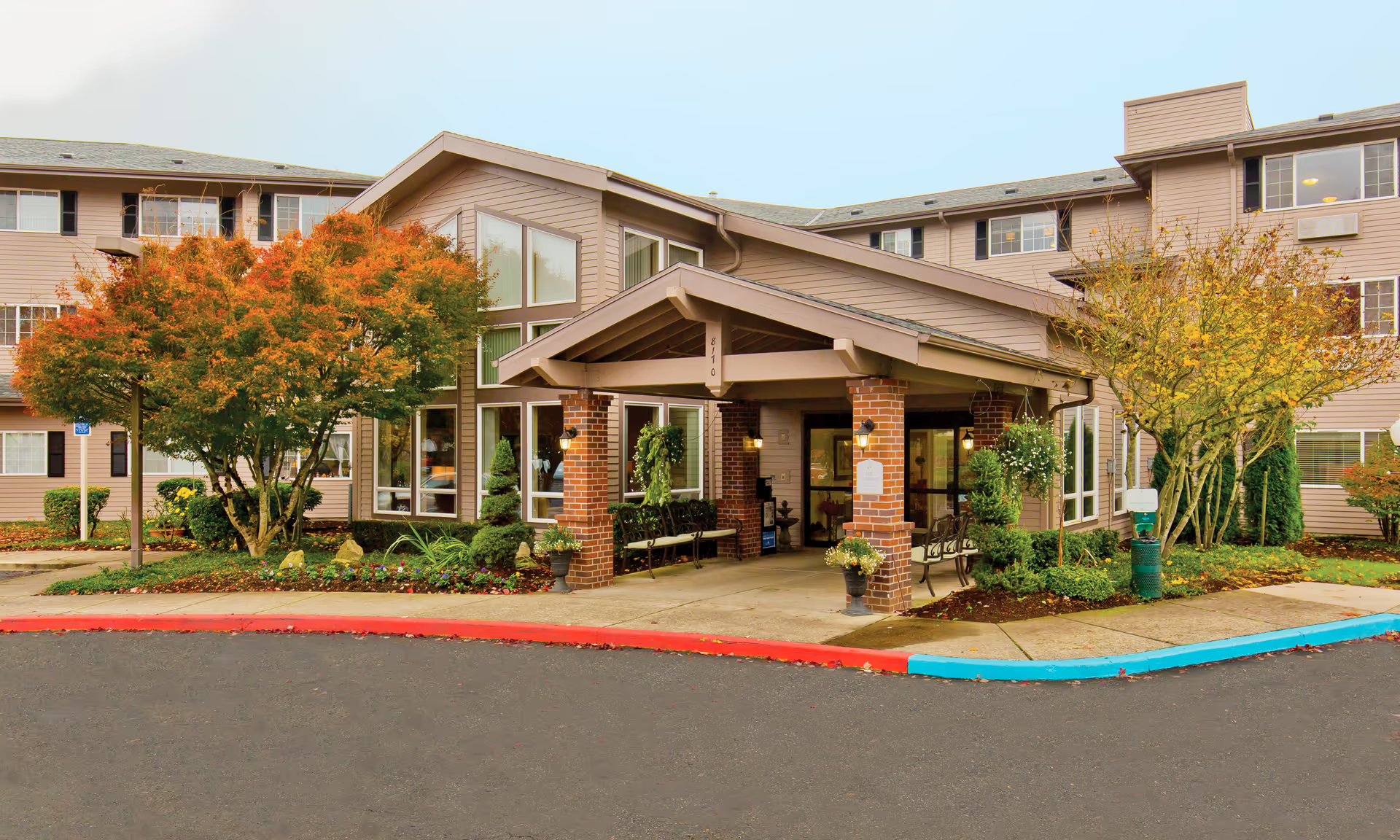
The physical environment and activities program are strengths for many: the building is often described as bright and clean, with an attractive exterior, active programming (bingo, outings, field trips), and allowance of pet visits. At the same time, some residents and family members find studios small and the outdoor areas underutilized or uncomfortable (limited greenery, cold sitting areas), producing a less homelike feel for certain individuals.
Overall pattern: the facility is frequently commended for its frontline caregiving culture, engagement efforts, and leadership responsiveness, but operational variability undermines a consistent experience—particularly around food service, certain clinical practices, and timely responsiveness. Prospective residents and families who prioritize warm, relationship-based care and an active activities schedule may find much to like; those for whom consistent clinical processes, meal reliability, and larger private units are priorities should observe those specific operations during a visit and ask targeted questions about staffing, call response times, medication administration protocols, and rehabilitation pathways.