Reviews of Slate Belt Health & Rehabilitation present a mixed picture with clear strengths in bedside caregiving and therapy alongside recurring operational weaknesses. Many families and staff describe aides and therapists as compassionate, personable, and effective—particularly for short-term rehabilitation goals. Daily room cleaning and orderly resident rooms are frequently praised, as are engaging activities, proximity to the community, and a generally welcoming atmosphere for residents and families.
Clinical-care strengths center on dedicated direct-care staff and therapy teams. Reviewers highlight knowledgeable nursing aides, collaborative therapists, and prompt pain-management when staff are available. Rehabilitation services receive repeated positive mention for helping residents reach measurable goals and for a positive bedside manner from several therapists. However, those strengths are tempered by reports of inconsistent staffing levels and frequent use of outside/agency personnel, which reviewers link to delays in assistance and variability in care delivery across shifts.
Operational and safety concerns are a consistent theme. Families describe delays in attending to residents' personal-care needs, inconsistencies in medication administration and documentation, and occasional missed or delayed therapy sessions. These patterns point to systemic staffing and scheduling gaps rather than isolated incidents. There are also mentions of lapses in property handling and communication around admissions, discharges, and care coordination — issues that can affect trust and continuity of care.
Dining and activities receive mixed feedback. Some reviewers praise the food and the facility’s programming, while others note inconsistent meal quality and specific items that were unsatisfactory. Activities and entertainment generally contribute positively to resident well-being, and roommate matches and social interaction are noted as comforting by families.
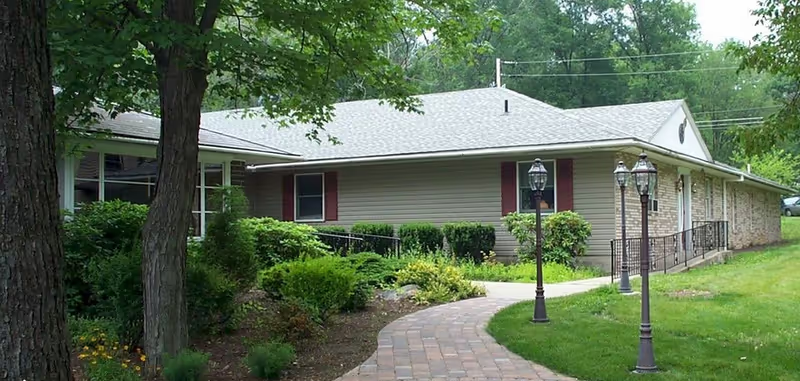
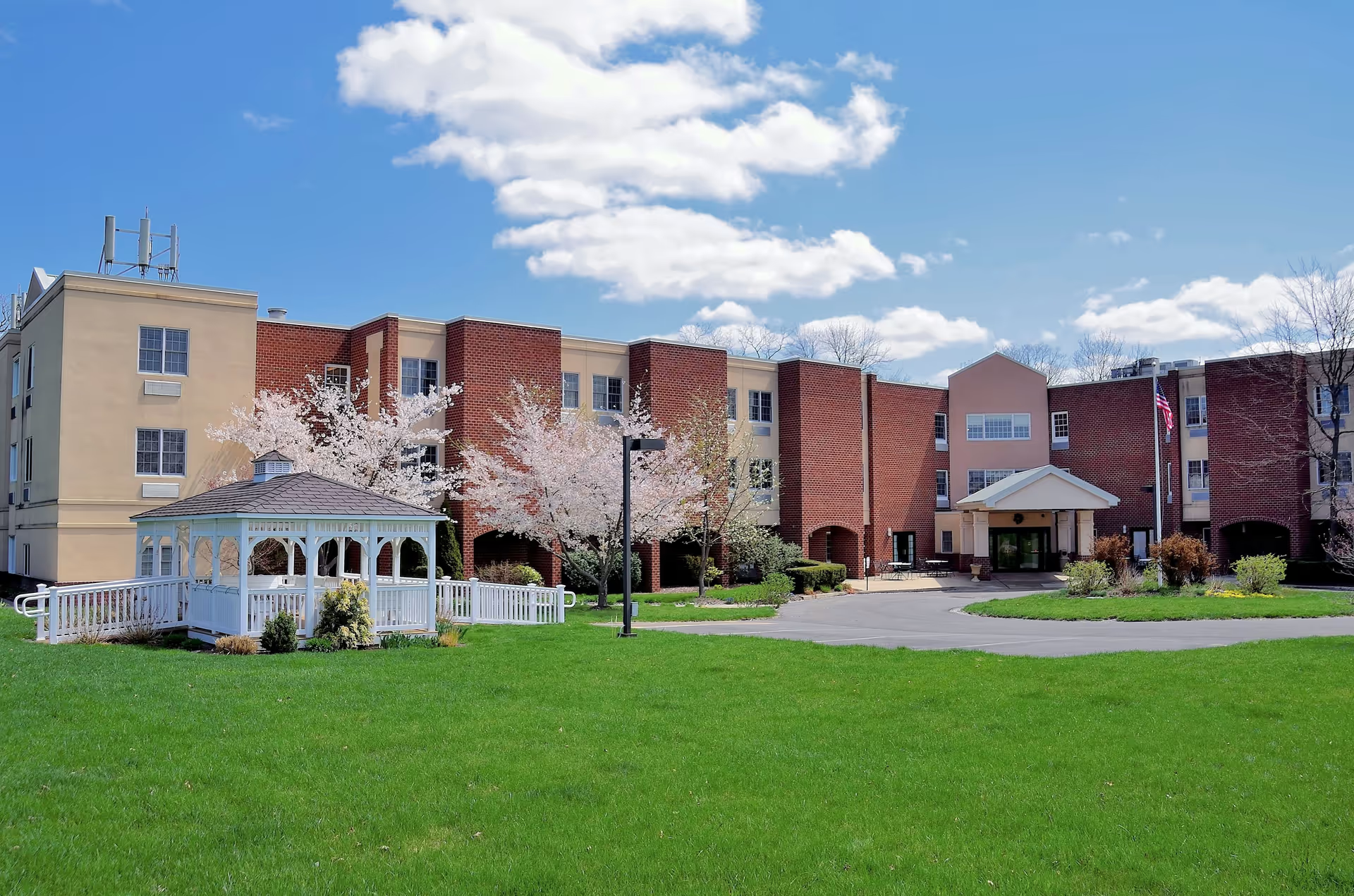
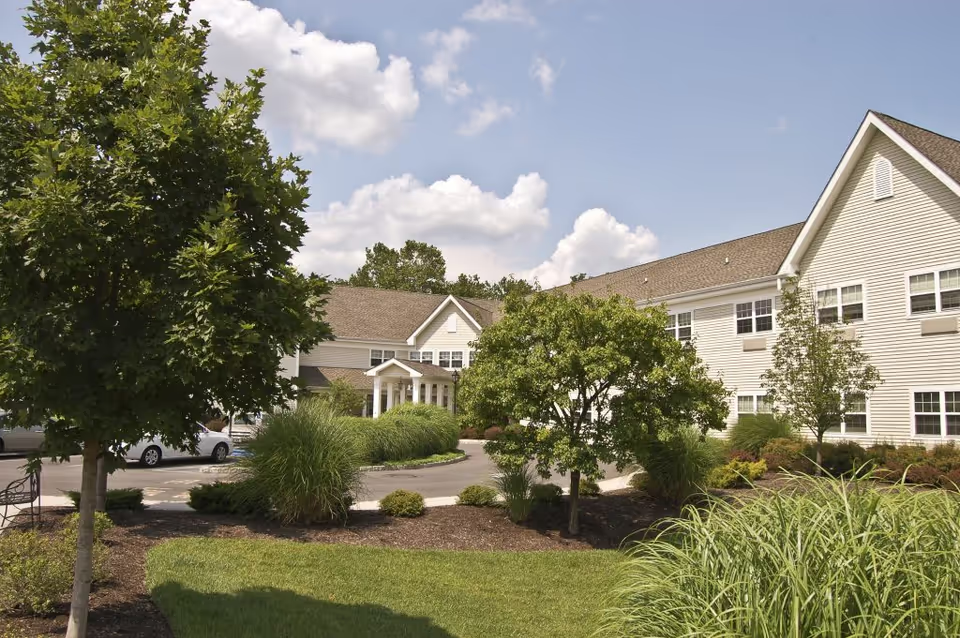
Facility condition and maintenance present another mixed area. Individual rooms are often described as clean and well-kept, yet reviewers raise sanitation concerns in some common areas and note a need for broader maintenance and equipment repairs (for example, prolonged elevator work and dated furnishings). Odor concerns in shared spaces and a perception of a run-down environment were described by some families, suggesting uneven upkeep across the building.
Management and communication receive both praise and criticism. Several reviewers named specific leaders as professional and responsive, and staff comments describe a supportive workplace with training opportunities. Conversely, others cite difficult-to-reach administration, perceived favoritism, inconsistent follow-through on promised services, and occasional administrative miscommunication. A few serious individual claims—including concerns following a resident's death, medication-practice queries, and allegations of property damage or wrongful personnel actions—were raised; these are not characterized as facility-wide conclusions but are notable for families to investigate further.
Overall, prospective residents and families should weigh the facility’s strong therapy and direct-care relationships against reported operational inconsistencies. Key areas to probe during a visit or intake conversation are current staffing ratios (day and night), therapy scheduling reliability, medication-administration policies and documentation, sanitation and maintenance plans, and the facility’s family-communication procedures. Direct observation of multiple shifts and discussions with unit managers about remediation steps for the issues above will provide a clearer sense of the current quality of care at Slate Belt Health & Rehabilitation.