Bethlehem Manor elicits a strongly mixed but distinct set of patterns. Many families and residents highlight the staff as the facility’s principal strength — caregivers and managers are frequently described as compassionate, attentive and willing to address concerns quickly. Administrative responsiveness and coordination of operations are repeatedly noted, including facilitation of remote visits, prompt handling of issues, and active family communication in several accounts.
Care quality appears to vary. Positive accounts emphasize respectful treatment, dignity, and appropriate clinical support including on-site rehabilitation and physical-therapy services. Conversely, a number of narratives describe operational gaps that affect care consistency: short staffing or scheduling challenges, delays in attending to resident calls, and concerns about medication administration and pain management. There are also references to variability in incontinence-care practices and sanitation in certain situations. These patterns suggest that day-to-day staffing levels and clinical oversight are key determinants of resident experience.
Dining and nutrition likewise receive mixed evaluations. The facility offers a casual, cheerful dining area with menu variety, personalized meal options, and the ability to accommodate preferences in many cases. At the same time, reviewers mention inconsistent meal quality and at least one notable allergy-safety incident, indicating a need for stronger kitchen protocols and nutrition oversight for residents with special dietary requirements.
Activity programming is a clear asset when it is actively staffed: music, game nights, church services, garden club, themed days, field trips, and scheduled outings are cited positively and help keep many residents engaged. However, engagement is not uniform across the community — some residents report limited activities, minimal staff initiation, or a quieter environment that may not meet the needs of more active seniors.
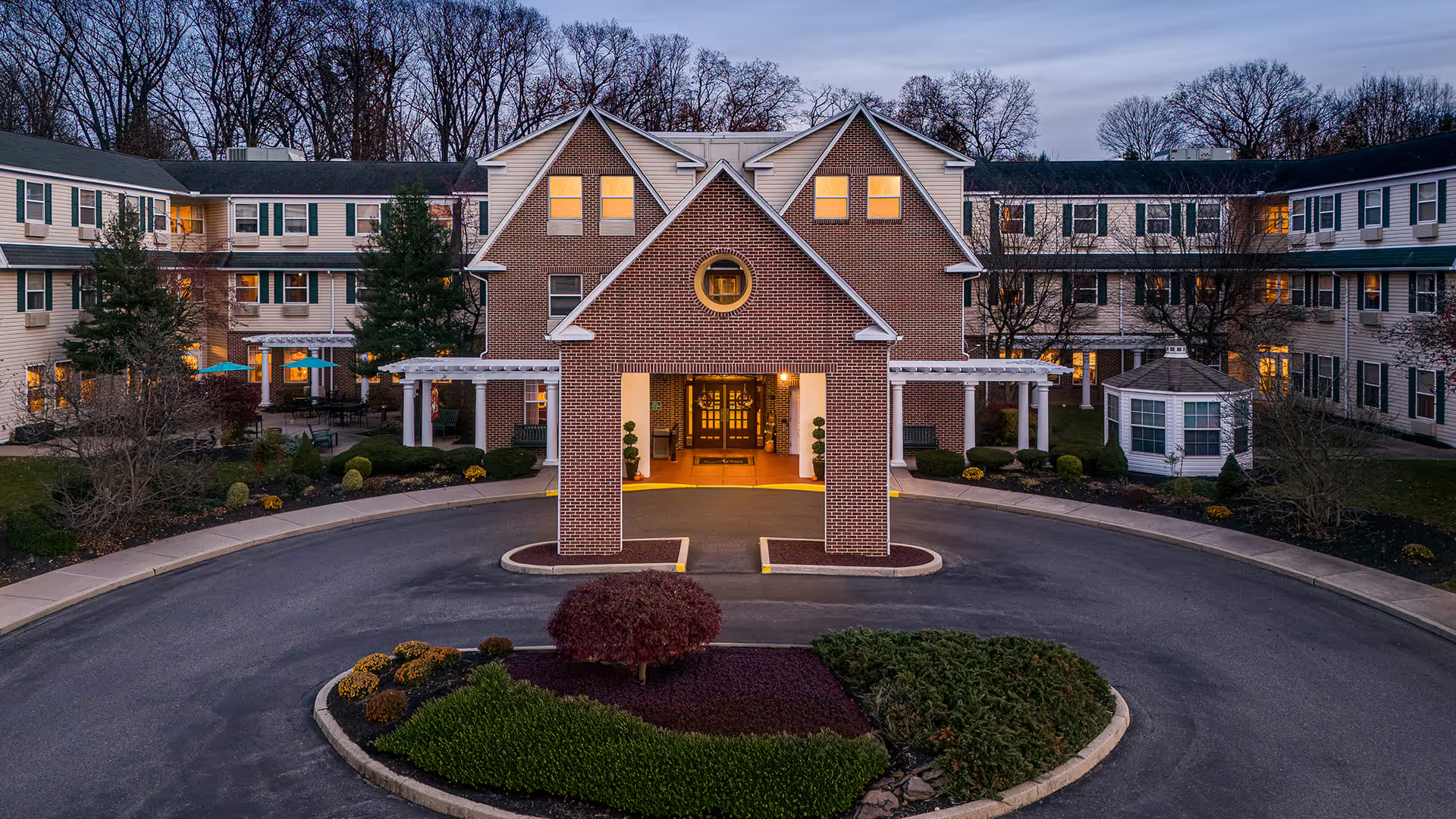
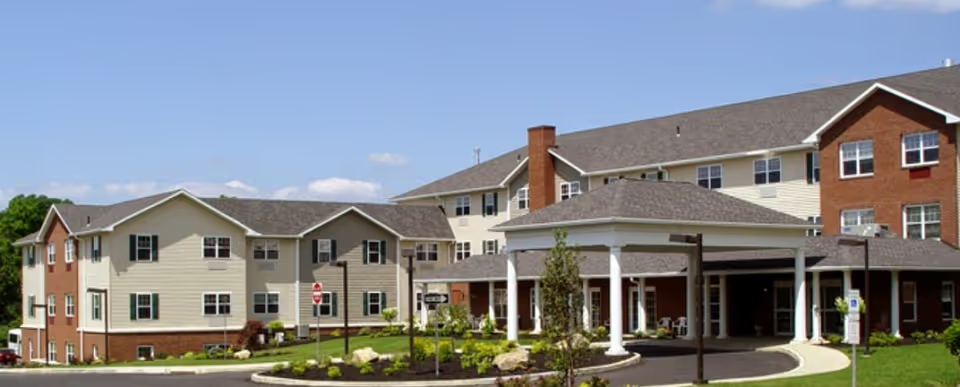
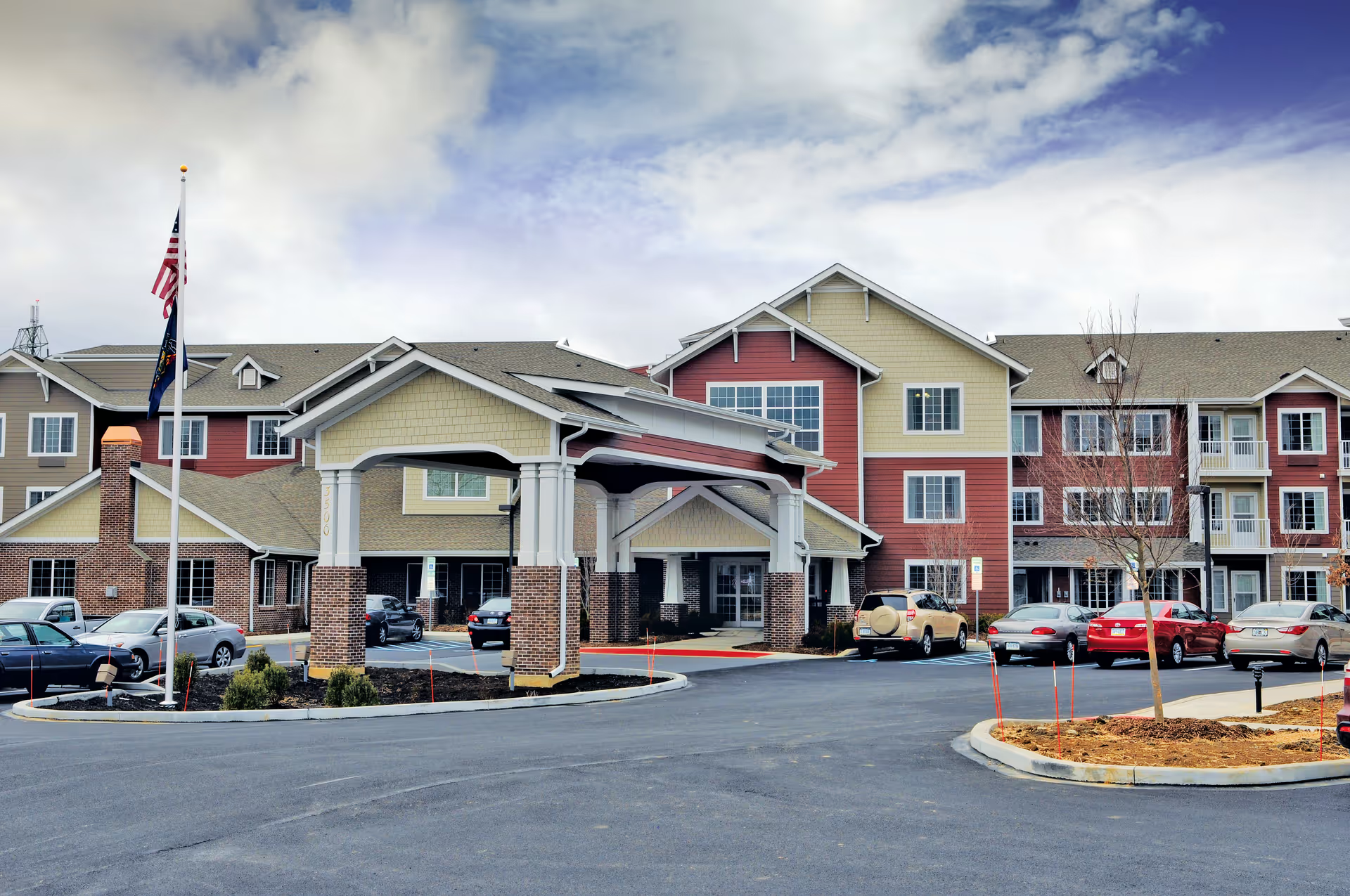
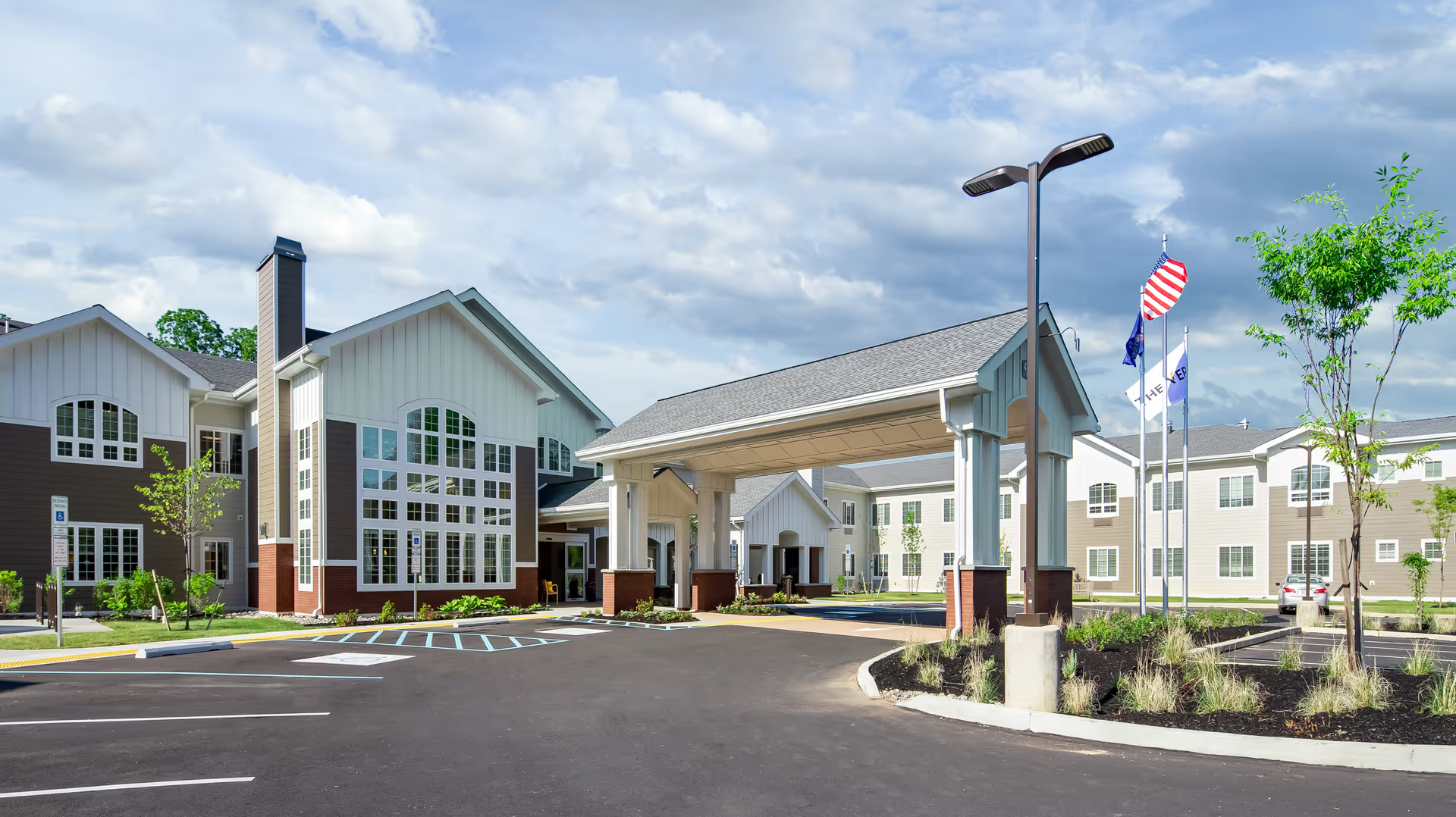
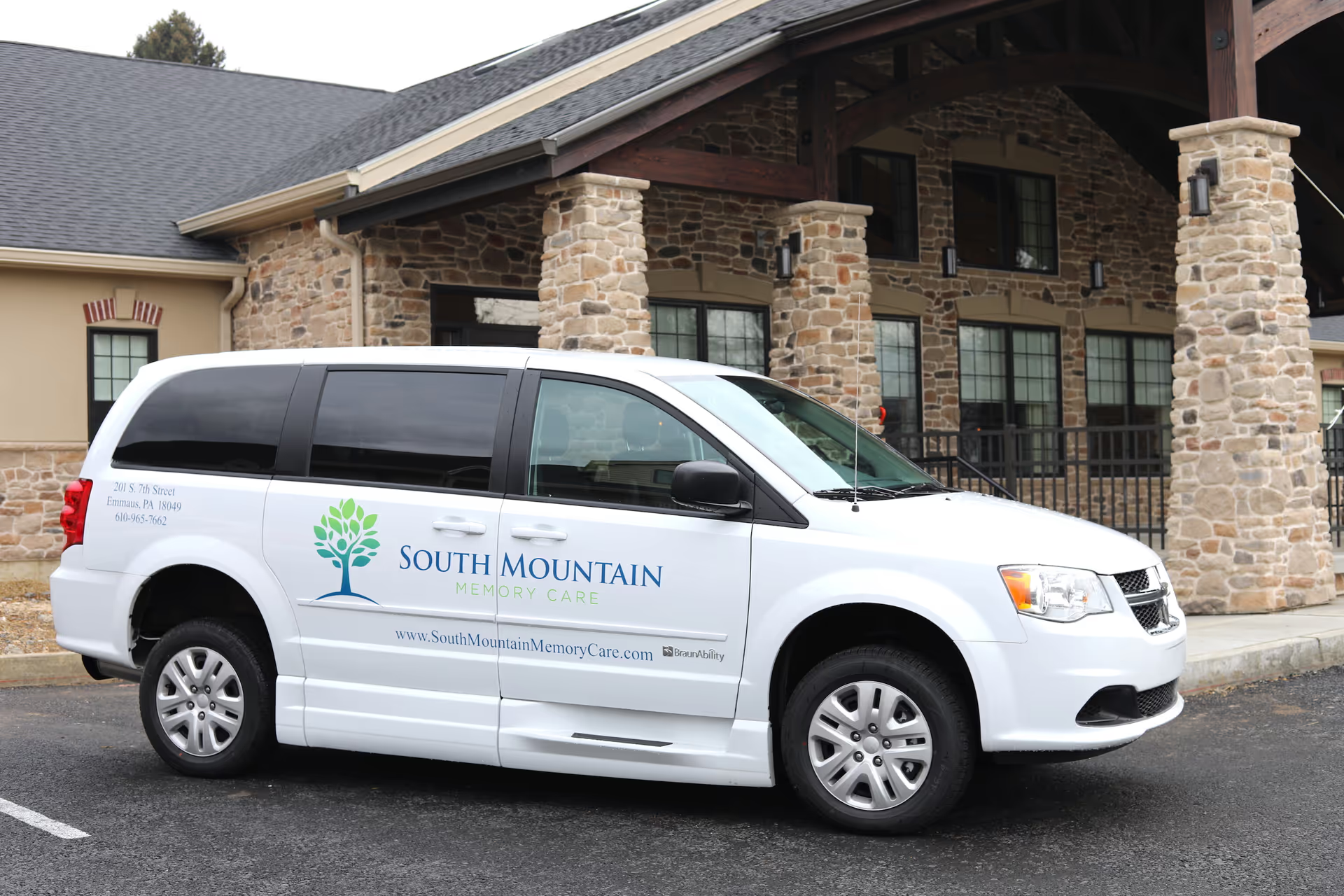
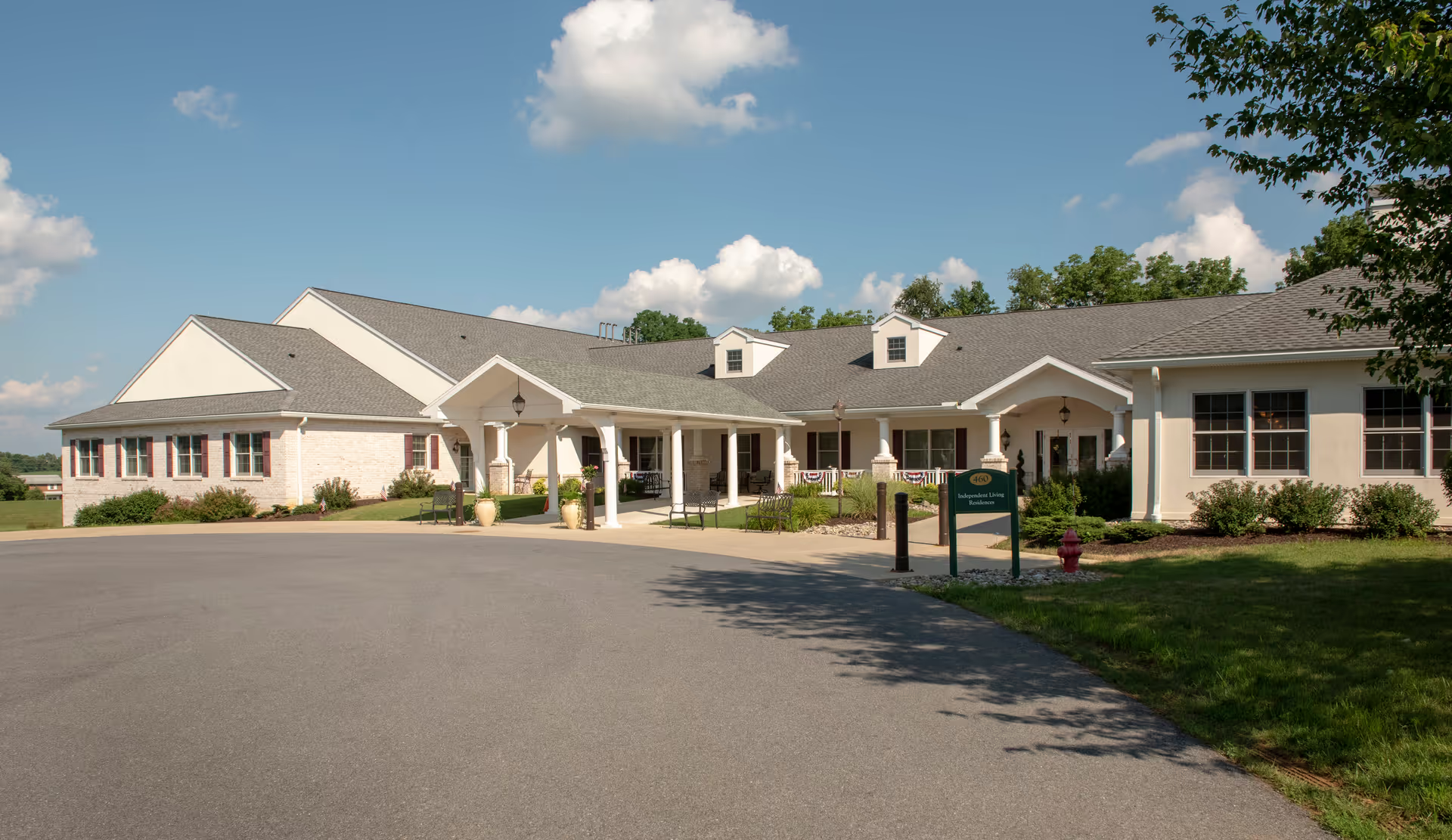
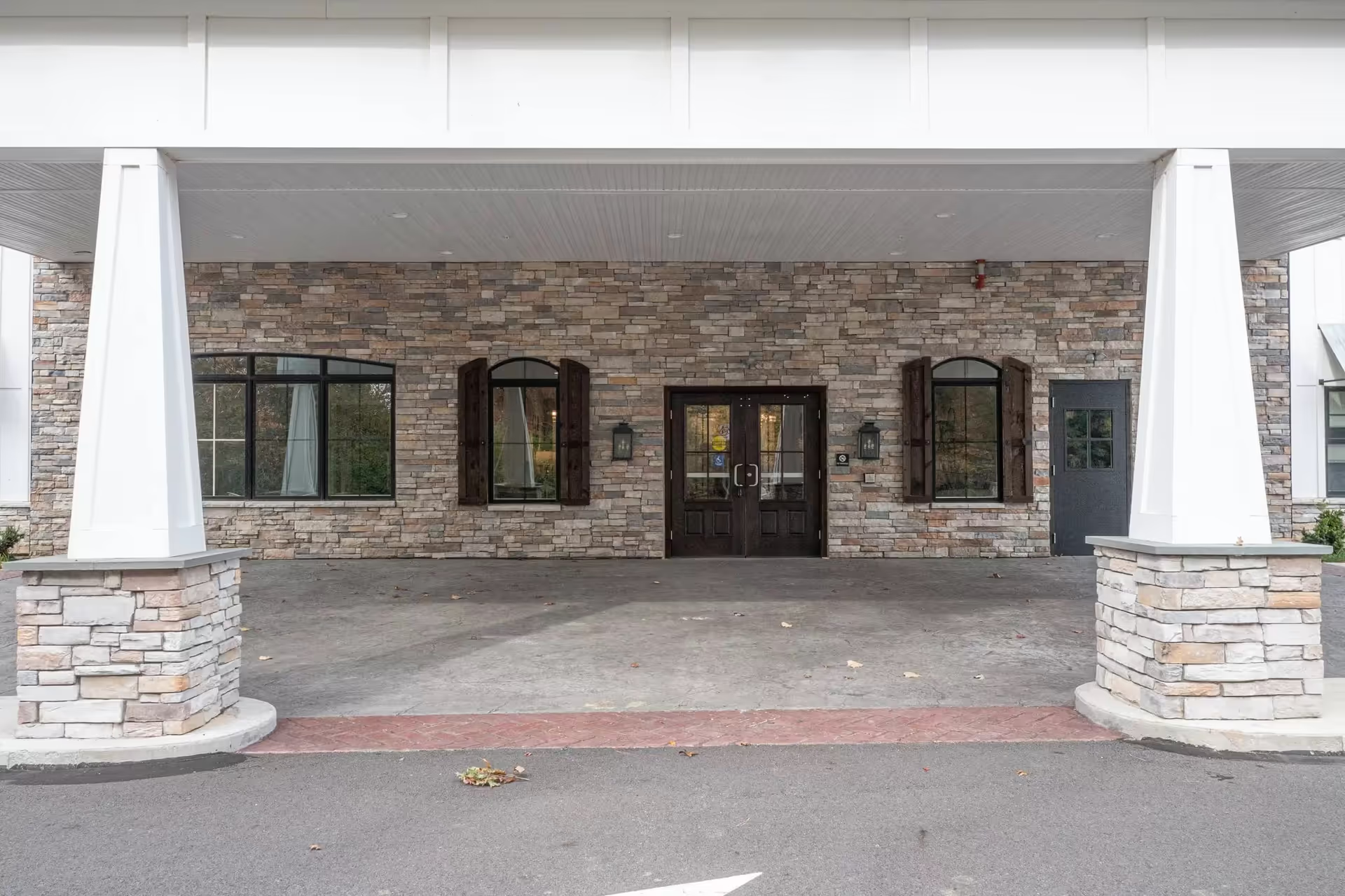
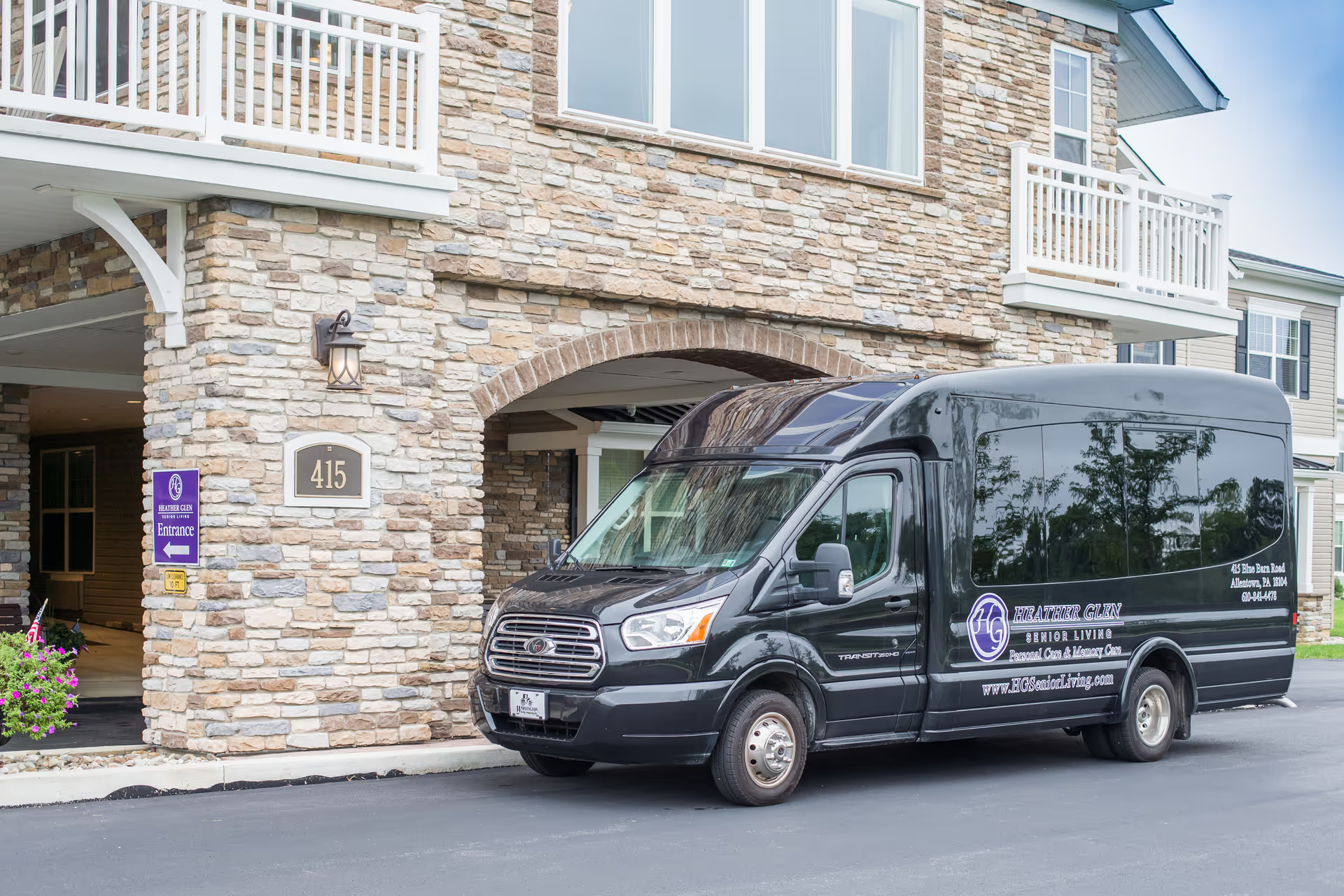
Facilities and layout show a split character. Parts of the campus have been renovated or are brand-new, offering bright, modern rooms, large windows, accessible bathrooms, and well-maintained common areas. Other sections retain an older, more institutional feel with darker hallways, smaller or pod-like rooms, and shared-bathroom arrangements. The building is generally wheelchair and ADA friendly, with outdoor patio space and accessible dining areas, but room sizes and configurations vary.
Management and culture present a largely positive trend toward family-like care and problem resolution, though the variability in staffing, training, and operational consistency produces divergent impressions. Cost and location are often cited as favorable — many families find the facility to be affordable and conveniently located. Notable patterns for prospective families: evaluate current staffing ratios and medication-management protocols, clarify kitchen allergy procedures, and tour the specific wing or unit to assess lighting, room size, and activity engagement. Overall, Bethlehem Manor can offer a supportive, well-located option with strong interpersonal care in many cases, but quality appears sensitive to staffing stability and unit-level conditions.