Bethlehem Manor Memory Care elicits mixed but specific feedback: many families praise the caregiving team for compassion, responsiveness, and dementia-care expertise, while a smaller set of experiences raise operational concerns that are important to evaluate before placement.
Care quality: Reviewers commonly describe direct-care staff as caring, attentive, and knowledgeable about dementia. Several families noted that staff adapted as needs changed and that managers provided meaningful clinical explanations. At the same time, there are recurring operational shortcomings — most notably inconsistent on‑floor staffing and gaps in bathing and personal‑care assistance. These patterns suggest variability in day‑to‑day care delivery rather than uniform practice; families should ask about current staffing ratios, shift coverage, and how personal-care tasks are scheduled and tracked.
Staff and management: Leadership receives positive mention for experience, clear dementia-care explanations, and responsiveness; individual managers were described as proactive in communicating and following up. However, reviews also reference staff turnover and organizational changes that have affected consistency. A minority of reports raise concerns about the tone and transparency of some management–family interactions. Prospective families would benefit from meeting the current care team, asking how handoffs are handled during leadership changes, and requesting examples of recent staff training.
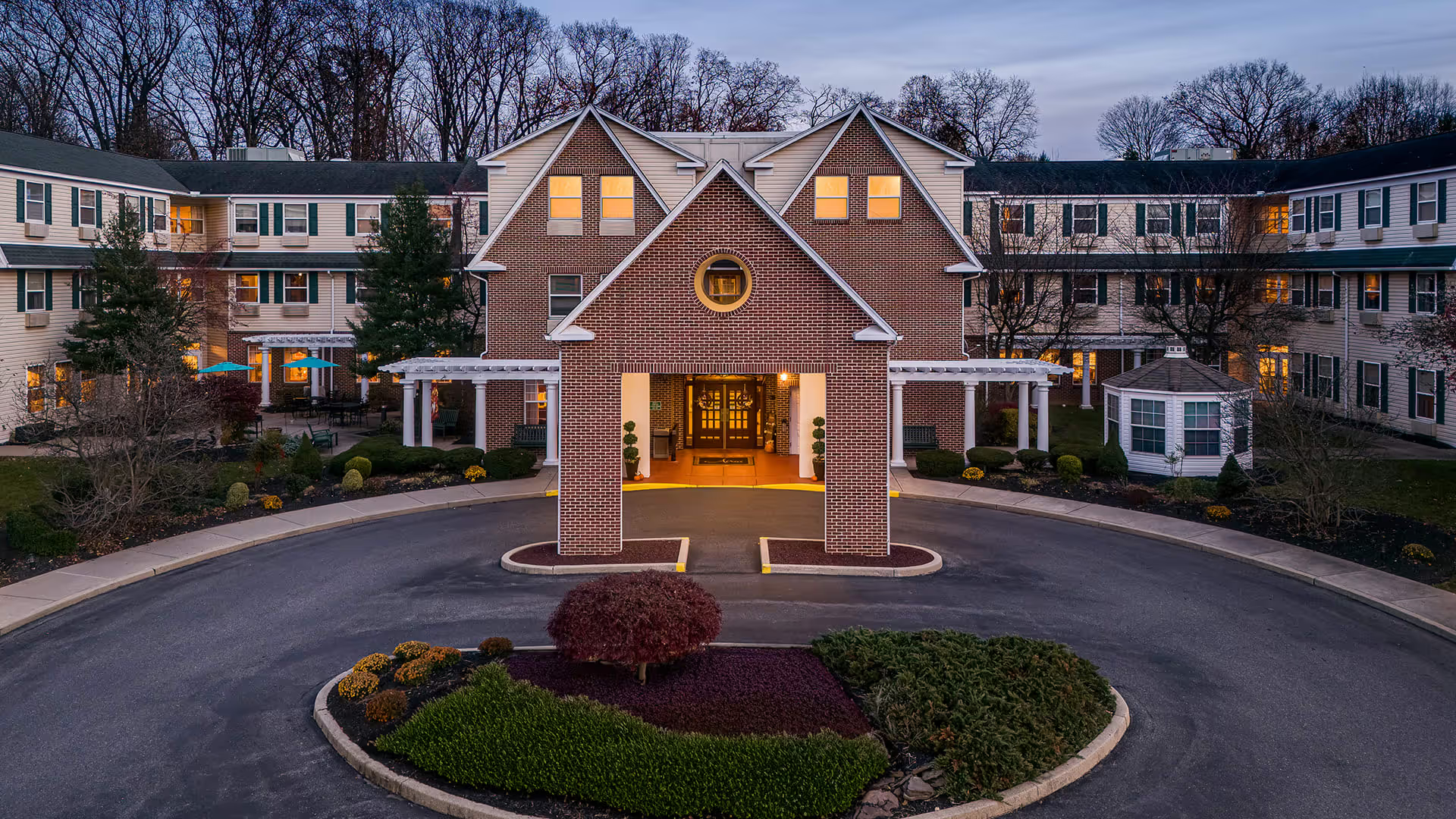
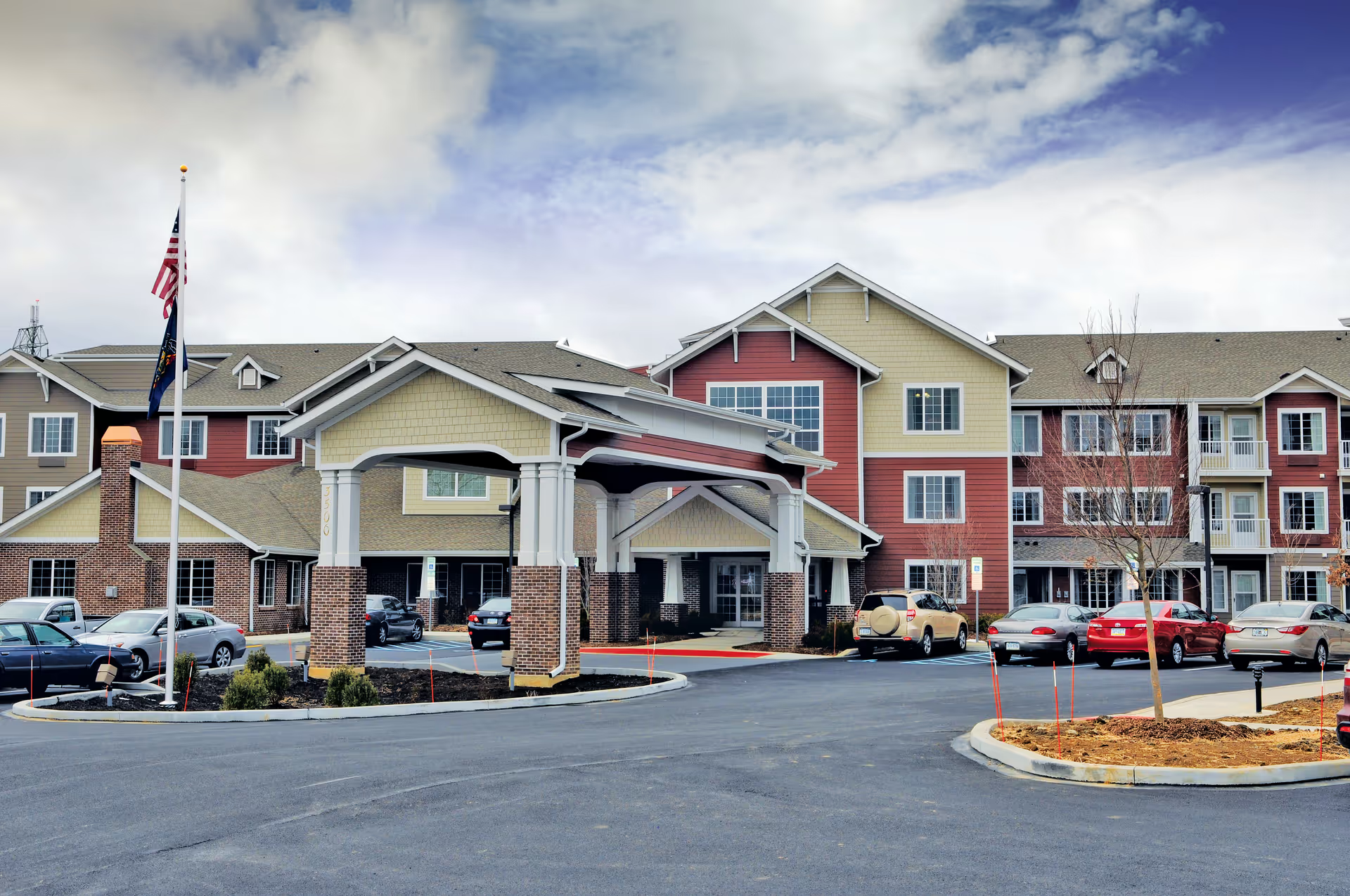
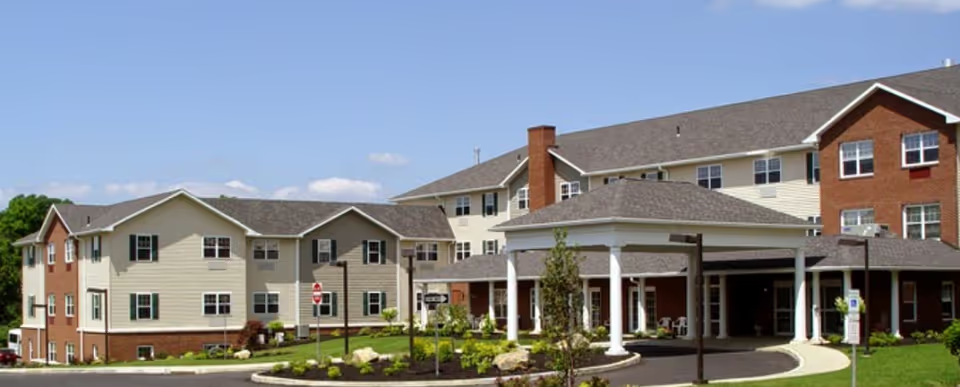
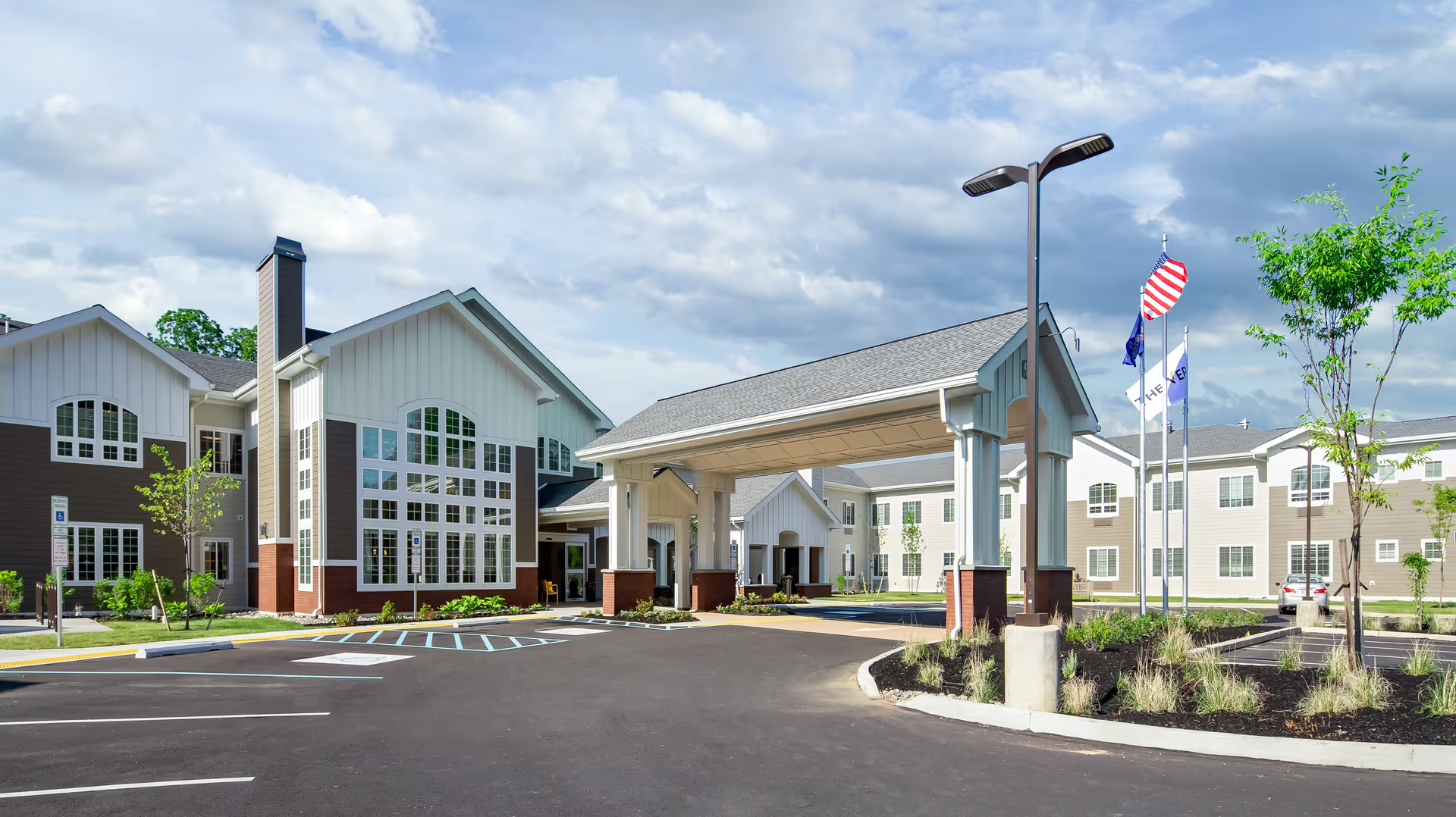
Dining and facilities: The physical environment is repeatedly described as clean, attractive, and well maintained, with private apartments and a warm, family-like atmosphere. Dining is characterized as standard catered fare — acceptable but not a standout feature. If dining quality or therapeutic nutrition is a priority, ask for menus, special-diet protocols, and sample meal options during a visit.
Activities and community life: Activity programming and occasional music visits receive consistent positive mention, and many residents and families described a social, neighborly environment. The facility appears to offer a variety of engagement opportunities; families should request an activities calendar and observe a program in session when possible.
Operational patterns and risks: Several operational patterns recur across reviews: inconsistent staffing on care floors, training gaps for specific tasks, lapses in hospital-transfer and notification procedures, and occasional issues tracking resident belongings. These are facility-level process concerns rather than single isolated compliments or complaints; they point to areas to probe during a tour and in follow-up conversations with leadership and the care team.
Practical guidance: Given the mixed but specific feedback, prospective residents and families should tour in person, request a current staffing schedule and turnover metrics, ask how transfers and hospital communications are documented, and obtain written policies on personal‑property tracking and bathing/personal‑care routines. Also consider speaking with current families if available and observing mealtime and an activity. That approach will help confirm whether the facility’s well‑rated strengths — dementia expertise, compassionate staff, and a welcoming environment — are consistently realized for the resident under consideration.