Overview: Chestnut Knoll is frequently described as a modern, well-maintained assisted‑living and memory‑care community with a strong emphasis on personalized, family‑style caregiving. Reviewers consistently praise the warmth and attentiveness of nursing staff and aides; many families highlight staff who learn residents’ names, provide hands‑on support, and maintain regular check‑ins. The community’s on‑site therapy resources (commonly cited as Fox Rehab/Fox Optimal Living) are a recurring strength, with several accounts of measurable functional gains following physical and occupational therapy. Memory‑care programming is organized into secure neighborhoods with dementia‑aware design features and a calendar of tailored activities.
Care quality and staff: Many families characterize care as compassionate and dignified; staff involvement in social engagement, medication administration, and end‑of‑life coordination (including hospice partnerships) is a repeated positive. Reviewers mention knowledgeable leadership in memory care and active clinical teams. That said, a subset of accounts describe inconsistent responsiveness during clinical events and variability in staff continuity—patterns that have translated, in some cases, to delayed family notifications or disagreements about care decisions. Prospective families may wish to clarify staff‑to‑resident ratios, on‑call nursing practices, and formal escalation pathways during a tour.
Dining and activities: Dining is often described as restaurant‑style with three meals a day, snacks, and an emphasis on variety and desserts; many residents enjoy the food. Activity programming is broad and well‑attended: daily exercise classes, arts and crafts, social clubs, Wii bowling, men’s groups, live entertainment, and regular off‑campus excursions are commonly mentioned. These offerings are credited with improving socialization and quality of life. A few comments indicate variability in meal consistency across days or units, so checking recent sample menus and meal service routines is advisable.
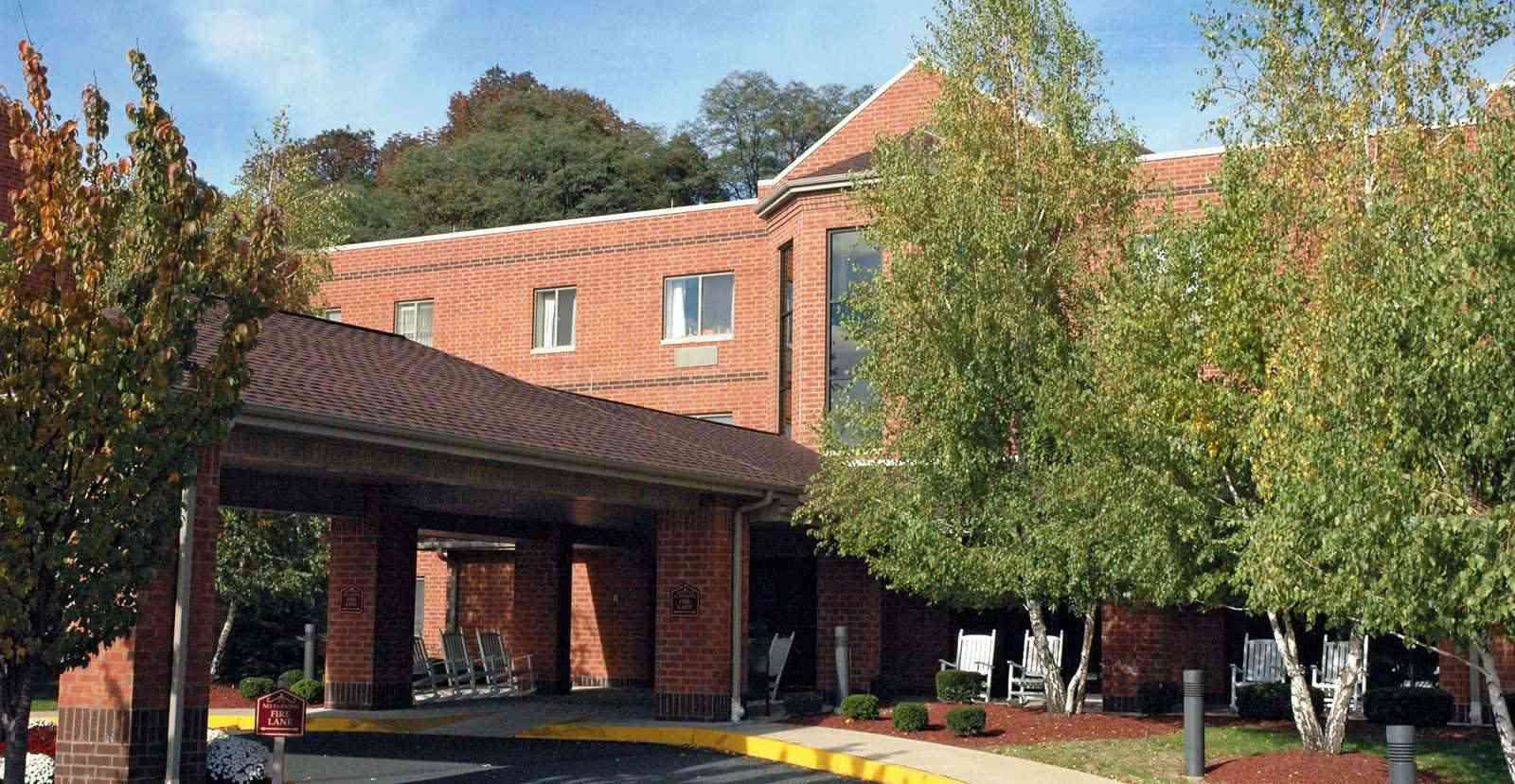
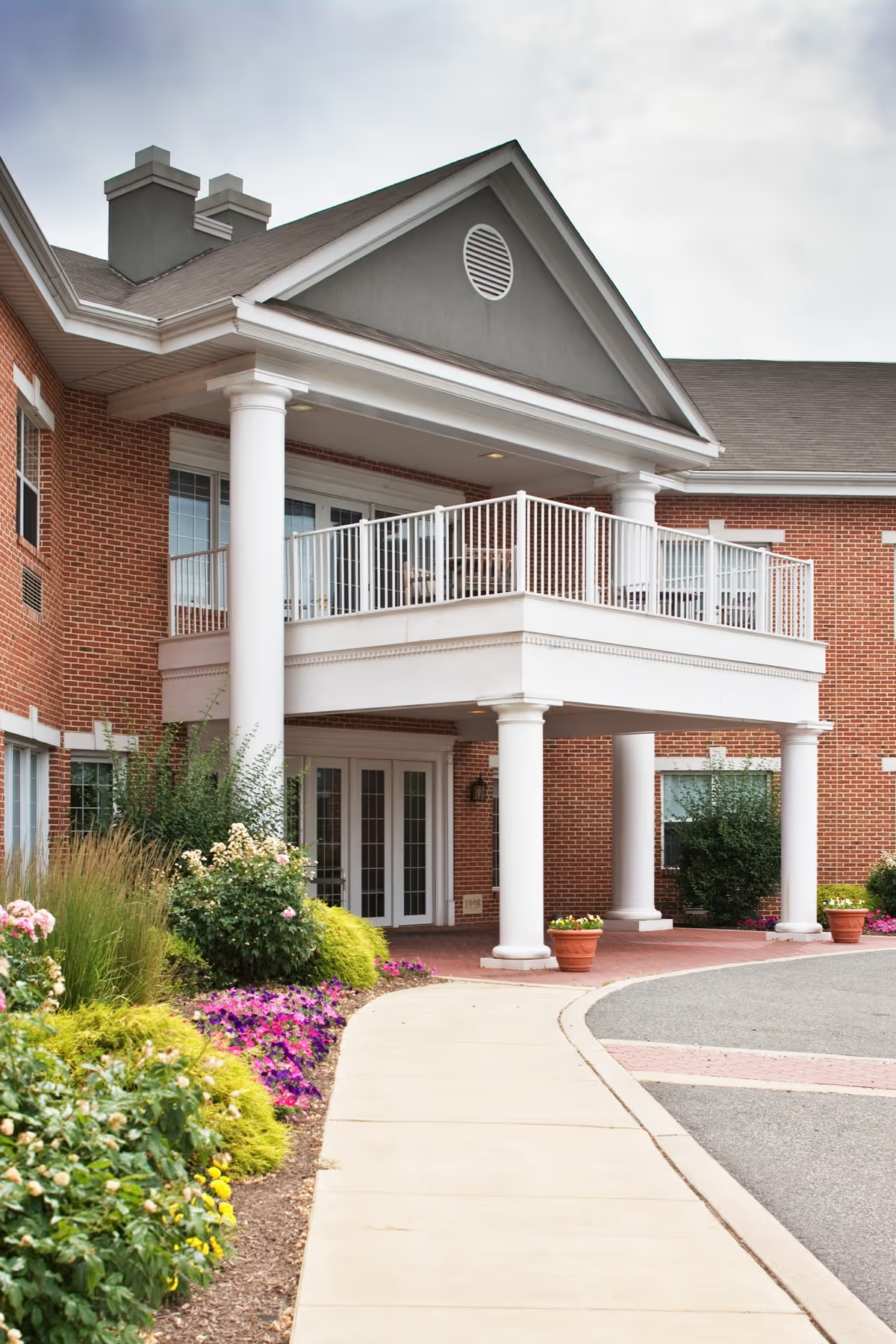
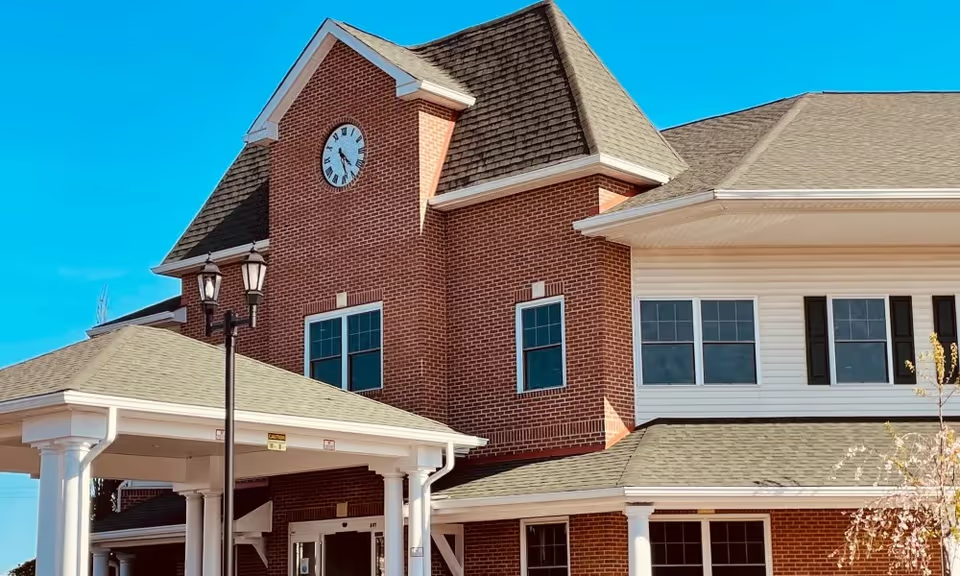
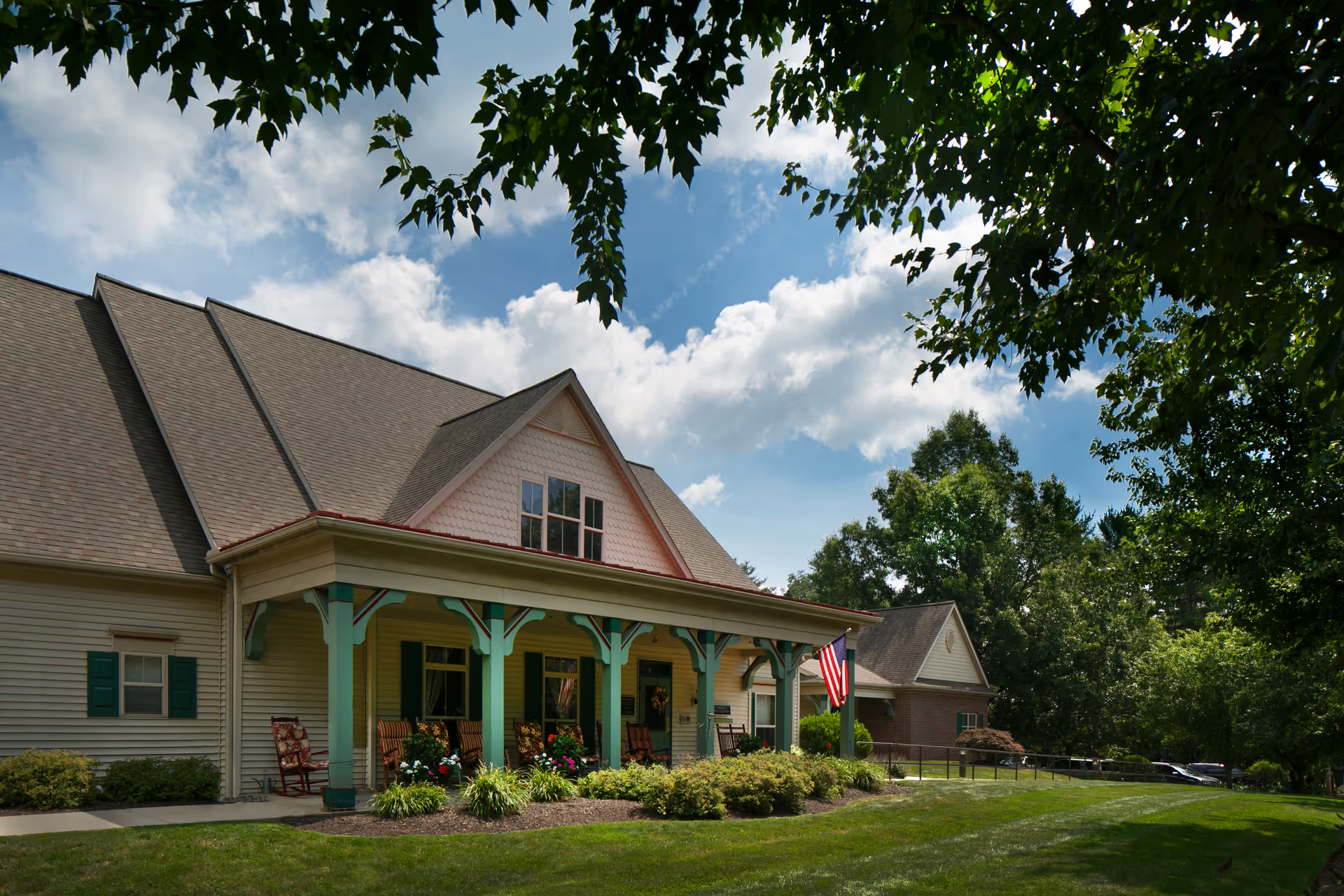
Facilities and services: The physical plant receives strong marks for cleanliness, bright common areas, multiple dining rooms, and landscaped outdoor spaces including two courtyards and patios. Memory‑care areas are noted for thoughtful design elements (memory stations, interactive features). Some reviewers, however, pointed to differences between newer and older sections of the building—lighting, room size (shared rooms can be small), and general ambience vary across units. The campus provides useful on‑site supports such as dental care, geriatric psychiatry, and hospice coordination, and offers flexible admission options without a large buy‑in fee.
Management and patterns to note: Management and administrative staff are frequently described as accessible and efficient, with smooth admission and billing processes. Many families credit leadership with proactive family communication and responsive problem‑solving. Nevertheless, recurring concerns across a minority of accounts include variable communication about clinical changes, occasional gaps in incident follow‑up, and perceptions of staffing turnover affecting continuity. There are also comments about cost transparency—some families perceived additional charges for certain memory‑care supports or personal‑care aides. A small number of strongly negative accounts raise serious concerns about conduct and dispute resolution; these appear to be exceptions within a large body of largely positive experiences but merit direct inquiry during a visit (for example, ask about grievance procedures, transfer protocols, and contract details on extra fees).
Recommendation guidance: Overall, Chestnut Knoll appears to offer strong therapy resources, active engagement programming, and an attentive caregiving culture that many families find reassuring—especially for residents needing memory care or rehabilitation. Prospective residents and family members should tour both newer and older sections, ask for current staffing ratios and recent examples of clinical incident handling, review the fee schedule for memory‑care add‑ons, and speak with current families if possible to assess consistency of communication and care continuity for their specific needs.