The reviews present a mixed picture: many families and patients praised the facility for its strong rehabilitation services and for individual caregivers who provide attentive, effective support, while others described recurring operational problems that affect day-to-day confidence in care. Therapy services (PT/OT) are a consistent strength, with multiple accounts of measurable recovery and staff who helped residents regain mobility. Admissions and transition coordination also received positive mention in a number of accounts, and several individual staff members were singled out by name for exceptional care and communication.
Care quality and staffing are the most polarized areas. Positive comments highlight compassionate nurses and aides who were responsive and effective; negative comments describe chronic understaffing, particularly on weekends, delayed responses to call bells, and periods when basic care tasks (assistance with toileting, oral care, bathing) were not reliably performed. There are also observations of inconsistent staff conduct and communication—ranging from highly professional and helpful to curt or dismissive—and language barriers that limit effective interaction with Spanish-speaking residents. There were also allegations of missing or unsecured personal items, which families should address with facility management and during move-in inspections.
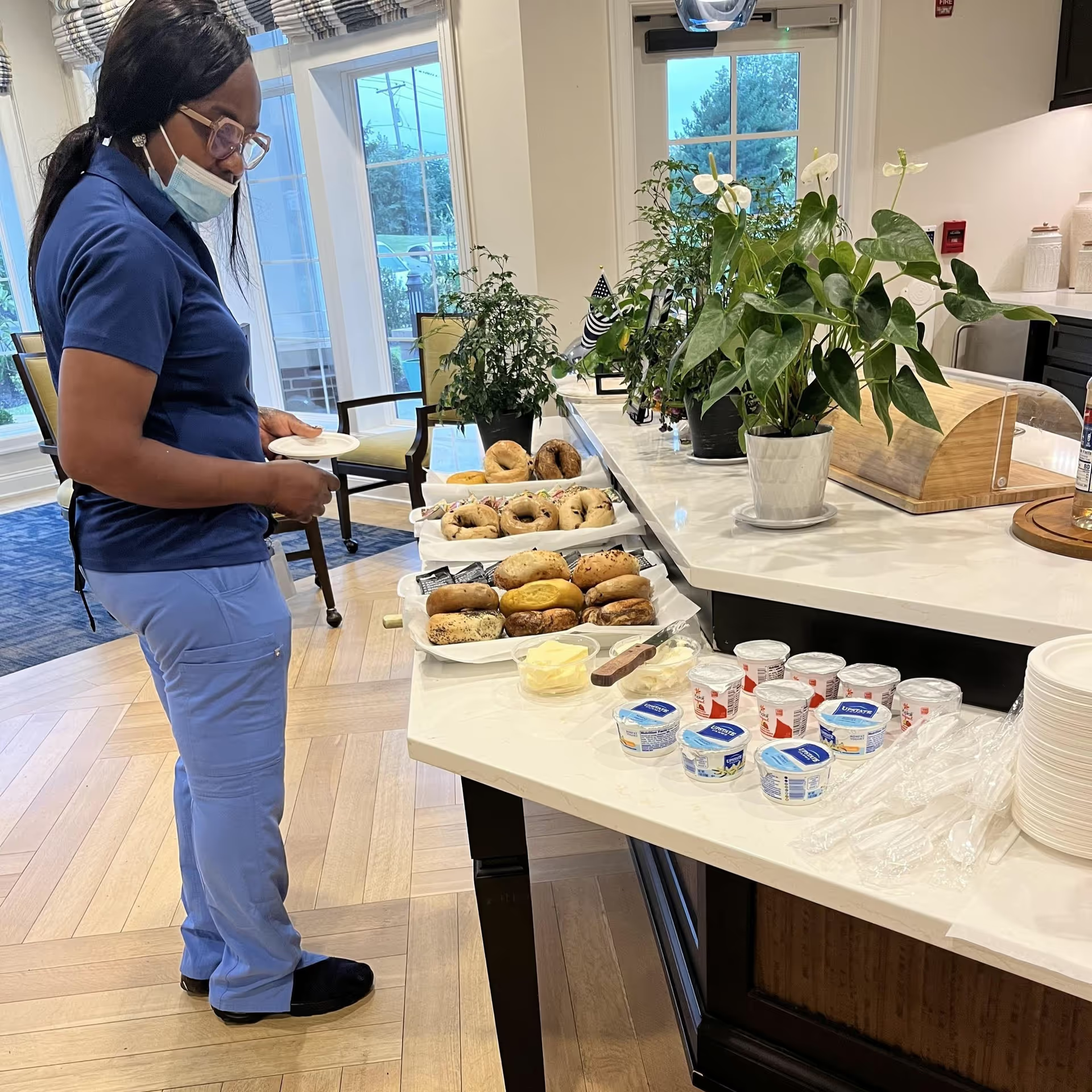
Dining and activities present a nuanced picture. Several families noted that dietary needs were accommodated and that menu improvements followed complaints; at the same time, complaints about repetitive or high-sugar options were raised. The activities department received positive feedback for keeping residents engaged through in-person and virtual programming (video calls, facetime, puzzles), which many families found valuable during restricted visitation periods.
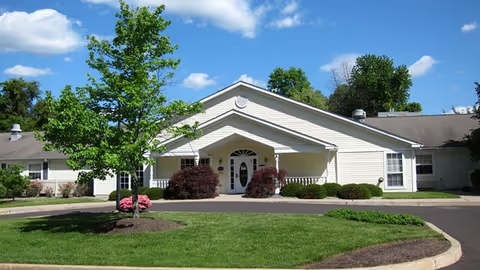
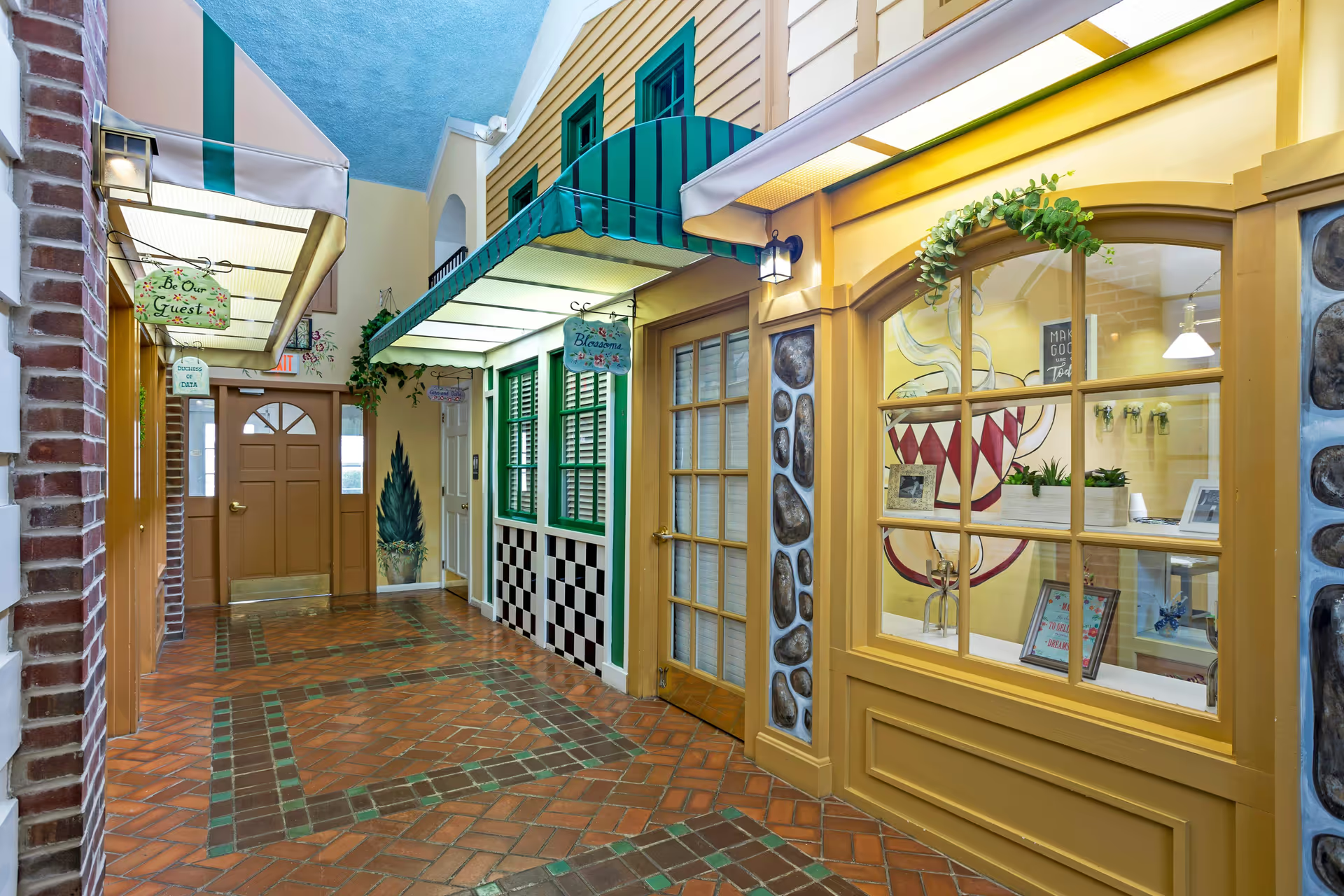
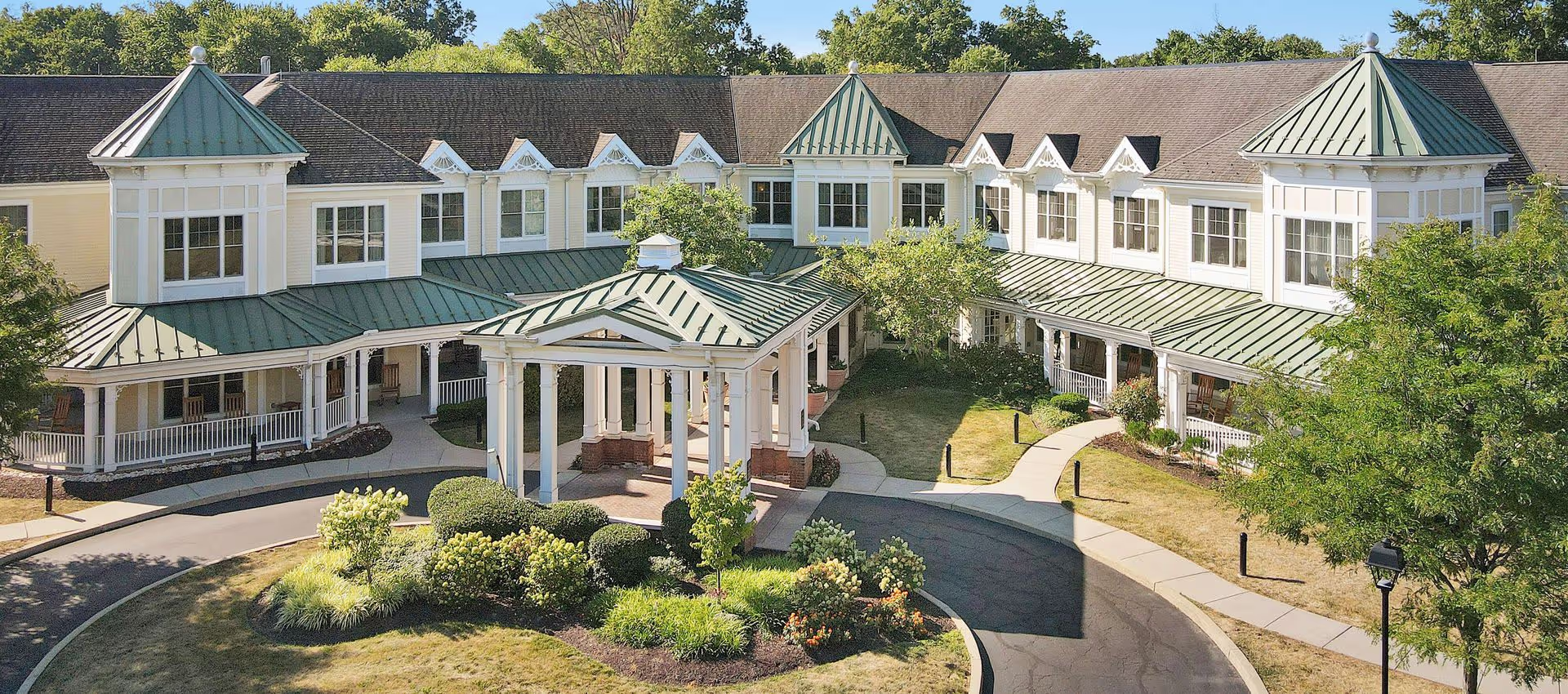
Facility maintenance and management feedback is mixed. Some reviewers observed recent upgrades, clean areas, and helpful administrative staff in admissions and therapy. Conversely, others described sanitation lapses, odor concerns, and pest-control issues in certain areas, along with small or crowded room conditions. Administrative responsiveness varies by shift and by person: several families praised specific admissions and nursing staff for timely communication, while others reported difficulty obtaining billing, insurance coordination, or timely answers from front-desk and unit leadership. Safety-related patterns also emerged—concerns about transfer and mobility assistance, fall prevention, and timely clinical response—warranting direct inquiry by prospective families.
Recommendation: prospective residents and families should weigh the facility’s demonstrated rehabilitation strengths and the presence of dedicated individual caregivers against recurring operational weaknesses. When evaluating the facility in person, ask about staffing ratios and weekend coverage, call-response metrics, language services, sanitation and pest-control protocols, transfer/fall-prevention procedures, documentation of dietary accommodations, and insurance/length-of-stay policies. Regular, documented communication plans and scheduled check-ins with nursing leadership can help families monitor care continuity and address issues promptly.