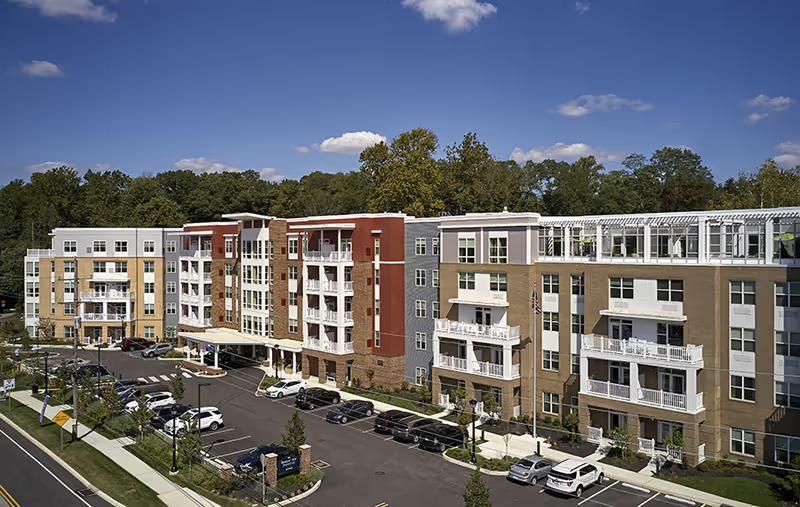
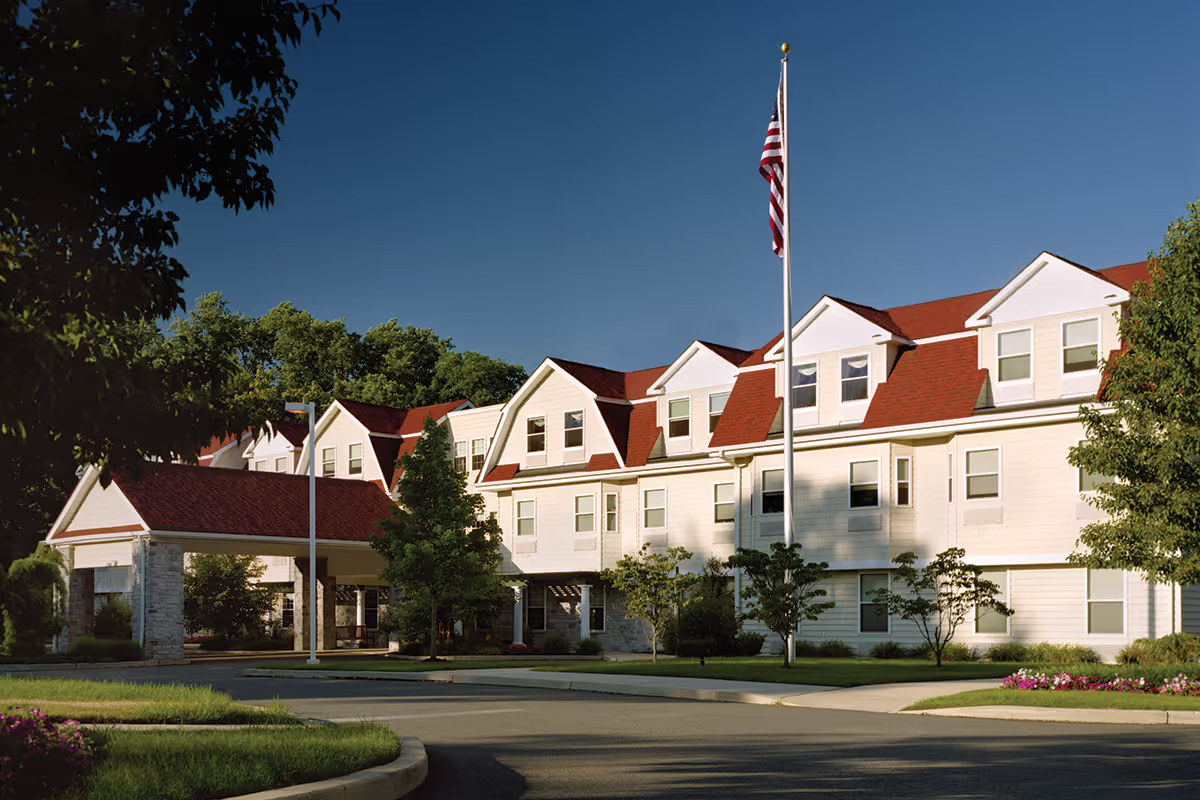
Reviewers describe a facility that presents a mix of clear strengths and repeated operational concerns. Positive items that recur in feedback include well-kept grounds, a compact community atmosphere, available rehabilitation and physical‑therapy services, and an active schedule of activities such as arts, crafts, and games. Several families also noted comfortable resident rooms, reasonable meal options, and pockets of staff who are described as friendly and attentive.
At the same time, care-quality concerns appear across multiple areas of operation. Reviewers describe inconsistent clinical performance that includes wound-care shortcomings, lapses in infection-control practices, and weaknesses in medication administration and management. There are also recurring notes about hydration and nutrition management issues and delays in meeting residents' toileting and hygiene needs; these point to broader process gaps in direct-care delivery rather than isolated events.
Staffing and responsiveness are prominent themes. Many comments indicate chronic understaffing, high workloads, and variable staff experience levels; reviewers cite extended waits for assistance and call-bell response delays. Observations of inconsistent staff professionalism and attendance, plus reports of nurses being unavailable during shifts, suggest gaps in supervision and training. Family communication and phone accessibility are additional operational weaknesses: families describe difficulty reaching nursing staff or administrators and dissatisfaction with post‑incident communication.
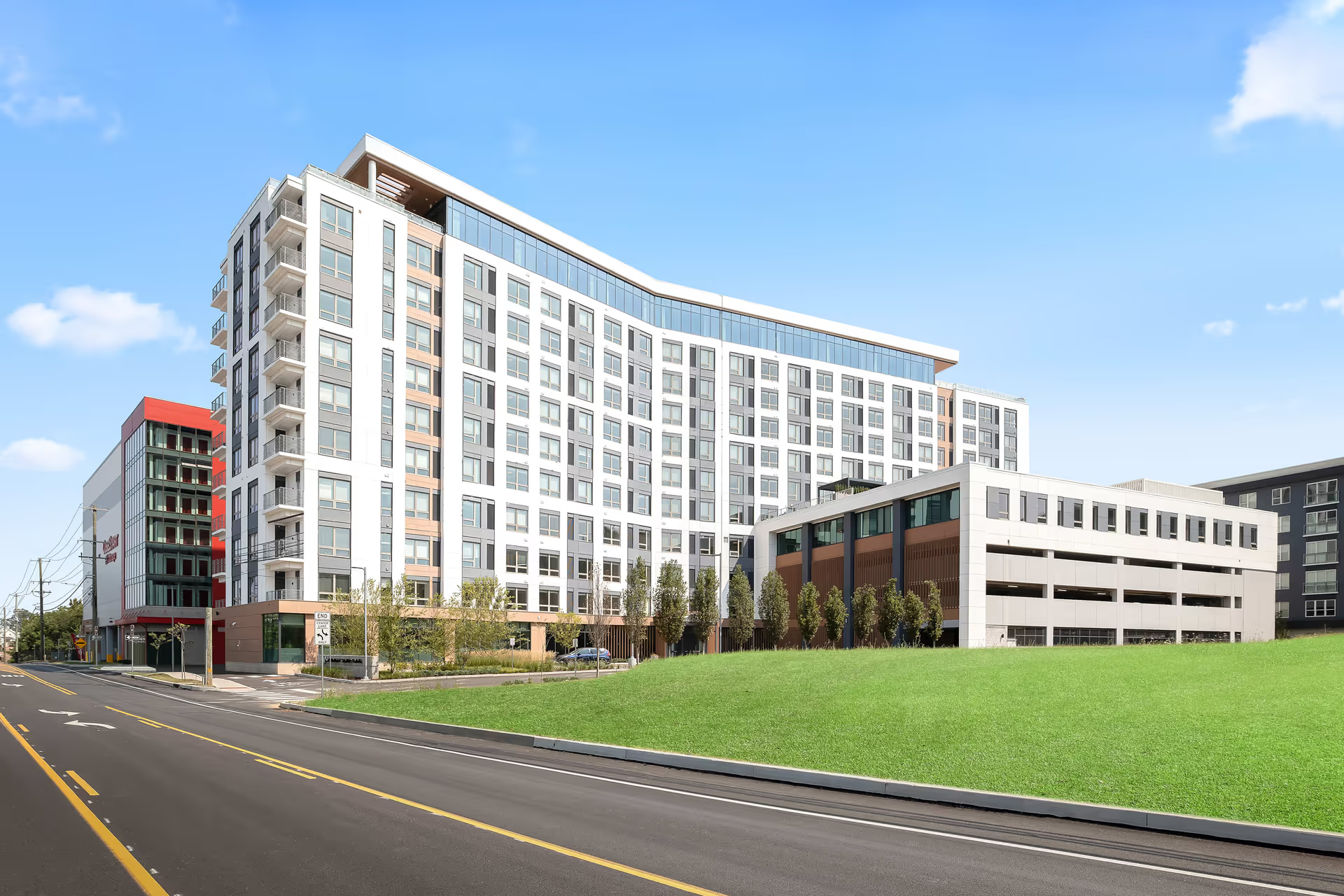
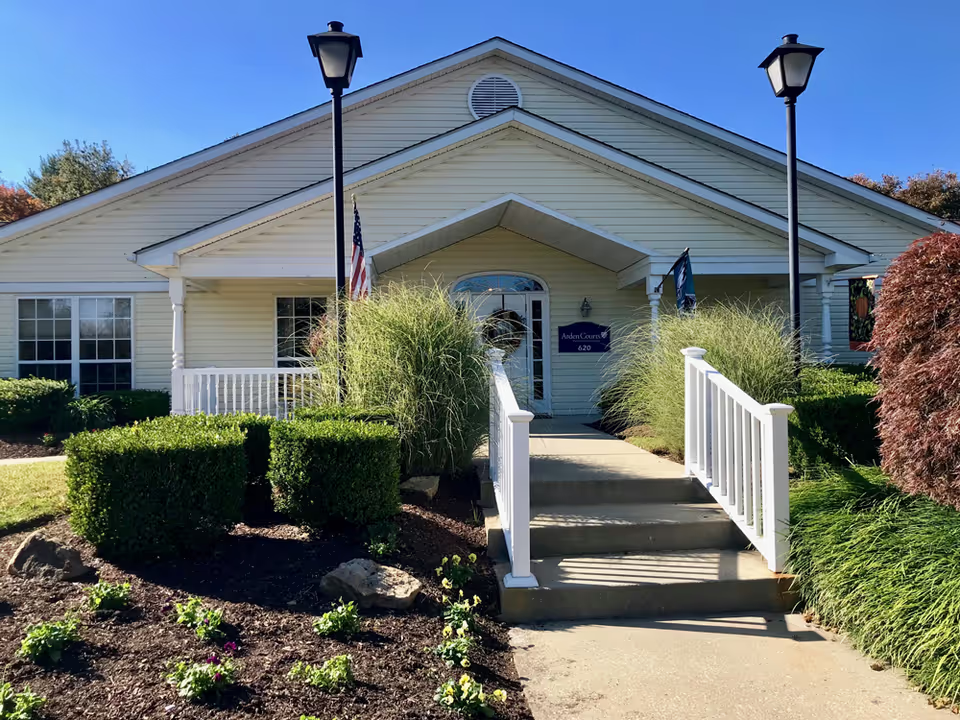
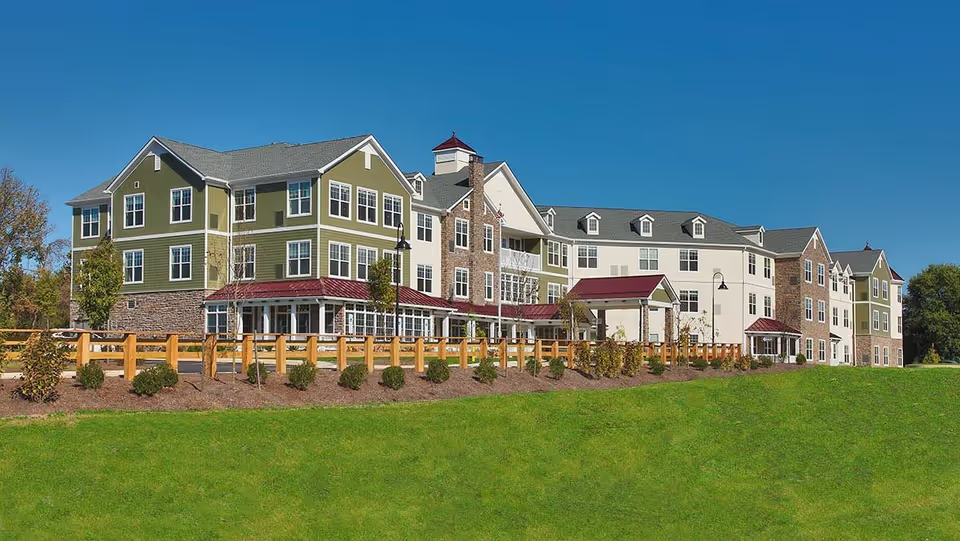
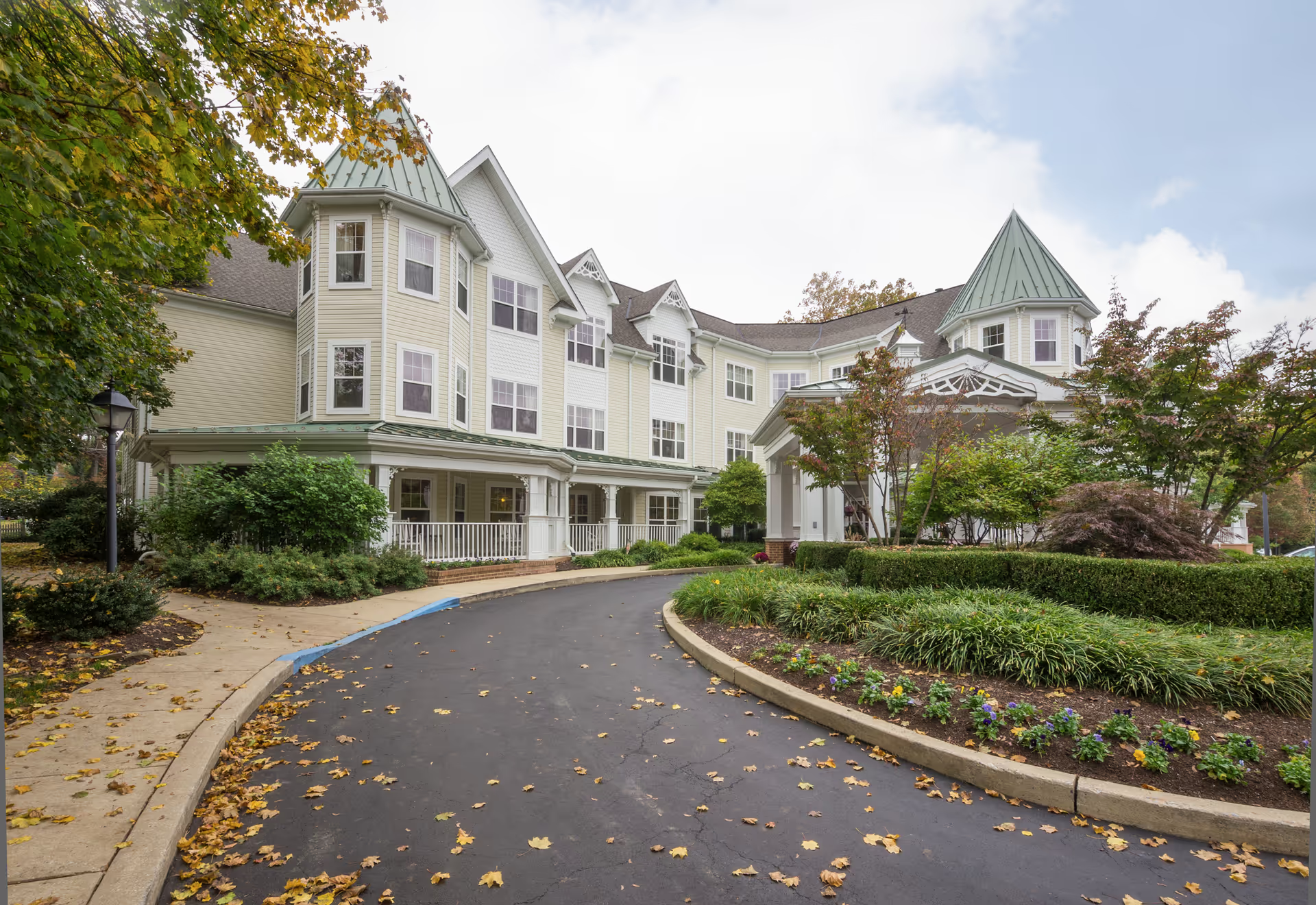
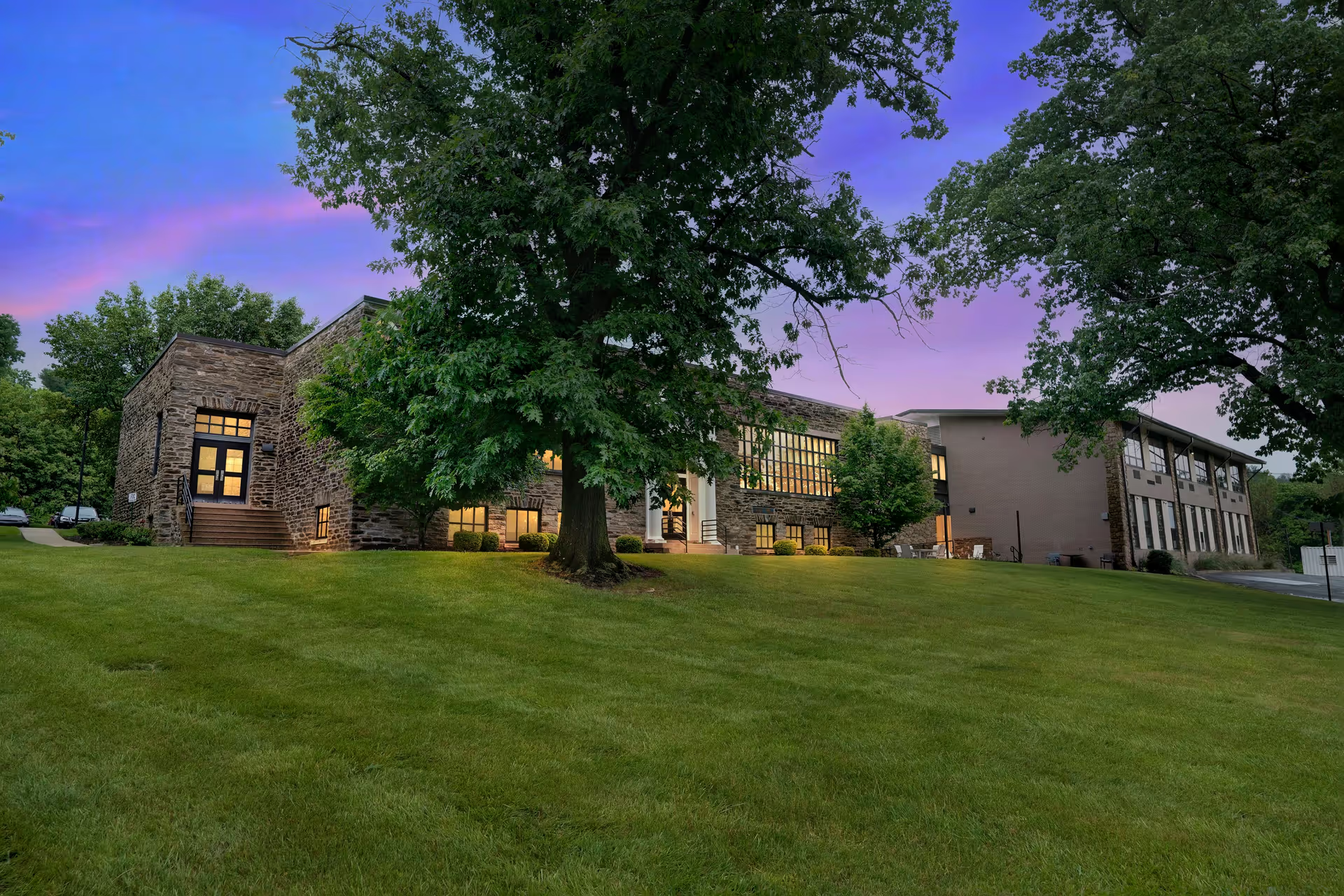
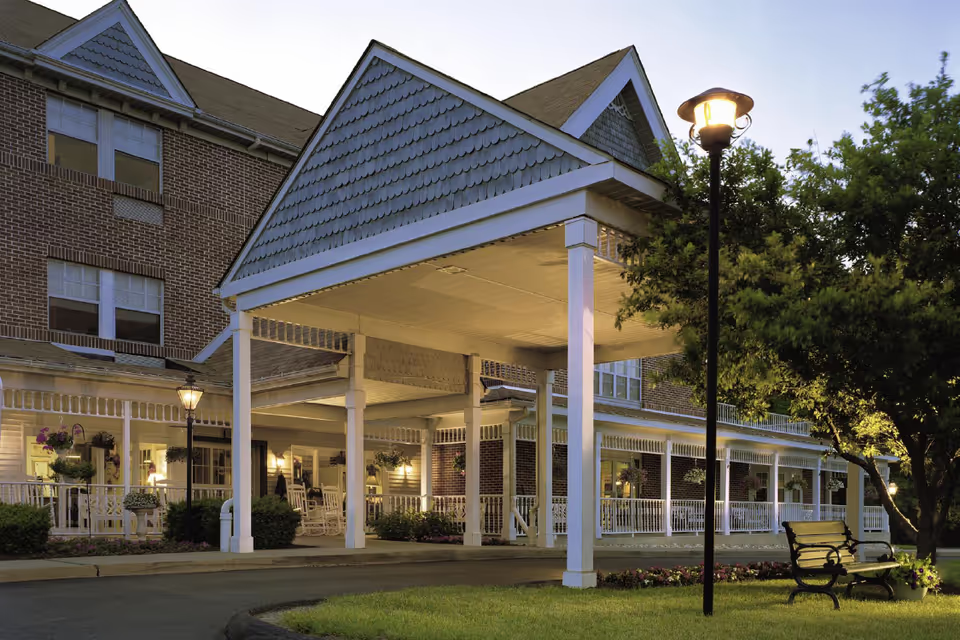
Facility and environmental observations are mixed. The campus and outdoor areas receive favorable remarks, and some rooms are described as comfortable, but the interior and communal spaces have uneven maintenance. Reviewers note sanitation and pest-control concerns in some areas, issues with environmental safety devices (for example, missing or inadequate equipment), and certain maintenance items in need of repair or upgrade. Dining receives both positive and negative comments: some residents enjoyed meals, while others found the dining-room experience and meal-service continuity inconsistent.
Management and culture emerge as modifiers of the overall picture. Several reviewers interpret operational problems as related to understaffing and corporate-level resourcing decisions, and describe administrators as insufficiently responsive to clinical or family concerns. These cultural and management issues appear to amplify the operational weaknesses noted above and have, in some cases, led families to discontinue placement.
Taken together, the reviews suggest Devon Manor offers strengths in rehabilitation, programming, and campus presentation, yet exhibits substantive and recurring operational problems affecting clinical care, cleanliness, responsiveness, and management communication. Prospective residents and families would likely benefit from targeted questions during a visit—about staffing ratios, wound‑care and infection‑control protocols, medication‑management procedures, call‑bell response times, and recent inspection or complaint records—to determine whether the facility’s strengths align with their care needs and safety expectations.