Reviews of Liberty Pointe Rehabilitation and Healthcare Center present a strongly polarized picture. Many families and former residents describe high-quality rehabilitation services, attentive therapy teams, skilled nursing in portions of the facility, and useful on-site medical capabilities such as dialysis and diagnostic services. Reviewers who had positive experiences frequently highlight bilingual staff, long-tenured caregivers, active activities programming, and instances of engaged, approachable leadership that supports individualized care and smooth transitions.
At the same time, a substantial number of reviews raise operational and safety concerns. Common themes include sanitation concerns and persistent odor issues in some units, inconsistent housekeeping and laundry processes (including missing personal items), and episodes of delayed assistance when call systems are activated. Several accounts point to inconsistent staffing levels and lapses in resident supervision that correlate with delayed responses, falls, or unreported incidents; these describe patterns in response times and safety monitoring rather than single, isolated events.
Clinical operations show mixed feedback. The facility's therapy and rehab services receive frequent praise for effectiveness and progress toward goals, while clinical administration and medication-management practices are described as inconsistent by other families. Complaints include medication-administration errors, gaps in documentation, and uneven follow-through on physician or nursing orders. There are also reports raising concerns about incident communication and family updates following clinical events.
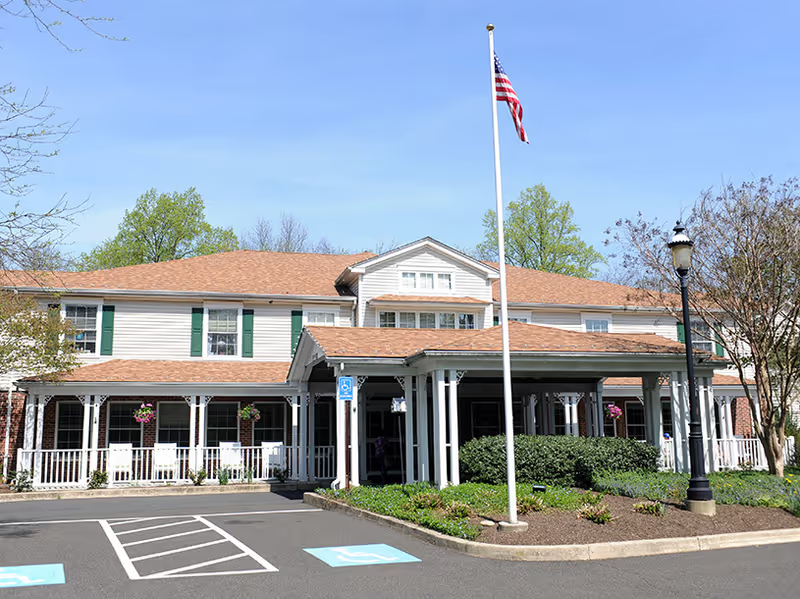
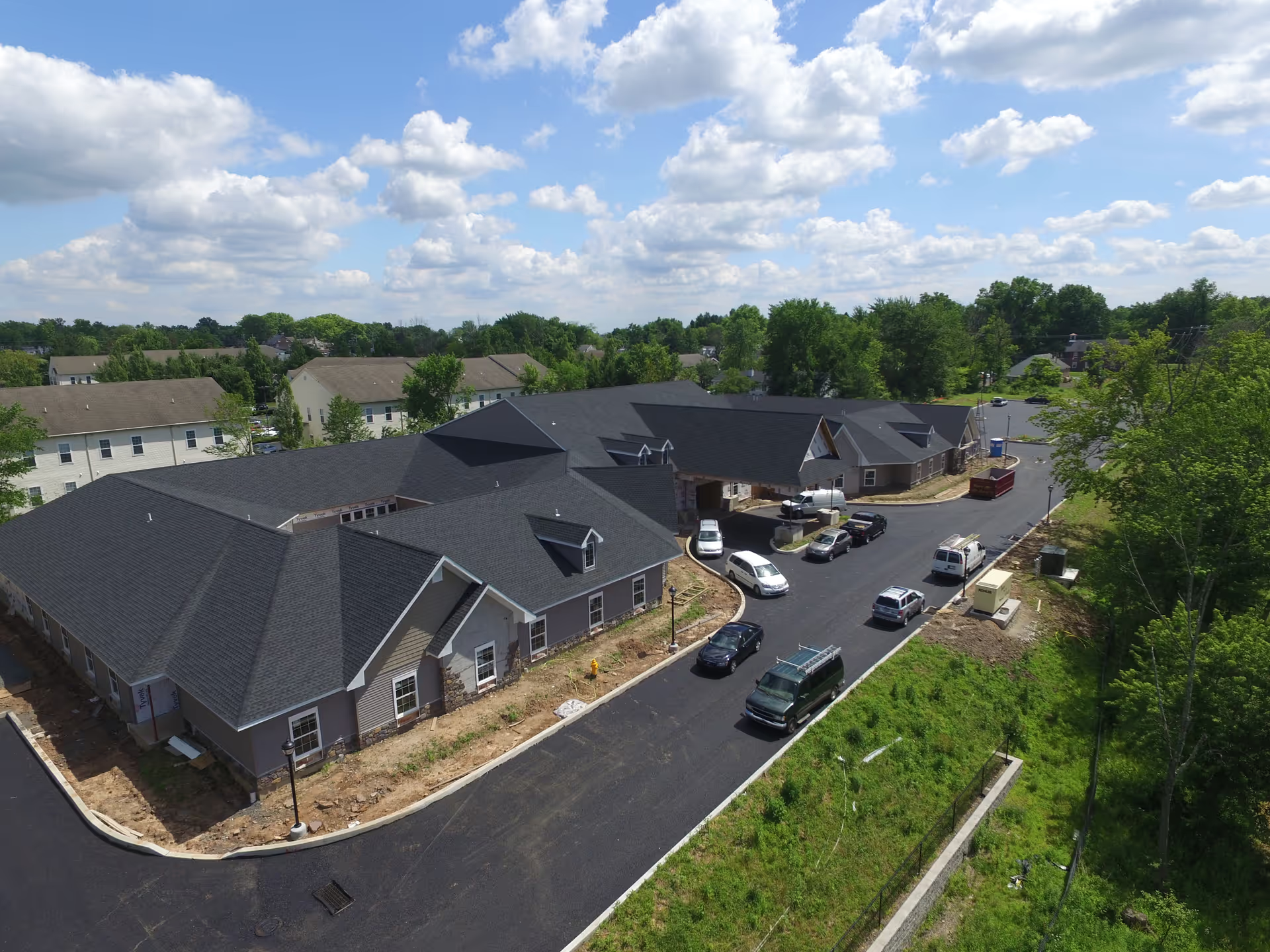
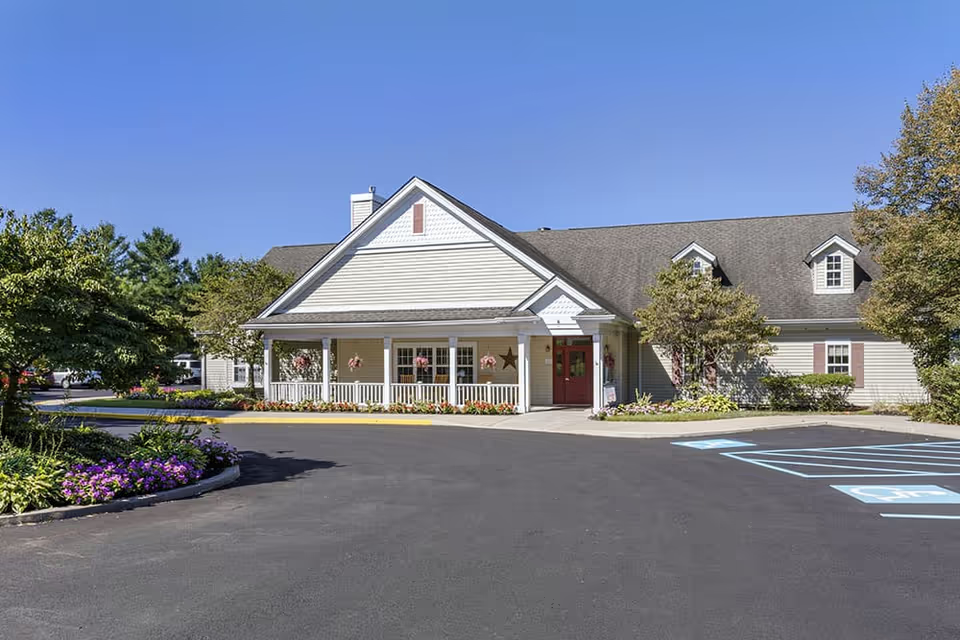
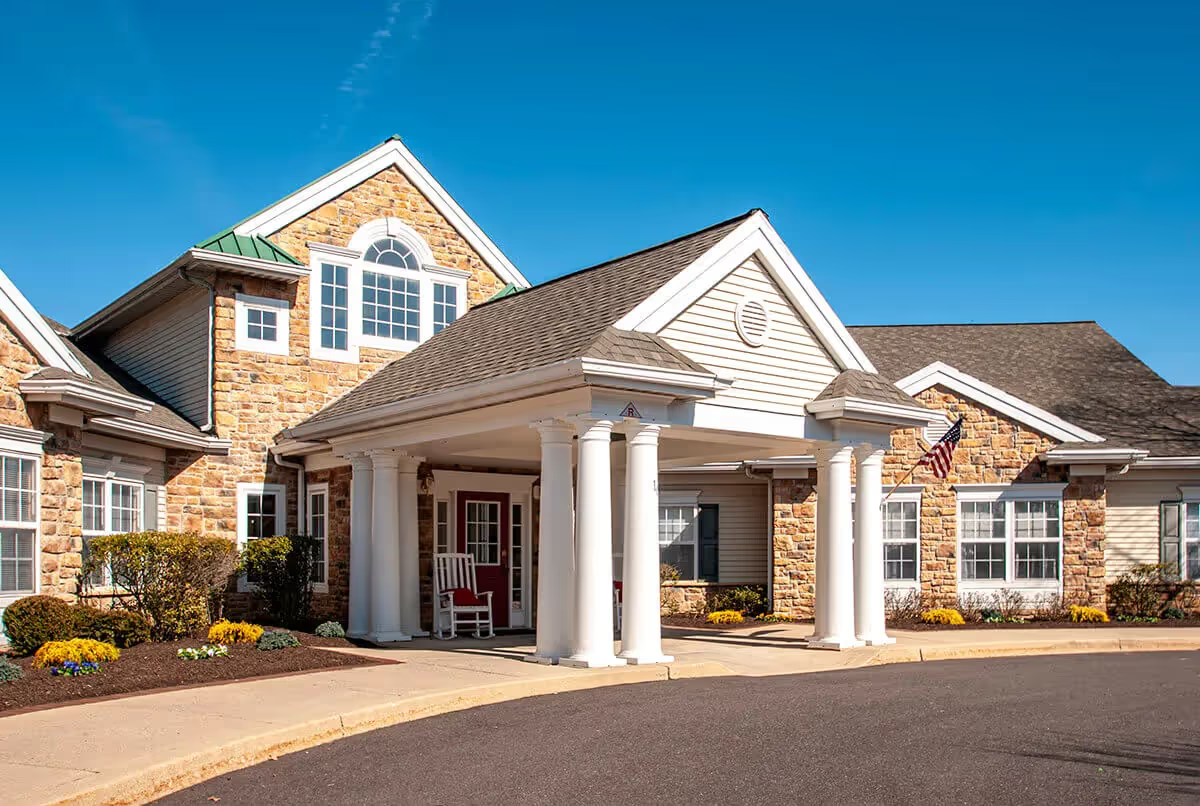
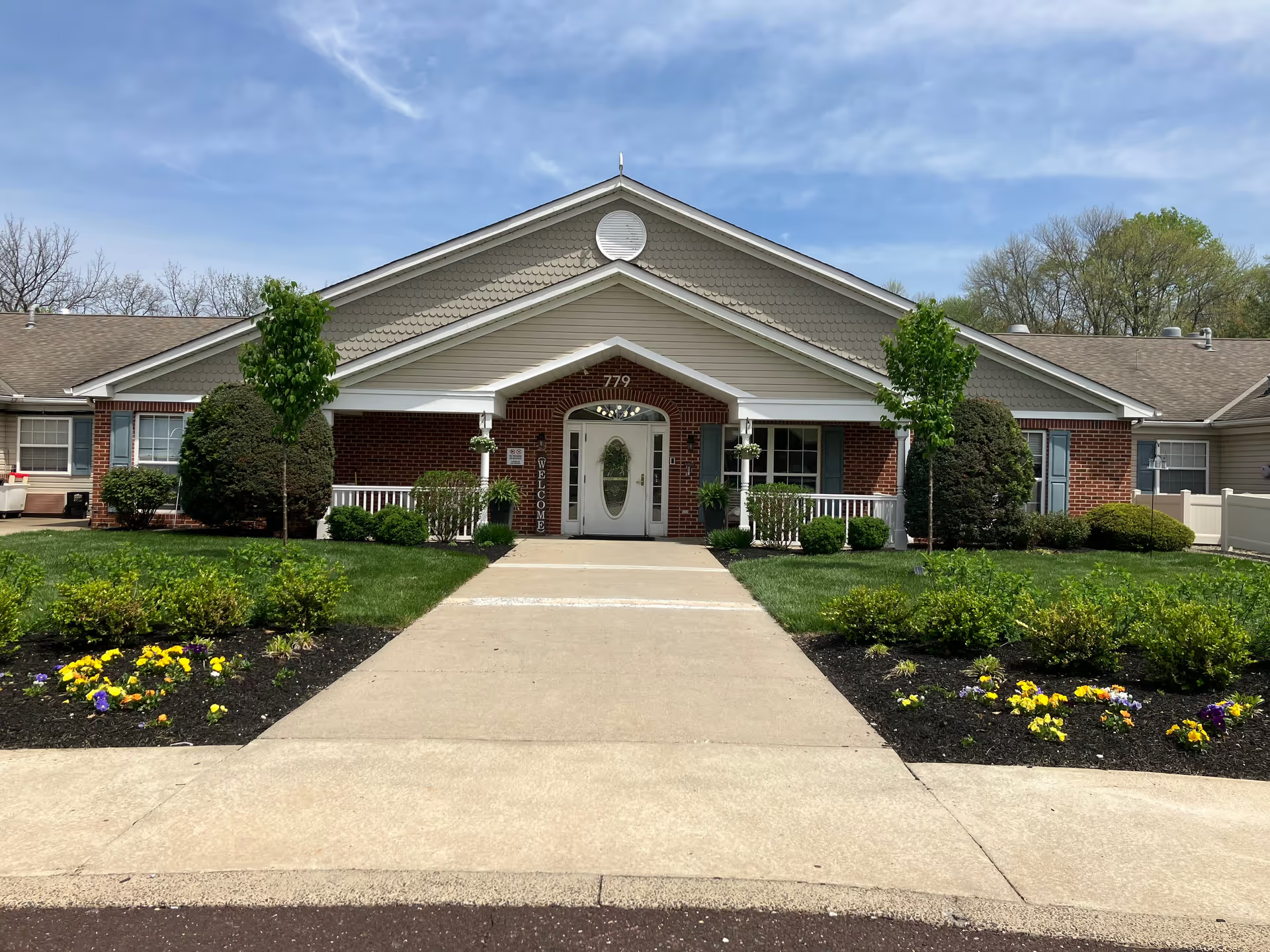
Facility condition and accessibility are another area of contrast. Parts of the building have been renovated and are described as clean, modern, and well-maintained, whereas other areas are characterized by unfinished renovations, maintenance backlogs, accessibility barriers (including unreliable elevators and challenging entry paths), and pest-control or odor concerns. Dining and food service are similarly variable: some reviewers praise accommodating dietary care, while others cite missed meals, limited dining availability on units, and inconsistent meal quality or timing.
Management and culture appear uneven across units and shifts. Multiple reviews praise specific leaders, a strong therapy department, and responsive social-work/guest services; other reports describe variable management oversight, poor communication, and dismissive or unprofessional interactions with staff. There are also serious safety-adjacent claims including allegations of theft and criminal incidents; such claims have led some families to pursue regulatory or law-enforcement channels. These represent discrete but significant concerns that prospective families should consider when evaluating security and personal-property safeguards.
Taken together, the pattern suggests a facility with substantive strengths in rehabilitation programming, bilingual and long-tenured staff, and pockets of strong leadership and clean, updated space — but also with operational inconsistency across units and shifts. Prospective residents and families should seek a focused tour (including the specific unit and shift hours of expected care), request recent inspection or compliance records, ask about staffing ratios and call-response metrics, and verify pharmacy/medication-safety protocols and property-loss procedures before placement. Visiting during meal times and therapy sessions can also help assess service consistency and the resident experience in the particular unit under consideration.