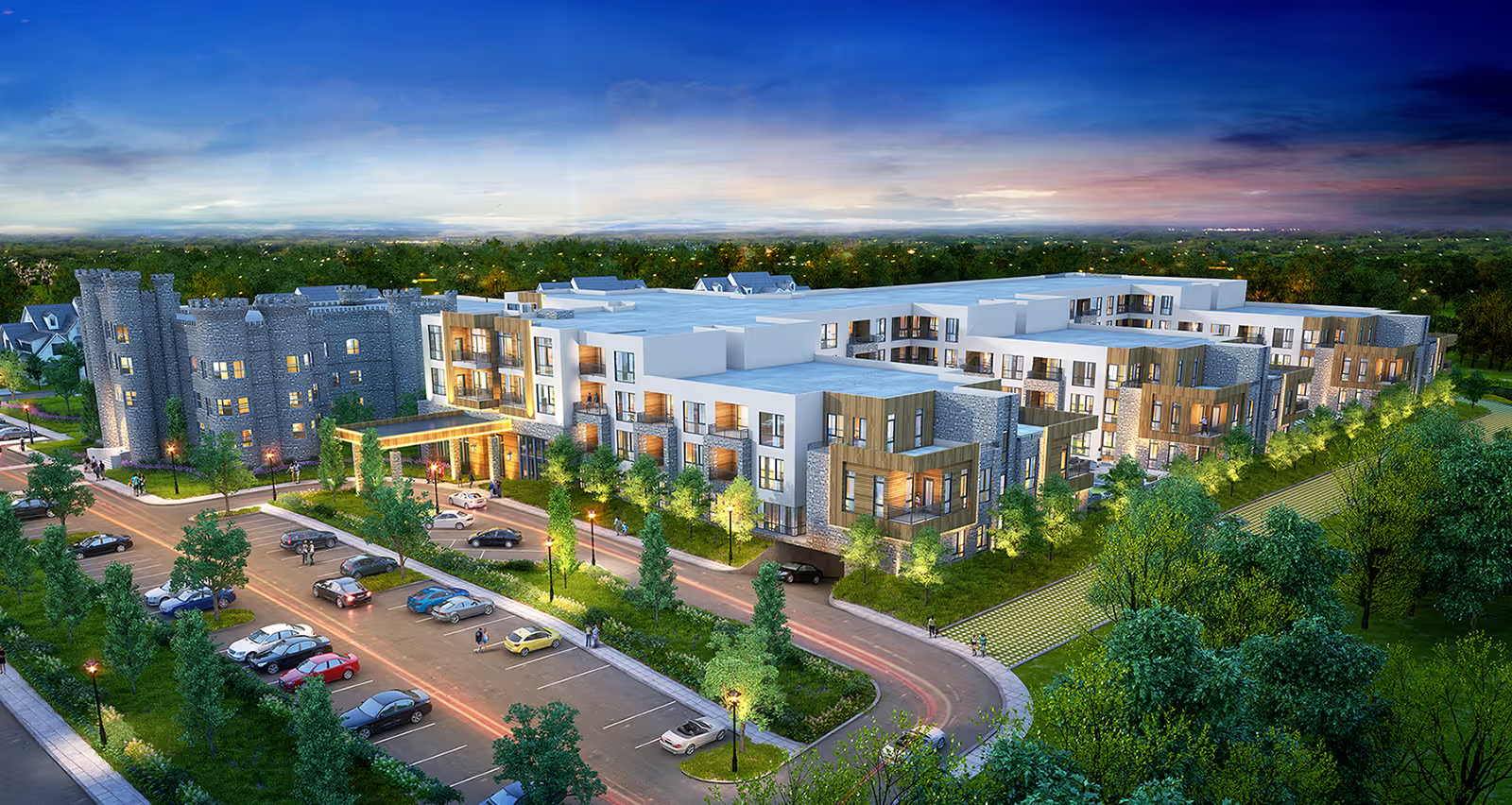
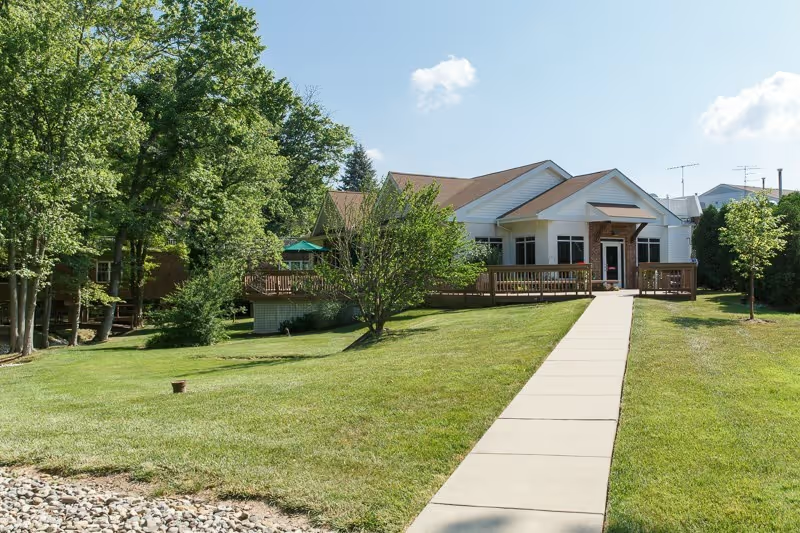
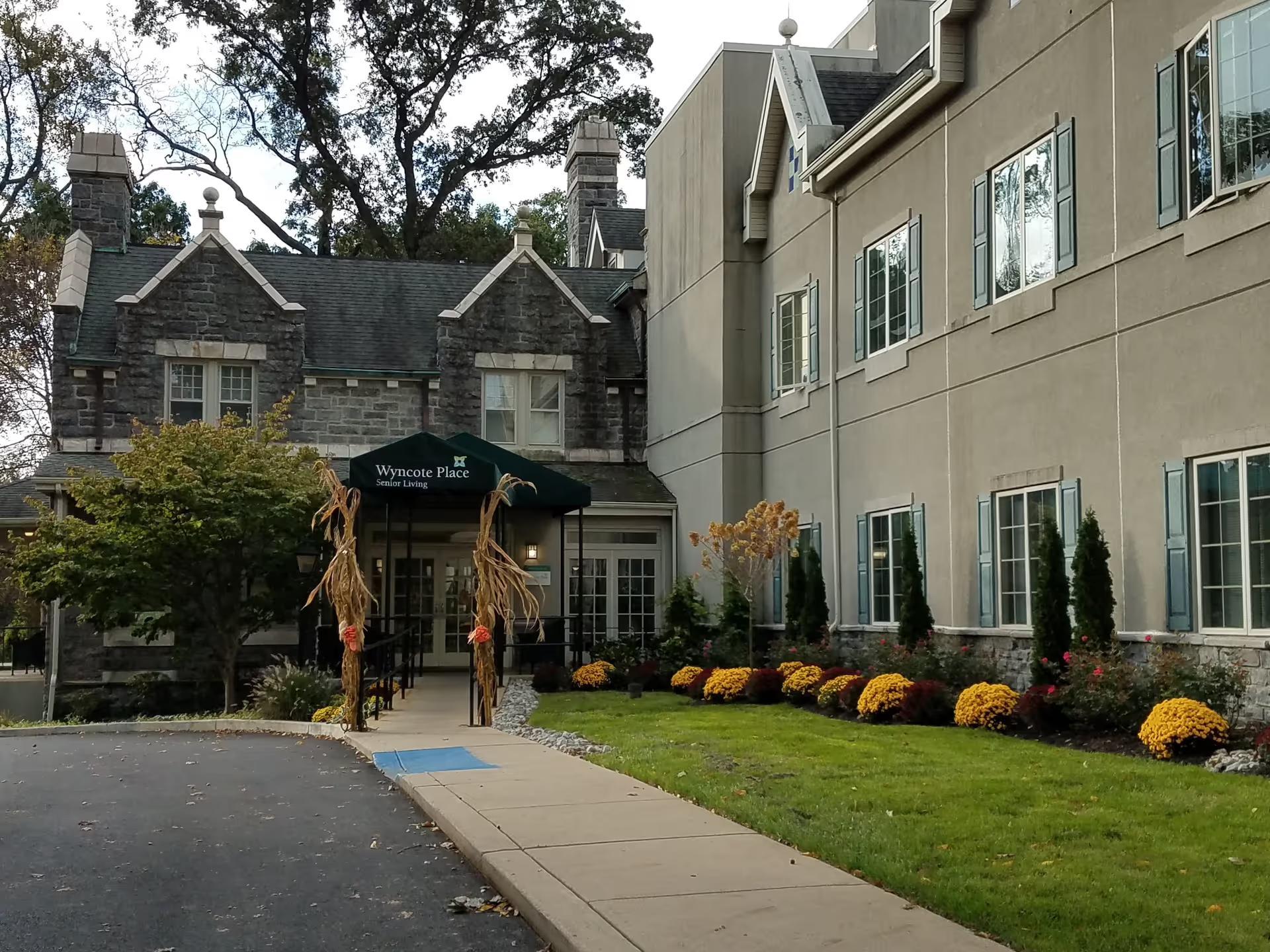
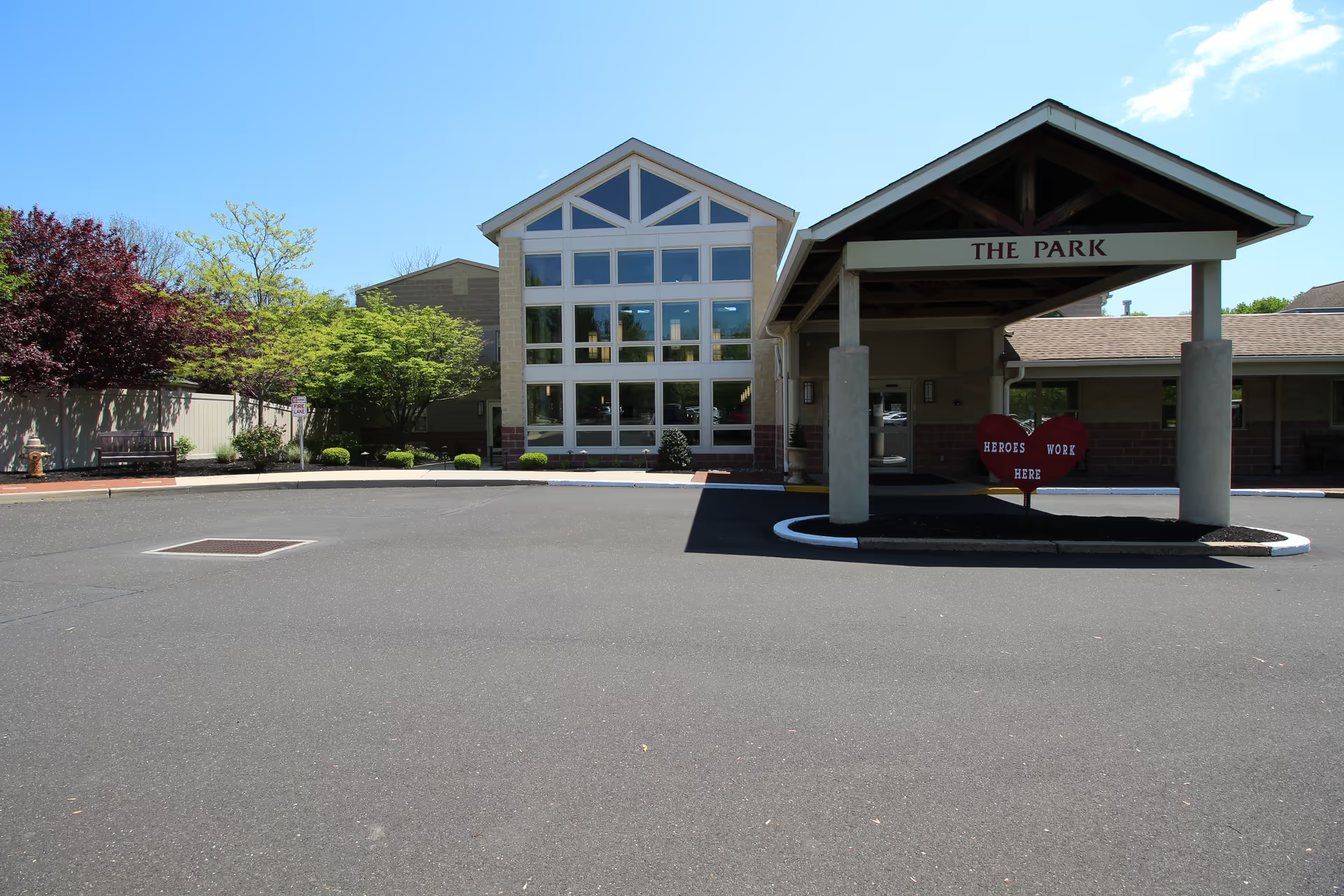
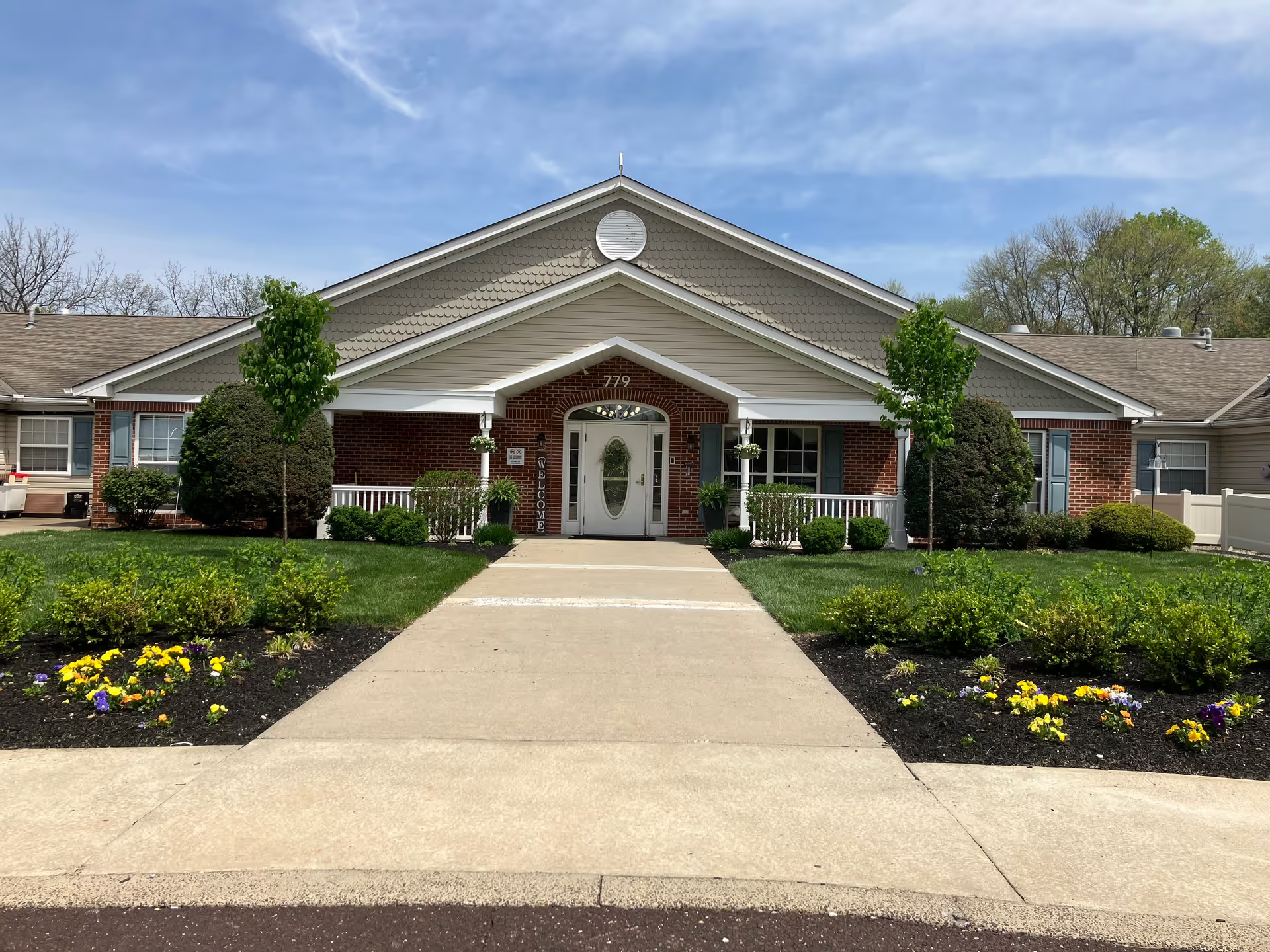
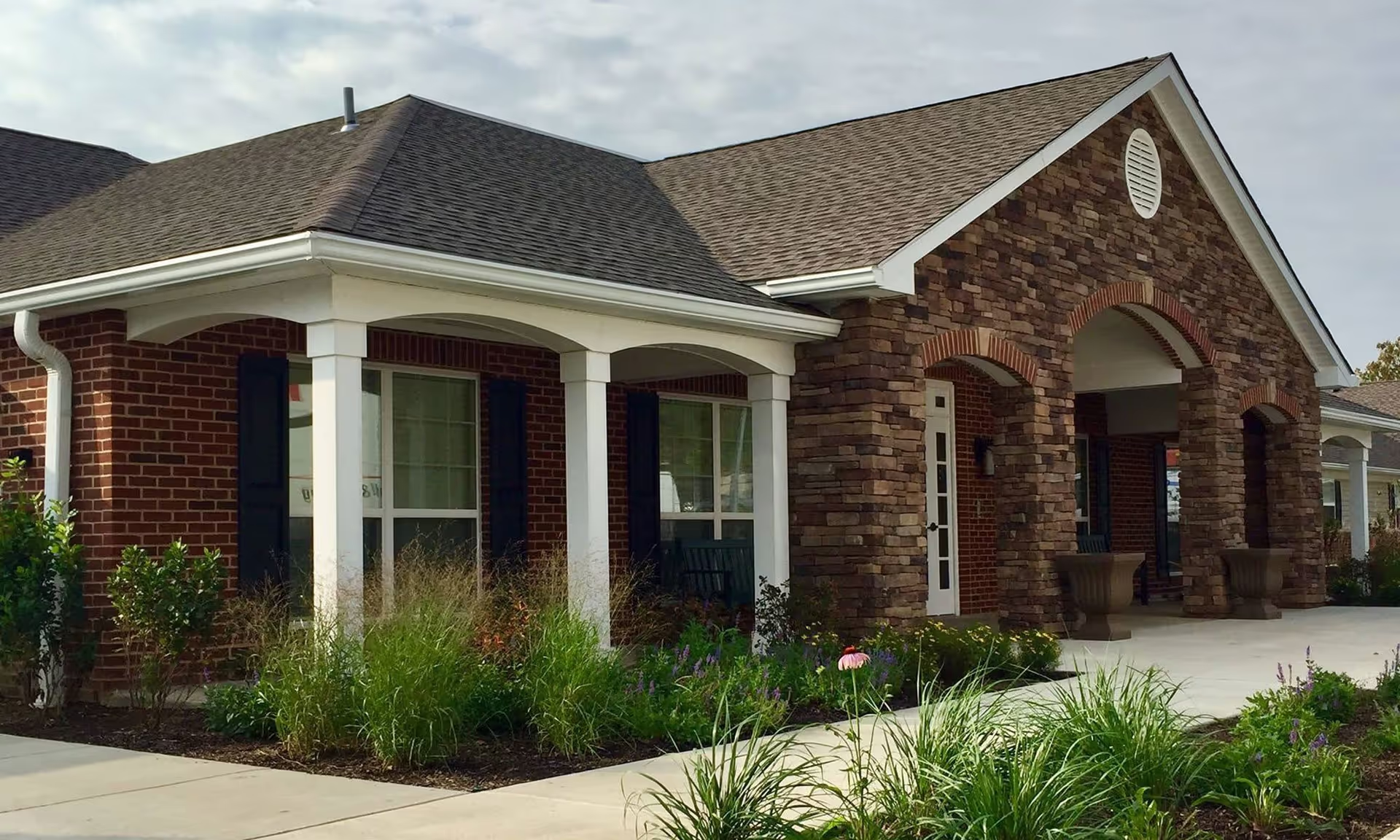
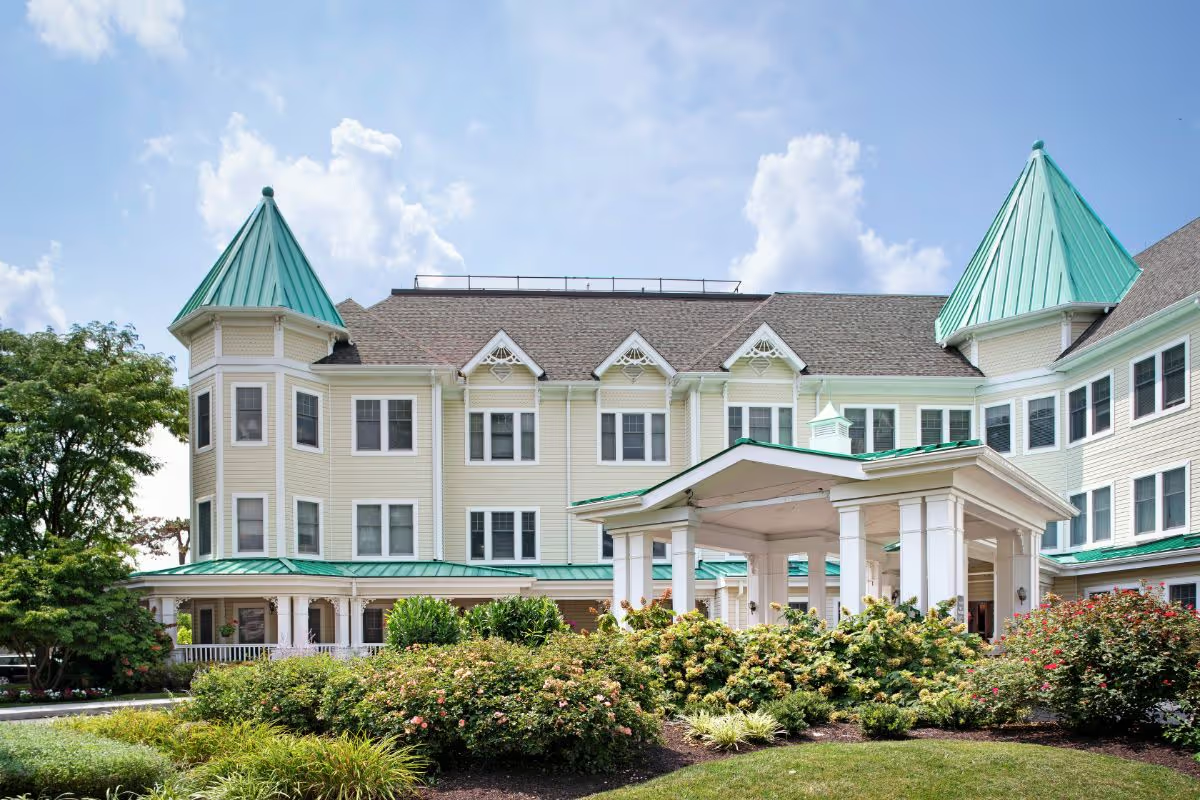
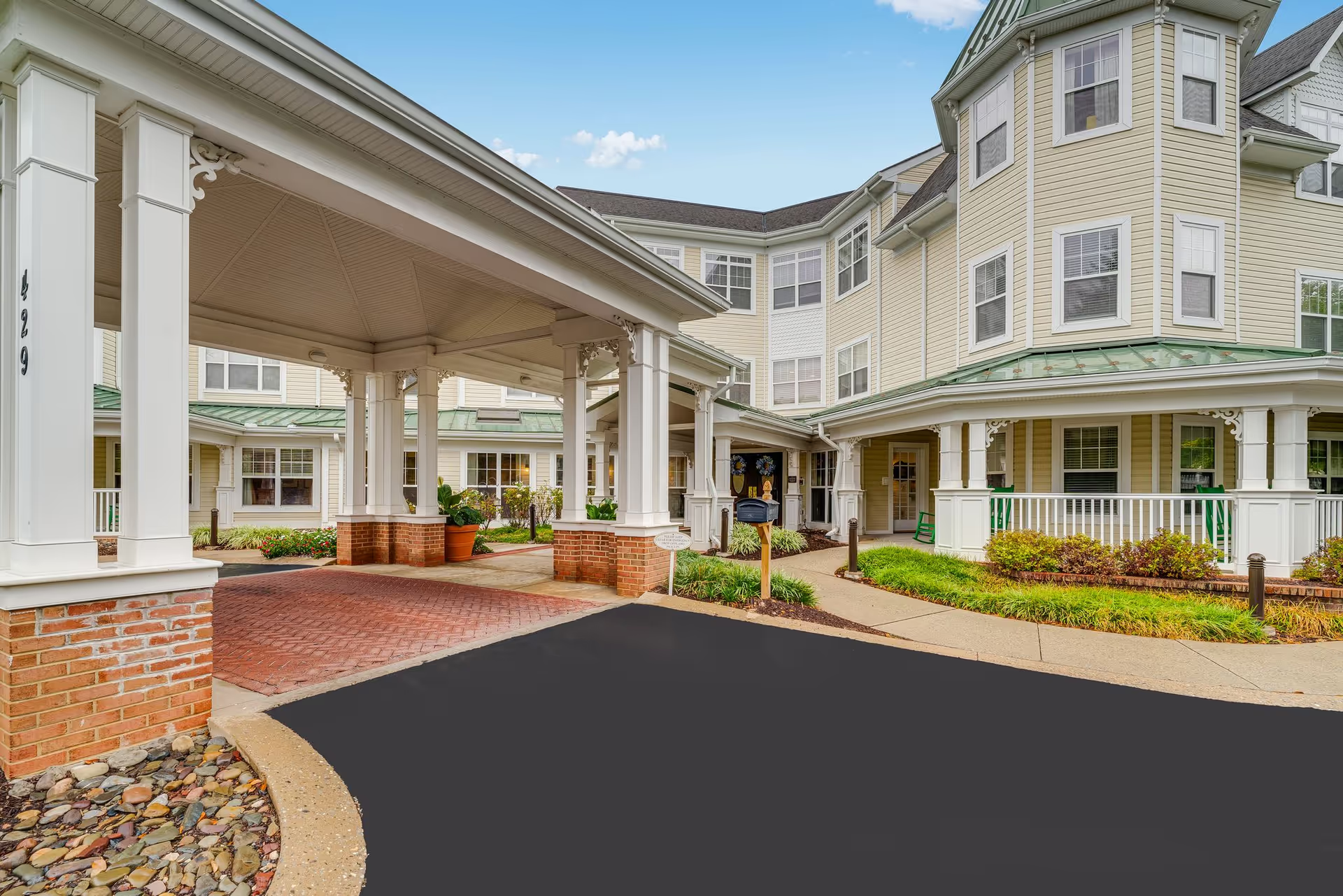
The submitted reviews present a polarized picture of Viva Memory Care at Dresher: many families describe a modern, dementia-focused community with caring staff and strong programming, while others describe operational gaps that have materially affected resident experience. Positive themes include an attractive facility and grounds, specialized memory-care expertise, visible infection-control measures, and families receiving frequent updates and responsive communication from onsite leadership. Seasonal events, chef-driven menu items, and personalized move-in support are cited as meaningful strengths by numerous families.
Care quality and clinical oversight appear inconsistent across experiences. Several families praised attentive, compassionate caregivers and good coordination with hospice and outside therapy services; others raised concerns about medication-administration processes, daytime reductions in resident alertness, gaps in skin- and wound-care management, and responsiveness to night-time incidents. A specific operational pattern is limited clinical coverage in evenings (reliance on med-techs rather than an RN), which some reviewers linked to slower clinical responses. Prospective families should ask about nursing coverage, medication administration protocols, wound-management procedures, and fall-response practices during a tour.
Staffing, supervision, and management are a mixed area. Many commenters highlight individual staff members and executive directors who are proactive, communicative, and compassionate. Simultaneously, high staff turnover and management changes following ownership transitions are recurrent themes associated with declines in continuity of care, activity offerings, and housekeeping. These shifts appear to correlate with variable resident experiences; when leadership and staffing are stable, reviews trend positive. Important operational concerns to probe include staff retention strategies, leadership tenure, and policies for handling staffing shortfalls.
Dining and activities receive both praise and critique. The kitchen and a named chef were commended for special dishes and a more personalized approach to meals, and holiday/party programming is often well attended. Conversely, there are accounts of inconsistent portioning or meal satisfaction and activity availability that seems to depend on staffing levels. Activity quality appears to be stronger when staffing is adequate and when staff are trained in dementia engagement techniques; otherwise engagement can be limited to passive options.
Facility condition is similarly mixed. Many reviewers describe a new, pleasant, well-designed interior and attractive outdoor spaces. At the same time, there are recurring cleanliness and sanitation concerns—including in some private suites and bathrooms—and reports of trash or incontinence-related maintenance lapses. There are also mentions of locked amenity spaces that are not consistently available for resident use. Prospective residents should inspect both private rooms and common-area housekeeping standards and ask about housekeeping schedules, pest/infection-control policies, and access to sensory or spa amenities.
Notable patterns across the feedback are the facility’s specialization in memory care and the variability tied to staffing and management stability. Families who emphasize dementia expertise and compassionate front-line caregivers tend to report positive experiences; families who encountered staffing shortages, management turnover, or lapses in clinical protocols report more significant concerns. For decision-making, recommended questions for a tour include staffing ratios by shift, RN and clinical coverage hours, medication and wound-care protocols, transfer and discharge criteria, property-management practices for resident belongings, housekeeping schedules, the activity calendar and staffing for programming, and a clear breakdown of fees and anticipated increases. A focused tour and direct conversations about these operational items will help clarify whether the community’s current performance aligns with a prospective resident’s needs.