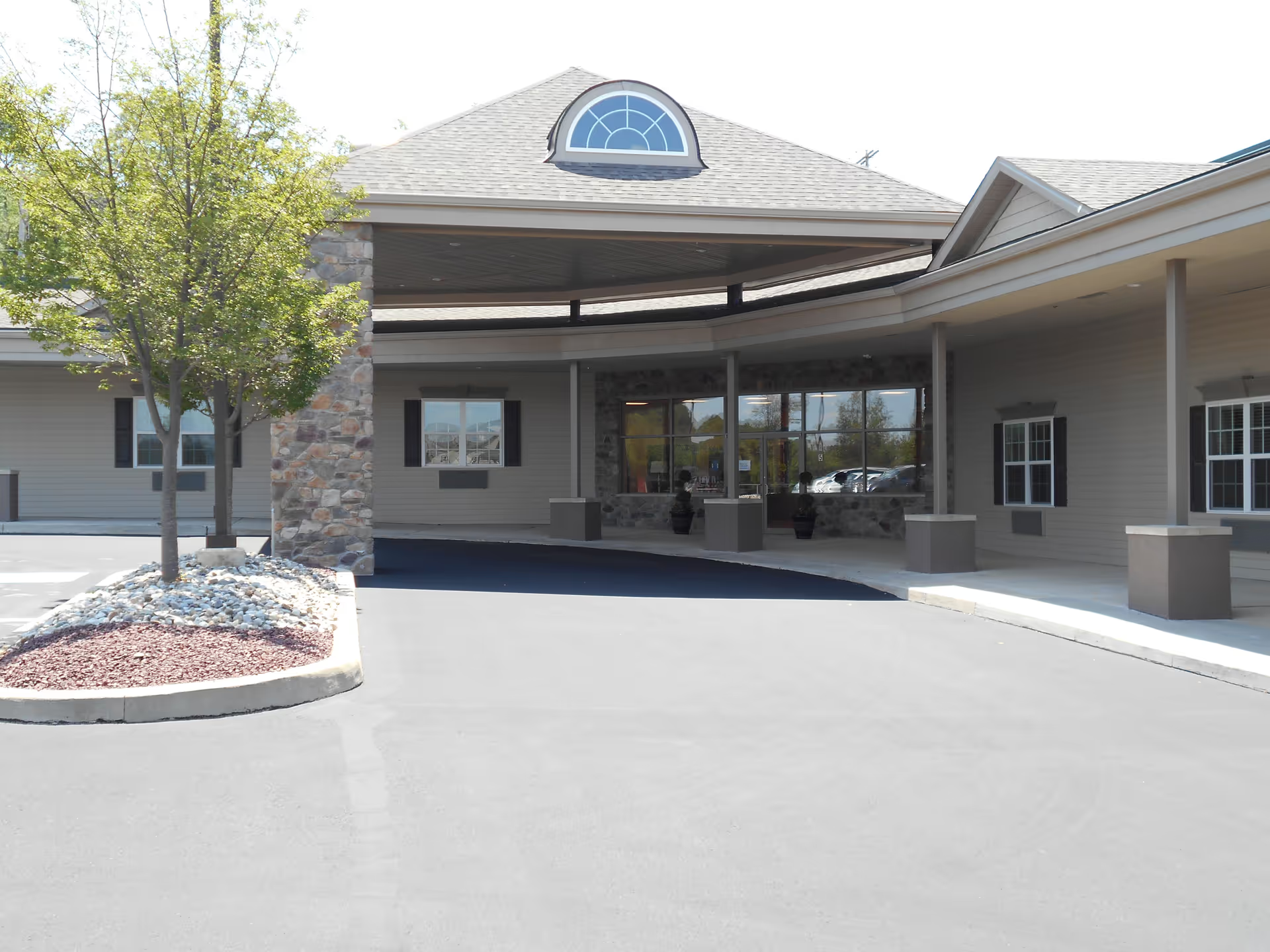
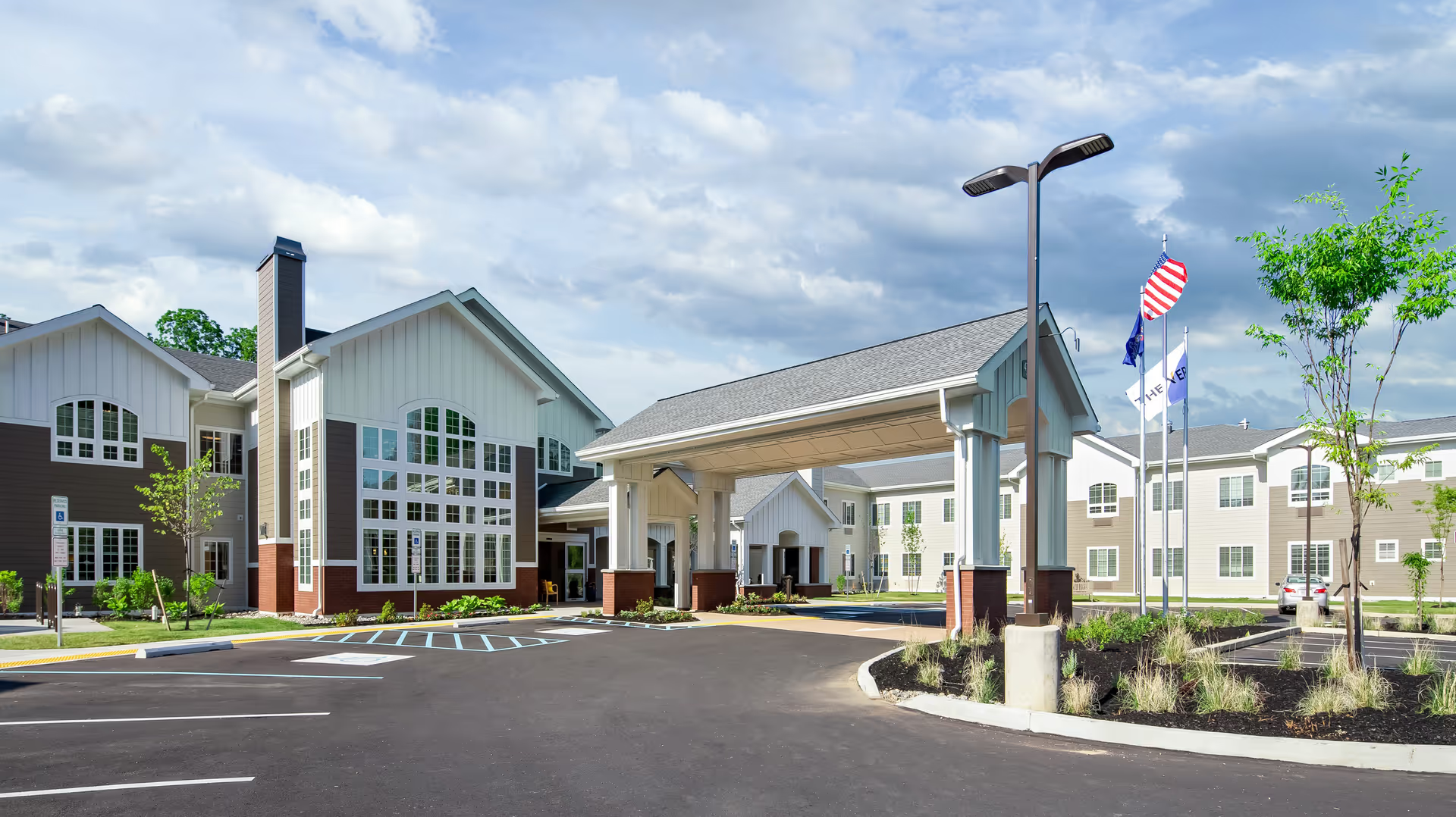
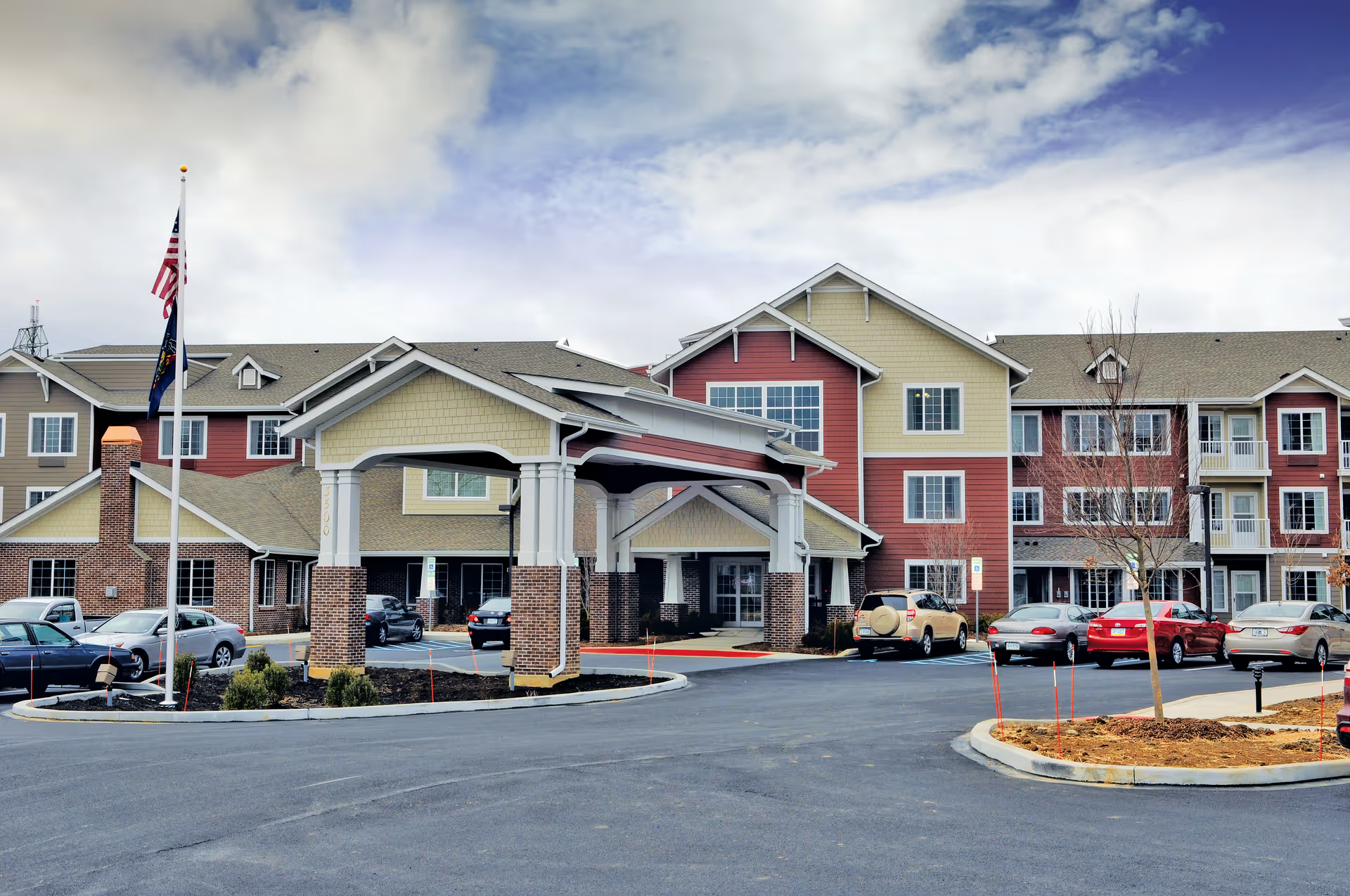
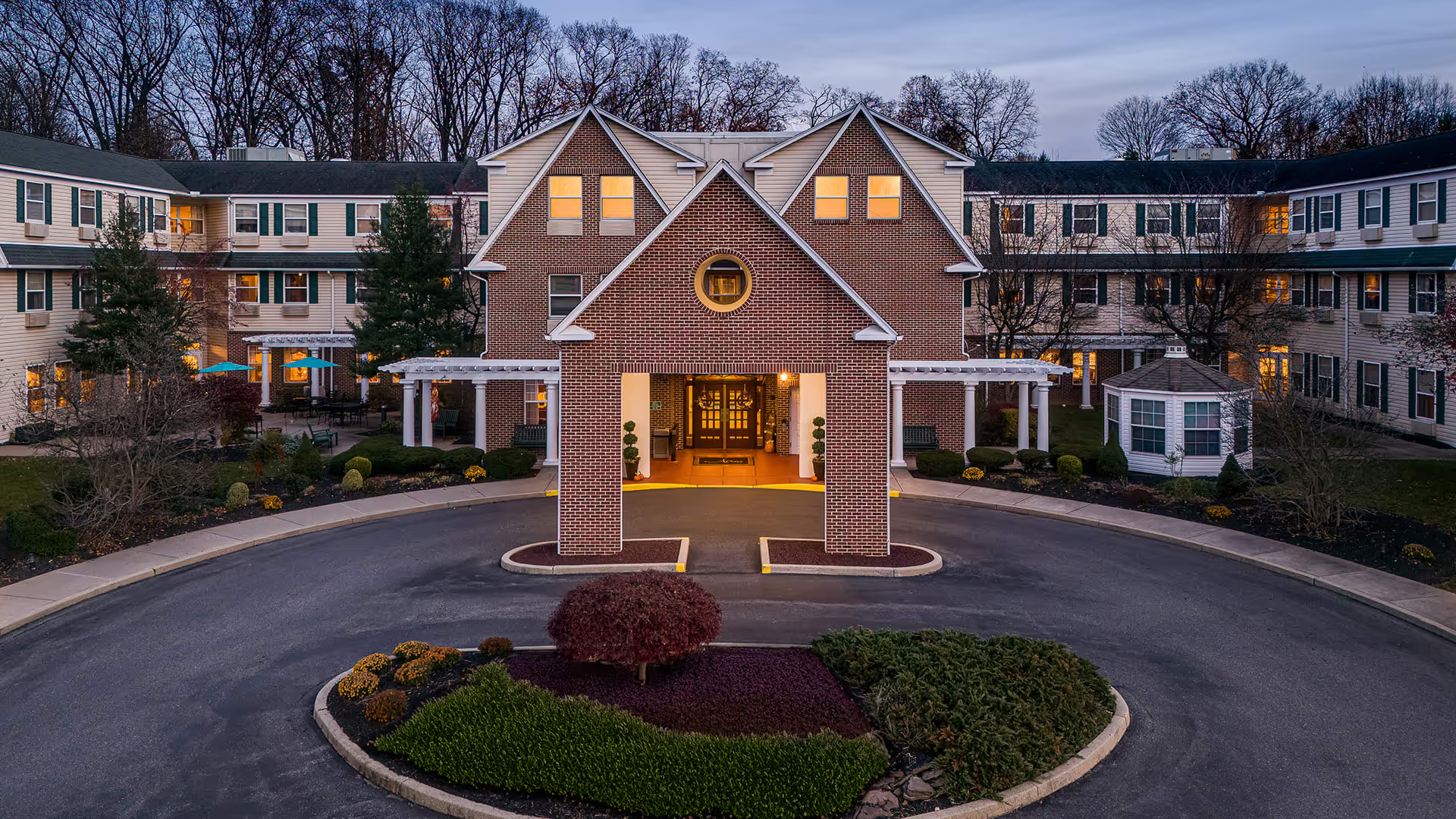
Easton Skilled Nursing and Rehabilitation Center elicits strongly mixed impressions. A recurring, well-documented strength is its rehabilitation program: physical, occupational and speech therapists are frequently praised for clinical skill, coordinated care, and measurable functional improvements that enable many residents to return home. Several named clinicians, therapy teams, and the social-work/admissions staff drew explicit gratitude for individualized planning, attentive follow-up after discharge, and proactive problem-solving for equipment and therapy needs.
Many reviews highlight committed front-line staff — nurses, aides, therapists and reception personnel — who provide compassionate, family-oriented care, engage residents in activities, and attend to personal needs. Dining and activities programs received positive comments from numerous families, and some reviewers described the building as clean and secure with an effective intake/check-in process. Leadership and specific managers were praised in several accounts for clear communication and hands-on oversight.
Counterbalancing those positives, there is a consistent pattern of operational concerns that prospective families should consider. Staffing instability and the regular use of agency personnel were linked in multiple accounts to slow responses to call bells, long waits for assistance, and uneven familiarity with resident histories and medication regimens. Several reviewers described problems with medication timing and coordination with an off-site pharmacy; these issues contributed to pain-management delays in some cases. Reviews also indicate gaps in clinical oversight, including delayed access to physicians or specialists and safety-process weaknesses that coincided with resident falls and related hospital transfers.
Facility- and environment-related issues appear variably across reports. Some families described well-maintained units, while others noted water stains, peeling drywall, mold concerns around vents, aging furniture, and general maintenance delays. Laundry and personal-property management were recurring operational weaknesses, including missing or delayed return of clothing and concerns about secure storage. Dining quality was praised by many but described as inconsistent by others.
Serious systemic concerns were raised by a subset of reviews: allegations of theft and financial misconduct, billing and contract-pricing discrepancies, and instances where families perceived poor administrative responsiveness after adverse events. These are distinct from the routine operational problems described above and were emphasized by reviewers as reasons for formal complaints or state involvement.
In summary, Easton demonstrates clear strengths in rehabilitation therapy, several elements of clinical care, and in staff who are frequently described as compassionate and capable. However, persistent operational challenges — especially staffing consistency, timely response to resident needs, medication/pharmacy coordination, maintenance, property management, and administrative communication — moderate those strengths. Prospective residents and families should perform targeted due diligence during tours: inquire about current staffing ratios and agency usage, medication-administration and pharmacy processes, fall-prevention protocols, property-theft safeguards, recent state inspection findings, and examples of how the facility has addressed maintenance and billing concerns. Viewing specific therapy outcomes and speaking with the therapy and social-work teams can help assess fit for a rehab stay; families considering long-term placement should weigh the facility’s rehabilitation strengths against the operational gaps documented by reviewers.