The reviews describe a facility with a pronounced contrast between its frontline caregiving and its operational systems. Many families and residents praise the direct-care team—nurses, CNAs, and therapists—by name for compassionate, attentive care and effective rehabilitation outcomes. The rehabilitation program (physical, occupational, and speech therapy) is frequently highlighted as a strength, and activities programming (bingo, choir, salon services) and on-site support services are noted as meaningful contributors to residents’ quality of life.
At the same time, there is a recurrent pattern of operational shortcomings that affect resident experience and safety. Medication-administration processes appear to be inconsistent, with several allegations of late or missed doses and reordering problems; this is one of the more serious themes and is associated in some accounts with clinical complications. Staffing variability — including reliance on agency personnel and apparent understaffing at times — contributes to uneven performance, missed personal-care tasks, and delayed responses during busier periods or overnight. Night supervision and monitoring are specifically identified as an area of concern in several accounts.
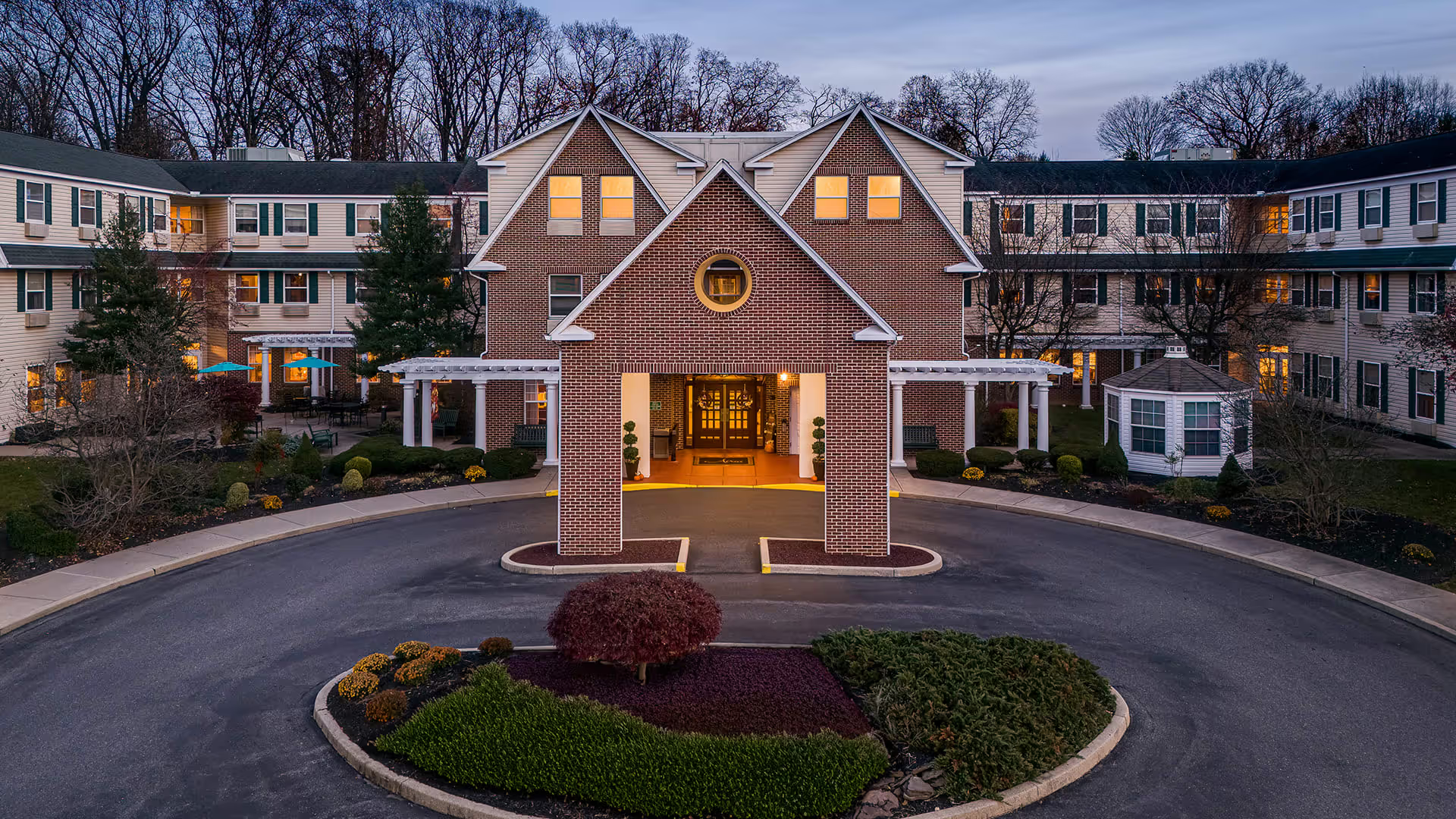
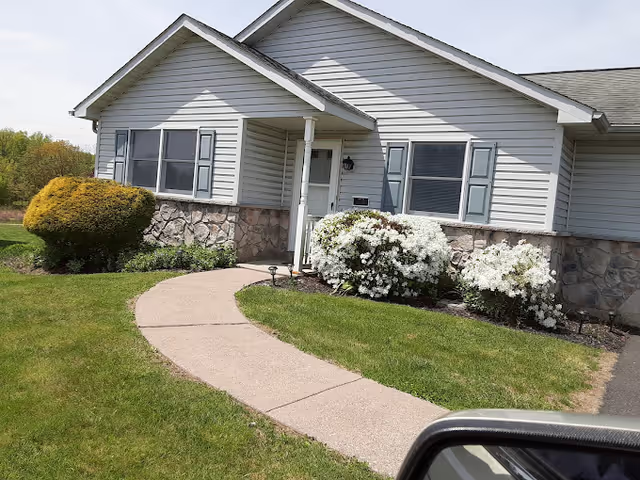
Cleanliness and facility condition receive mixed feedback: some reviewers describe clean, hotel-like common areas and effective maintenance, while others describe unit-level sanitation concerns, peeling finishes, and inconsistent housekeeping performance. Dining quality is similarly variable; some residents found meals satisfactory while others described bland food, limited options, or dietary-accommodation lapses. Activities and social programming are generally viewed positively and are seen as a reliable strength of the facility.
Management and administrative responsiveness emerge as another recurrent theme. Families cite difficulty getting timely responses to calls, problems with discharge coordination, and billing or paperwork issues. There are also comments about variability in supervisory follow-through when clinical or operational issues are raised. These communication and process gaps appear to amplify the impact of staffing and medication-related weaknesses.
Taken together, the pattern suggests that prospective residents and families are likely to encounter excellent individual caregivers and strong therapeutic support, but the experience may depend heavily on which unit, shift, or staff are assigned. For families considering this facility, recommended due diligence includes asking about current staffing levels and use of agency staff, reviewing medication-administration protocols and audit practices, touring specific units to assess cleanliness and maintenance, confirming dietary accommodation processes, and meeting the unit leadership to understand communication and escalation pathways. Those who observed positive experiences emphasize the dedication and compassion of bedside staff; those with concerns point to systemic operational lapses that should be clarified before admission.