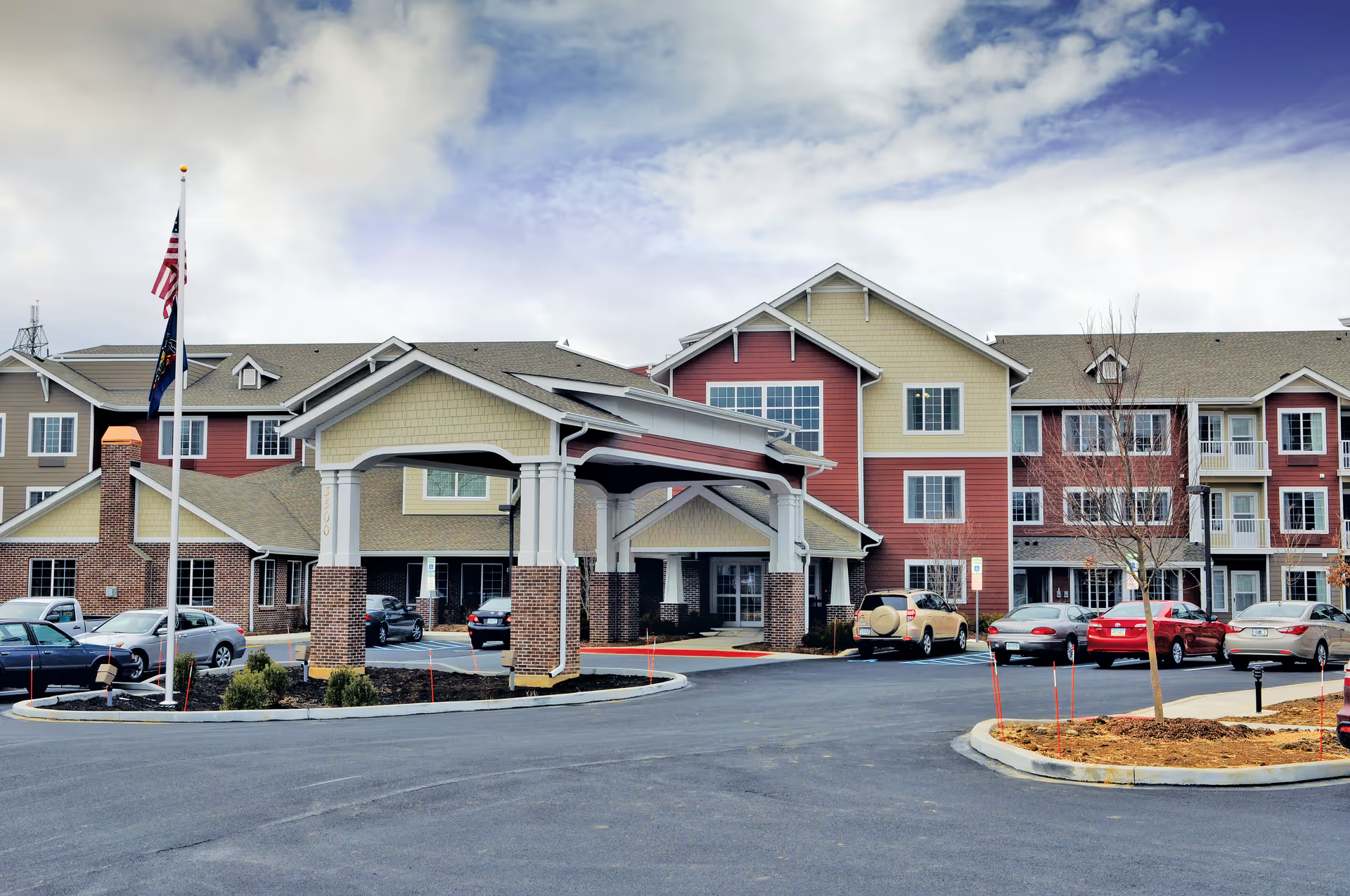
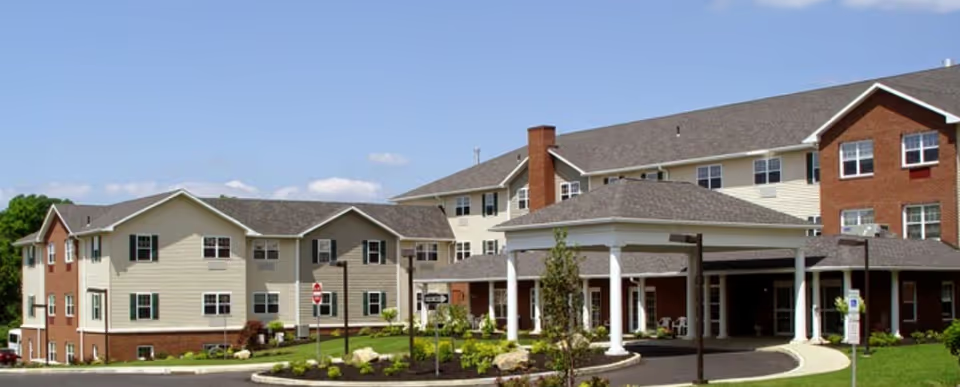
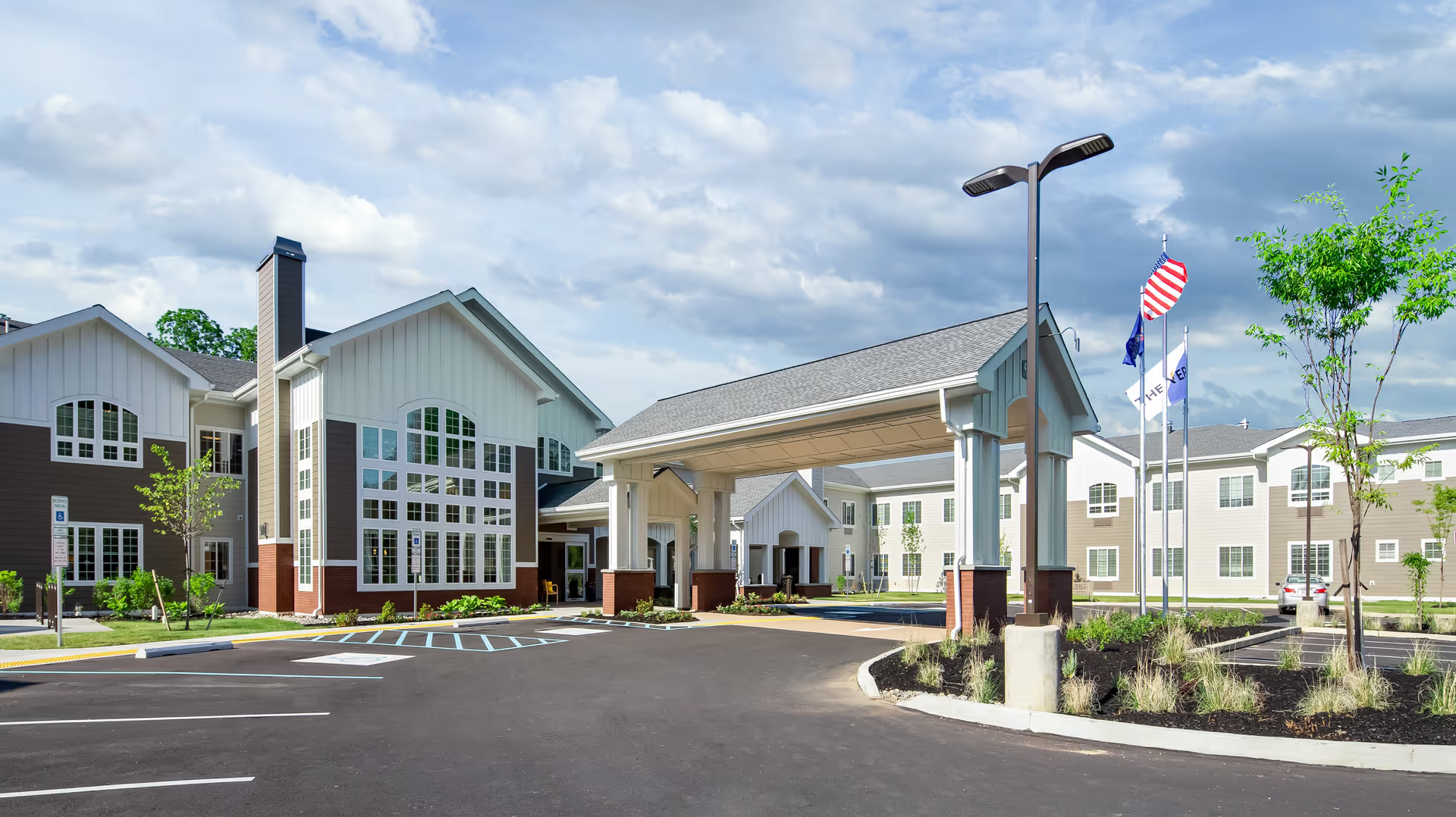
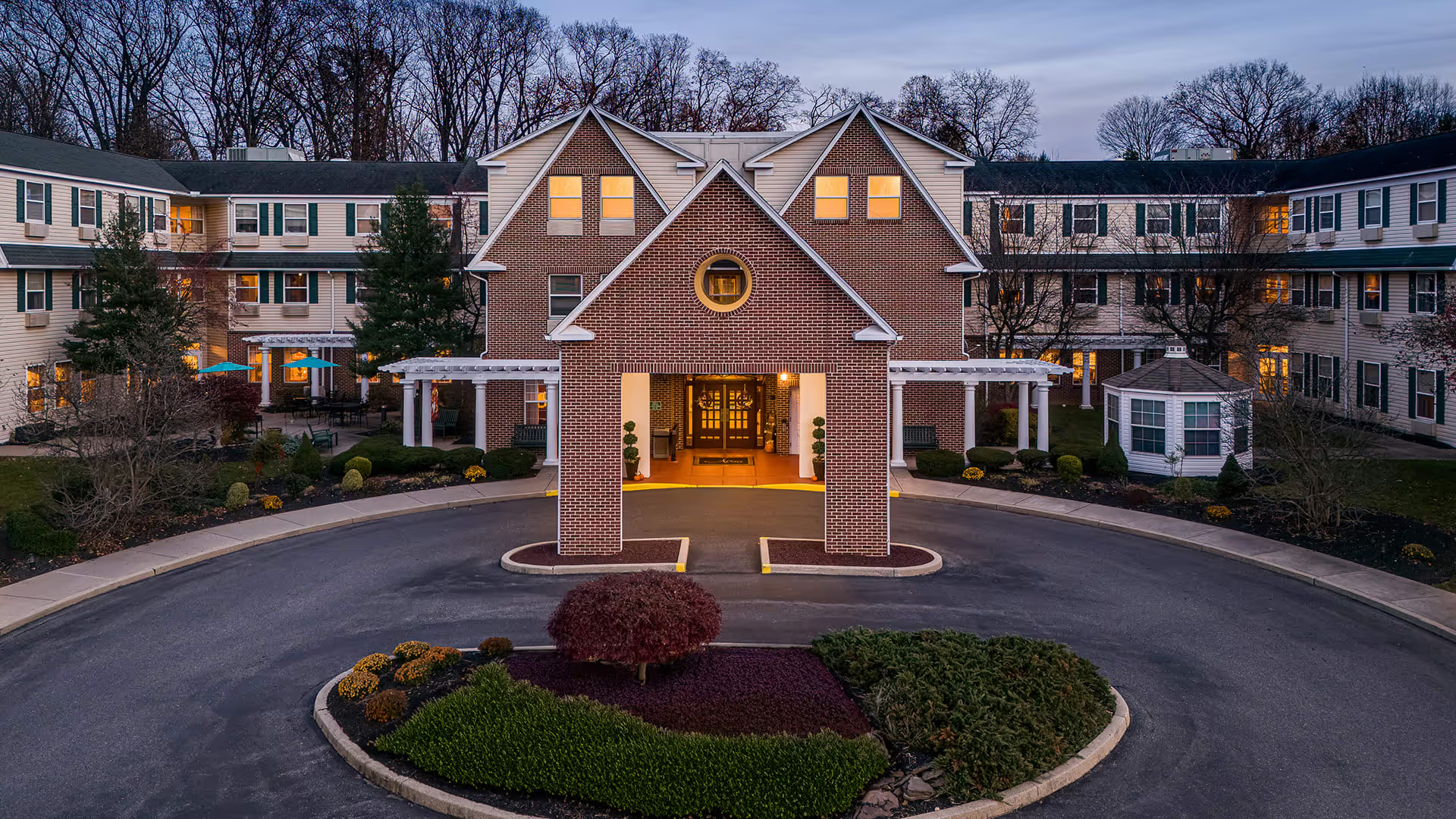
Overall impression: The Birches of Lehigh Valley is a recently built, well-maintained community with a bright, home-like interior that many families find attractive. The campus and rooms are frequently described as spacious and clean, and reviewers commonly note a pleasant aroma and orderly common areas. Onsite clinical resources — including primary care practices, podiatry, dental services beginning, and rehabilitation — are a notable operational asset that supports continuity of care for residents.
Care and staff: The dominant theme is strong, compassionate frontline staff and an engaged nursing and caregiving team. Numerous accounts praise individual staff members and med techs by name for attentiveness, warmth, and effective coordination during transitions such as hospice. Resident-life personnel are also repeatedly identified as proactive, with personalized invitations and regular programming that increase engagement, especially in memory care. At the same time, there are consistent operational concerns: high staff turnover, episodes of inconsistent attentiveness during care tasks, and variability in clinical quality across different units. These patterns suggest the community can provide excellent individualized care but that consistency depends on current staffing and leadership stability.
Dining and amenities: Dining receives mixed feedback. Several families praise good portions, variety, and improvement in meal presentation, while other accounts point to declines tied to dining leadership changes and instances where menu execution fell short of expectations. Amenities such as large communal spaces, ample activities, and on-site therapy are frequently highlighted as strengths. Memory-care programming is characterized as particularly active and attentive compared with some other units.
Management and operations: Reviewers describe an organization going through leadership changes and growing pains. Executive-level turnover and changes in dining leadership have been called out as contributors to inconsistency in service delivery. Communication gaps with families and between shifts are another recurring operational weakness; these manifest as delayed responses to concerns and uneven follow-up on complaints. Additionally, some accounts raise serious medication-safety concerns; these are framed as allegations and should be investigated further by prospective families during tours and intake conversations.
Patterns and suitability: The facility appears well suited to independent and assisted residents who value a clean, attractive environment, active programming, and on-site clinical resources. Prospective residents who require highly consistent, medically intensive care should weigh reported variability in clinical consistency and staffing stability. Families that placed residents here often highlighted specific staff members and the Resident Life team as differentiators, while critical comments tend to focus on organizational consistency rather than the physical environment.
Practical considerations for families: When evaluating The Birches, confirm current leadership and dining-management status, inquire about staff turnover rates and continuity for direct caregivers, ask for examples of how the community handles communication and complaint follow-up, and discuss medication-safety and documentation practices. Also consider asking for a recent activity calendar and samples of meal menus to assess whether current operations align with the positive experiences many families describe and to identify any lingering operational issues noted in feedback.