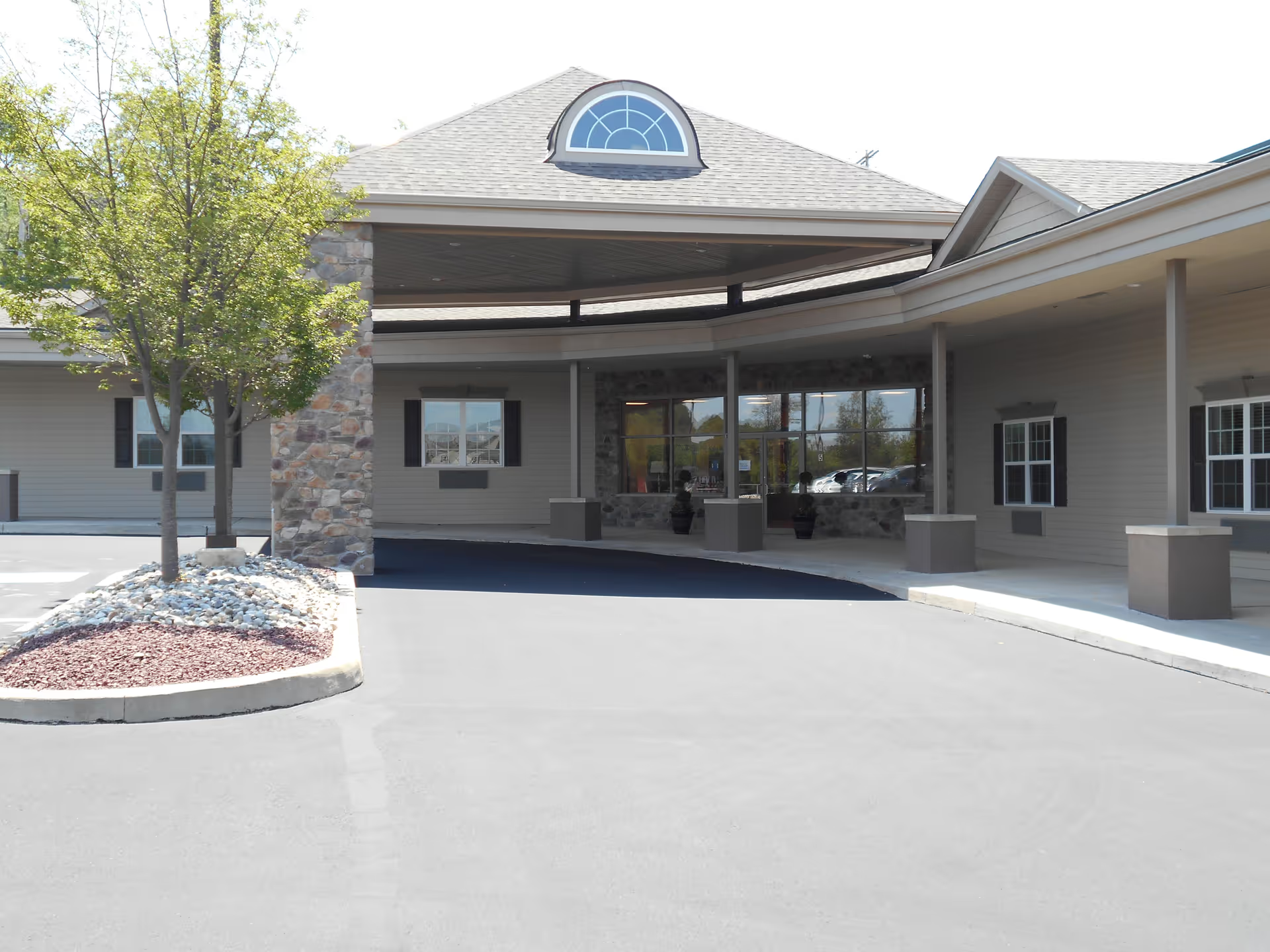
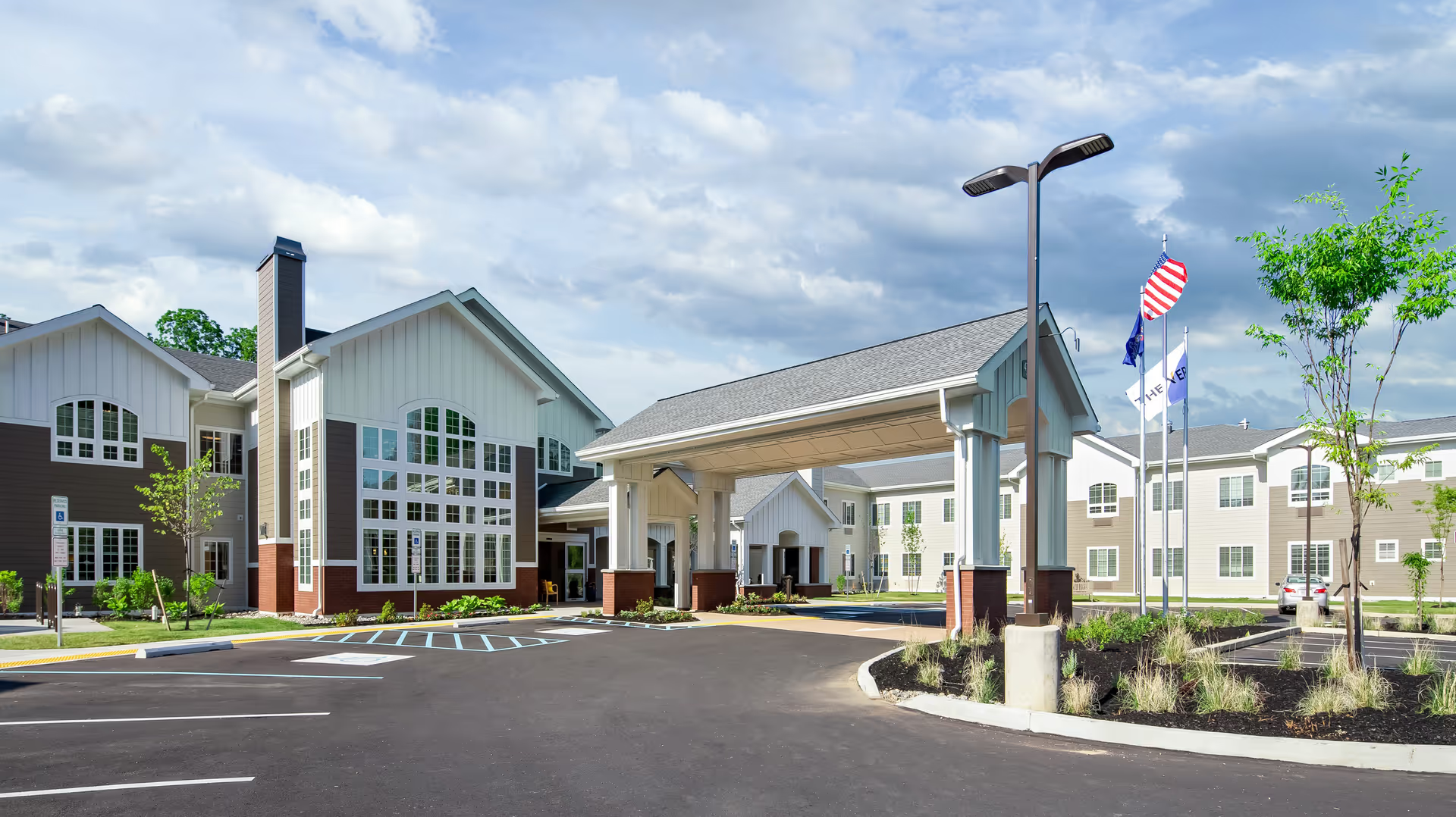
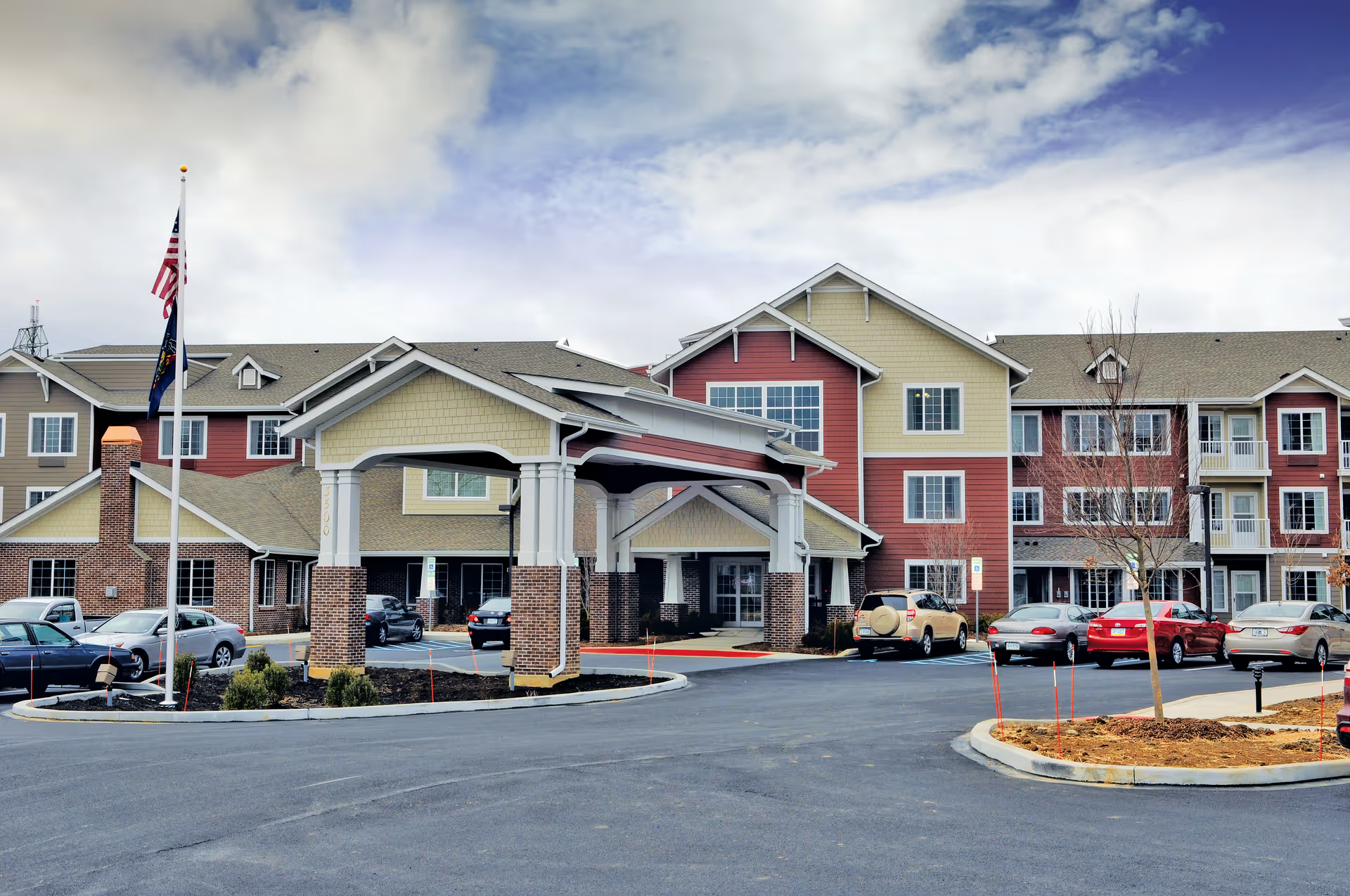
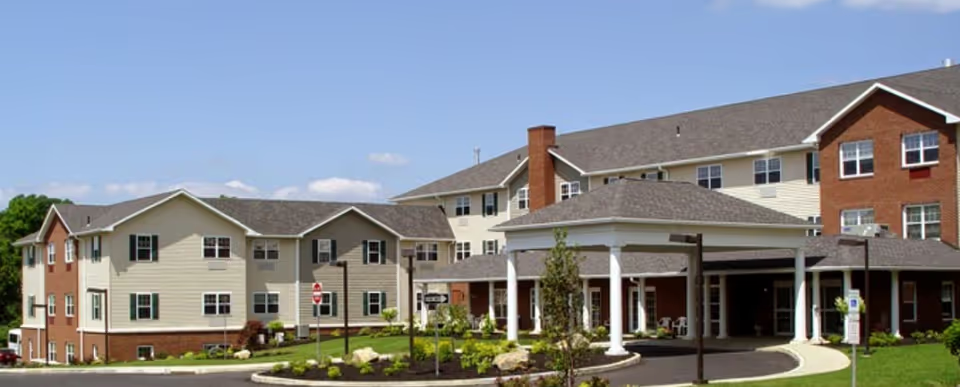
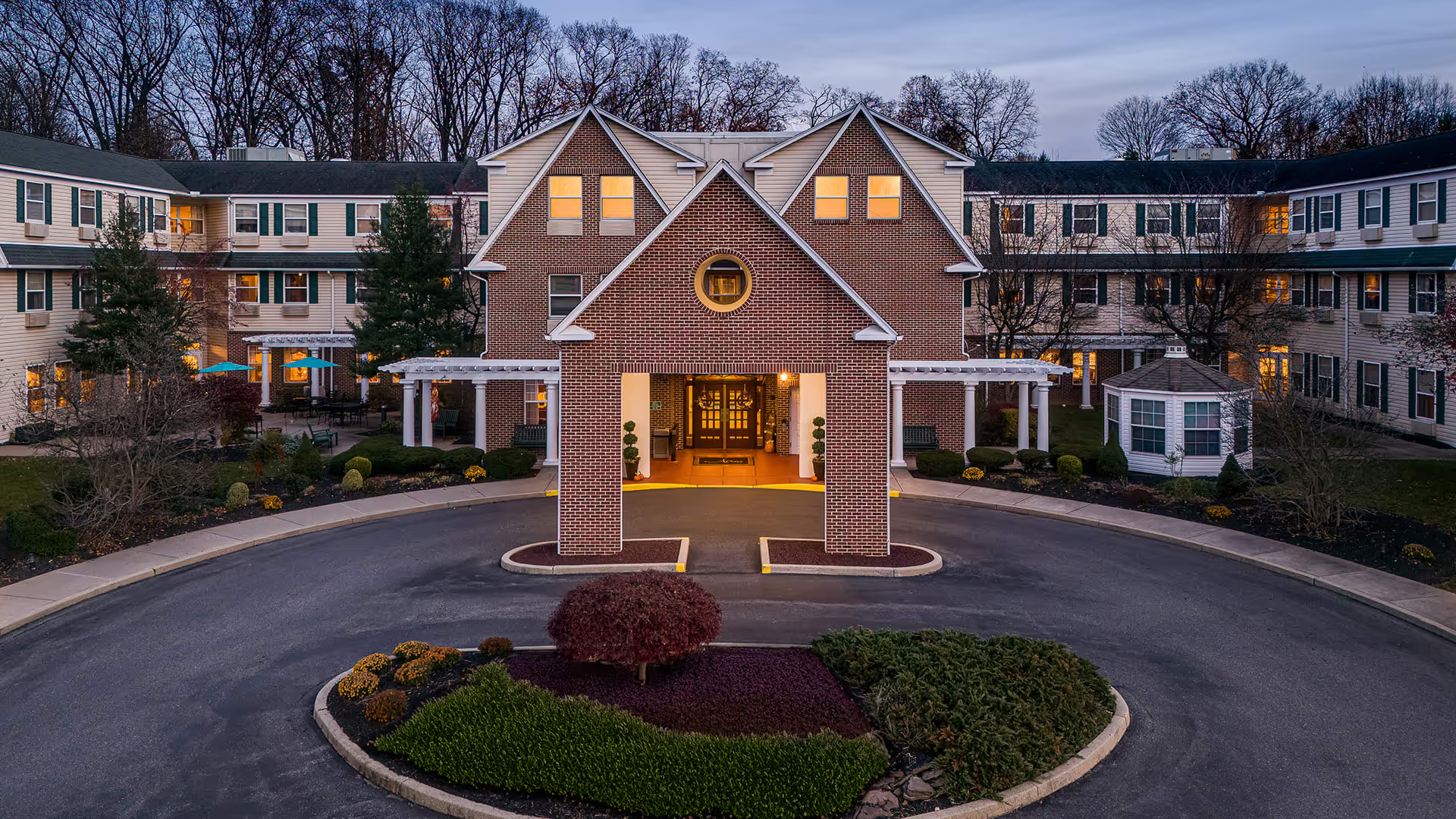
The reviews for The Gardens at Easton are markedly polarized, with distinct clusters of positive and negative experiences. On the positive side, many families and residents describe compassionate, dedicated caregivers and nurses, effective therapy services, and strong wound-care expertise. The facility appears able to support short-term rehabilitation goals and safe returns to the community for some residents. Several accounts highlight a family-like atmosphere, active programming, pleasant outdoor grounds, 24-hour staff presence, and effective transition/social-services support in certain cases.
Conversely, a substantial set of concerns emerges around operational consistency. Staffing levels and responsiveness are frequently cited as uneven, with delayed responses to call bells and slow attendance to clinical needs. Reviewers raise sanitation and maintenance issues in particular areas (including odor concerns, mold, and pest-control issues), inconsistent housekeeping and laundry practices (lost or delayed clothing), and a sense of dated or insufficiently maintained infrastructure. Food service is described as inconsistent with limited variety and quality issues in some reports.
Clinical and safety-related patterns are also notable. Several accounts allege gaps in medication management, delays in addressing basic device care, and inconsistencies in infection-control practices. Rehabilitation experiences are mixed: some families praise therapists and outcomes, while others report insufficient therapy intensity or misdirected therapy focus. Communication with families and access to in-room phones or TVs appear inconsistent, and asset-control practices related to residents' belongings raise repeated concerns. Finally, a subset of reviews raises serious administrative issues, including perceived corporate cost-cutting and allegations related to billing and guardianship practices.
Taken together, the pattern suggests a facility with meaningful strengths in clinical specialties and staff commitment but with uneven execution across housekeeping, maintenance, administrative oversight, and some core clinical processes. Prospective residents and families should consider in-person visits, targeted questions about staffing ratios, infection-control policies, laundry and belongings procedures, medication-reconciliation and device-care protocols, therapy schedules and intensity, and billing/guardianship safeguards. Observing meal service, inspecting room maintenance, and asking for examples of recent quality-improvement actions from leadership may help clarify current operational performance and whether recent concerns have been addressed.