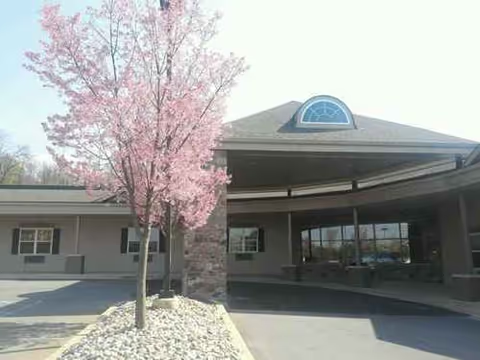
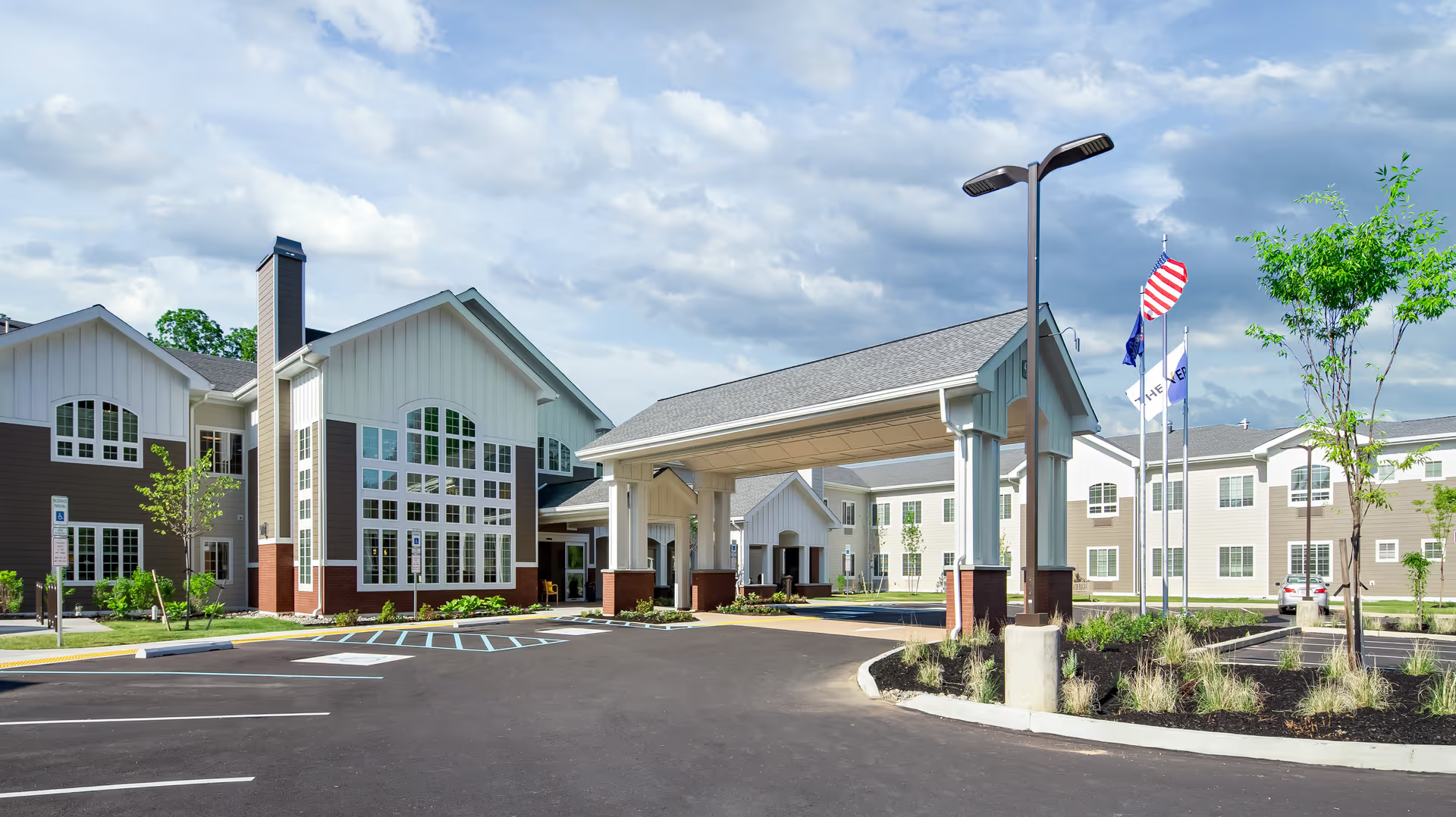
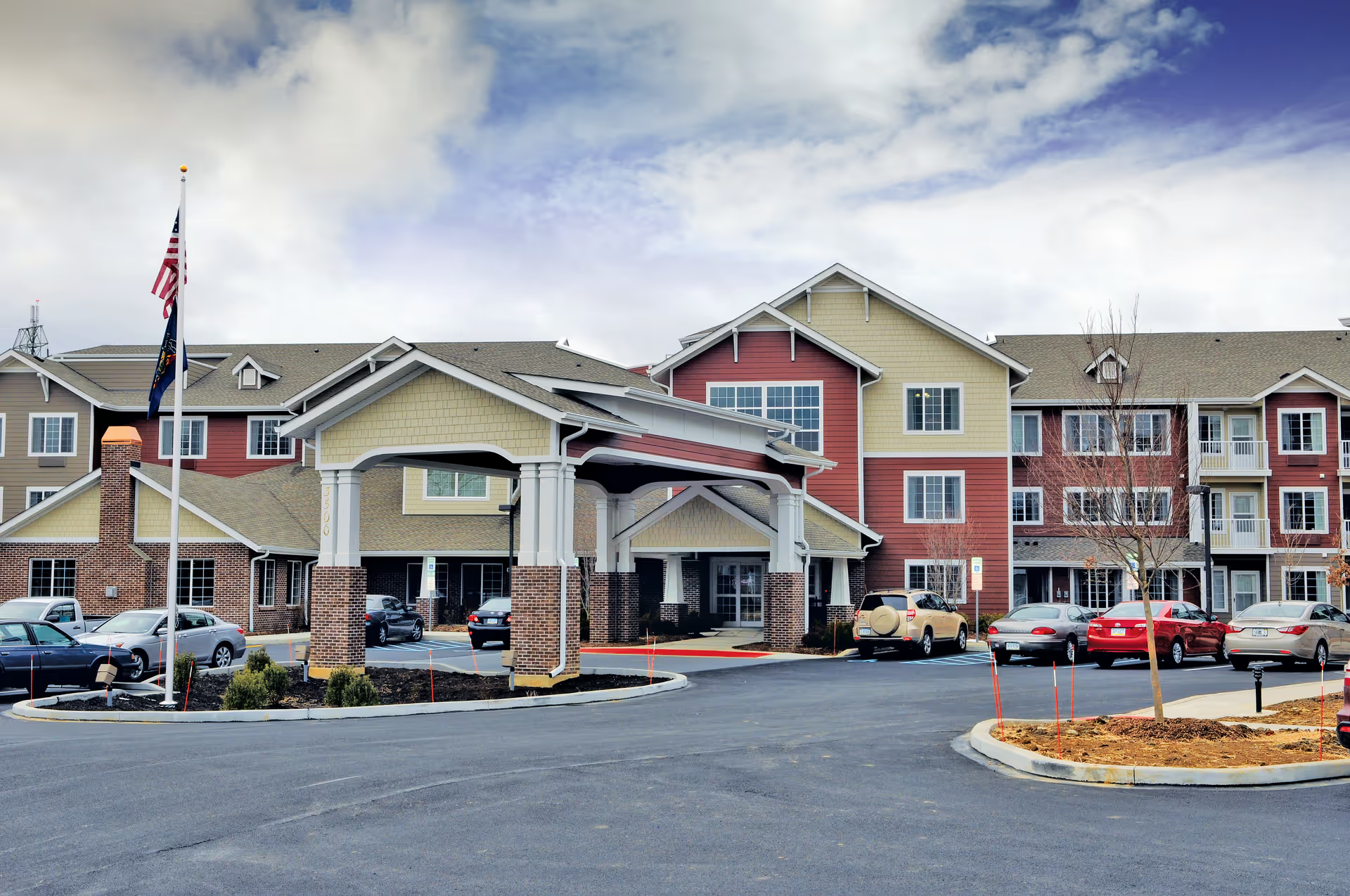
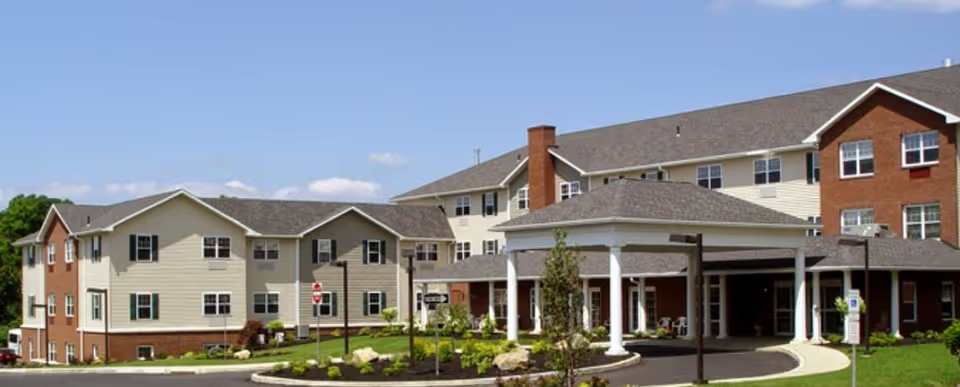
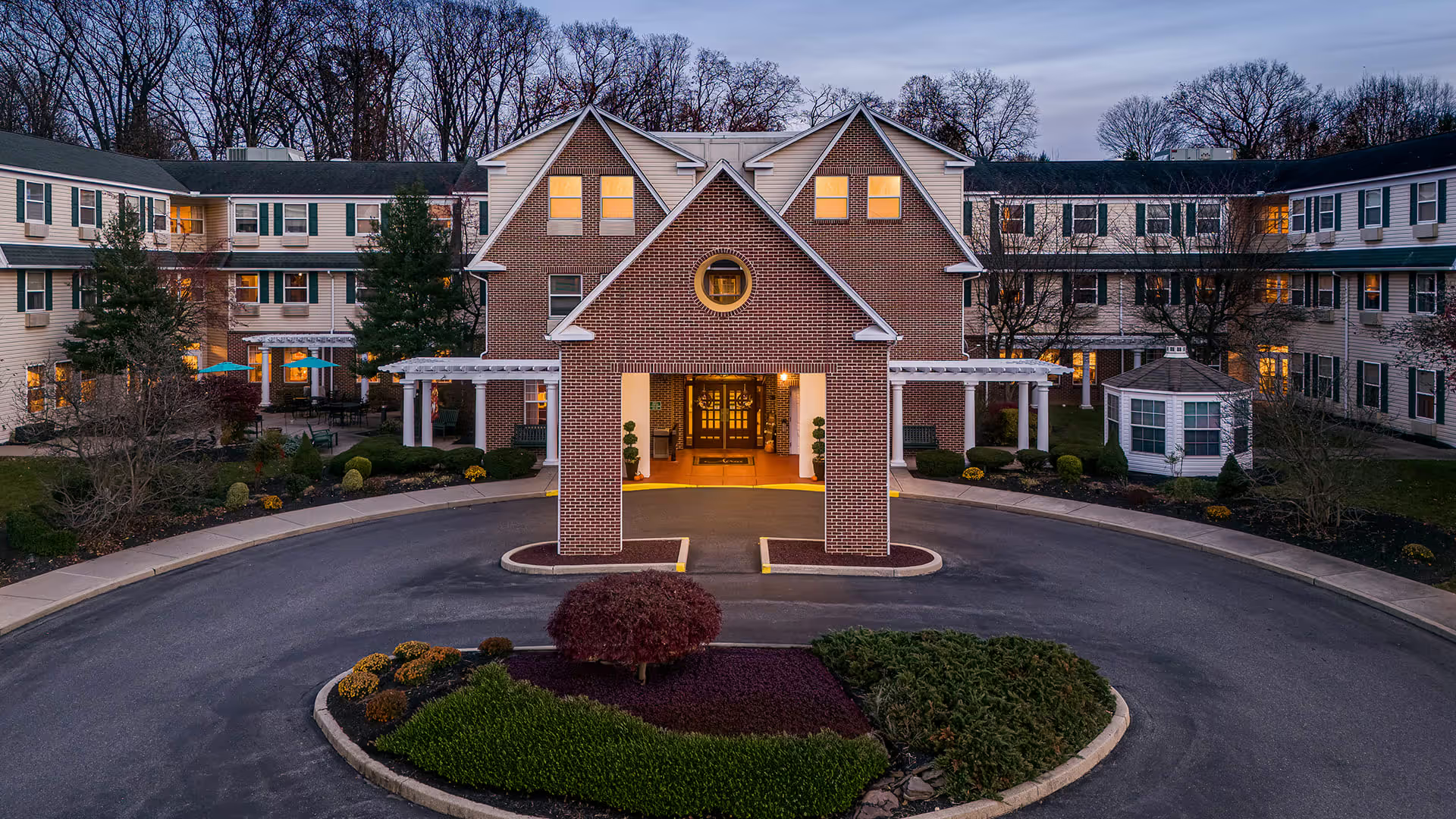
The Gardens for Memory Care at Easton elicits a strongly mixed set of impressions. Many families and visitors praise the facility's dementia focus, describing a caring, family-like culture led by engaged nursing leadership and attentive CNAs. Reviewers frequently highlight compassionate caregiving, supportive social-work involvement, active programming designed for memory-care residents, and friendly dining staff. The building and grounds receive favorable mention at times, including a pleasant outdoor patio and river views that can support resident engagement.
Care and clinical practices present a divided picture. Positive comments emphasize individualized, affectionate attention from direct-care staff and a director of nursing who is visible and involved. At the same time, multiple concerns point to operational gaps: inconsistent medication-administration practices, delays in attending to toileting and hygiene needs, and lapses in supervision and resident-handling that can lead to safety issues. Families should be mindful of how the facility documents clinical procedures and handles medication and transfer protocols.
Dining and activities are similarly mixed. Several reviewers commend engaging activities and staff efforts to promote residents’ quality of life. Kitchen and dining staff are described as friendly and helpful by some families. However, others describe inconsistency in meal quality and in how meals are delivered, as well as odor concerns in dining and restroom areas. Prospective families may want to inquire about menu consistency, special-diet handling, and meal-service continuity.
Facility-condition concerns recur across accounts. While parts of the building are described as welcoming and secure, there are repeated sanitation and linen-management concerns in resident rooms and common areas, as well as pest-control issues in some locations. Overcrowding and room density — including multi-occupancy rooms with limited personal space — are raised as a structural issue that can affect privacy and comfort. Access to fresh air and outdoor time is described as limited in some reports.
Management and communication emerge as important patterns. Some families describe responsive, communicative staff and leadership; others report miscommunication, organizational disarray, delays responding to requests, and staff turnover. There are also serious operational allegations in a few accounts, including missing personal items and concerns about property/financial handling. These are notable and warrant direct inquiry during a tour or conversation with administrators.
Given the polarized feedback, recommended next steps for prospective residents and families include: touring the facility during multiple times of day, asking about staffing ratios and float coverage, requesting written policies on medication administration, infection control, pest control, linen management, and resident supervision, and confirming room occupancy options and privacy practices. Also ask about language services, complaint resolution procedures, and recent regulatory or inspection findings. These targeted questions can help families weigh the facility’s strengths in dementia-focused, compassionate caregiving against the operational and facility-level concerns some reviewers have described.