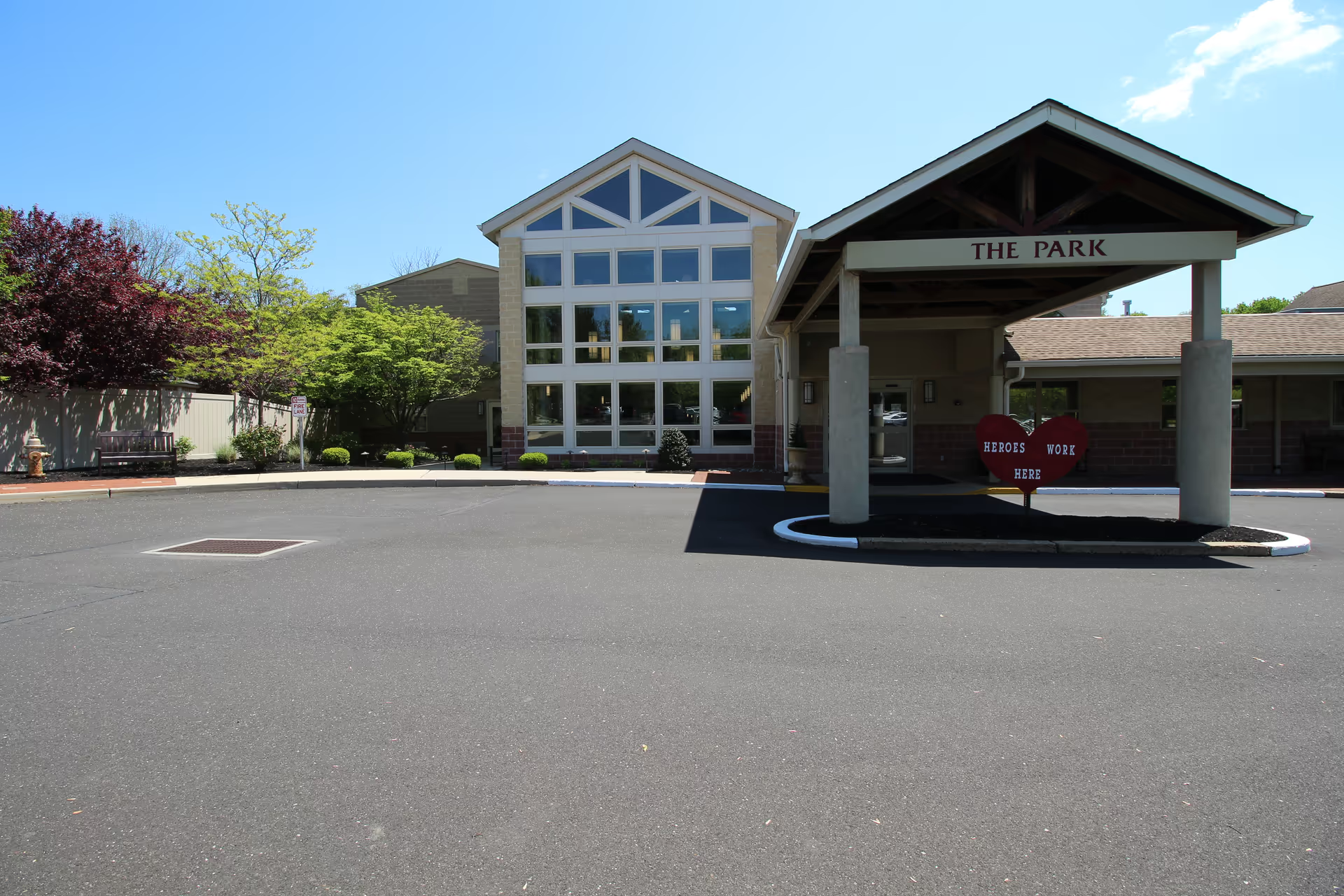
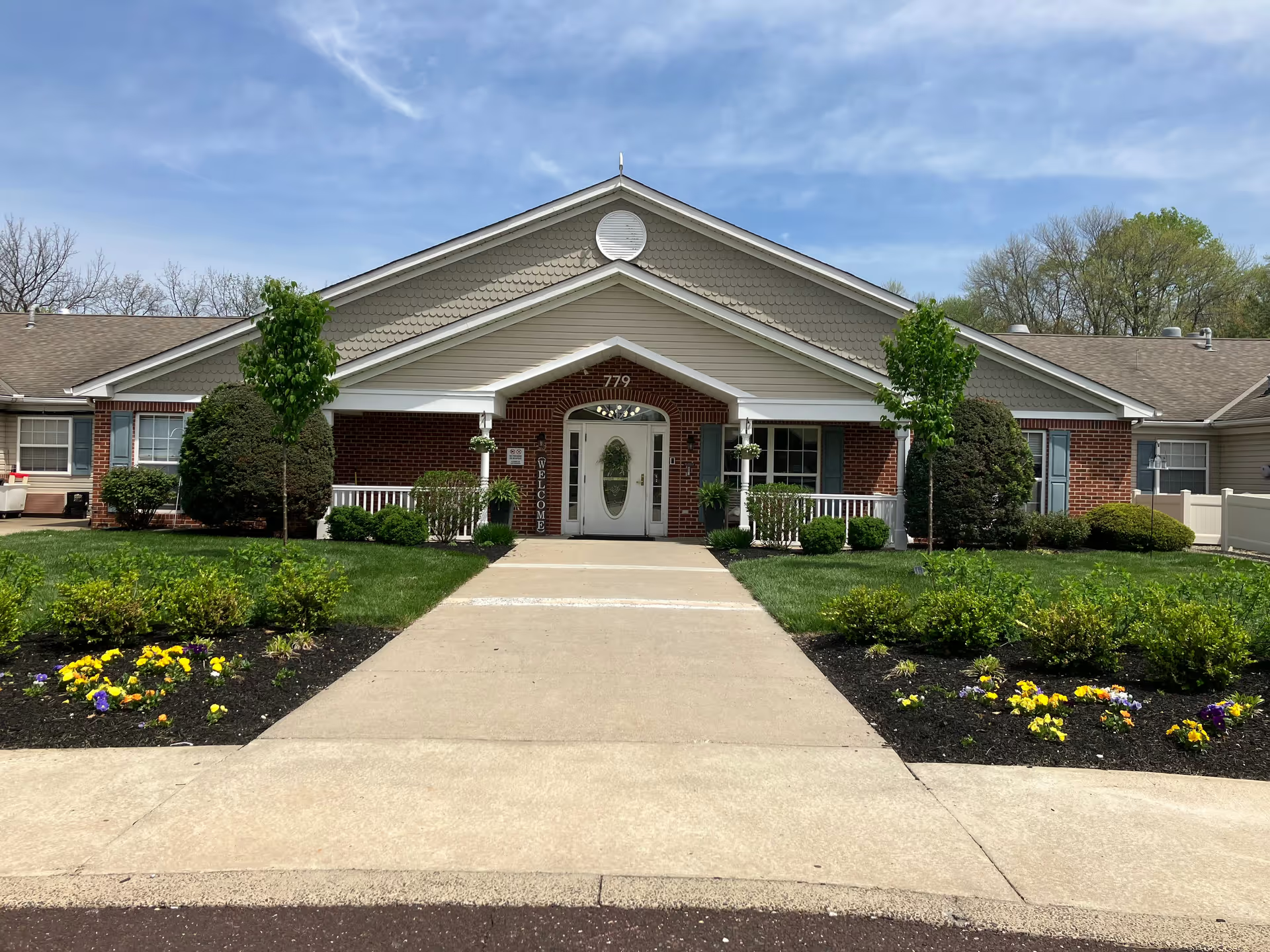
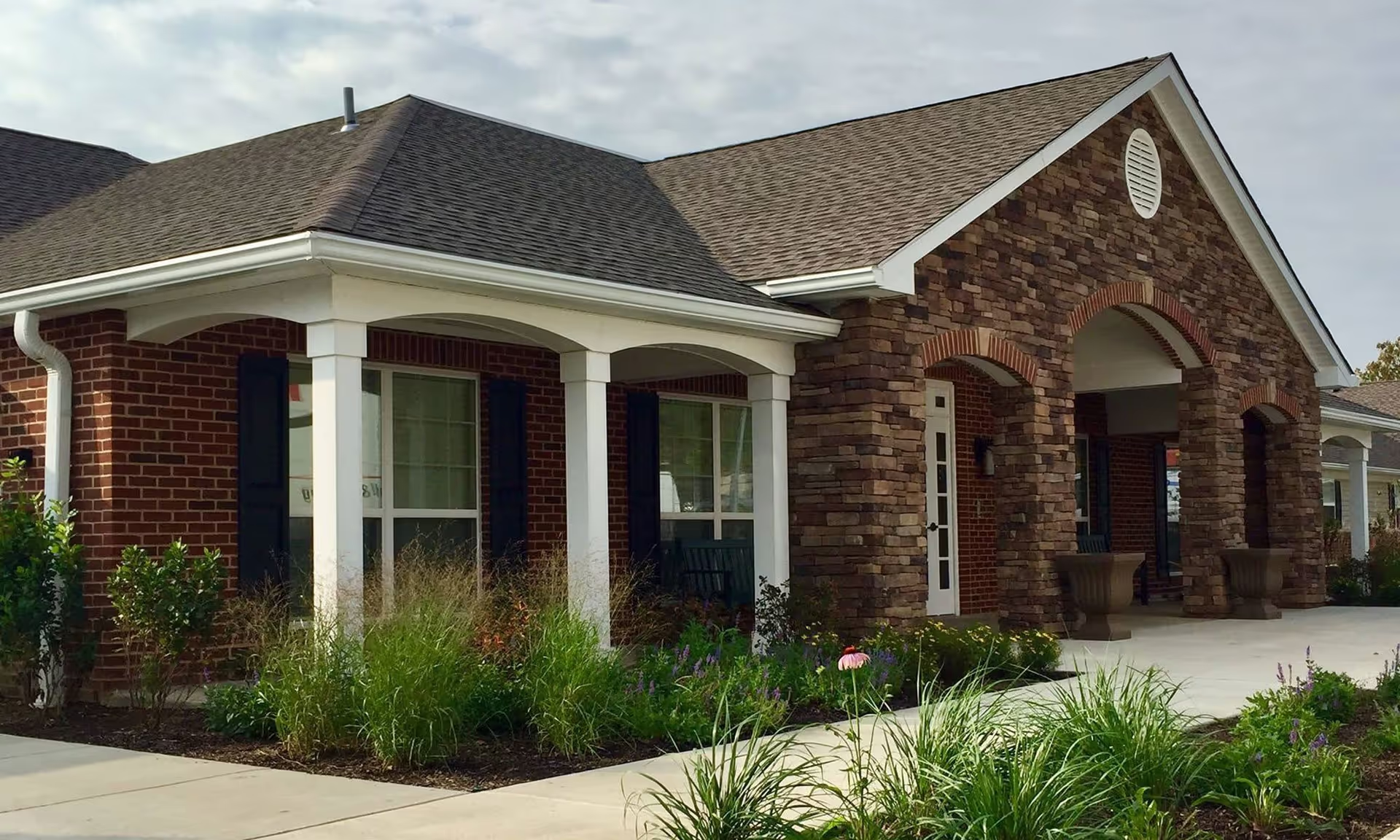
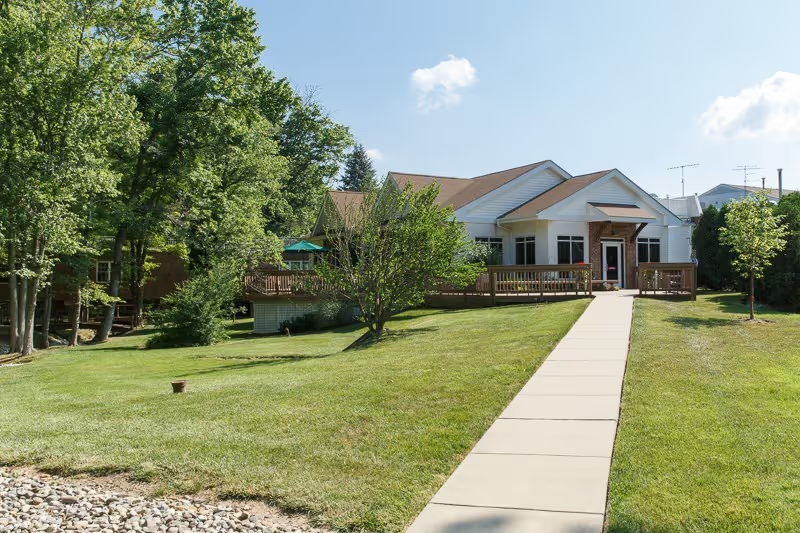
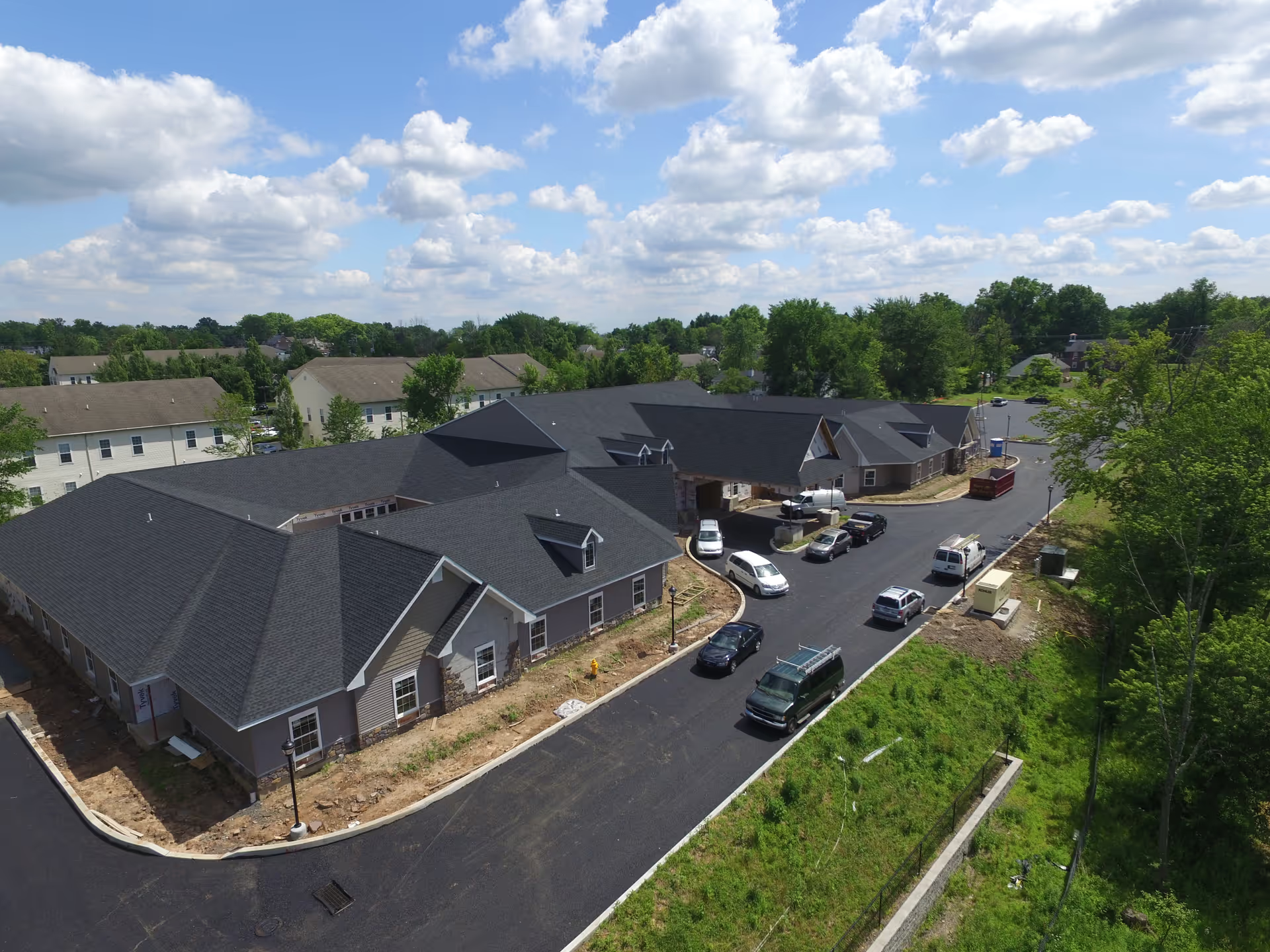
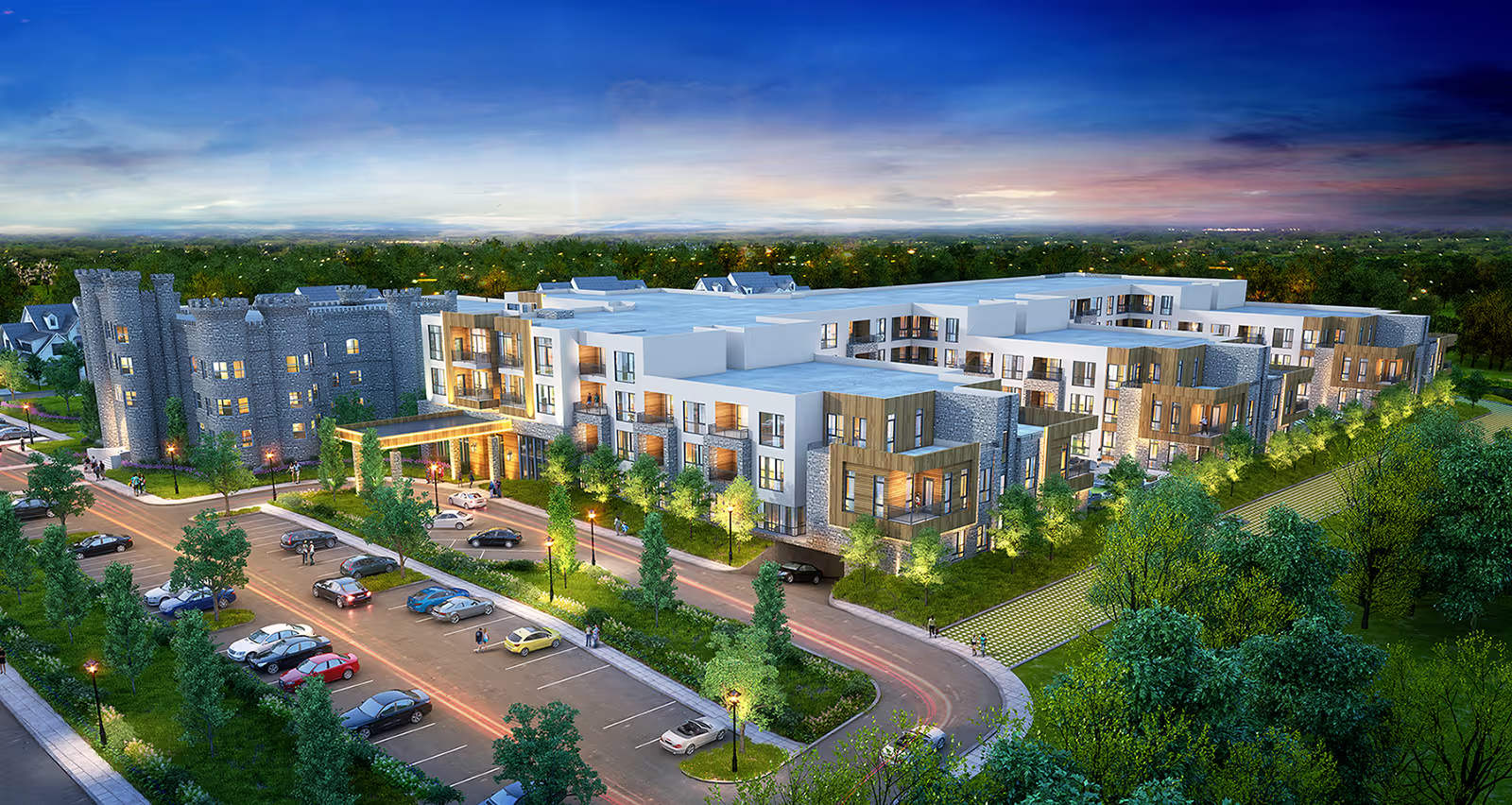
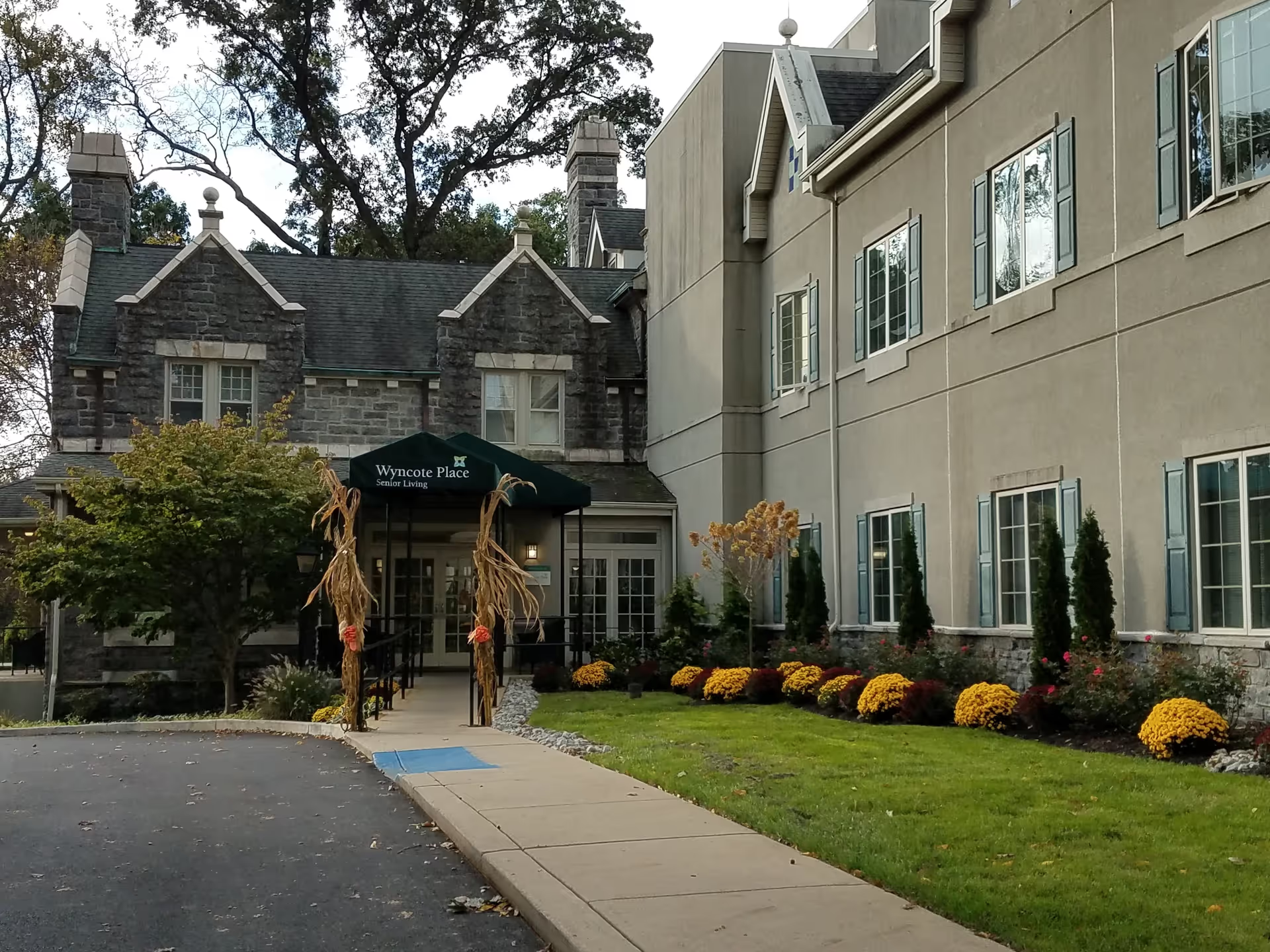
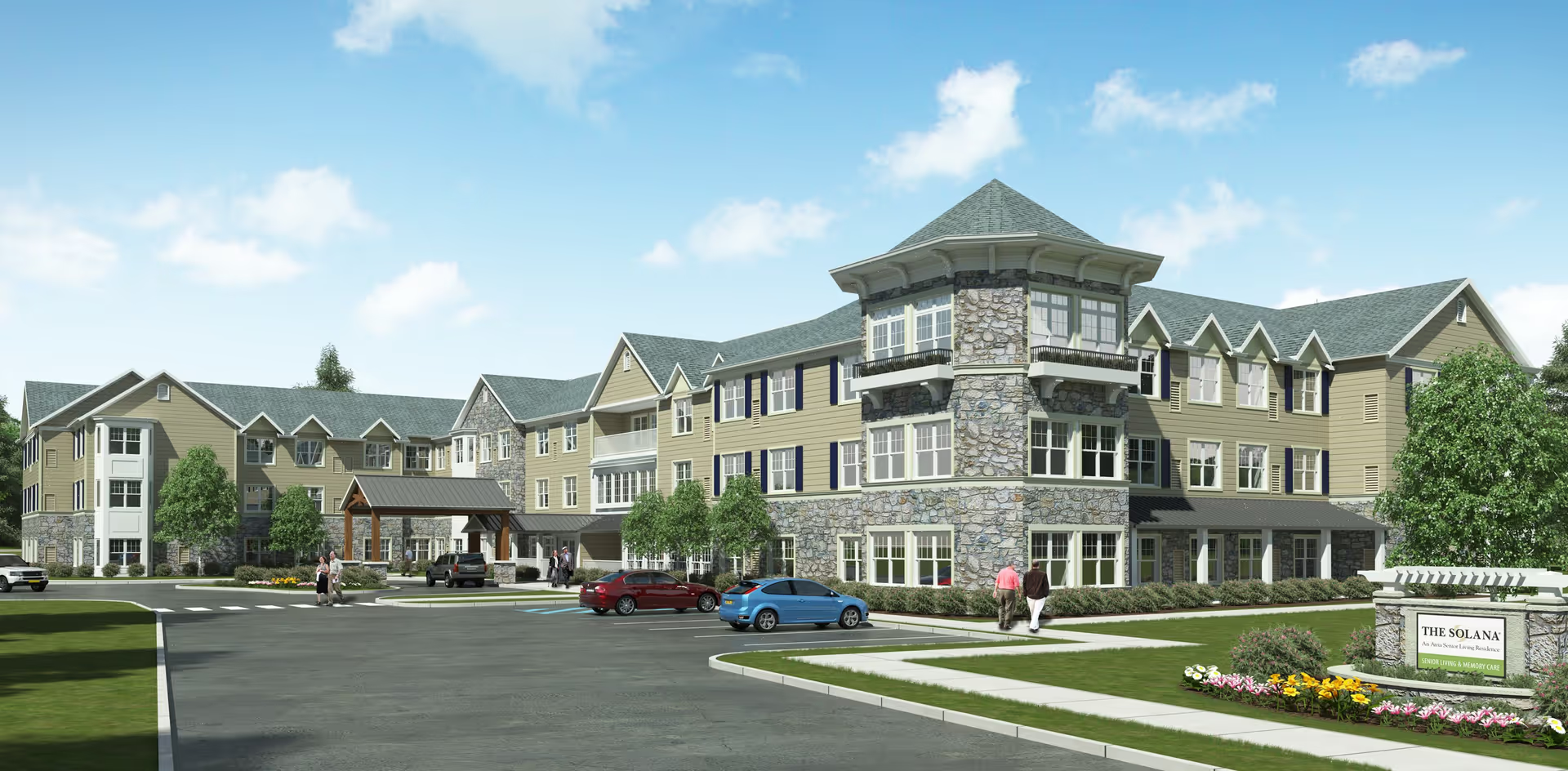
Overall impression: Feedback reflects a facility with strong hospitality and residential amenities paired with attentive move-in support. Commenters frequently highlight warm, personable staff who know residents by name, well-kept and recently renovated common areas, bright apartments and cottages with in-unit laundry and full kitchens, and a broad set of on-site amenities such as a bistro/pub, library, theater, chapel, and fitness spaces. Maintenance and housekeeping are described as responsive, and landscaped grounds, walking paths, and garage/patio options contribute to a campus-like environment. Several accounts emphasize effective pandemic planning and a generally welcoming community atmosphere that supports social engagement.
Care quality and staffing: For independent living residents the community is consistently presented as a strong option: staff engagement, safety monitoring, and general assistance with logistics are strengths. However, the facility’s scope of clinical care and assistance appears uneven across service levels. Comments indicate limited personal-care provision in some assisted settings (characterized as medication administration but minimal hands-on personal care), constrained memory-care and skilled-nursing capacity for certain unit types (notably some cottages), and instances where families perceived inflexibility as care needs increased. There are also recurring themes of inconsistent communication and occasional delays in responsiveness, which prospective residents should review with management when assessing care suitability.
Dining and culinary services: Dining is a mixed area. The program offers a large and varied menu, multiple dining venues, and meal-credit flexibility, and many residents enjoy the food and community dining. At the same time, quality is described as inconsistent at times, with pandemic-related staffing pressures and periodic service interruptions affecting meal delivery and experience. Contract details such as holiday charges, included meal counts, and extra fees were noted as important determinants of perceived value.
Activities and transportation: The community runs an active calendar of activities, clubs, exercise programs, outings, and regular transportation to shopping and medical appointments. This contributes to a strong social environment for many residents. That said, activity levels are reported as variable over time and by day of week; some families noted reduced off-site outings or limited weekend programming. Activity offerings may skew toward particular interests, so prospective residents should review current calendars to ensure alignment with personal preferences.
Facilities and amenities: Facility strengths include modern, bright apartments, cottage options with private outdoor space, accessible garages, and a range of social and recreational spaces. On-site therapy/rehab services and an engaged maintenance team are further assets. Shared-capacity items (for example, limited laundry units in some common areas) and occasional amenity unavailability during peak periods or pandemic restrictions were mentioned and may affect convenience.
Management and notable operational patterns: Administrative staff and placement coordinators generally receive praise for move-in coordination and ongoing support; several reviewers singled out particular staff as helpful. Counterbalancing that, there are repeated concerns about cost transparency and value—especially high entrance fees and ongoing monthly charges for assisted care—as well as perceptions of policy inflexibility when residents’ needs change. A few accounts described security-process issues, including a theft-related incident that raised questions about perimeter and incident response procedures. Infection-control practices were widely commended in many accounts, but a minority of observations indicated variability in adherence among staff members.
Guidance for prospective residents and families: Wesley Enhanced Living appears well suited to residents seeking independent living in an amenity-rich, community-oriented setting with attentive housekeeping and maintenance. Families considering assisted levels should explicitly confirm the scope of personal-care services, memory-care and skilled-nursing availability, staffing ratios, and policies for escalating care needs. Ask for current dining menus and service protocols, a recent activities calendar, explicit fee schedules (including entrance-fee terms and holiday/extra charges), and the facility’s security and infection-control procedures. A focused tour that examines unit examples, reviews contract language, and includes conversations about individualized care plans will help determine fit given the mixture of strong operational strengths and the pattern-level concerns noted above.