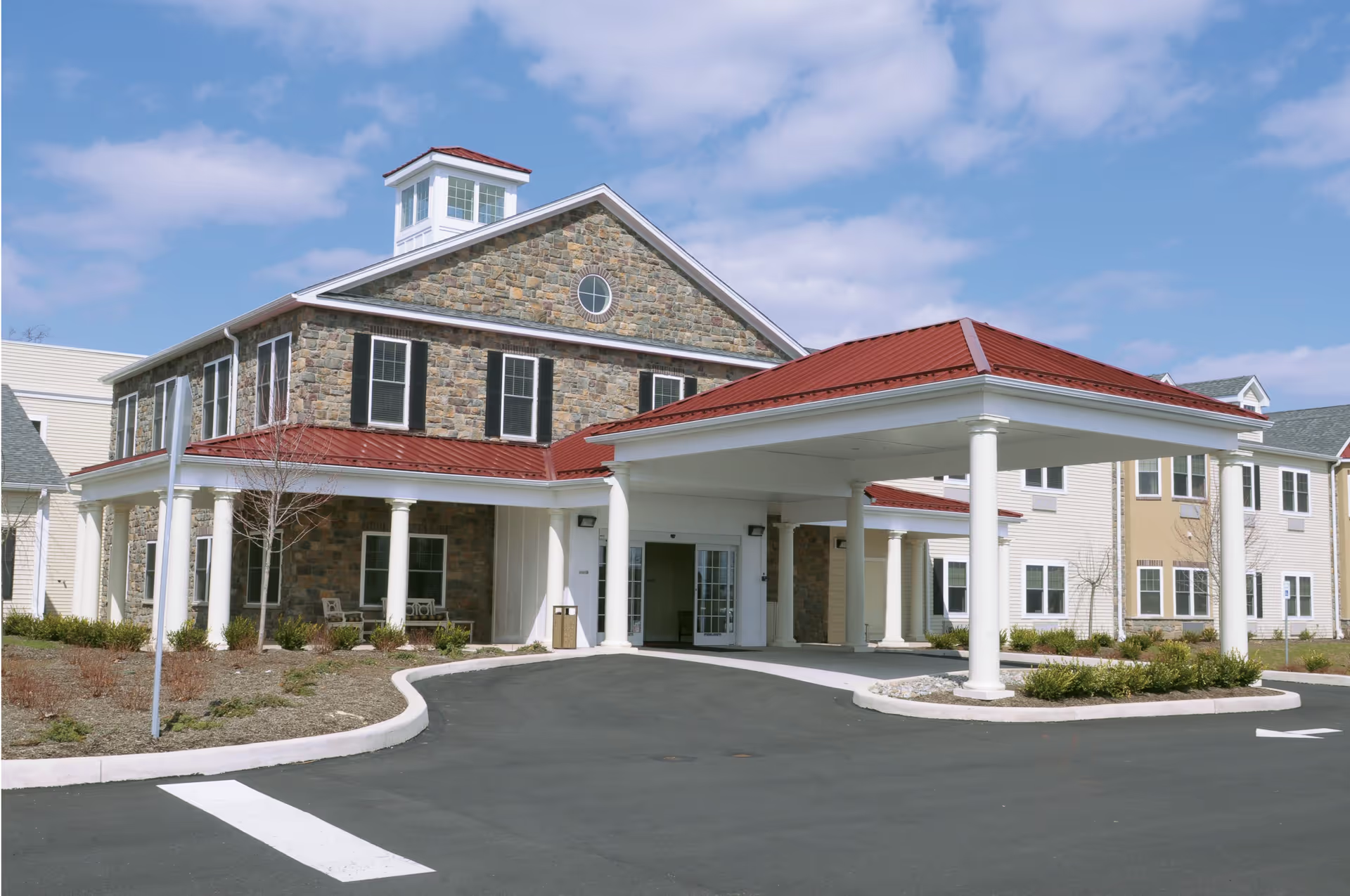
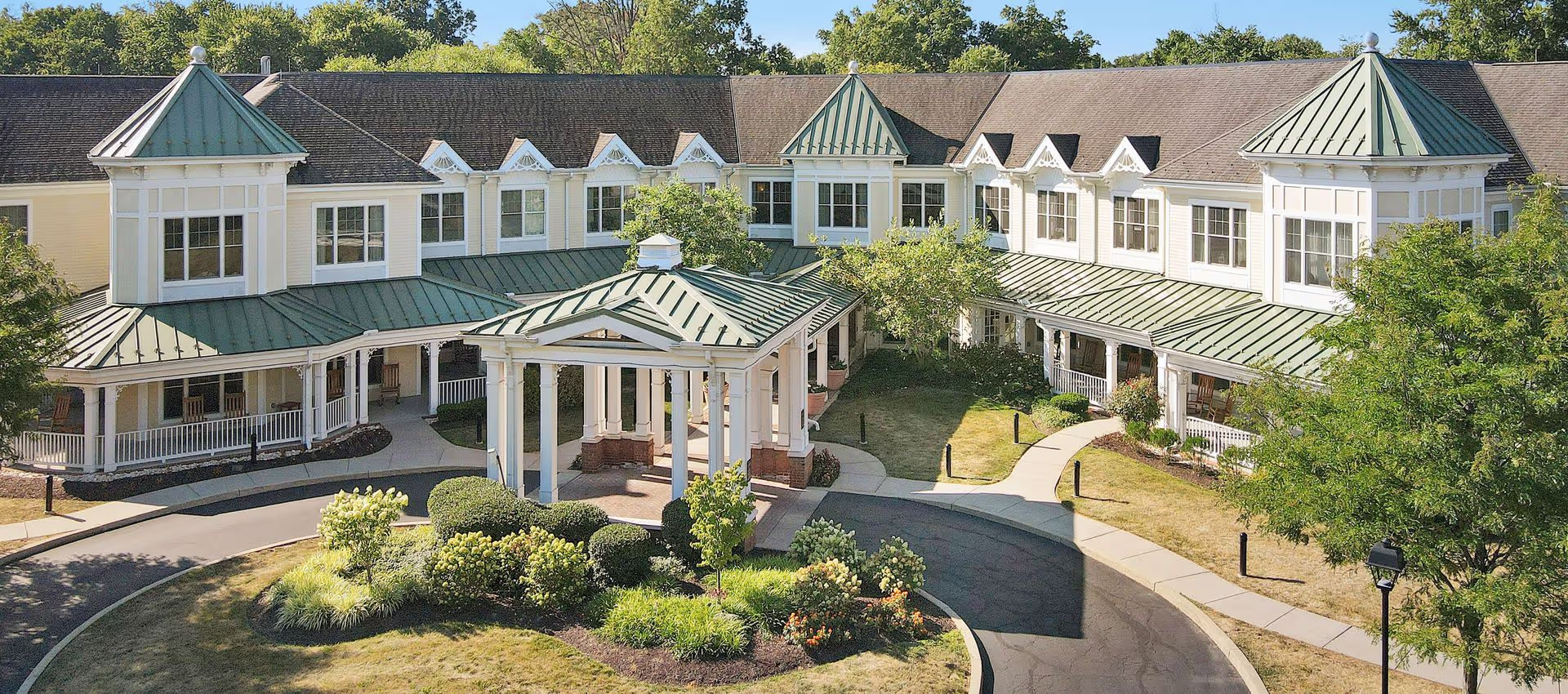
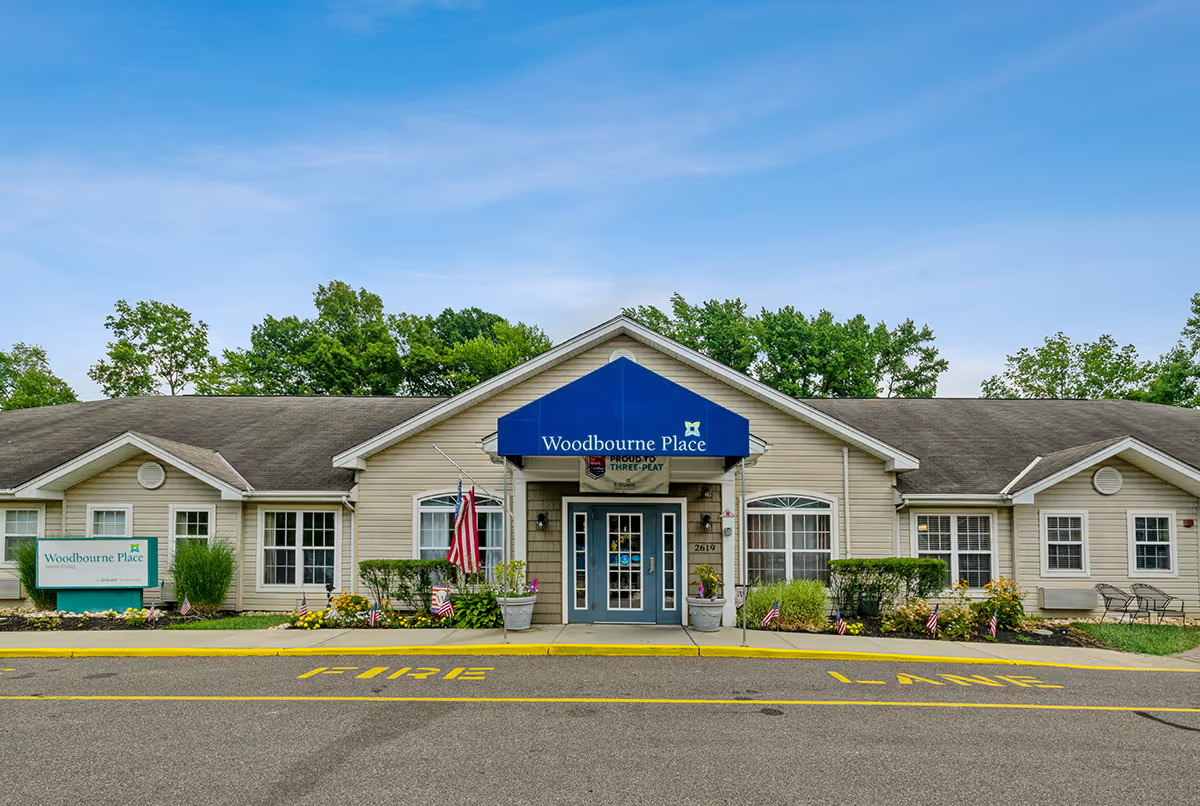
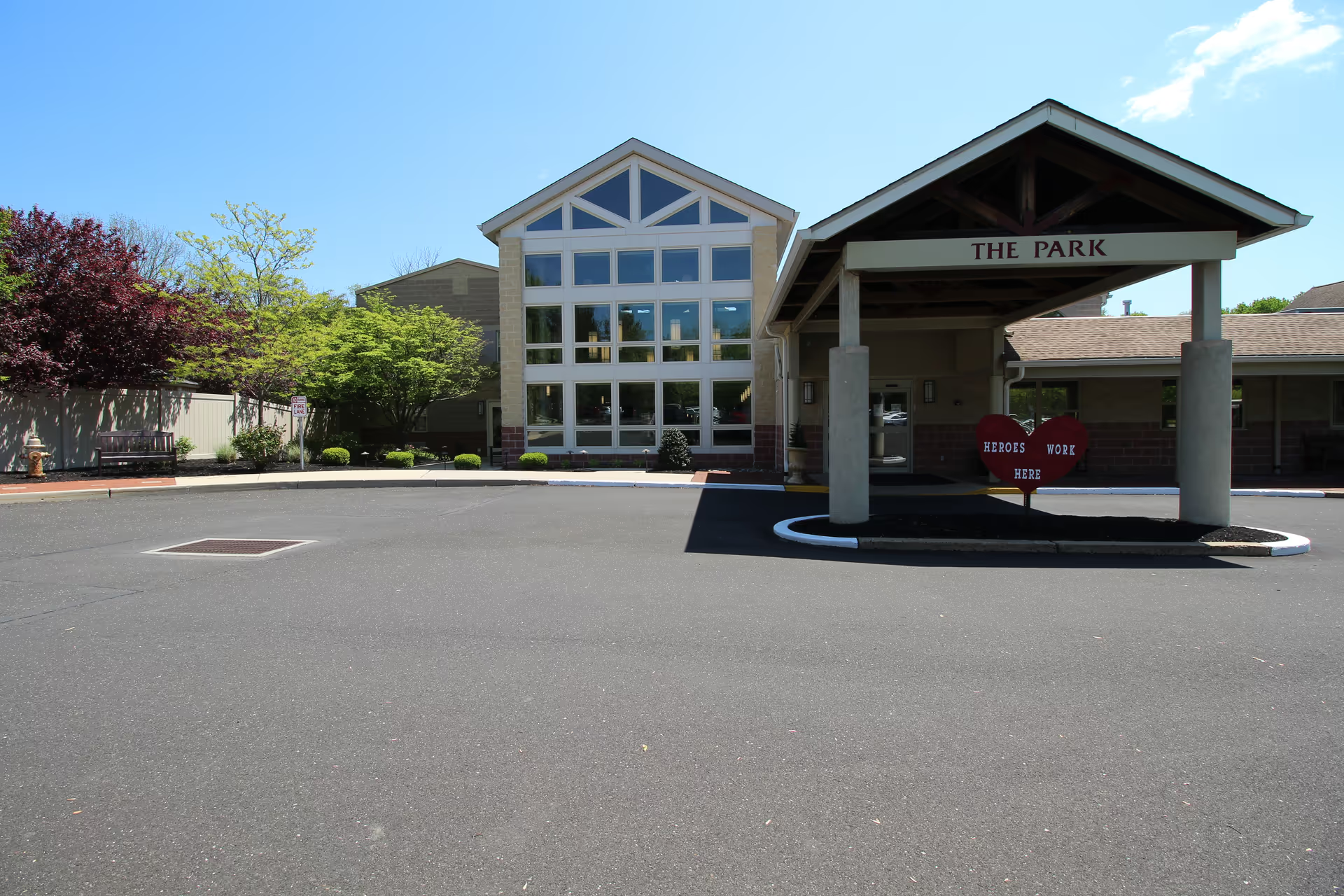
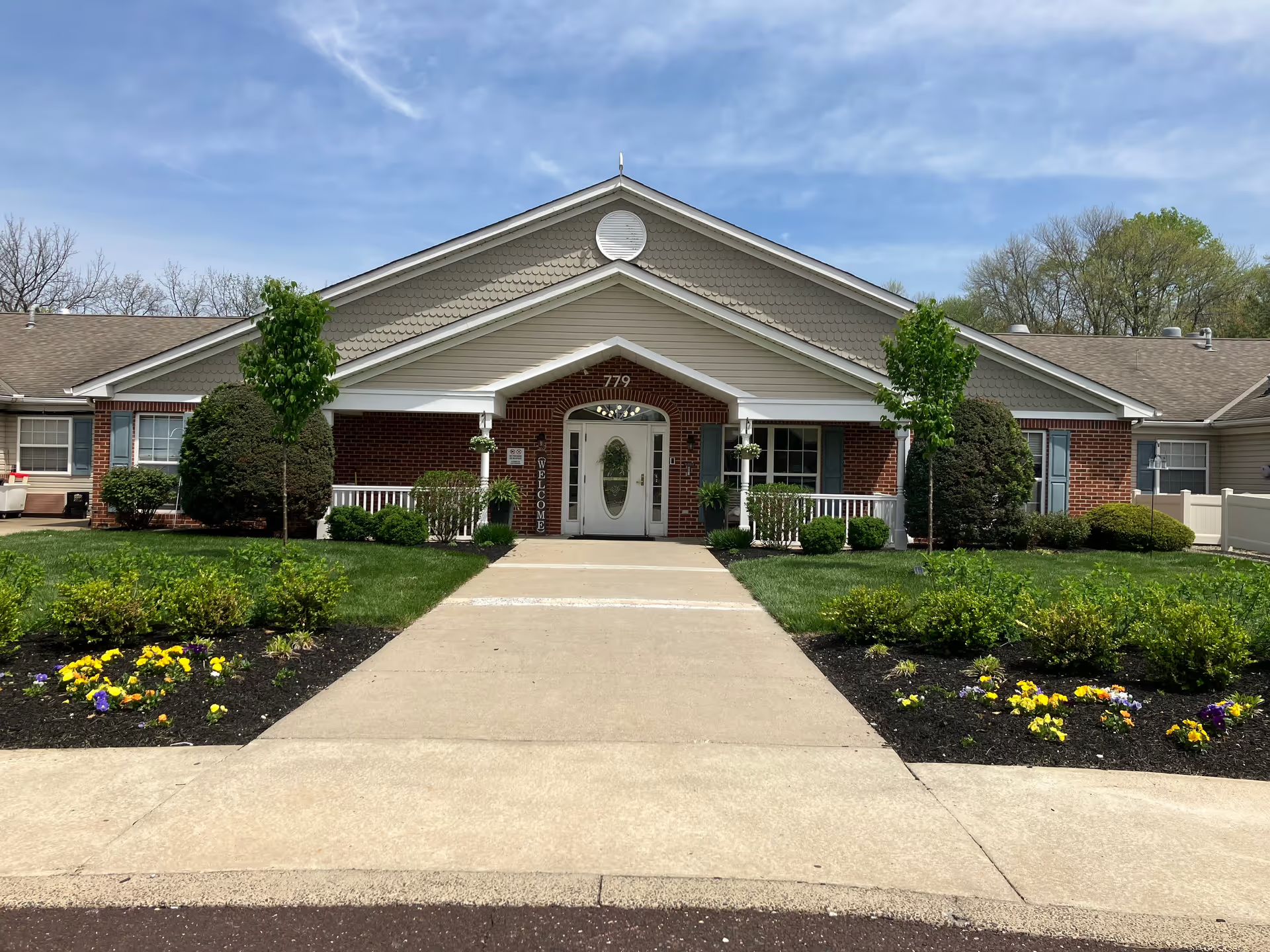
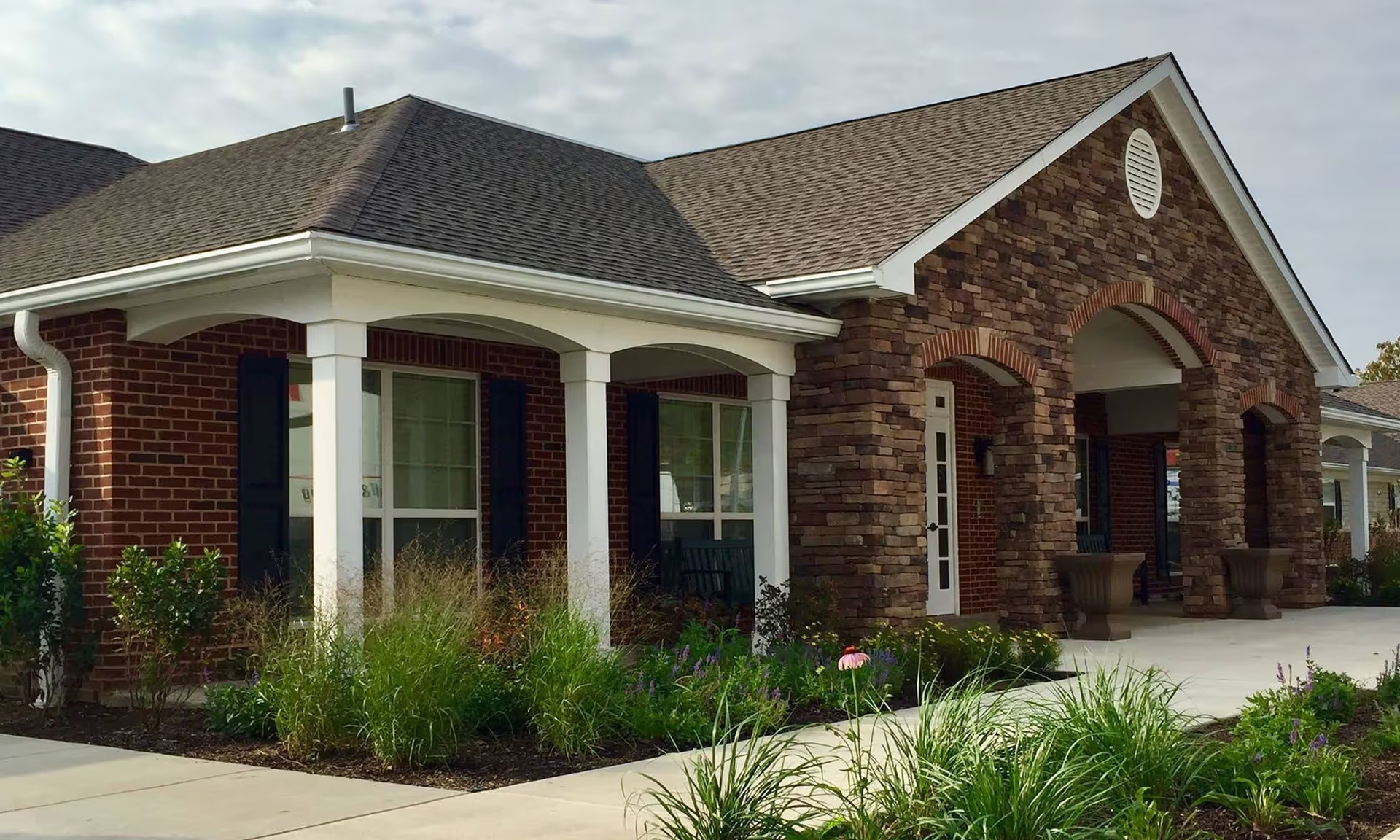
The reviews describe a facility with a strongly polarized performance profile. Many families and residents praise Holland Village for its landscaped campus, social programming, on-site therapy and medical services, and a number of caring frontline employees. Several reviewers highlighted exemplary outcomes from the rehabilitation and therapy teams, a restaurant-style dining experience when the dining room is operating, active group activities, and recent apartment renovations that provide modern finishes and convenient apartment layouts.
At the same time, a substantial portion of feedback identifies recurring operational weaknesses. Staffing quality and consistency are the most frequently cited concerns: reviewers describe high turnover, frequent use of agency nurses, and variability between shifts that can produce inconsistent care. Those staffing patterns are associated with specific operational risks cited by families — unclear medication coordination, delays in clinical response, and insufficient handoffs between teams. Several accounts describe failures in medication management and coordination with prescribers or pharmacies, which reviewers characterize as a systemic process issue rather than isolated clerical errors.
Sanitation and maintenance are another area of mixed performance. The property and grounds are often described positively, and maintenance responsiveness is noted in several reports, but other accounts describe sanitation concerns in resident rooms and common areas, inconsistent housekeeping, pest-control issues in parts of the facility, and uneven progress on renovation projects. Dining and food service receive similarly mixed appraisals: when the main dining room is open and staffed, families often report good variety and portions; when service is modified (for example, due to infection-control measures) or staffing is limited, meal quality and delivery consistency decline.
Management, communication, and financial administration are recurring themes. Reviewers describe variable responsiveness from both local leadership and corporate levels when raising care or billing concerns. There are multiple mentions of complex billing interactions, disputes with estates or payors, and confusion about third-party transportation or pharmacy charges. Family communication and inclusion of power-of-attorney in medical decisions emerge as operational gaps in some accounts: reviewers describe medication or care changes made without timely family notification.
Notably, there are also serious individual incidents referenced, including concerns following a resident's death and missing personal items, which some families cited as motivating regulatory complaints or legal action. These reports are fewer in number than routine care comments but nonetheless contribute to family caution. Conversely, many current residents and families report positive long-term experiences: safe independent living, successful short-term rehabilitation, engaging social life, and staff members who deliver attentive, compassionate care.
For prospective residents and families: Holland Village appears to offer strong amenities, a robust therapy program, and a welcoming campus for many residents, but operational variability means outcomes differ by unit, shift, and time. When touring, prioritize seeing the actual room, ask specifically about nursing staffing patterns and use of agency nurses, review medication-administration and pharmacy procedures, clarify billing and third-party charge policies, confirm bathing and toileting schedules, and ask how the facility handles family notification for clinical changes. These targeted questions will help assess whether the facility's strengths align with an individual’s clinical and care-safety needs.