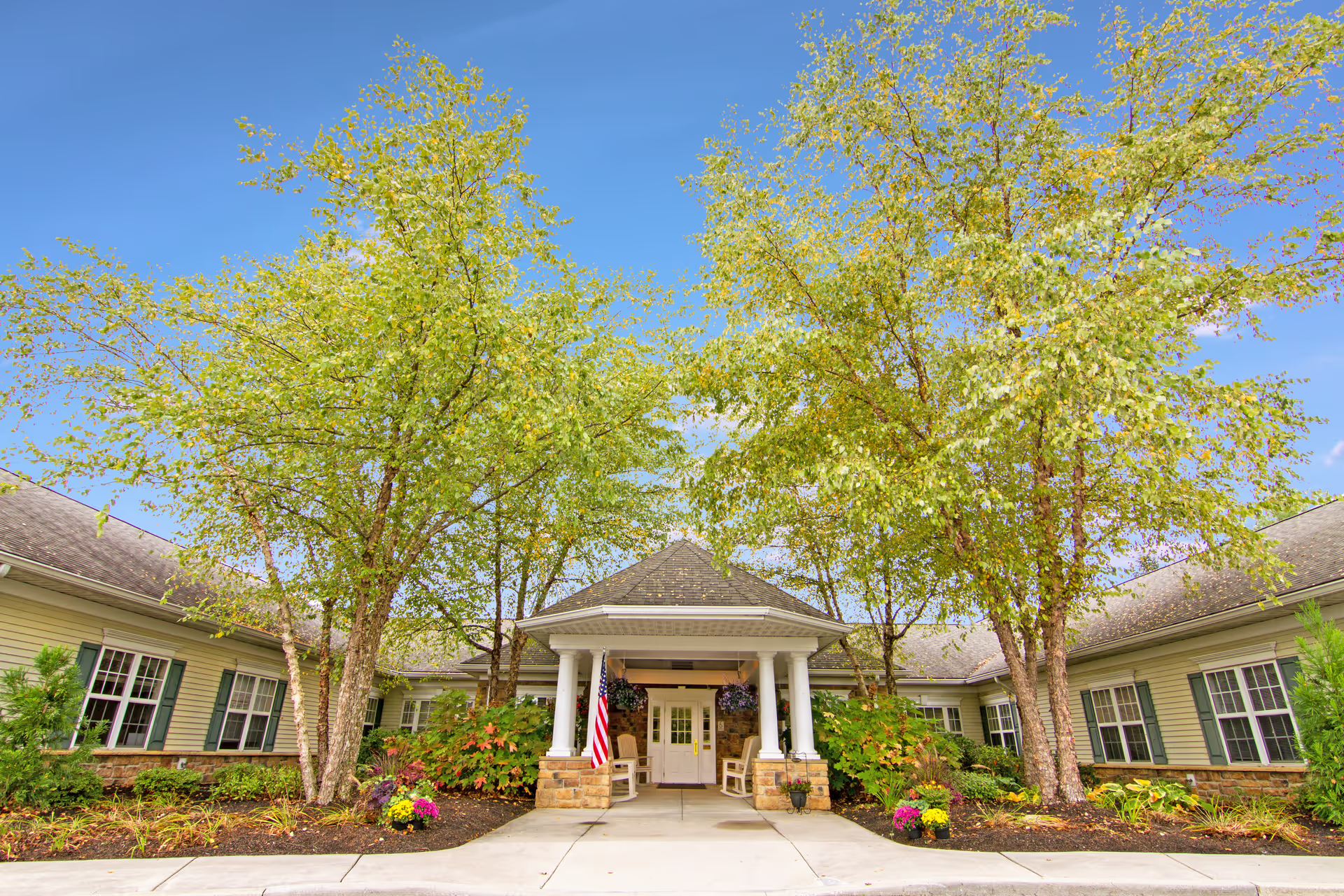
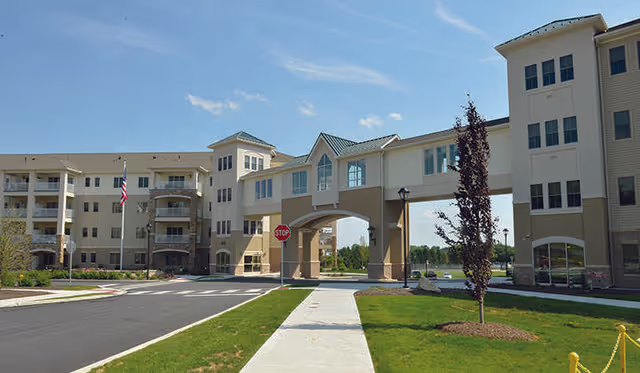
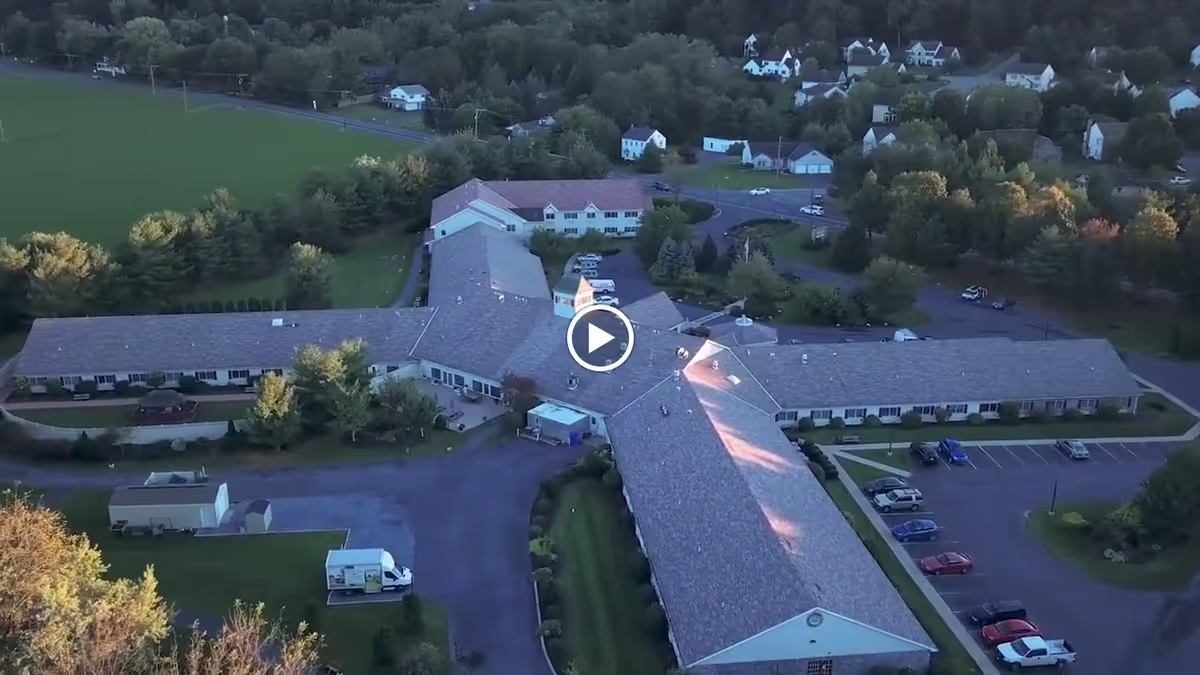
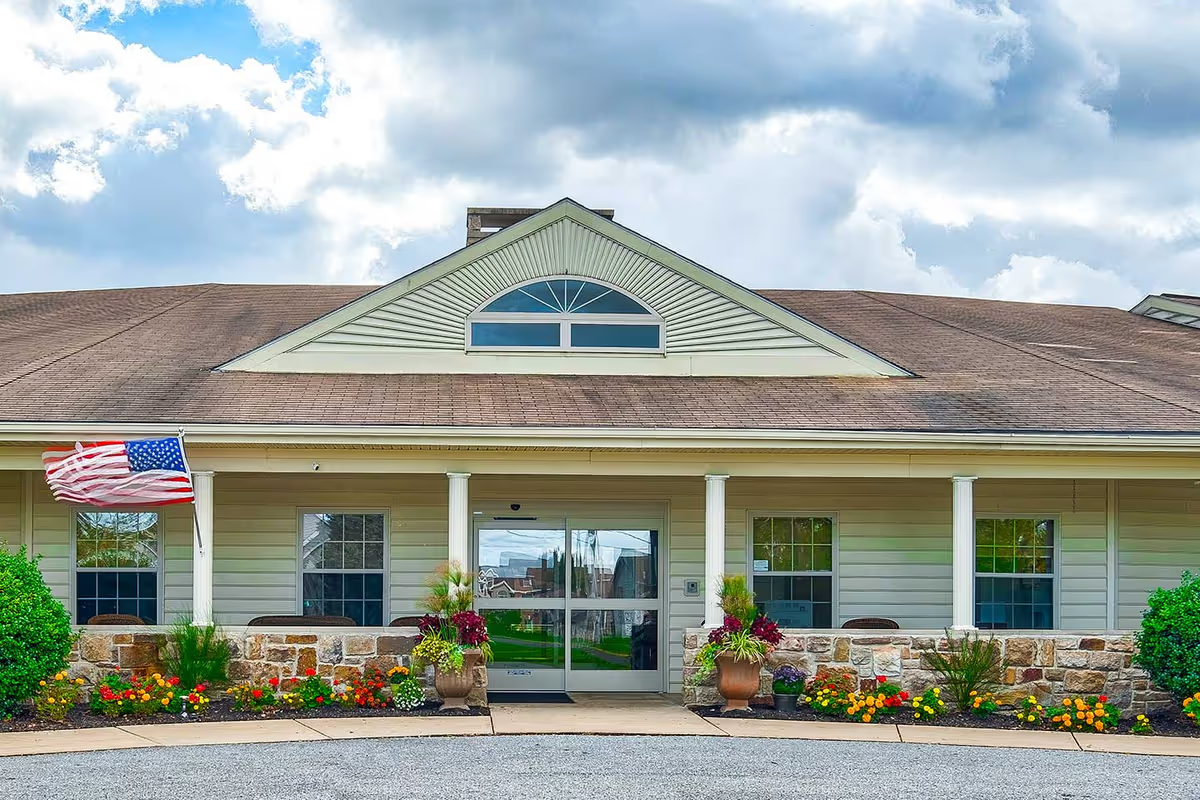
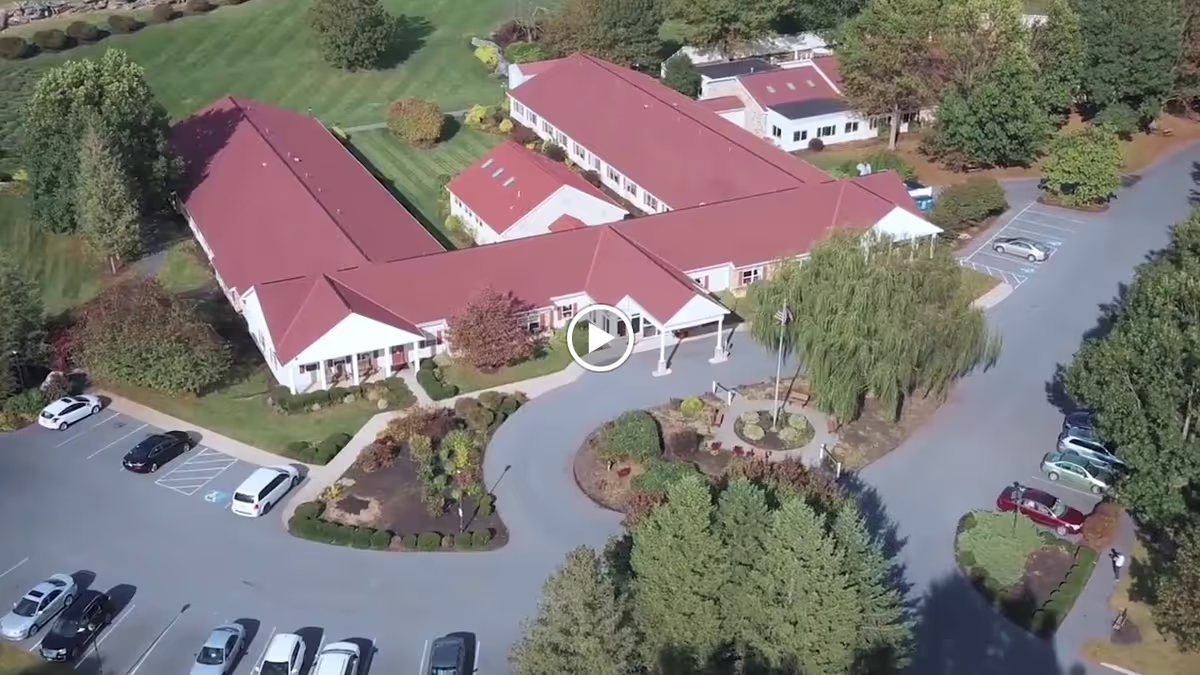
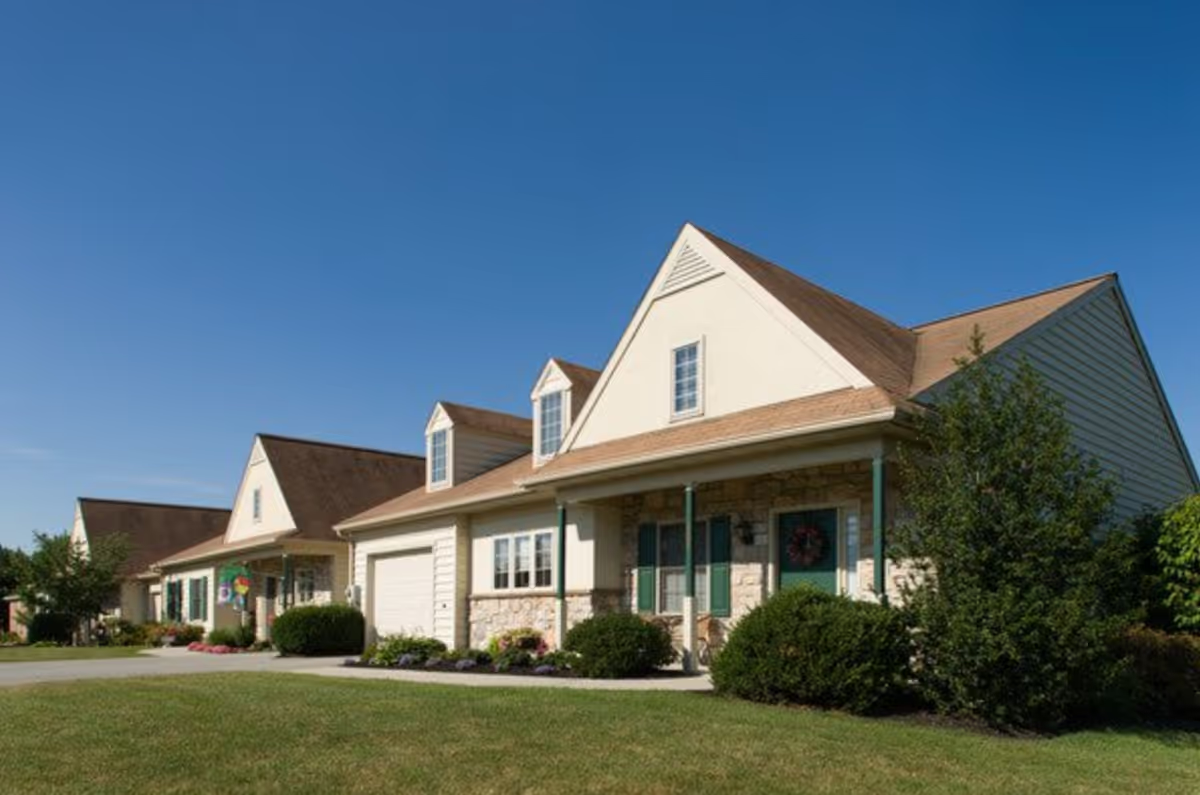
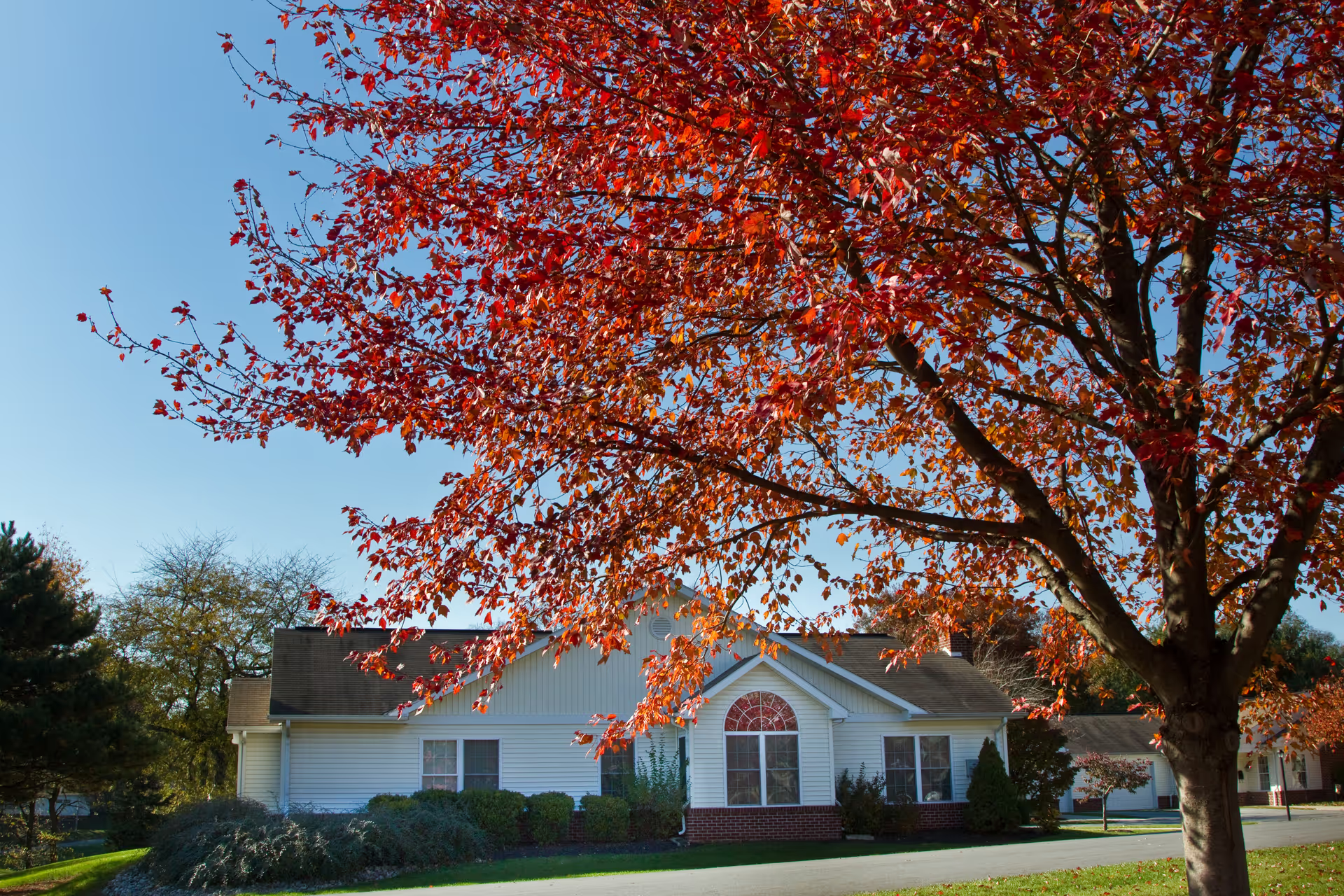
United Zion Retirement Community receives consistent praise for its person-centered strengths: reviewers highlight compassionate, attentive staff, a supportive social-work team that helps families navigate logistics, and strong short-term rehabilitation outcomes. The campus and common areas are described as clean, well maintained and home-like, with pleasant reception areas. Dining repeatedly draws positive comments for quality and consistency, and activities/performances are noted as engaging and well attended. Several accounts also emphasize respect for privacy, comfortable rooms, and a faith-based, mission-driven atmosphere that contributes to resident comfort and reassurance.
Despite those positives, reviewers describe notable variability in direct-care performance. While some staff members—including individual CNAs—are singled out for exemplary care, others are characterized as inconsistent, and reviewers describe occasions when clinical assessments and responses to symptoms were delayed or minimized. Communication quality appears uneven: some families report proactive, helpful coordination, whereas others report delays or unsatisfactory clinical explanations. These patterns suggest variability in clinical judgment and follow-through rather than a uniformly applied standard of practice.
Management and governance issues appear as a distinct pattern across summaries. Several reviewers raise concerns about housing stability tied to redevelopment plans and the creation of upscale housing, and there are accounts of abrupt resident relocations or short-notice housing transitions that create uncertainty for long-standing residents. Commentary also points to perceived management fairness issues and strained staff–management relations, including remarks about personnel recognition and labor-practice tensions. There are isolated, serious claims about unethical conduct and misuse of organizational branding; these items are presented here as potential governance and ethical-conduct issues that merit verification through formal inquiry.
For prospective residents and families, the overall picture is of a community with strong environmental and service-oriented strengths—clean facilities, good food, active programming, and effective short-term rehab—paired with operational risks that center on staffing consistency, clinical responsiveness, and housing-policy stability. Families considering United Zion should observe current staff–resident interactions, ask for recent quality indicators (staffing ratios, clinical incident response protocols, rehab success metrics), and seek clear, written information on housing-transition and grievance procedures. Meeting with the social-work team and clarifying how clinical concerns are escalated can help assess whether the facility’s operational practices match the positive elements described in other areas.