Overall impression: Gracedale presents a mixed but consistent profile: frontline caregiving is frequently praised for compassion and responsiveness, and the campus offers substantial amenities and recent facility improvements; however, multiple operational weaknesses recur across reviews and affect clinical reliability and family confidence.
Care quality and clinical patterns: Many families highlight caring nurses and aides who provide attentive, comforting care and regular updates. At the same time, reviews describe repeated operational gaps such as missed clinical checks (for example, diabetes monitoring and foot checks), delays in medication administration, inconsistent attention to hydration and other routine needs, and several instances of falls or transfer-related injuries. These items point to uneven clinical monitoring and documentation rather than uniformly poor clinical intent.
Staffing and management: Staffing levels and workforce stability are a central theme. Numerous comments praise individual staff members while also documenting heavy reliance on agency personnel, perceived understaffing on particular shifts or units, and staff turnover. Several reviews express frustration with social-services responsiveness, scheduling practices, and HR dynamics (including perceptions of favoritism and disciplinary instability). These patterns suggest that leadership and human-resources processes influence day-to-day reliability.
Dining and activities: The facility receives strong positive feedback for meal offerings and a broad slate of activities — concerts, sports-style recreation, seasonal family events, woodworking, and vendor services are noted. Food quality is frequently described as good or enjoyable, though some reviews indicate inconsistent meal-service continuity or unit-level differences in dining experience.
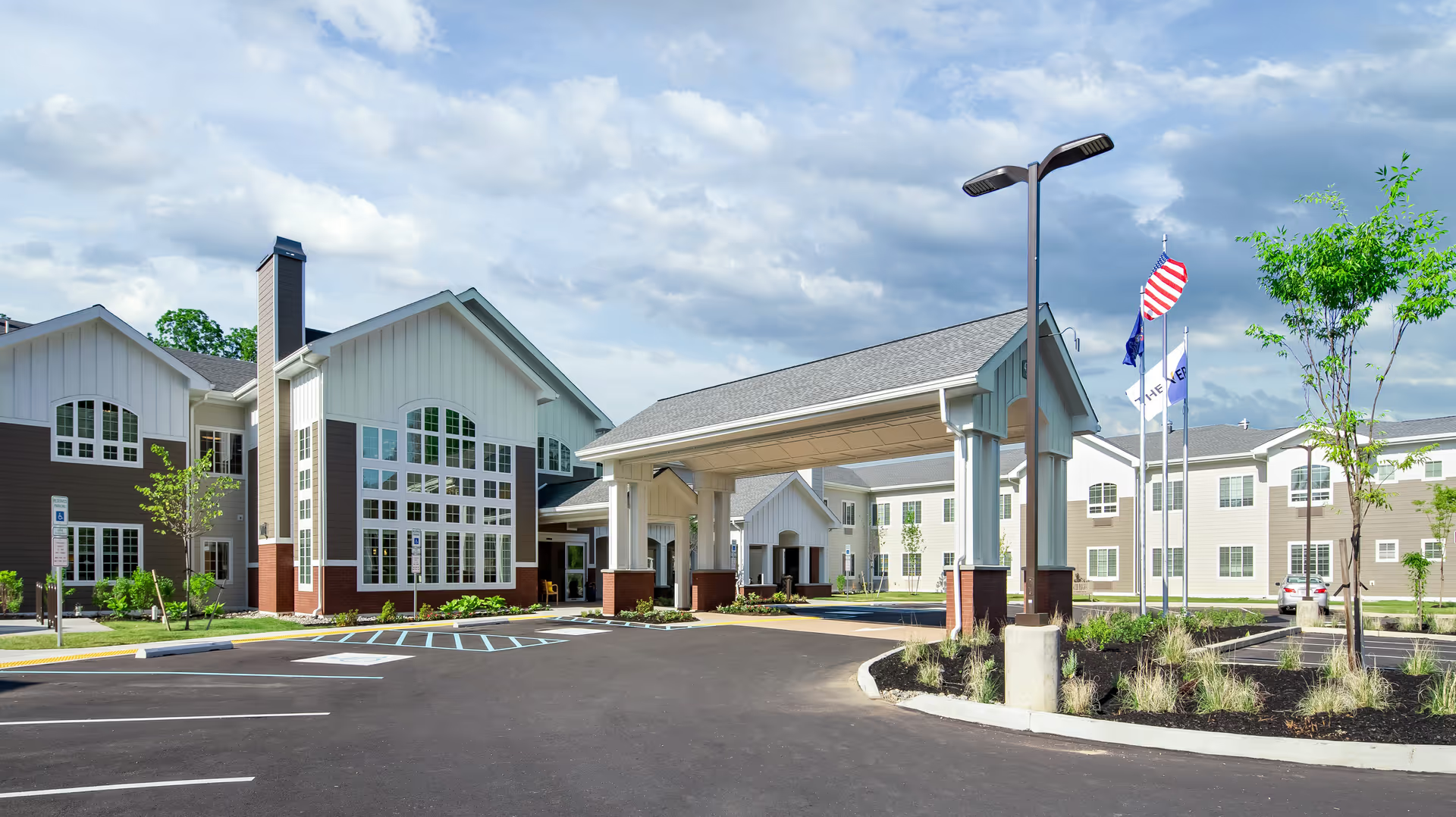
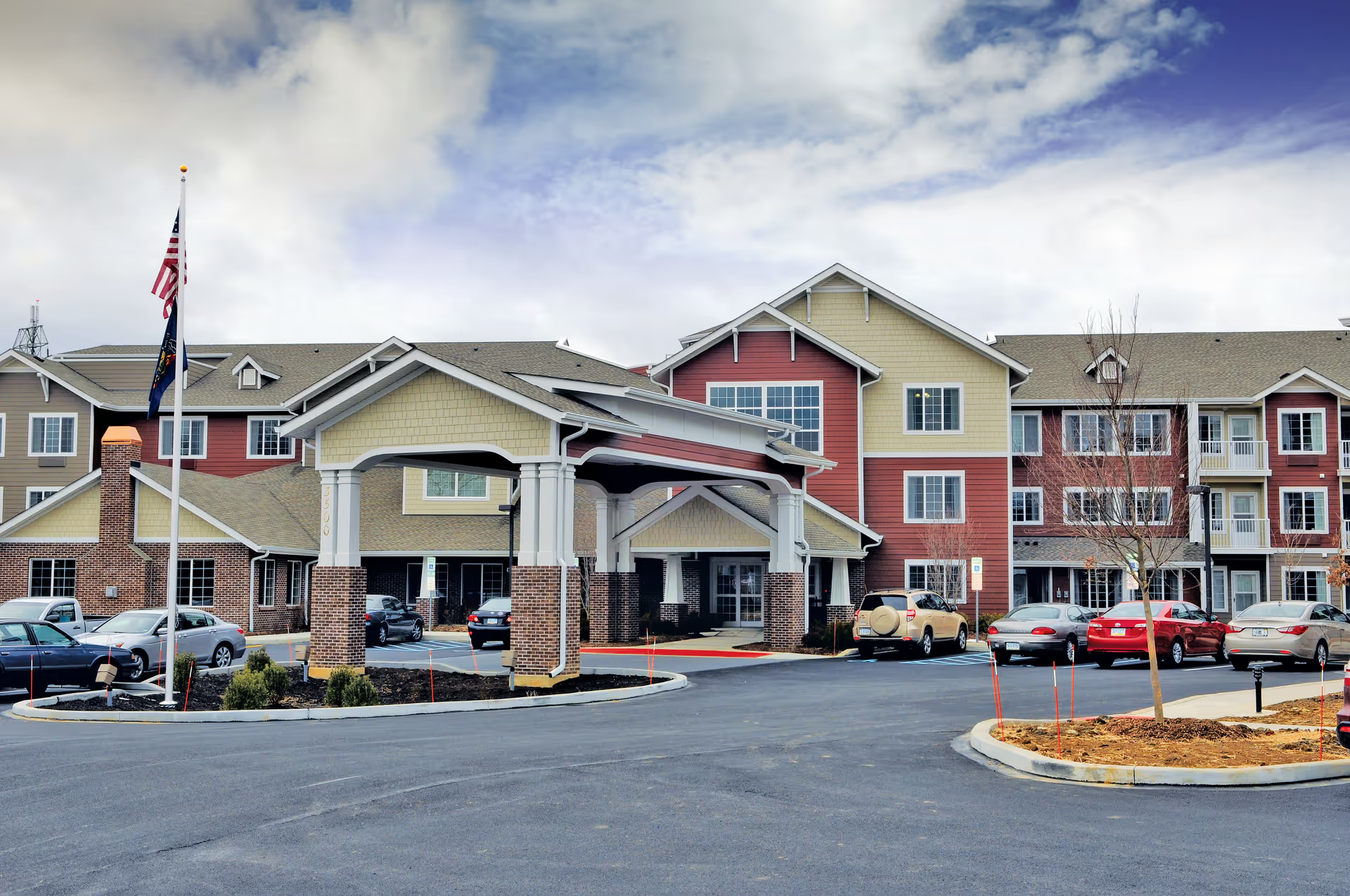
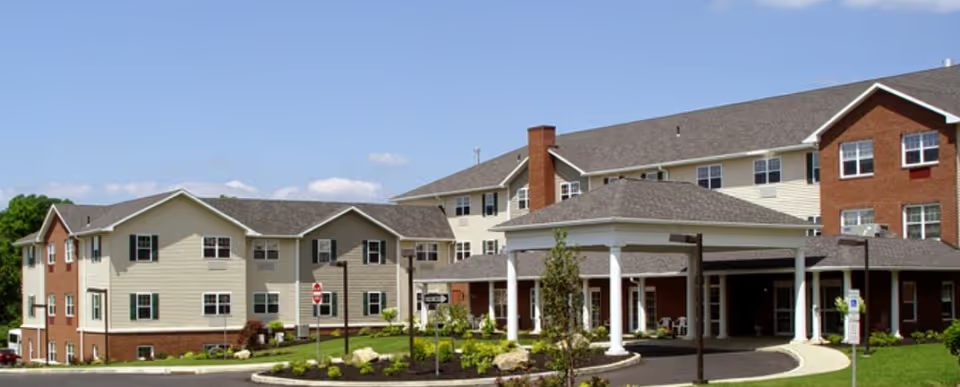
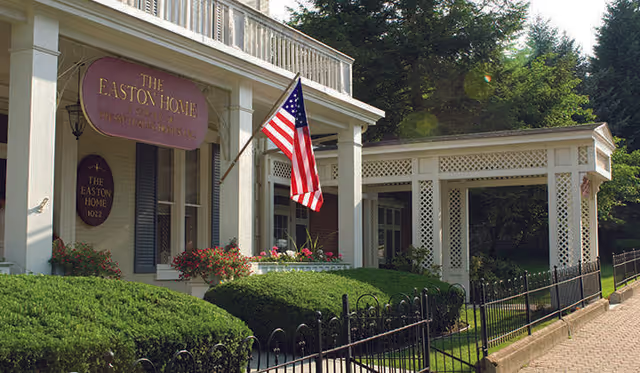
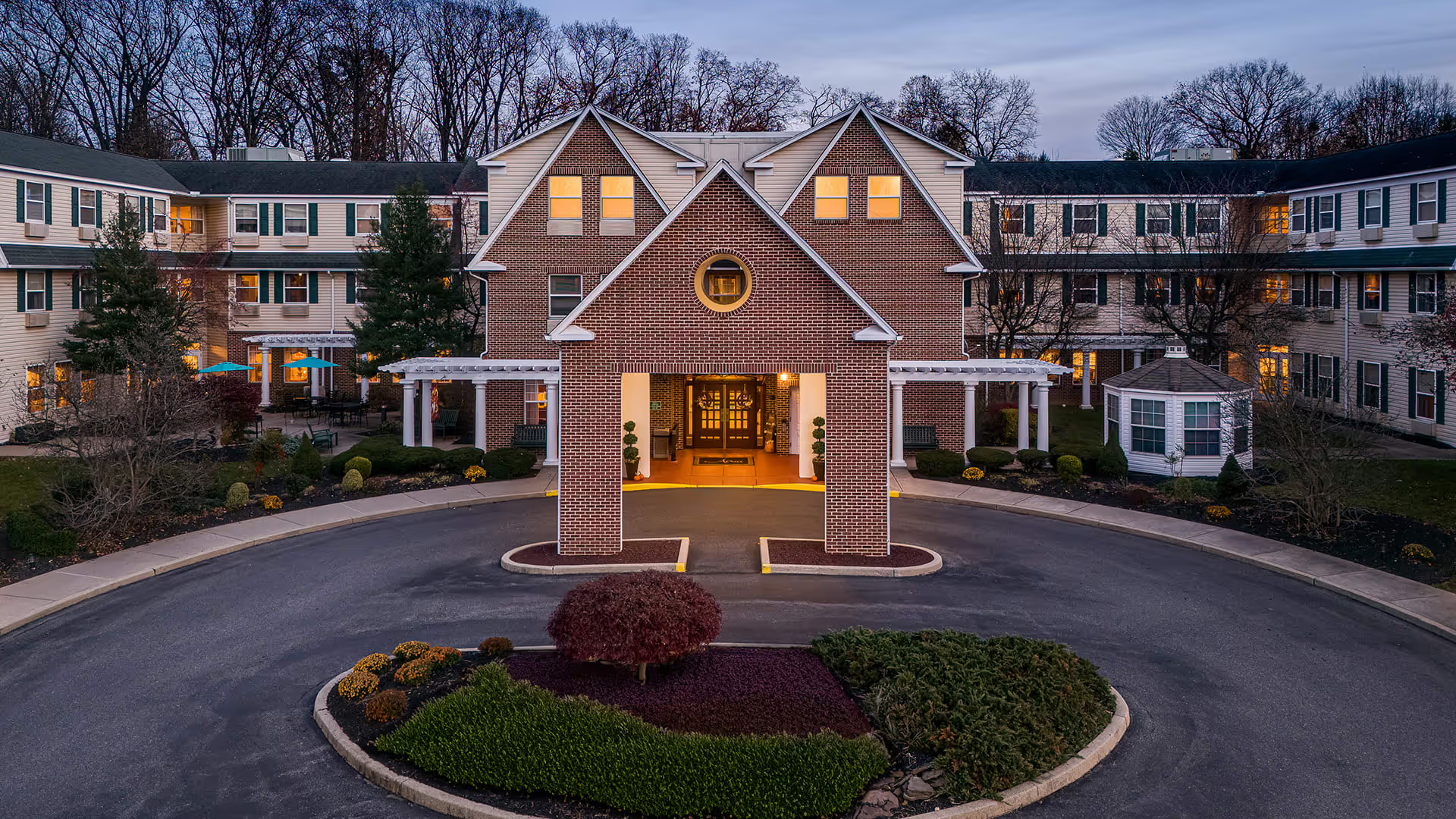
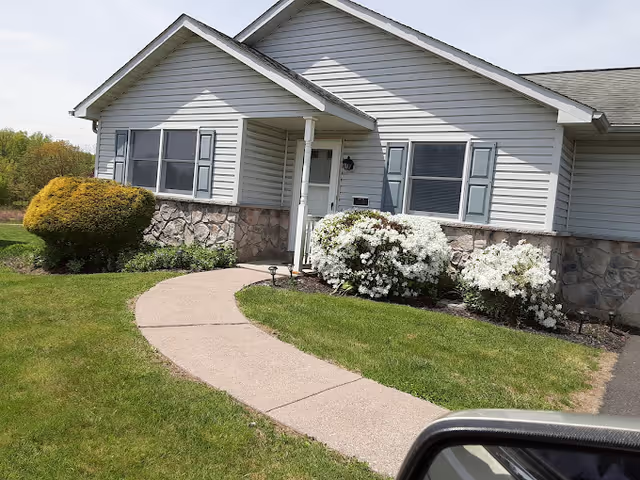
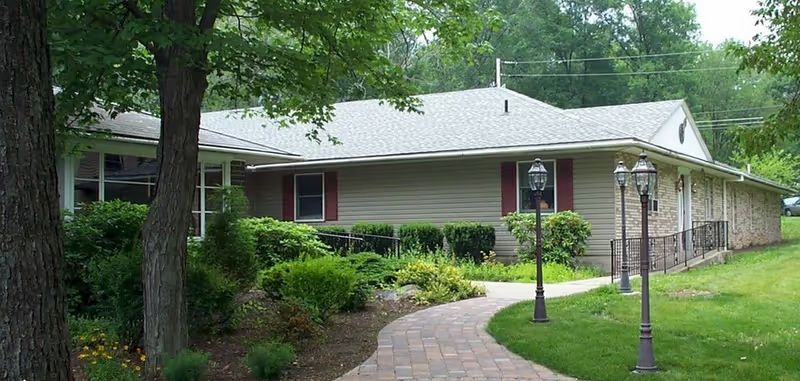
Facilities and resident environment: The campus includes recent construction, well-kept grounds, and useful on-site amenities (beauty parlor, library, gift shop, private visiting spaces). Some units are described as dated and there are privacy limitations in multi-bed rooms (curtain separations, sound transfer, and occasional noise from audio devices). Concerns about inventory control and personal-property handling have been raised, including delays or gaps in returning belongings after discharge or following a resident death.
Safety, communication, and notable patterns: Recurring operational themes are understaffing, lapses in routine clinical monitoring, fall-prevention shortcomings, inconsistent medication oversight, and uneven management communication. Infection-control cohorting and communication during outbreak events are described as inconsistent in several accounts. Families considering this facility should weigh the evident strengths among direct-care staff and the available programs and amenities against documented operational risks. When evaluating the facility, prospective residents and families may wish to ask specific questions about staffing ratios, fall-prevention protocols, medication-administration safeguards, social-services and discharge-planning procedures, property-inventory controls, and infection-control practices, and to tour the particular unit(s) under consideration to assess unit-level variation.