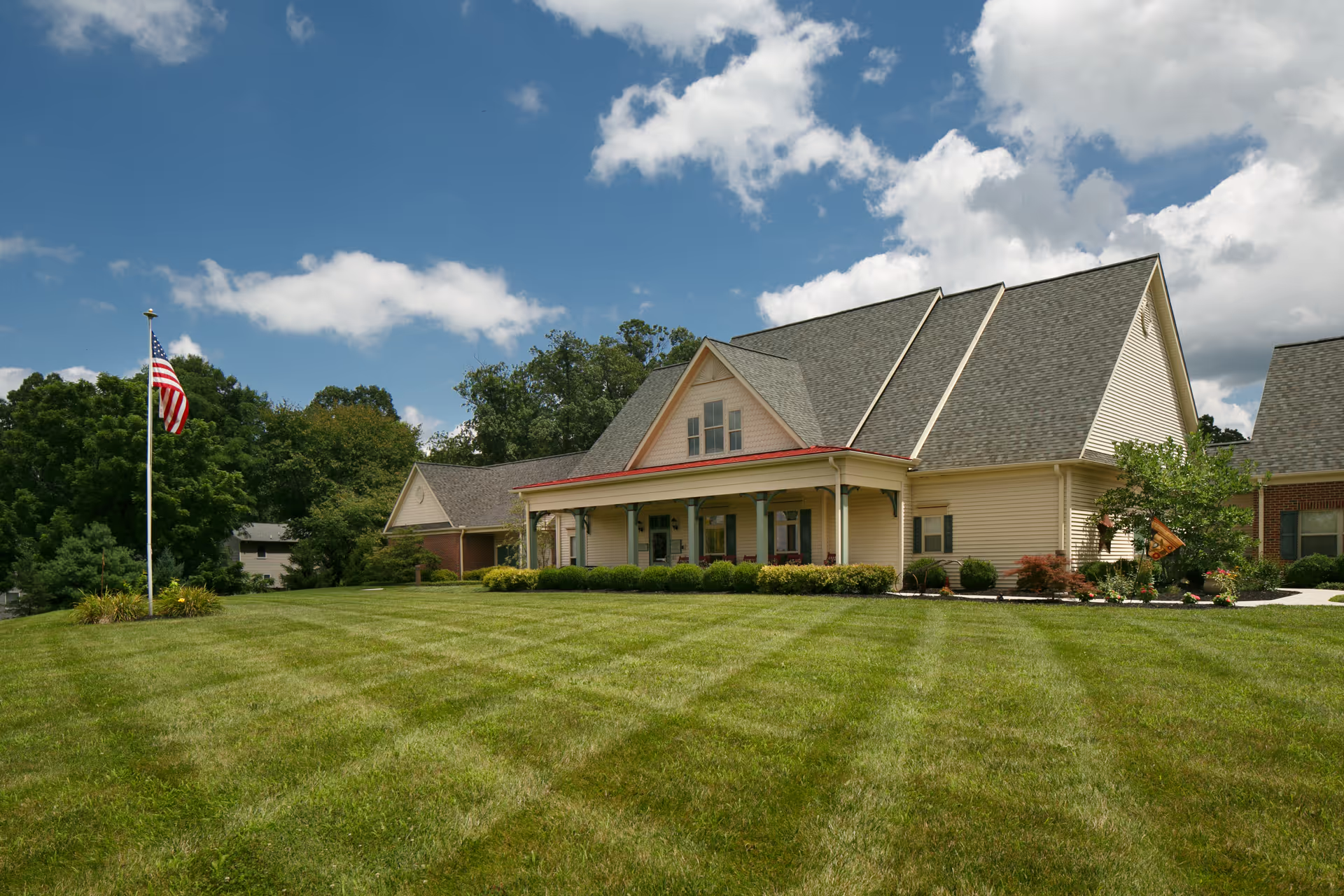
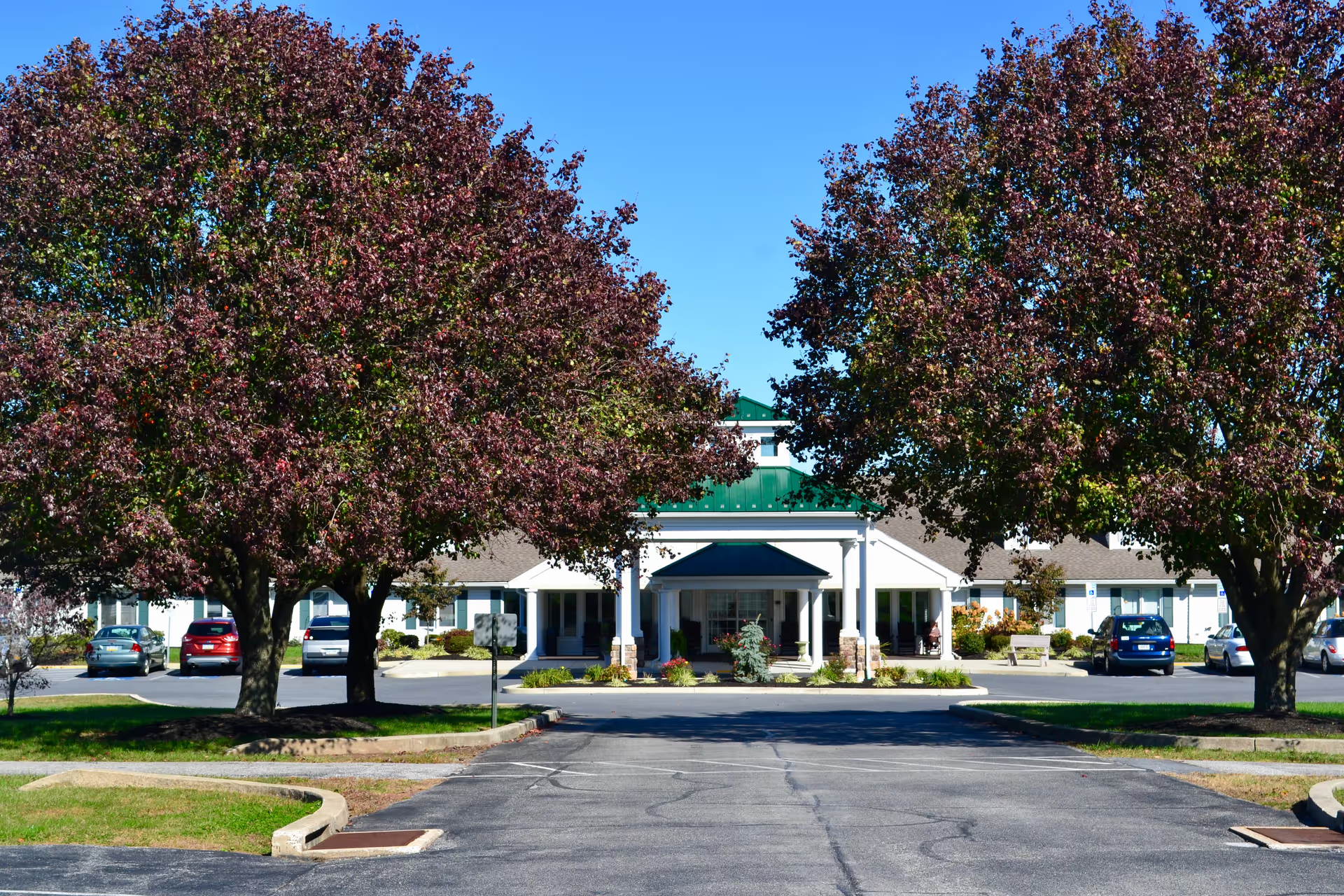
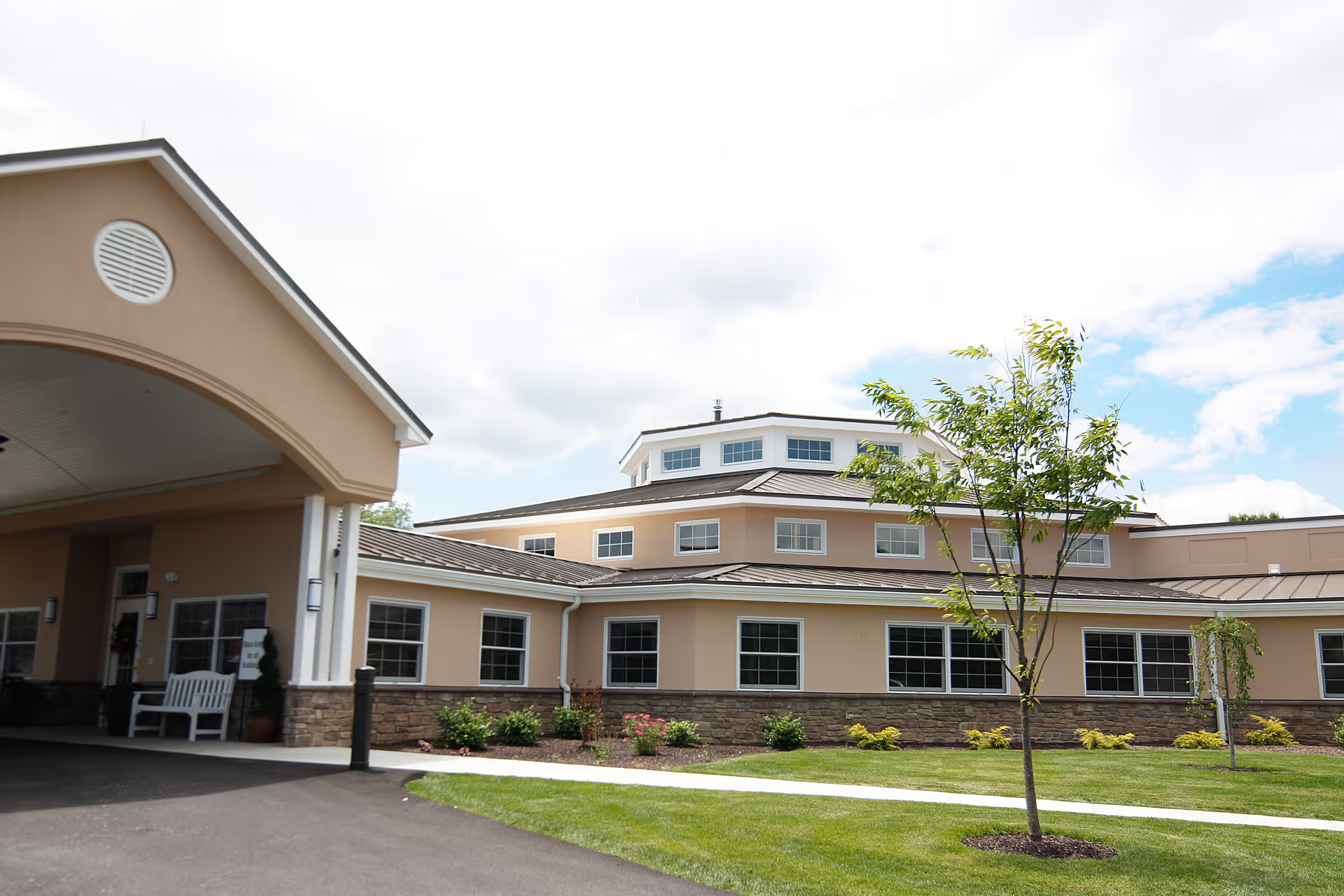
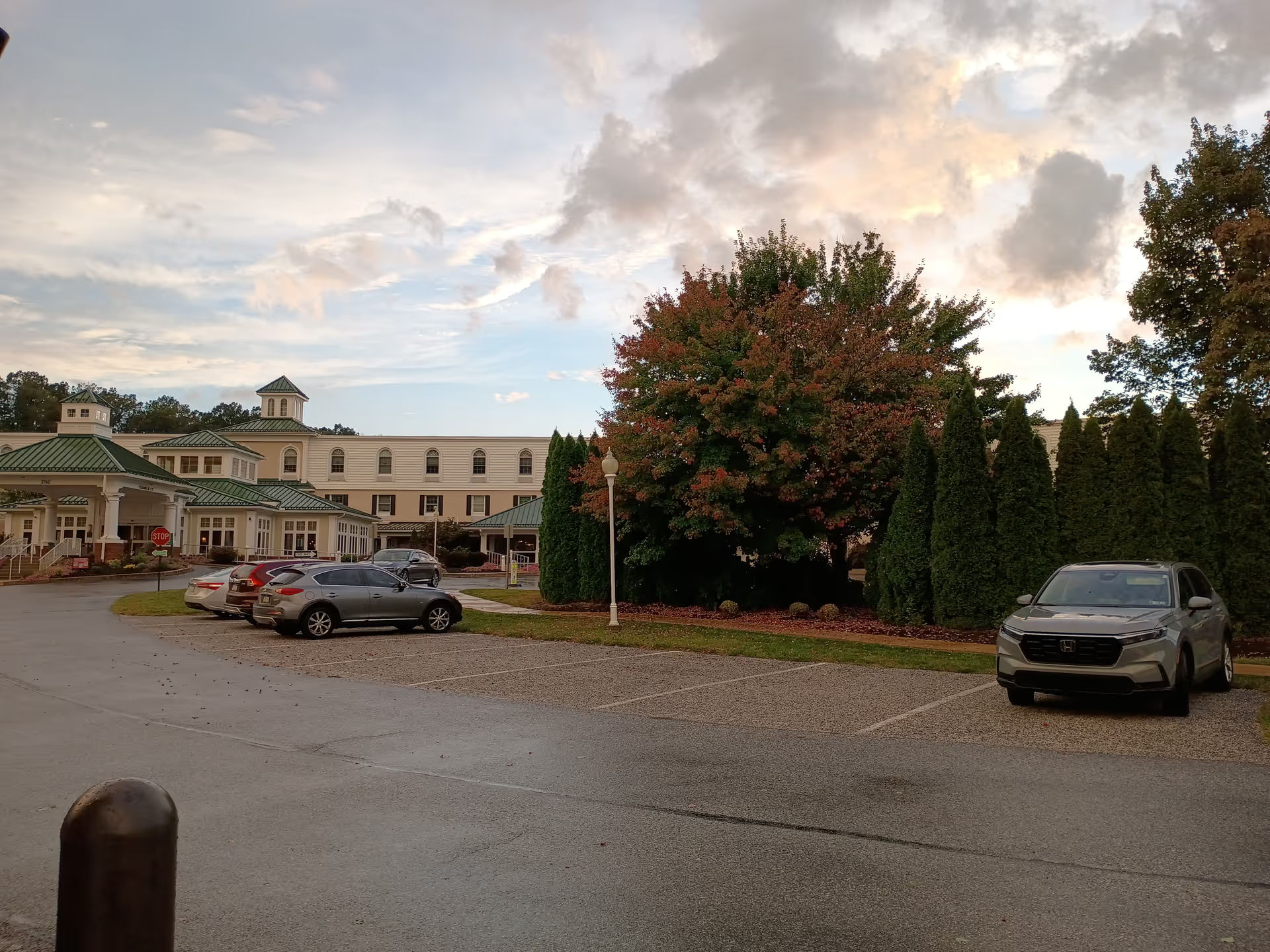
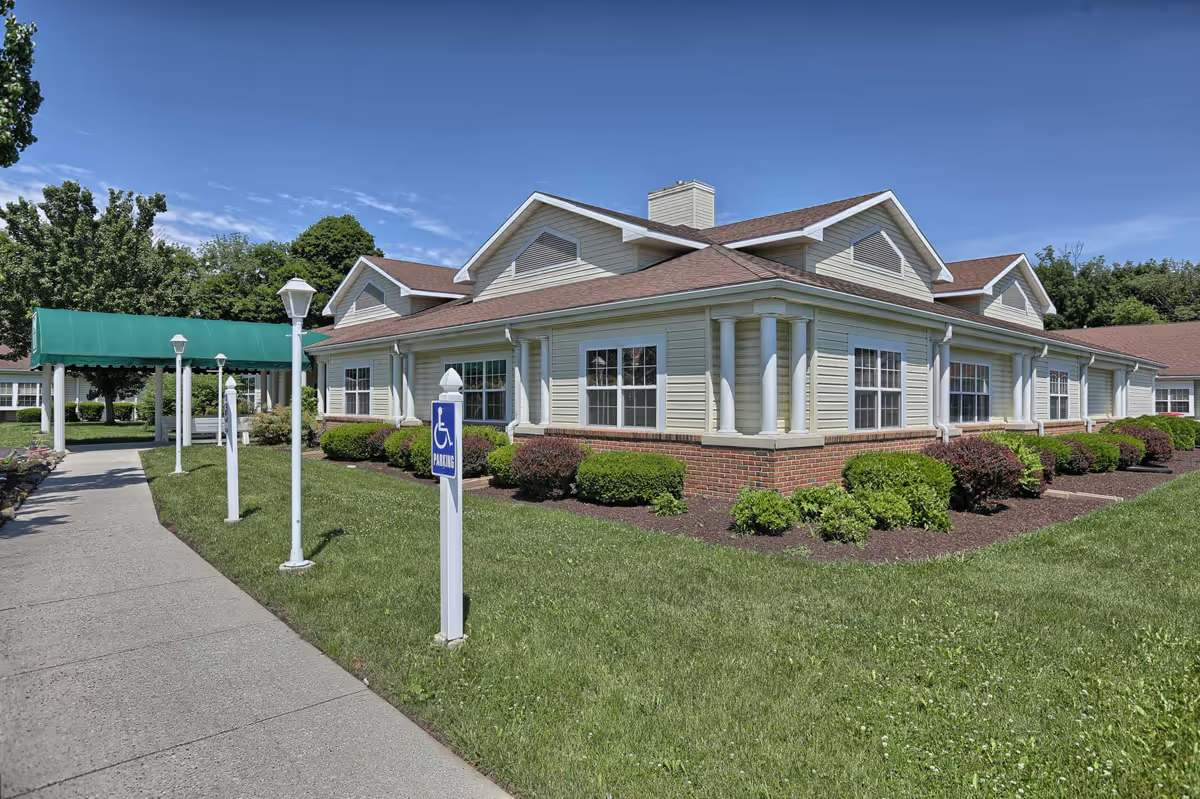
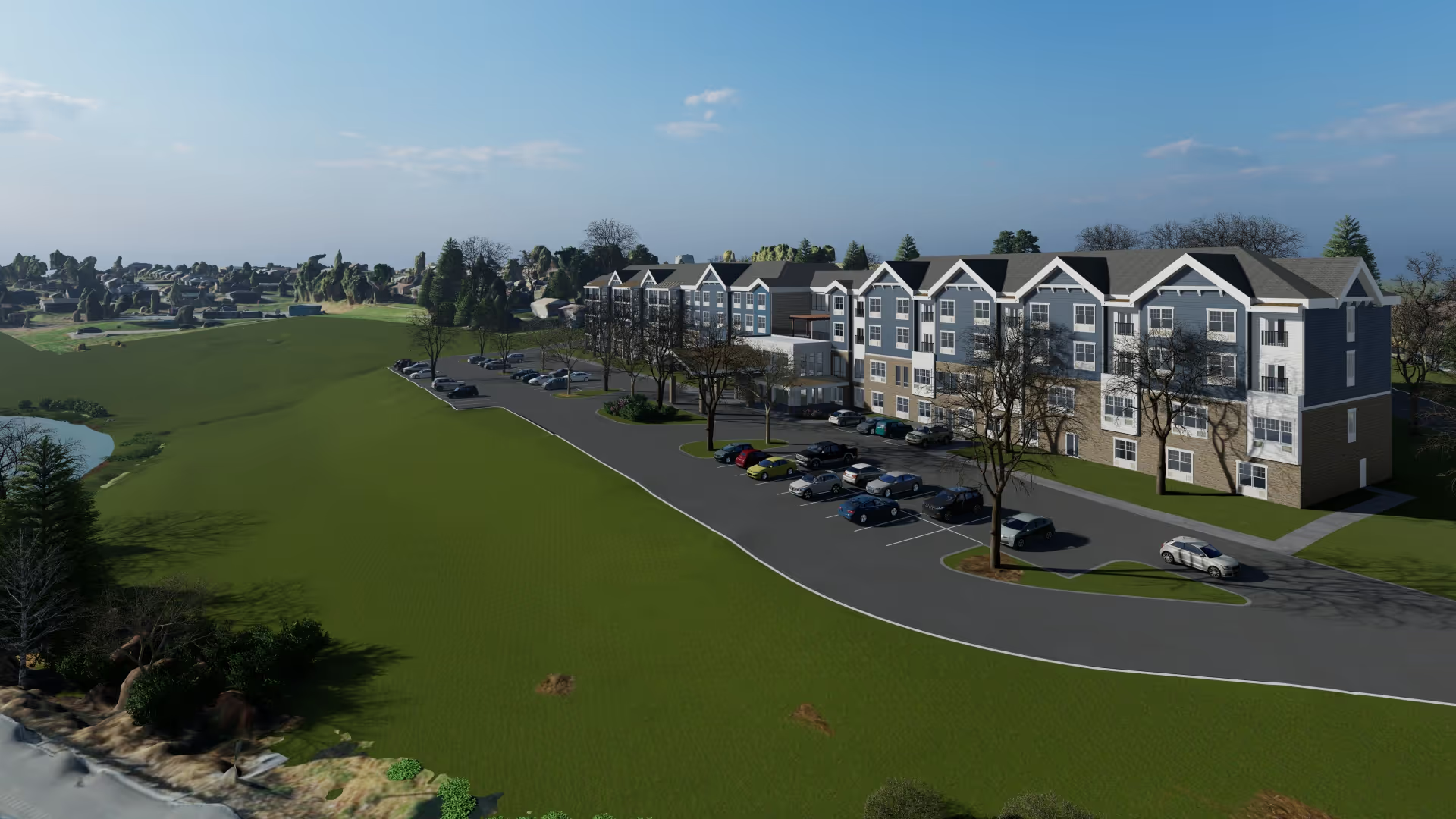
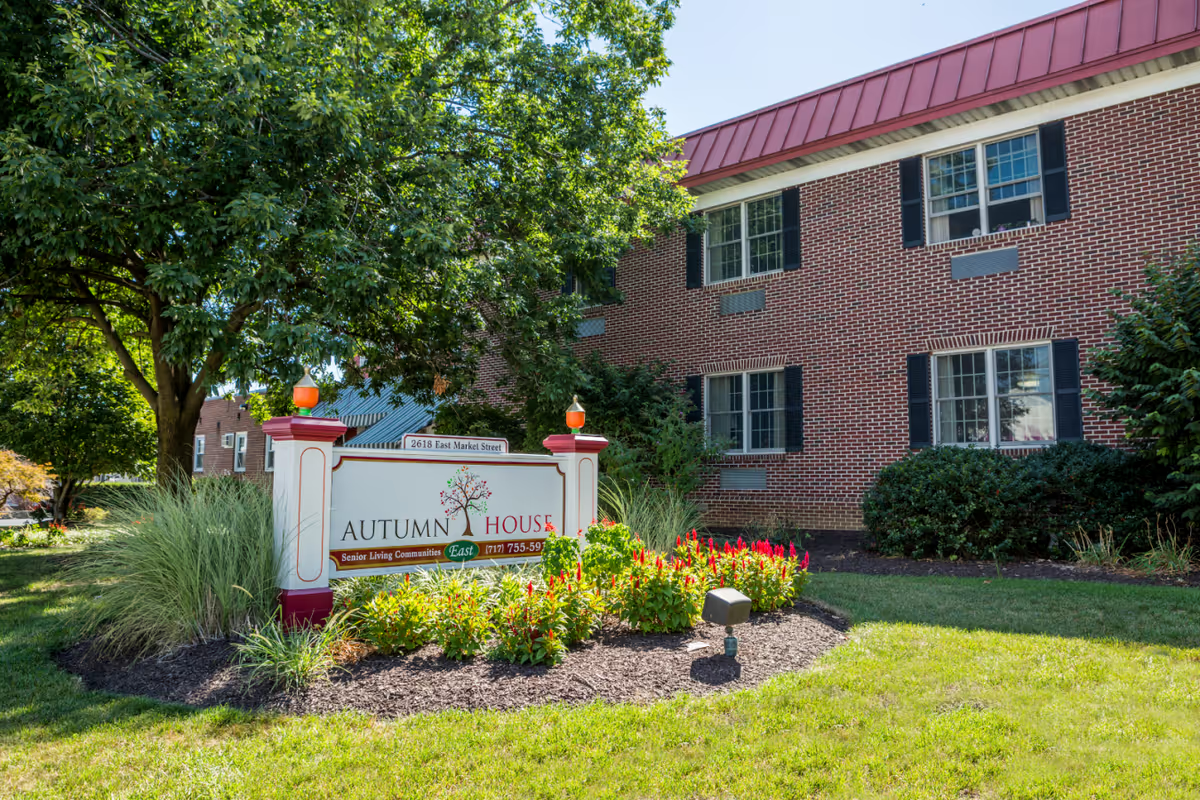
Cross Keys Village — The Brethren Home presents as a large, well-resourced retirement campus with broad praise for its physical environment, amenities, and many frontline staff. Review content consistently highlights a beautifully kept, park-like campus with a mix of apartments, cottages, and stand-alone homes, multiple restaurants, a theater, indoor pool and gym, creative studios, and a wide range of on-site services. Housekeeping and groundskeeping are regularly described as attentive, producing a clean, orderly atmosphere that many residents and visitors find appealing.
Clinical and caregiving strengths are a recurring theme. Reviewers praise compassionate nurses, CNAs, and a dedicated memory-support team; the facility’s rehabilitation and therapy services are also frequently described as strong and well staffed. Family members and residents note meaningful dementia programs and good collaboration among clinical staff in many cases. Several reviewers characterized the overall staff as friendly, professional, and engaged, and the nonprofit/Brethren governance and community reputation were mentioned as reassuring to potential residents.
Dining and activities are significant positives for the community. Multiple dining venues and a restaurant open to the public, along with generally well‑prepared breakfasts and dinners, contribute to a “hotel‑like” living experience for some residents. The activities program is broad, with concerts, bus trips, educational classes, clubs, garden plots, woodworking and pottery studios, and frequent group outings. On‑campus transportation to grocery stores and off‑site trips adds practical convenience and social opportunities.
However, there are operational patterns that families should weigh. Staffing consistency is the most commonly noted weakness: reviewers indicate periods of understaffing and reliance on agency nurses, which is described as producing inconsistent monitoring and supervision. Those staffing variations are linked in some accounts to weaknesses in clinical oversight and safety practices. Separately, reviewers describe limited discharge-planning guidance and little structured post‑discharge follow‑up, creating a need for families to coordinate transitions actively.
Placement and management practices also attract concern. Several comments point to frequent room relocations and to marketing/placement decisions that appear to prioritize occupancy or paying residents, which can disrupt continuity of care — a notable issue for residents with cognitive impairment. Program changes or eliminations of activities were mentioned in some reviews, suggesting variability in the availability of offerings over time. Lastly, while many reviewers praise the food, there are intermittent notes about variable meal quality and limited options.
In summary, Cross Keys Village offers a high‑amenity, well‑maintained campus with strong rehabilitation services, meaningful memory‑care programming, and a wide range of social and recreational opportunities. The overall staff culture is often described as caring and professional. Prospective residents and families should balance those strengths against operational concerns around staffing consistency, clinical supervision, discharge coordination, and placement continuity — particularly for individuals with dementia or complex clinical needs. Visiting the campus, asking for details on recent staffing patterns, discharge procedures, and room-move policies, and speaking with the memory-care leadership and rehab teams can help clarify fit for specific care requirements.