The reviews for Markley Rehabilitation & Healthcare Center present a polarized but instructive portrait: many families and residents describe a facility that delivers strong rehabilitative outcomes and attentive, compassionate bedside care, while others identify operational and consistency problems that raise concerns about reliability and oversight.
Care and staff: A substantial portion of feedback praises nursing staff, CNAs, and therapy teams for professionalism, empathy, and clinical skill. Reviewers frequently cite positive interactions with named staff members and strong direction from the nursing leadership team, which several families credited with effective coordination and family communication. At the same time, there are recurring reports of uneven staffing and variable responsiveness — long call‑bell waits, perceived inattentiveness during some shifts, and examples of staff conduct that family members found troubling. There are also isolated but serious claims of resident-safety incidents; these were accompanied by concerns about administrative follow-up in those instances.
Therapy and rehabilitation: The facility’s rehabilitation program receives consistently favorable comments. Physical, occupational, and speech therapy teams, and the therapy gym, are often described as strengths that contributed to measurable functional improvement and successful discharges. Conversely, some reviewers reported variability in therapy delivery (short sessions or therapy occurring outside of the gym), which suggests that therapy schedules and intensity may not be uniform for every resident.
Dining and activities: Many reviewers compliment the dining spaces and report enjoyable meals and programming. Positive notes include a pleasant dining area, meal delivery when needed, and a range of social activities. Counterbalancing this, other accounts describe inconsistent food quality, limited fresh or vegetarian choices, and occasions when menus were not followed, indicating uneven meal-service reliability.
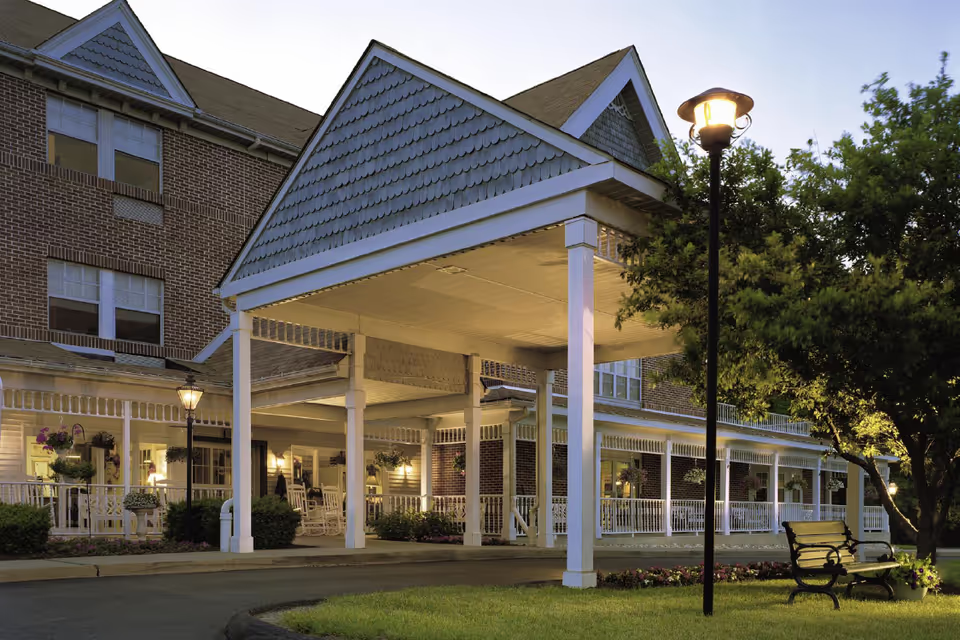
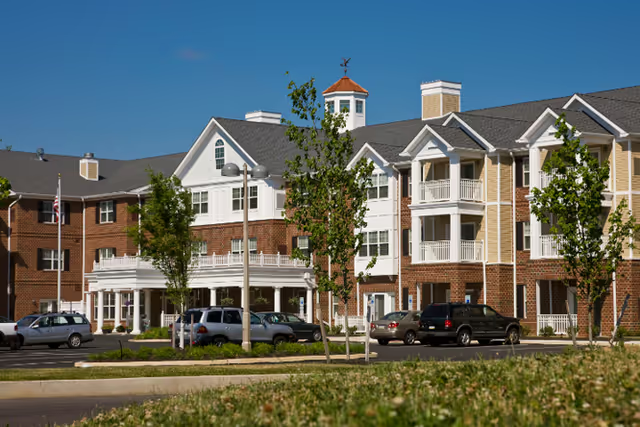
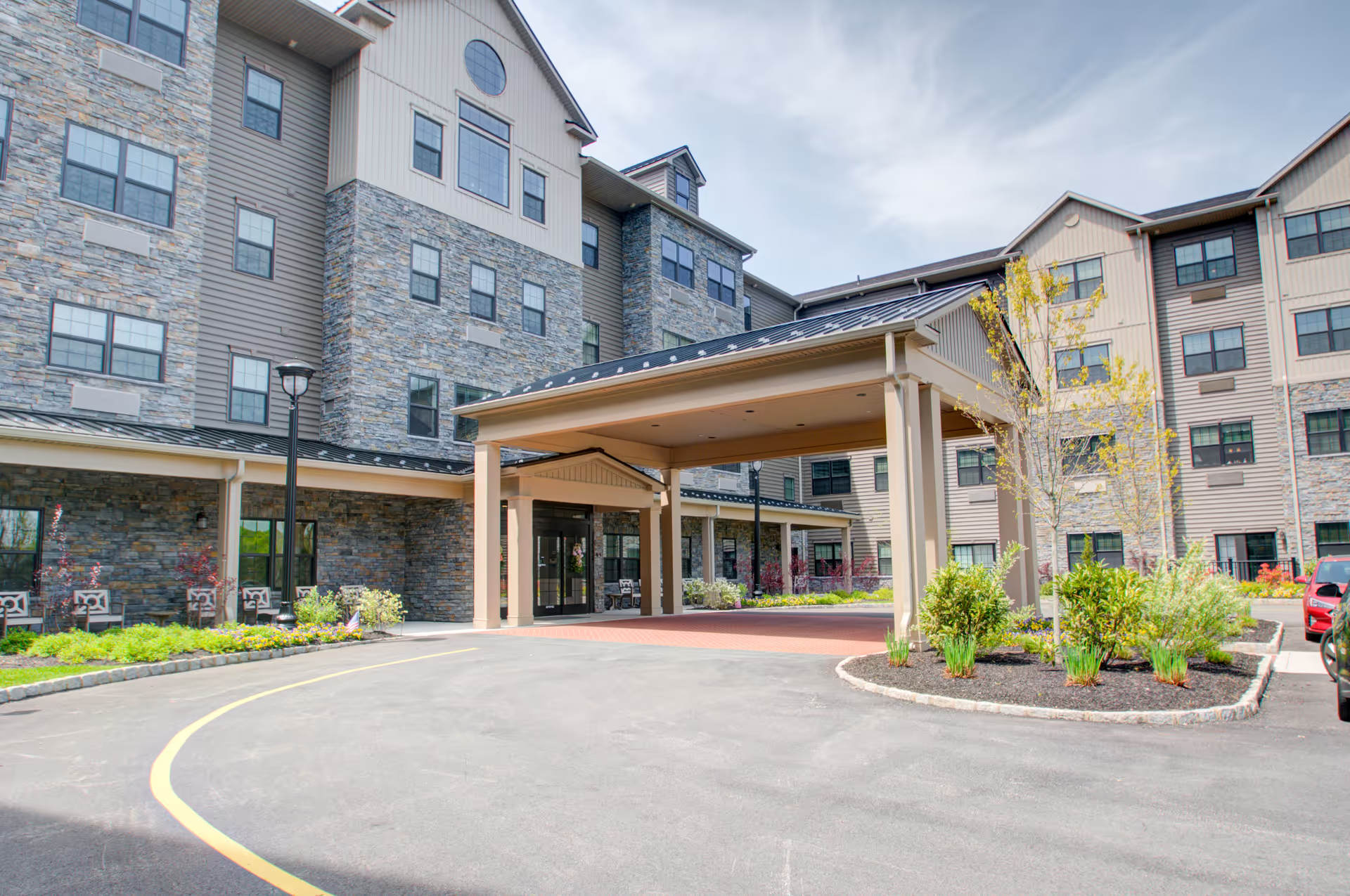
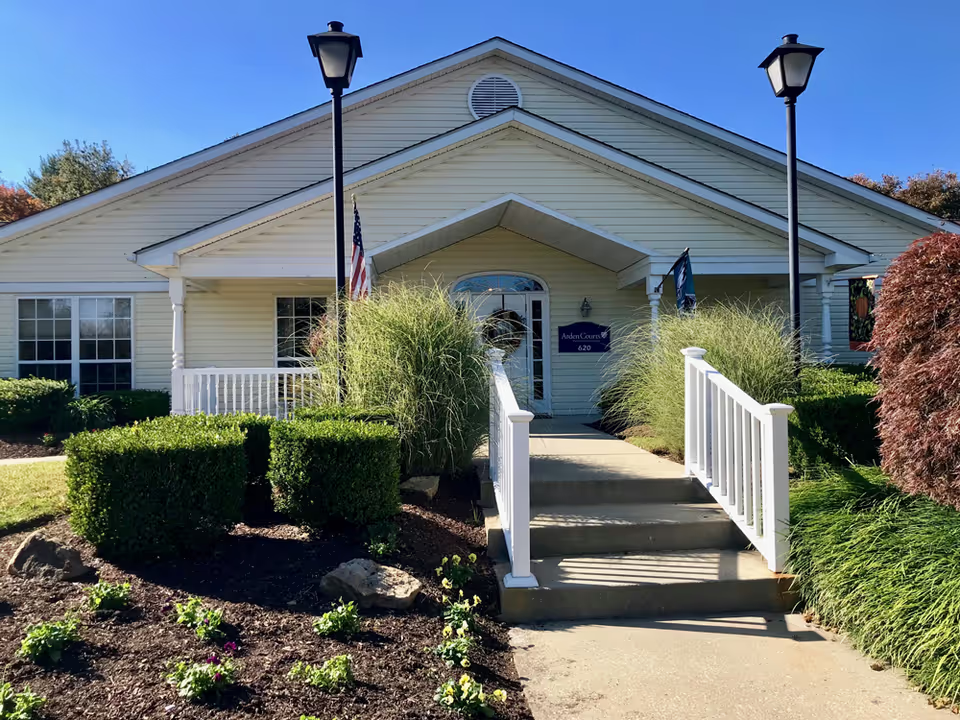
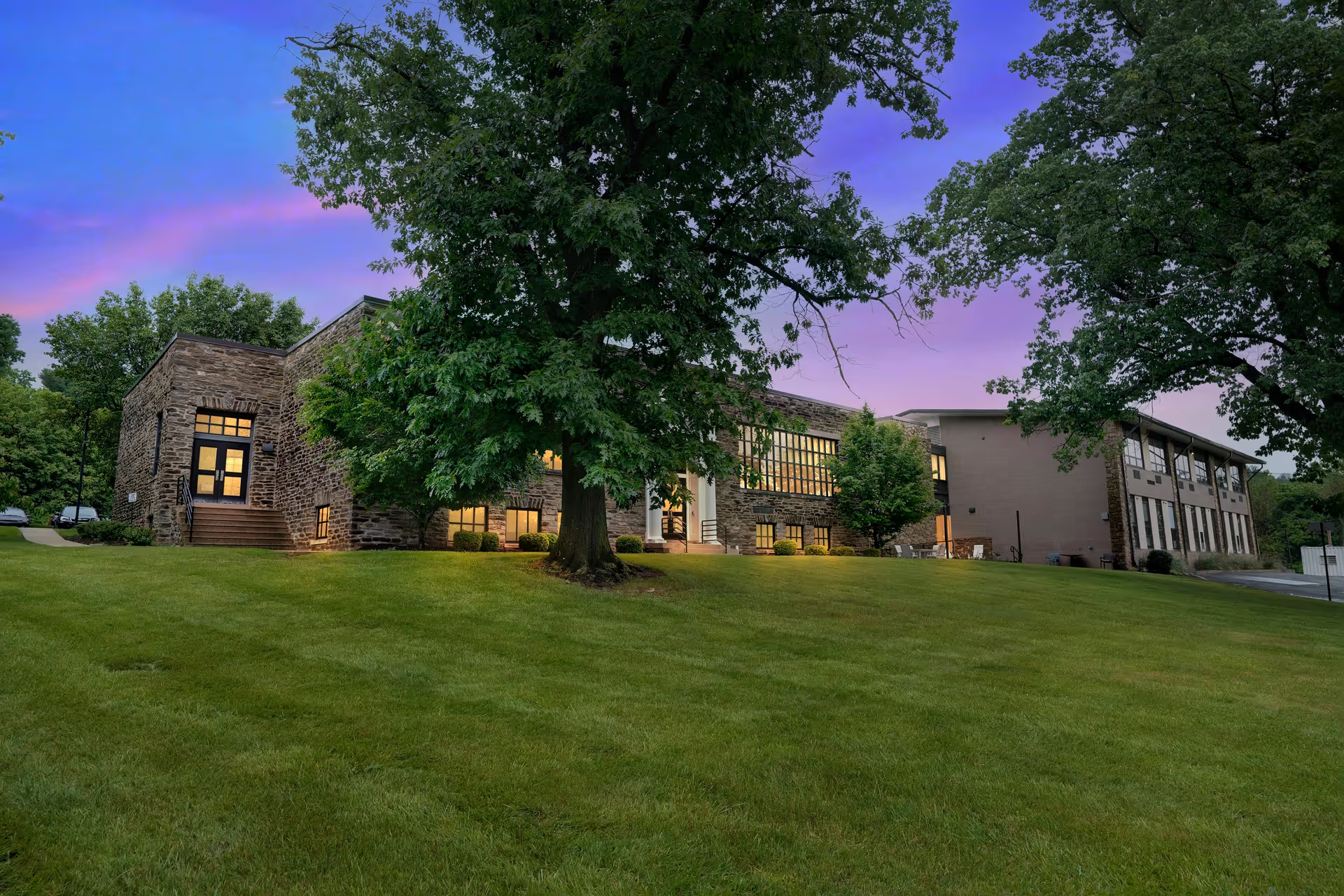
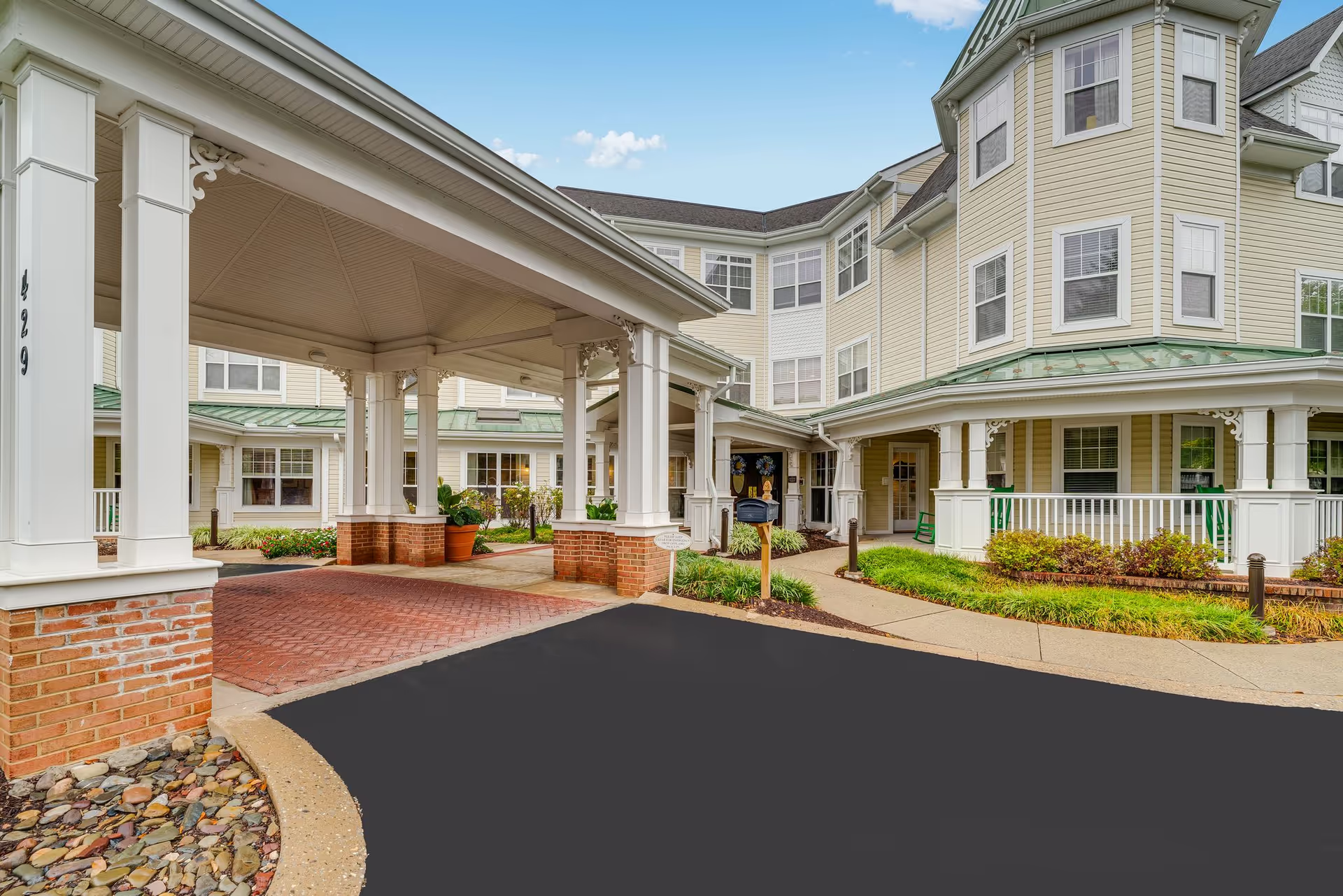
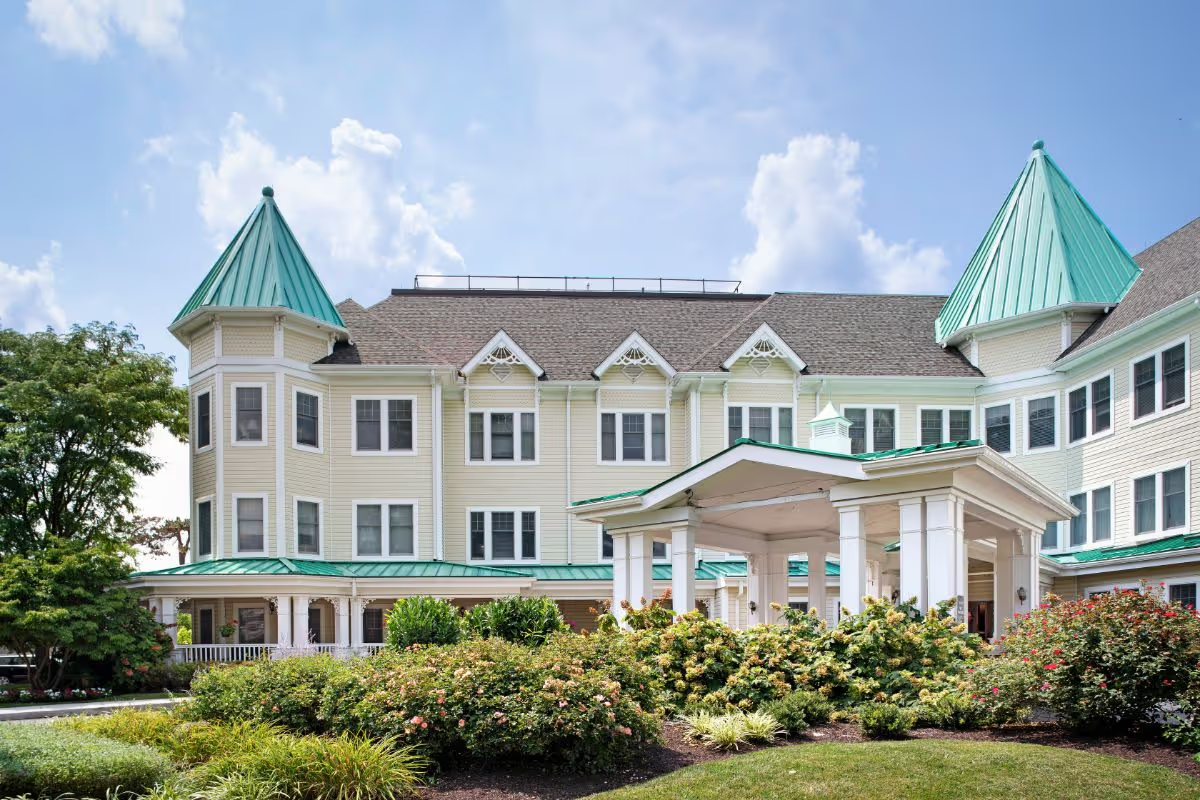
Facilities and housekeeping: The campus and common areas are frequently described as clean, recently renovated, and well maintained; ongoing upgrades and a welcoming lobby are noted as positives. However, multiple comments indicate sanitation and housekeeping lapses at times — odor concerns in some areas, delayed laundry or linen turnaround, and intermittent room maintenance issues. These mixed observations point to variability in environmental services performance across shifts or units.
Management and communication: Leadership receives both high praise and criticism. Several reviewers singled out the Director of Nursing and admissions staff for transparency, responsiveness, and strong clinical oversight. Conversely, other families experienced slow or non‑responsive administrative communication, difficulty reaching the facility by phone, and unsatisfactory responses when raising complaints. This suggests that while leadership can be a pronounced strength, operational follow-through and accessibility are inconsistent.
Notable patterns and recommendations: The most salient pattern is variability — high-quality, person-centered care and an effective rehab program coexist with operational weaknesses in staffing consistency, timely response, sanitation processes, meal service, and administrative follow-up. Prospective residents and families should tour the facility, ask for specifics about staffing ratios across shifts, typical therapy minutes per day, meal options and dietary accommodations, laundry/linen turnaround protocols, incident-reporting procedures, and how leadership documents and communicates follow-up on concerns. Reviewing recent state inspection reports and speaking directly with current residents or families on different shifts can help clarify whether the strengths or the operational gaps are more characteristic of the current environment.