Reviewers present a mixed picture of Suburban Woods Health & Rehabilitation Center, with clear strengths in therapy and family-facing services alongside recurring operational concerns. The facility's rehabilitation teams—physical therapy and occupational therapy—are consistently described as knowledgeable, invested in individualized plans, and effective at helping residents regain strength and prepare for discharge. Several accounts praise therapists for patience, clear communication, and practical assistance with home equipment and transitions. Admissions and social-work staff also receive frequent positive mention for facilitating smooth admissions, coordinating family communication, and acting as advocates on behalf of residents.
Nursing and caregiving experiences vary. Many families and residents characterize individual nurses and aides as compassionate, attentive, and helpful; these staff members are credited with providing timely updates, personalized attention, and emotional support. However, other accounts point to inconsistent performance among nursing aides and licensed staff, describing slow responses to call bells, uneven assistance with bathing and dressing, and instances where personal-care needs were not met on a predictable schedule. Reviewers commonly identify staffing shortages and turnover as a contributing factor to these inconsistencies.
Clinical operations and safety show important patterns to note. Multiple comments indicate problems with medication handling and pharmacy coordination, including delays in medication administration, medications being sent to incorrect pharmacies, and at least one serious allegation regarding medication security. There are also references to inconsistent safety practices (for example, bed and transfer equipment concerns) and to variable nighttime supervision. These operational gaps raise questions about medication-control procedures, handoff processes, and transfer-safety protocols.
Dining and activities are similarly mixed. Many reviewers praised the onsite activities program, describing engaging, social, and restorative offerings that enhance residents' quality of life. Meal service drew divergent views: some residents found the food flavorful and sufficient, while others experienced poor meal quality, menu items inconsistent with prescribed diets (notably diabetic or renal diets), or an overly carbohydrate-heavy menu. These differences suggest uneven dietary adherence and variability in kitchen performance.
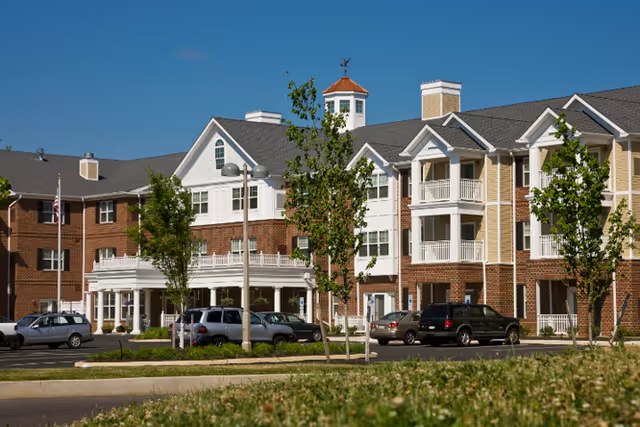
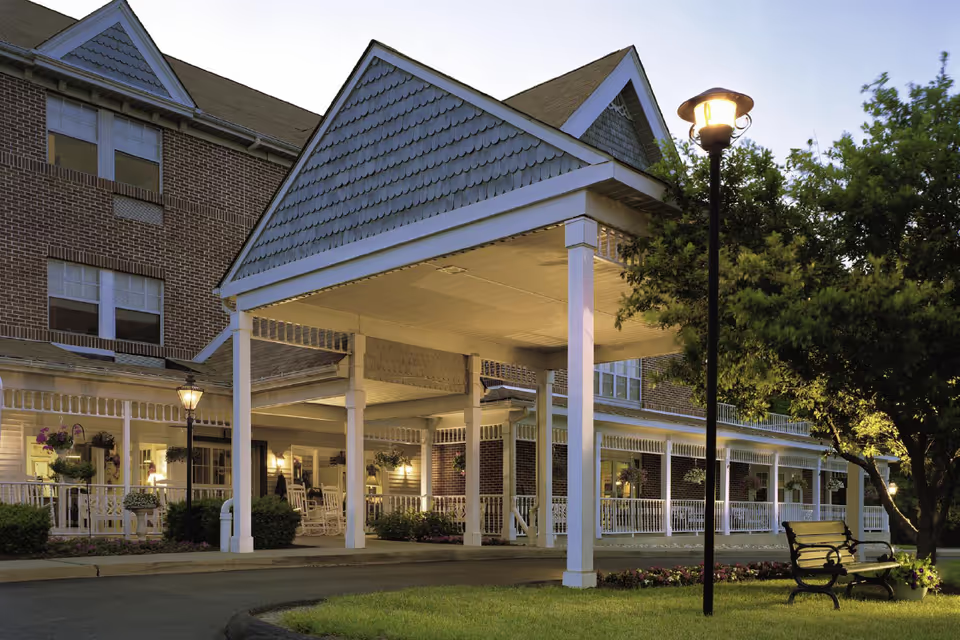
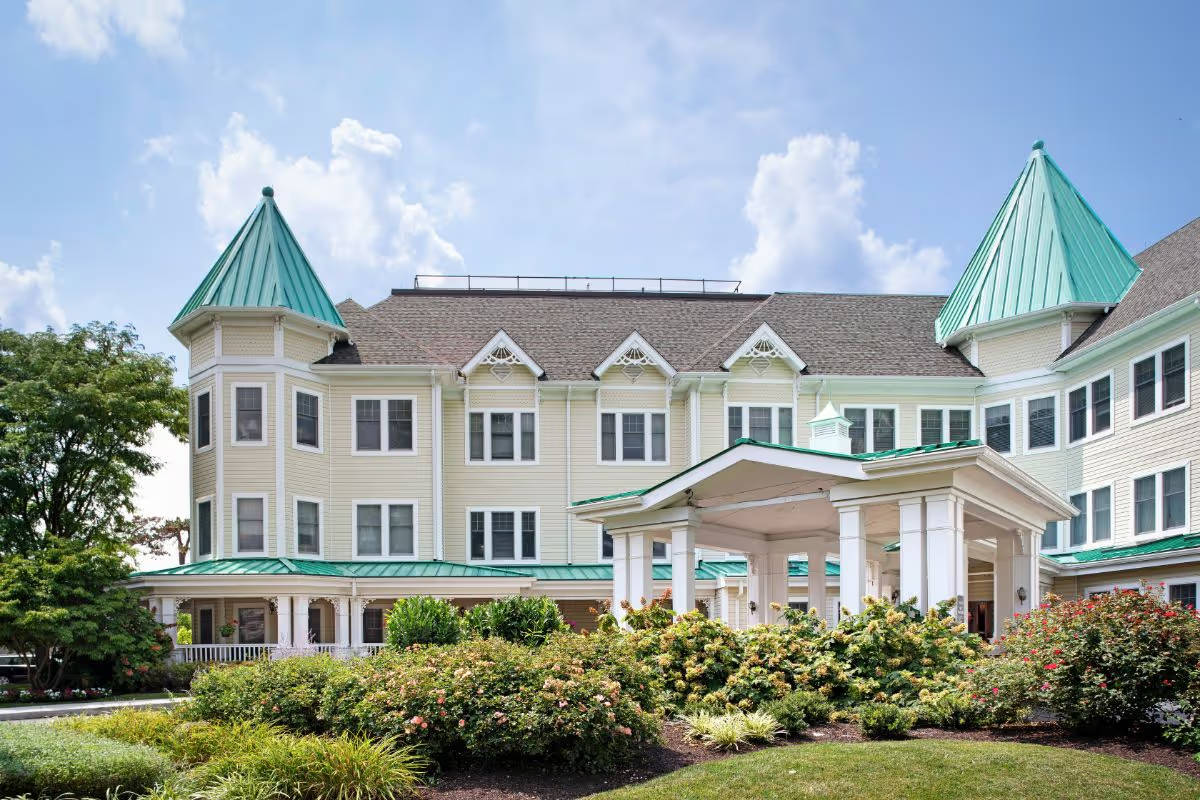
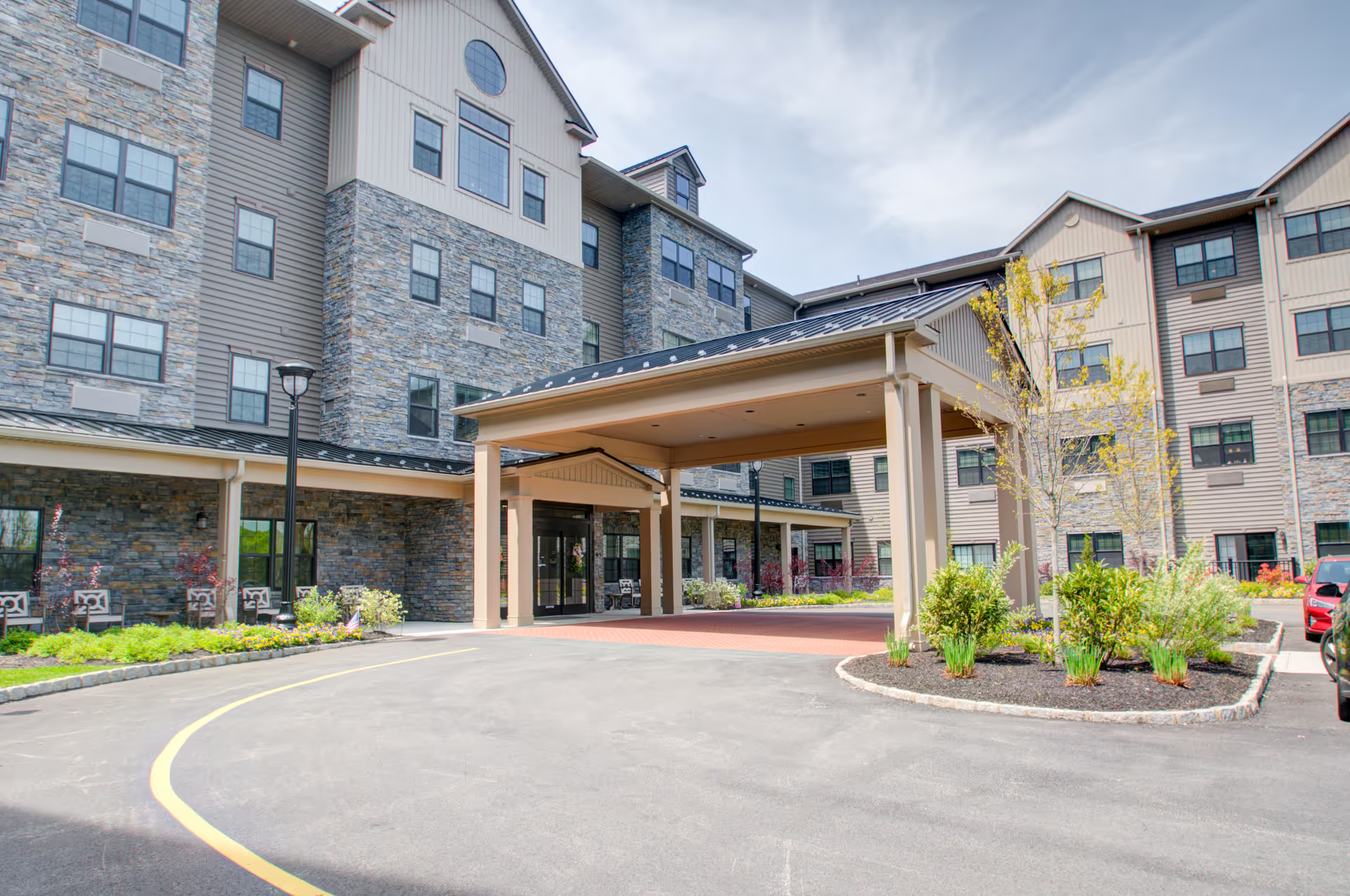
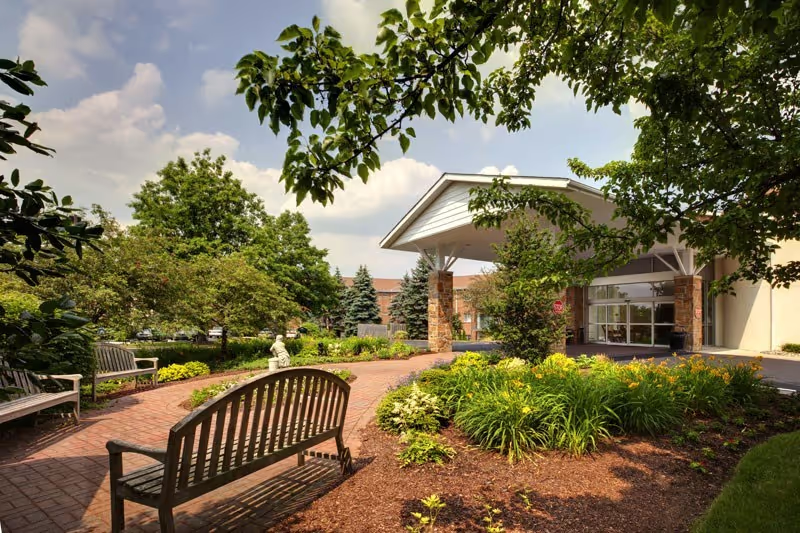
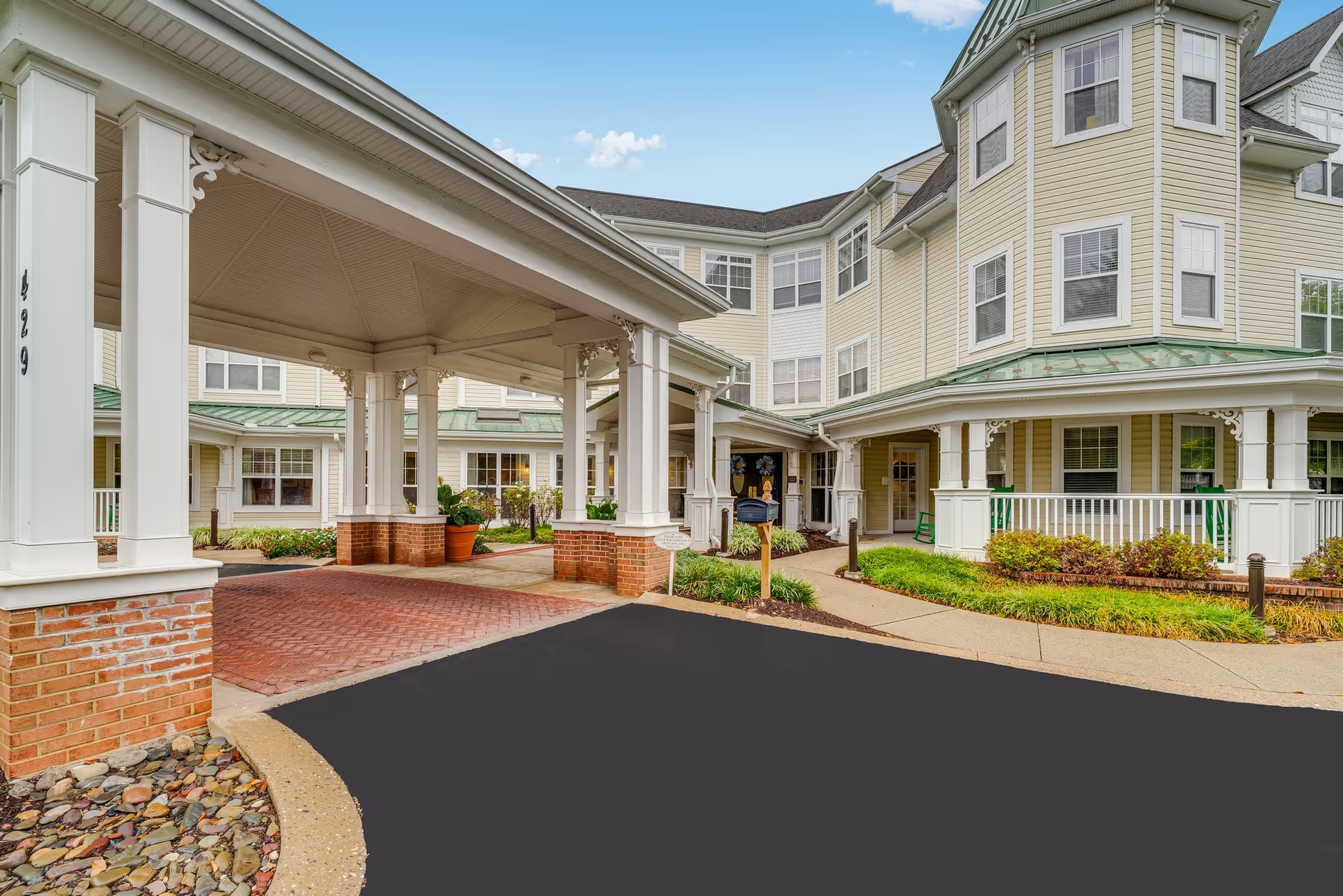
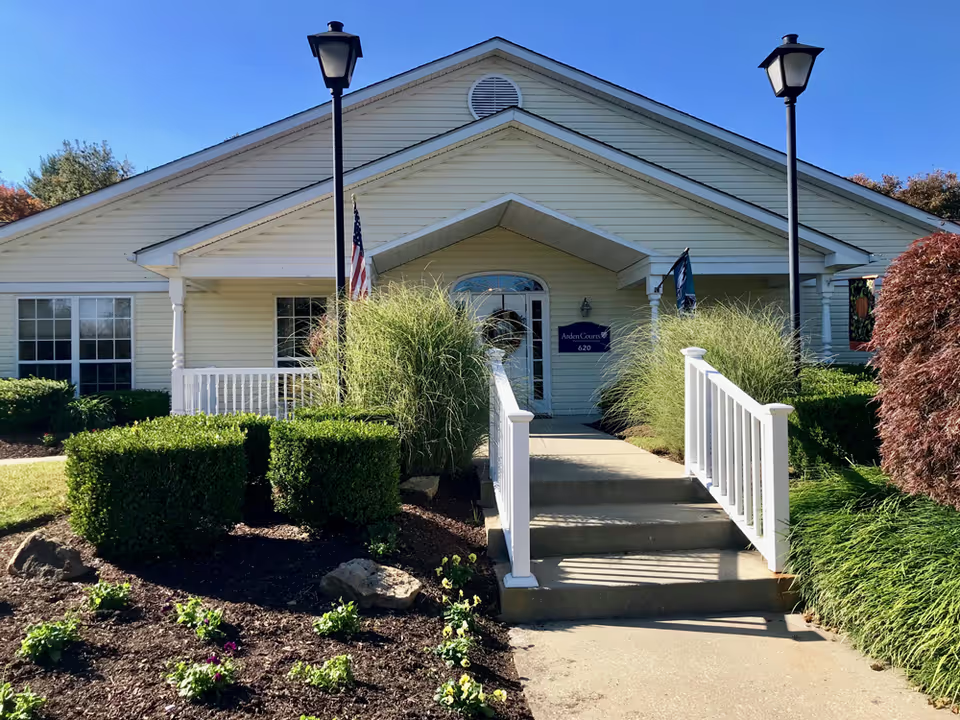
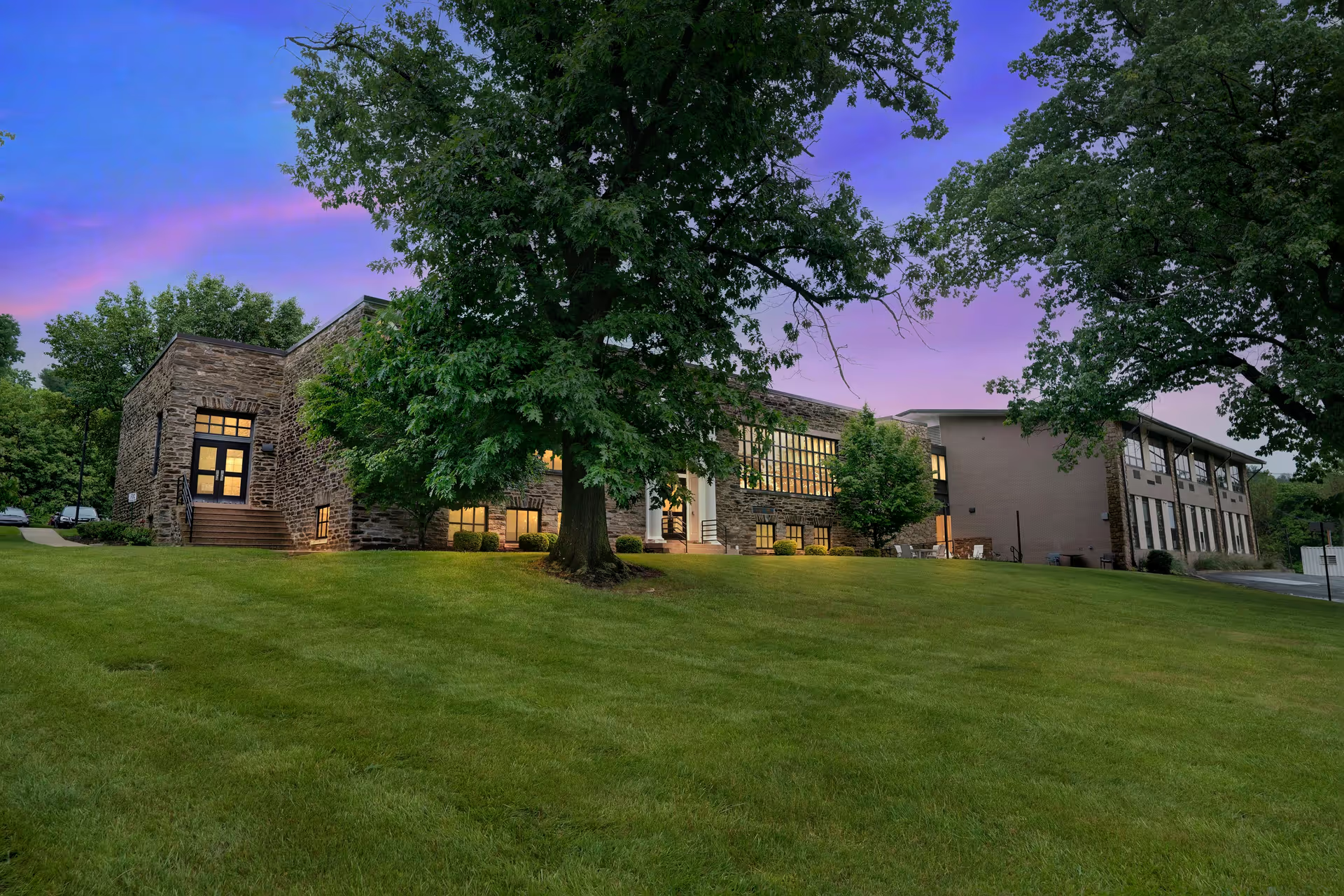
Facility condition and management responses also vary. A number of visitors describe the building as clean, modern, and well-maintained, and they report a welcoming, family-friendly atmosphere. At the same time, there are sanitation and odor concerns in some areas, reports of pest-control worries, and occasional infrastructure problems (phone outages, hot-water interruptions). Management is frequently singled out as a strength when admissions and social-work staff are involved; however, there are also criticisms about marketing and expectation management (misleading photos and pricing concerns), pushy admissions interactions, and communication breakdowns at discharge.
Notable patterns to weigh: the center appears to deliver strong, outcome-focused rehabilitation supported by caring therapists and a number of dedicated nursing staff, making it a reasonable option for patients prioritizing recovery services. Conversely, the facility shows recurring operational weaknesses—staffing variability, unreliable response times, medication and pharmacy coordination issues, inconsistent personal-care routines, and uneven dining quality—that prospective families should investigate further. When evaluating Suburban Woods, consider asking about current staffing ratios, medication-safety protocols, discharge-communication procedures, diet accommodations, and in-person verification of cleanliness and common areas to ensure the facility’s strengths align with your priorities.