Overall impression The reviews reflect a highly polarized experience at this facility: many families and patients describe attentive, skilled clinicians—particularly in the therapy and some nursing teams—while others describe significant operational and clinical shortcomings. Strengths most frequently noted include an effective therapy department (PT/OT/SLP), several compassionate nurses and aides, engaging activities programming, and portions of the building that have been renovated and kept clean. These elements support good short-term rehabilitation outcomes for some residents.
Care quality and clinical operations Care-quality accounts are mixed. Positive comments indicate that rehabilitation staff and certain nursing teams deliver measurable functional gains and structured therapy plans with good discharge coordination. Conversely, patterns of inconsistent clinical practice emerge: concerns about medication-administration errors, variability in care planning, and challenges obtaining complete medical records. There are also accounts raising concerns following resident deaths and other serious clinical events; some of those accounts have prompted family complaints and, in a few instances, allegations of procedural failures. Prospective residents and families should request current staffing ratios, medication-safety protocols, and the facility's escalation/transfer policies when evaluating the facility.
Staffing, conduct, and communication A persistent theme is variability in staff conduct and reliability. Many reviewers praised individual staff members and teams for professionalism and compassion, but others described abrupt or dismissive interactions, inconsistent bedside manner, and frequent use of temporary staff. Communication problems include unreliable phone connections, difficulty reaching nursing staff or central administration, and delays or failures in informing families about falls, clinical status changes, or transfers. Night-shift coverage and response times were singled out as weaker than daytime services in several accounts.
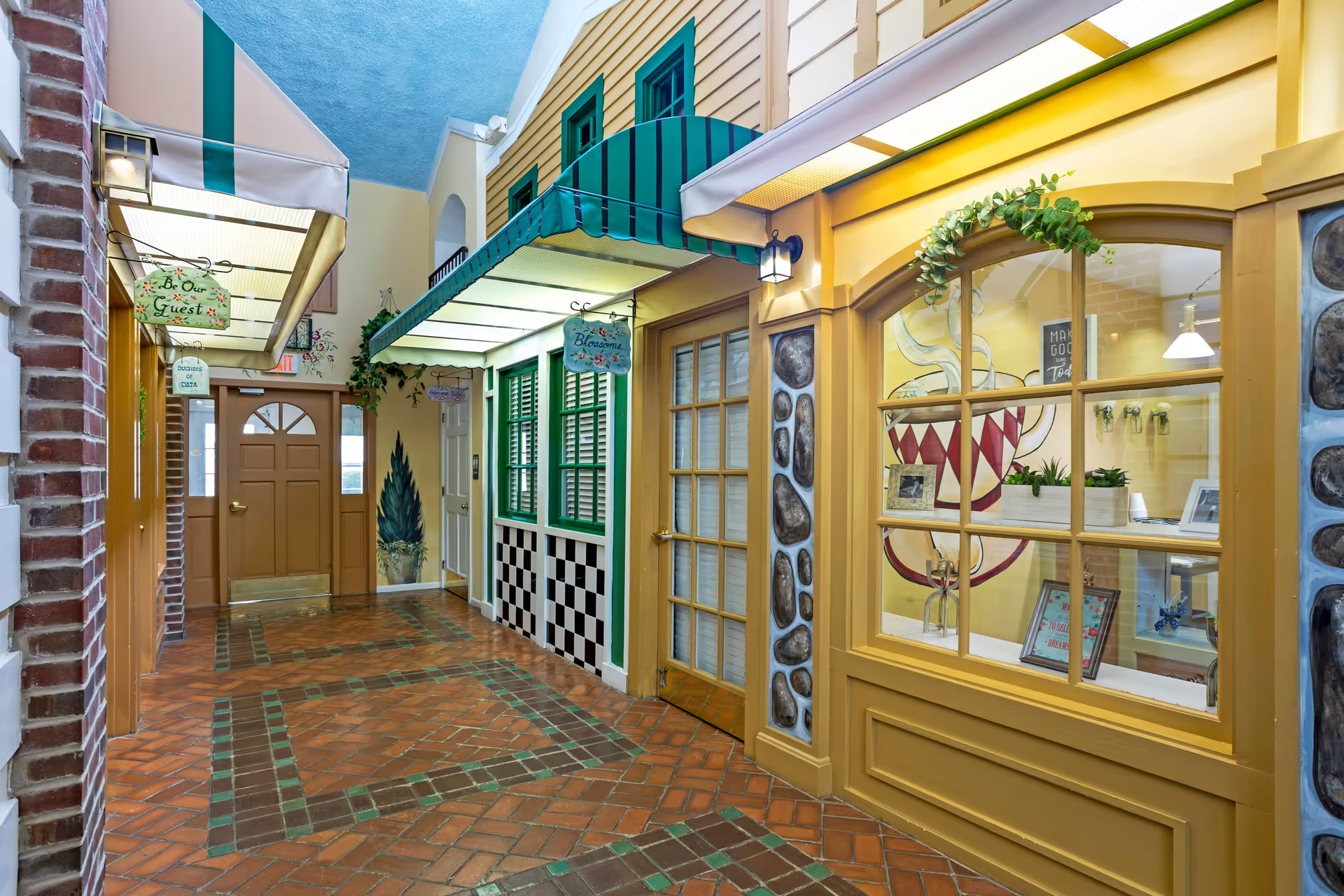
Dining, activities, and daily care Comments about dining and daily personal-care routines are similarly mixed. Some families found the menu acceptable and dietary staff helpful, while others noted inconsistent meal service, cold food, and deviations from prescribed diets. Activities and recreation were often praised when staffed; the presence of an activities director and organized programming was a positive for resident engagement. However, inconsistent bathing schedules and incontinence-care delays were reported and represent a recurring operational concern.
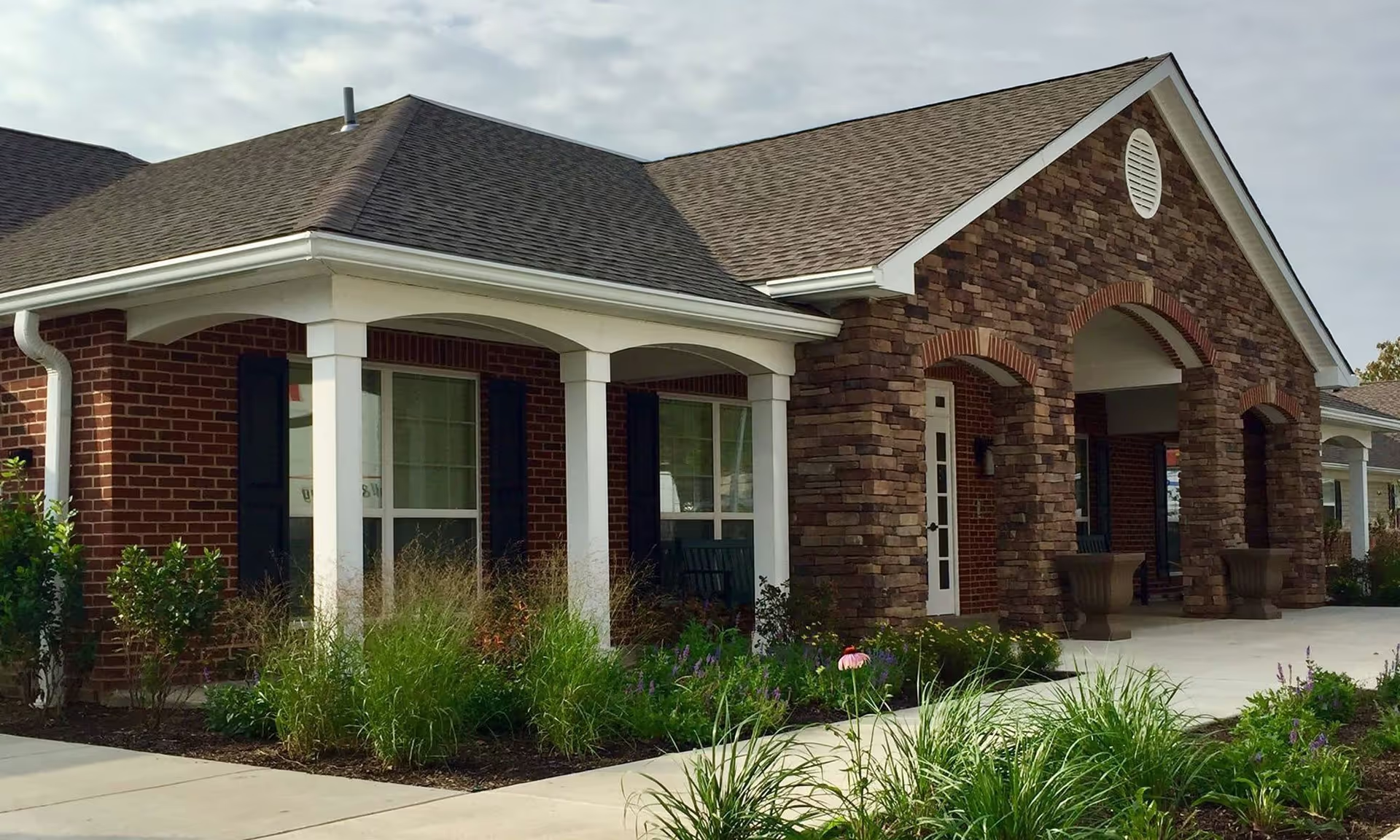
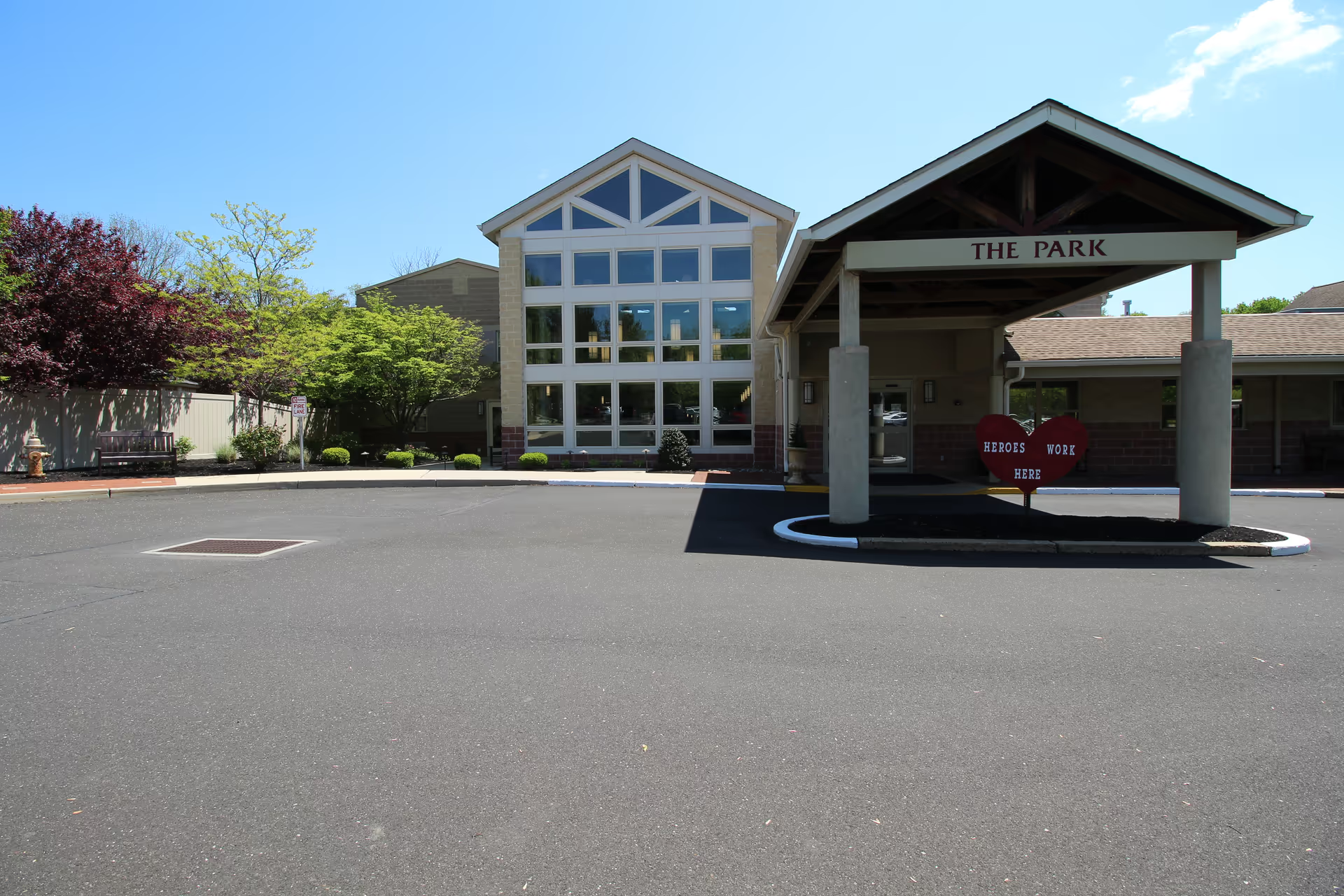
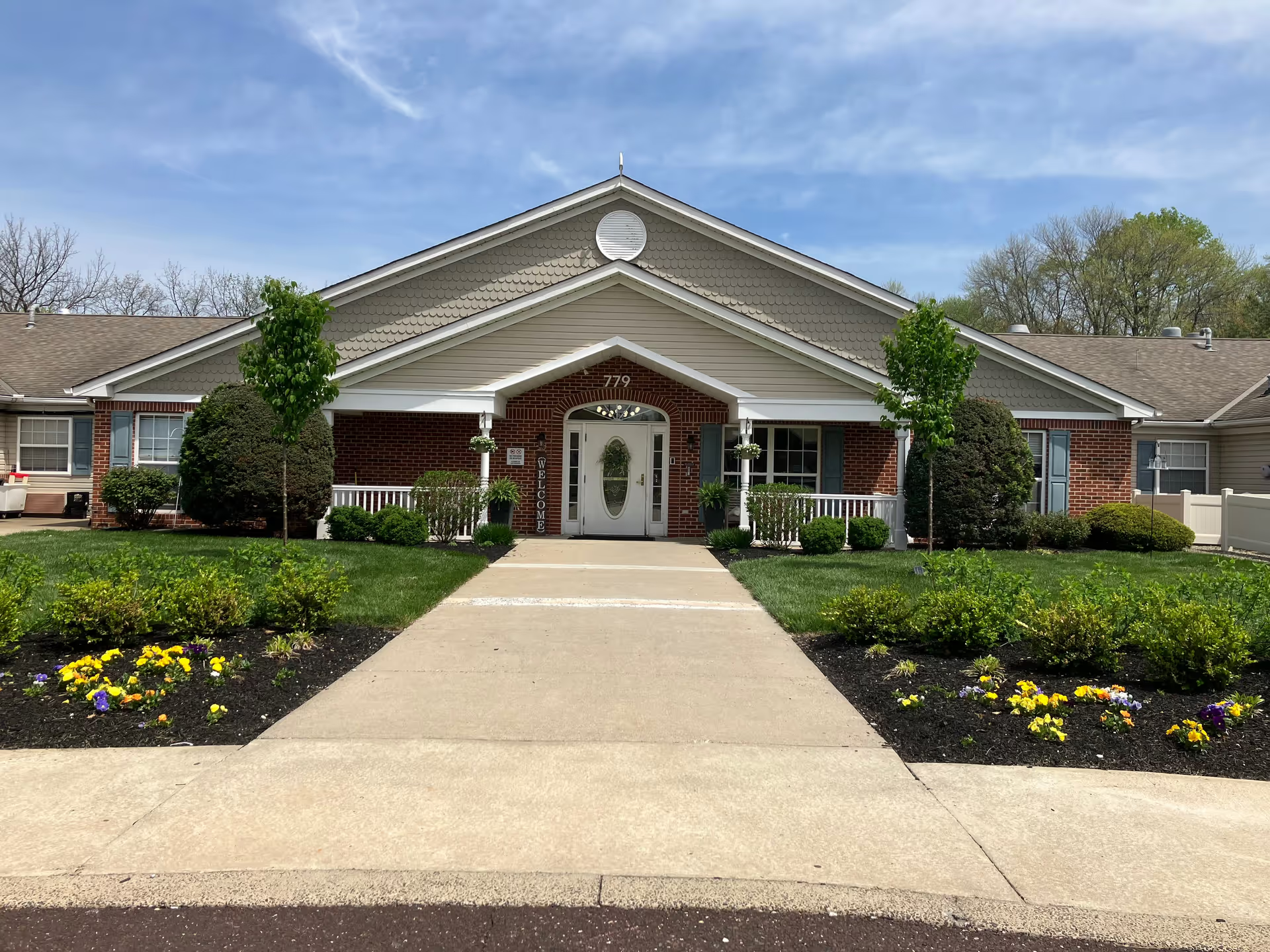
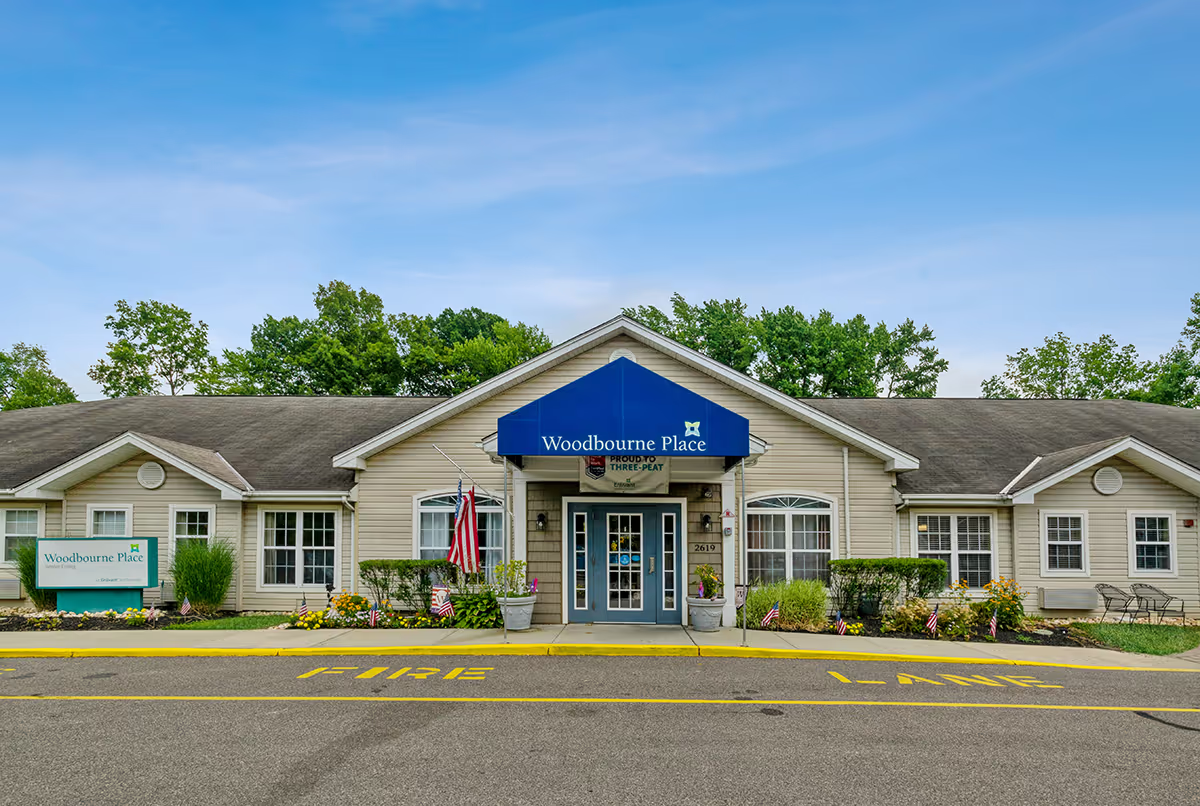
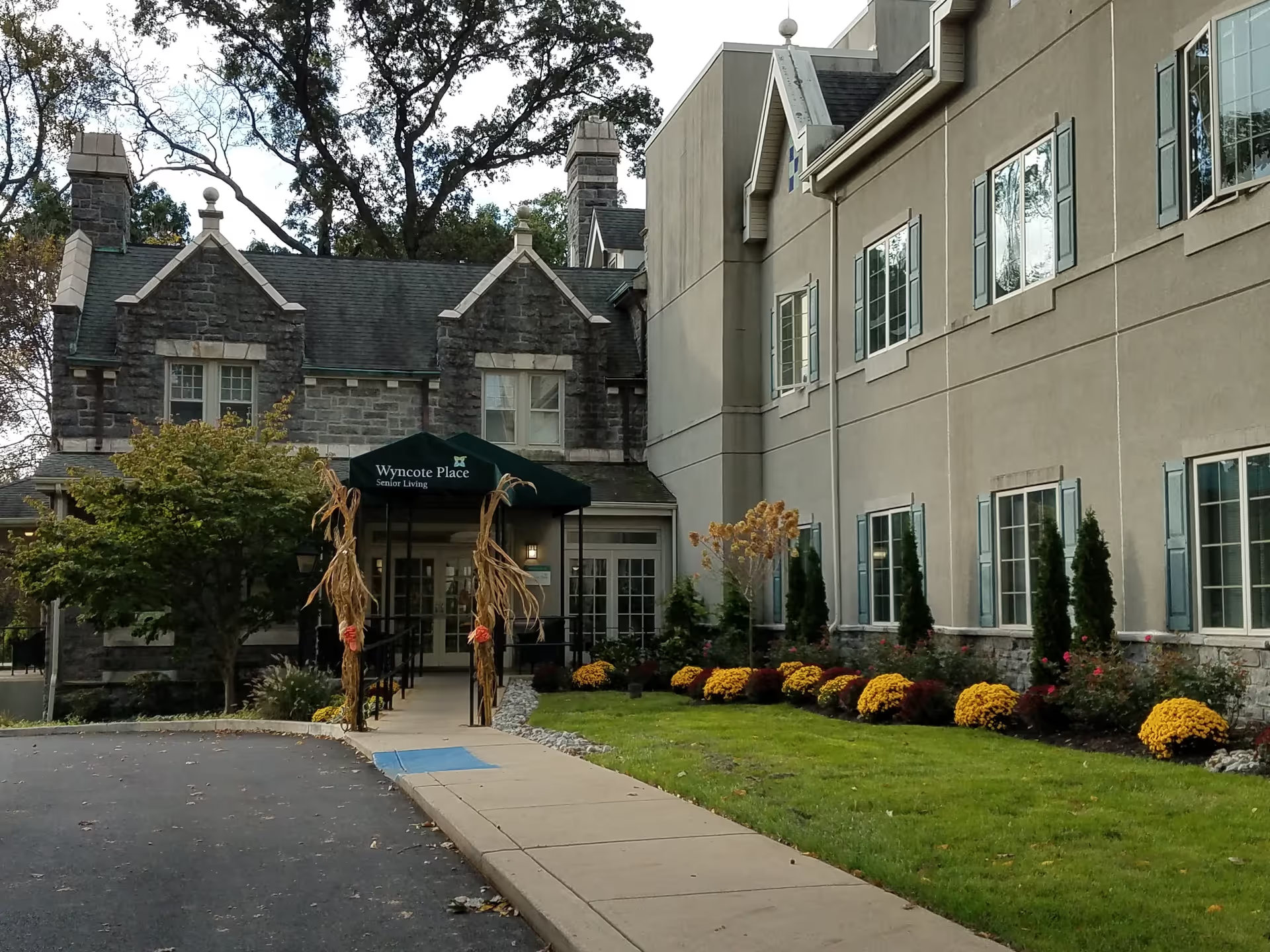
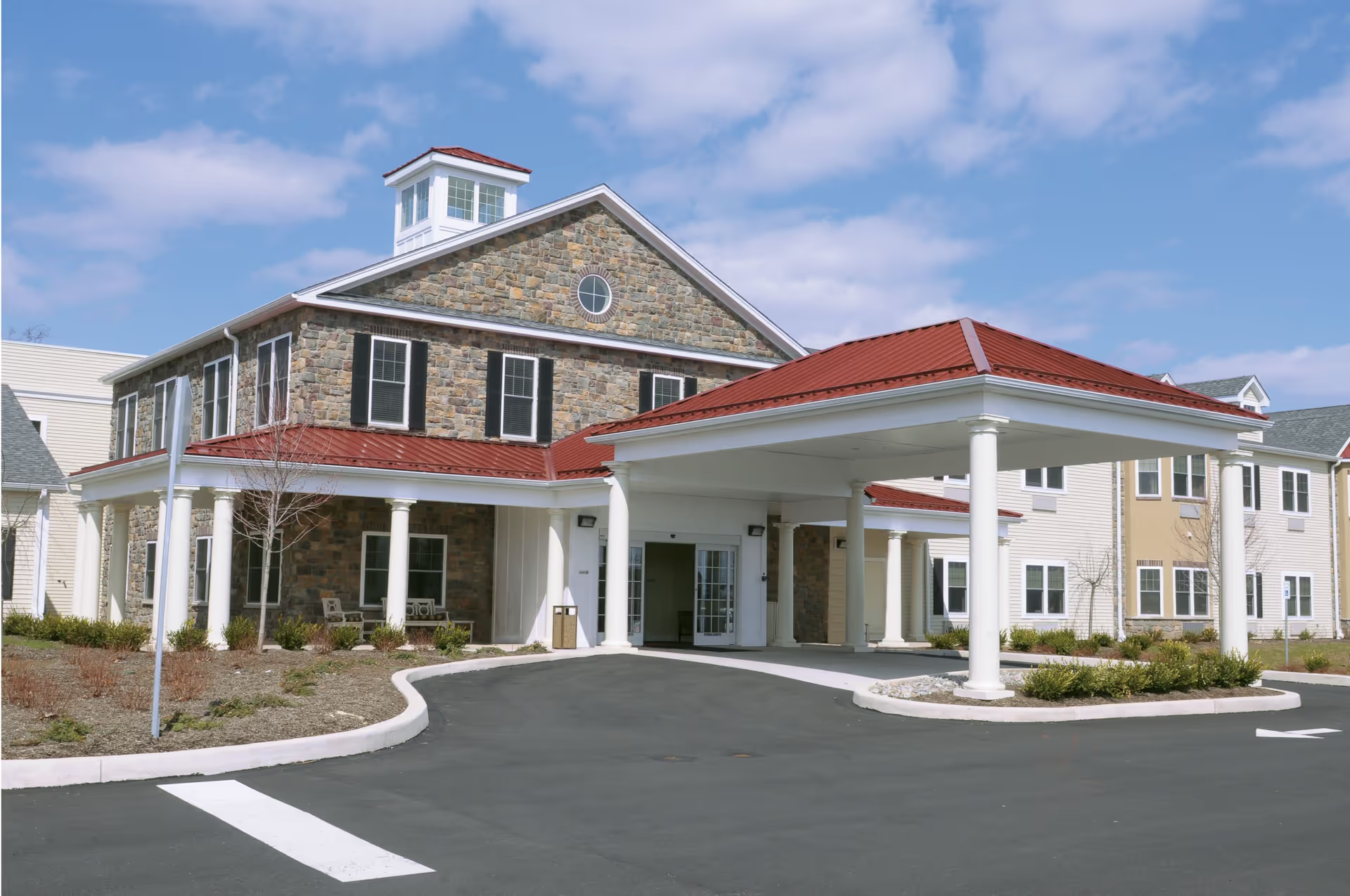
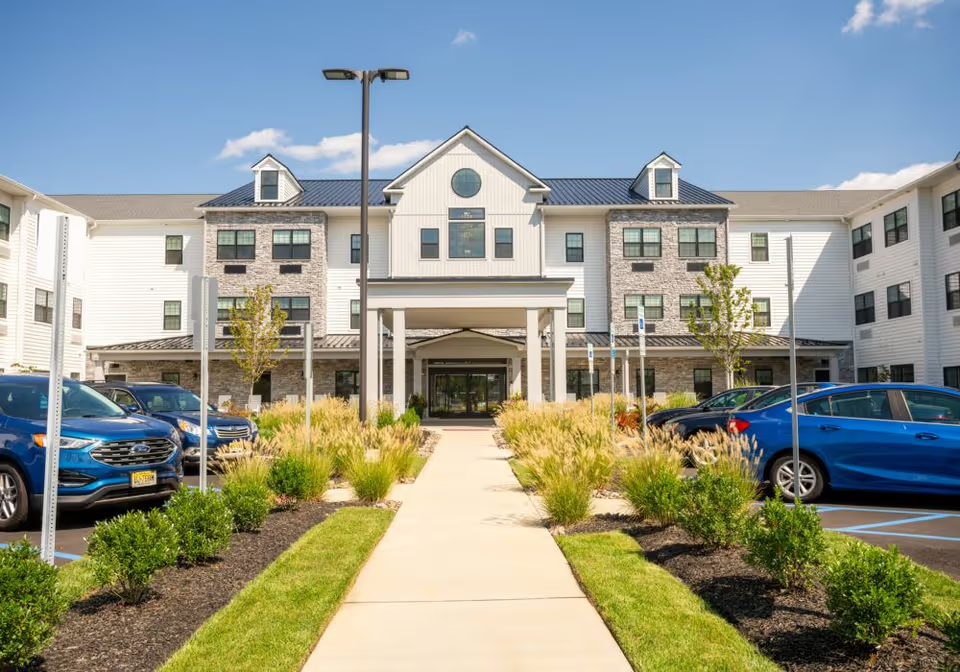
Facilities, housekeeping, and maintenance The facility shows contrasting conditions across units: renovated wings and clean common areas coexist with reports of sanitation and cleanliness issues in certain rooms and bathrooms, odor concerns in some hallways, and variable maintenance of furniture and equipment. Limited private-room availability and instances of shared or crowded rooms were also noted as a practical limitation for prospective long-term residents.
Management, transparency, and notable patterns There are positive signs of engaged leadership and new management initiatives in some reviews, including visible administrative introductions and concierge-style coordination. At the same time, repeated themes include high staff turnover, heavy reliance on temporary personnel, inconsistent application of policies, and problems accessing medical records. Serious allegations—such as unapproved clinical actions or withheld documentation—appear in a minority of accounts and merit follow-up; families should inquire directly about any ongoing investigations or corrective actions.
Recommendation for families Given the variability reflected in reviews, families should perform targeted due diligence before placement: tour relevant units (including bathrooms and shared rooms), ask for current staffing ratios and night-shift plans, review medication-safety procedures and transfer/escalation policies, confirm how family communication is handled (phone access and record release), and request examples of recent quality-improvement actions. The facility demonstrates clear strengths in rehabilitation and in many individual caregivers, but the documented operational weaknesses (staffing inconsistency, communication gaps, cleanliness variability, and clinical-documentation concerns) justify careful, case-by-case evaluation.